This documentary is the culmination of nearly 20 years of clinical experience—and over three decades of published medical evidence—revealing a life-changing treatment that remains largely ignored by mainstream medicine.
Despite dozens of peer-reviewed studies in respected medical journals, and thousands of patients experiencing dramatic improvement, this approach is still absent from standard medical education and practice. When properly indicated, it doesn’t just relieve suffering—it prevents complications and saves lives.
So we ask the uncomfortable but necessary questions::
- What is medical truth, and who decides it?
- Why are patients still told “nothing can be done” beyond symptom-masking drugs like Neurontin and Lyrica?
- What does it actually take to challenge and change entrenched medical dogma?
- Why has the American Diabetes Association not embraced a surgical advancement shown to reduce diabetic foot ulcer recurrence from nearly 40% to less than 2%?
- How do expert bias and institutional inertia delay life-saving care?
This documentary explores the science, the resistance, and the real-world patient outcomes behind a treatment that deserves far wider recognition.
If you or someone you love suffers from chronic nerve pain, diabetic complications, or has been told there are “no options left,” this film could change everything.
Watch The Podcast
Listen to The Podcast
Also available on


Author Biography
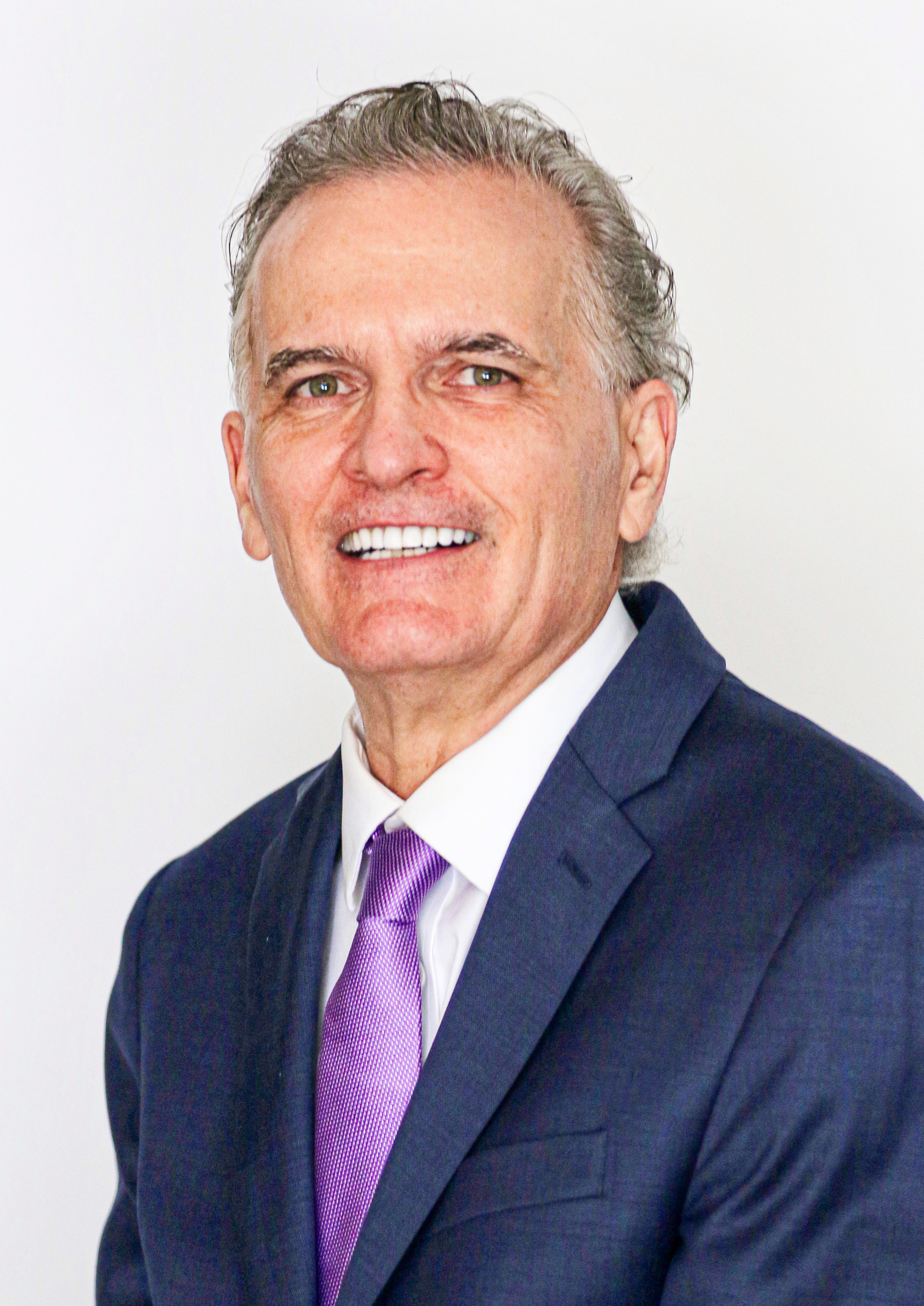
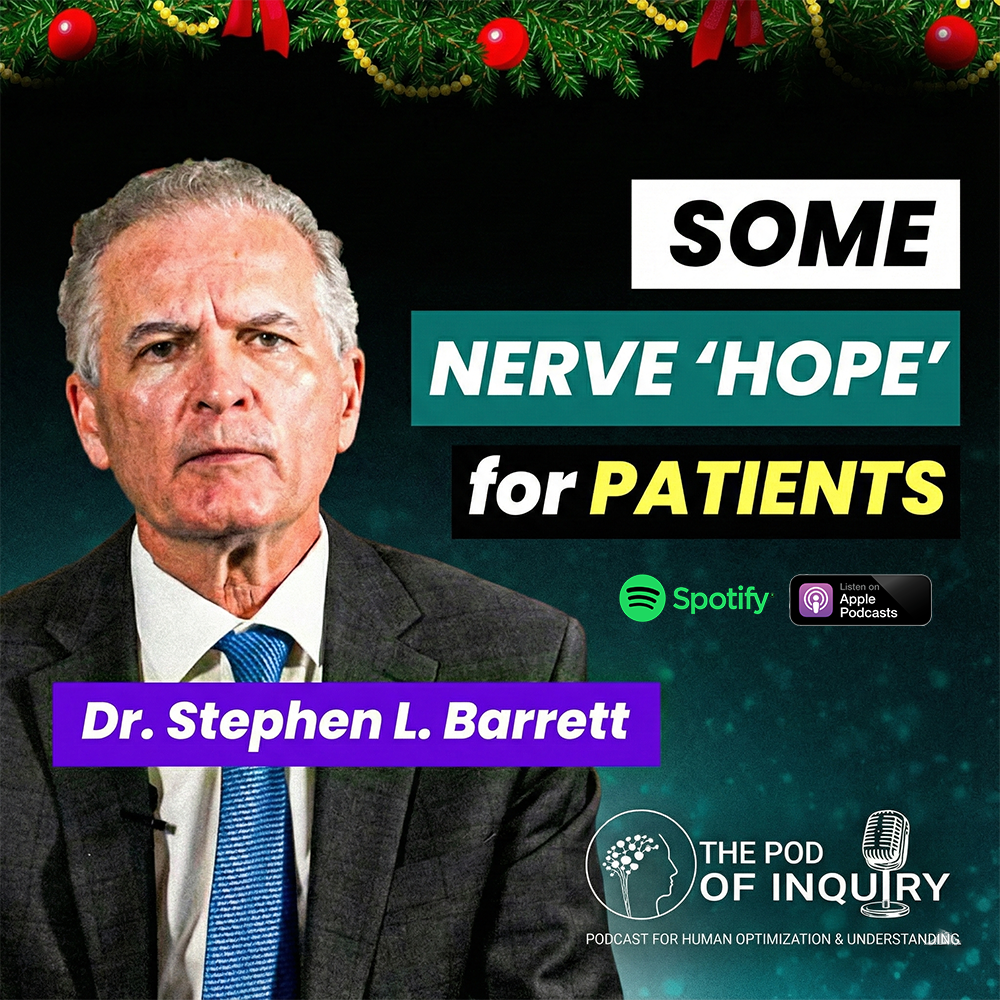
Dr. Stephen L. Barrett, Executive Producer
Podiatrist and lower extremity peripheral nerve surgeon, Stephen L. Barrett, DPM, MBA, ABFAS, FAENS, brings decades of experience in foot and ankle surgery and lower extremity peripheral nerve surgery to The Pod of Inquiry. He is a highly-regarded expert in heel pain, pain management, peripheral nerve surgery, and diabetic peripheral neuropathy. He is strives to educate and empower students, residents, fellows, and colleagues.
Dr. Barrett earned his medical degree from the Dr. William M. Scholl College of Podiatric Medicine at Rosalind Franklin University in North Chicago and completed his residency at UTMB/Danforth Hospital in Houston.
A pioneer in his field, Dr. Barrett was the first physician to use minimally invasive endoscopic surgery to treat heel pain. He also performed the first diabetic peripheral nerve decompression in Barcelona, Spain, which was observed on closed-circuit television by 74 of Europe’s top surgeons, neurologists, and endocrinologists.
Dr. Barrett holds patents for developing innovative endoscopic procedures — the endoscopic plantar fasciotomy (EPF) and endoscopic decompression of the intermetatarsal nerve (EDIN). He believes in preparing the next generation and has trained over 6,000 surgeons around the world to perform these procedures. The seminal textbook for orthopedic surgery, “Campbell’s Operative Orthopedics,” also includes the procedures. Dr. Barrett is also the author of several textbooks, including “Practical Pain Management for the Lower Extremity Surgeon,” published in 2015.
In addition to his textbooks, Dr. Barrett has published more than 50 articles in peer-reviewed medical journals, chapters included in other medical textbooks, and co-authored a textbook on the interpretation of neurosensory testing. He is also a contributing editor for the Journal of the American Pediatric Medical Association and on the editorial board for Podiatry Today and Practical Pain Management.
Dr. Barrett is board-certified by the American Board of Foot and Ankle Surgery and the American Board of Podiatric Medicine. He formerly served as the president of the Association of Extremity Nerve Surgeons and is now Chairman of the Board of Trustees of the society, where he was awarded the prestigious Jules Tinel MD Award in 2010, and is a fellow of the Association of Extremity Nerve Surgeons.
He has operated in China, Spain, France, Italy, and Honduras.
Show Notes from this episode
00:00 – Introduction
Welcome to Pod of Inquiry with holiday greetings. The documentary is titled “Some Nerve: Hope for Patients with Diabetic Peripheral Neuropathy” – intended as a resource to share with those affected by this condition.
01:31 – Patient Case Presentation
Introduction of a juvenile-onset diabetic patient with poor circulation and diabetic neuropathy, presenting with diabetic ulcers, lymphedema, and evidence of gangrene.
02:42 – Meeting Dr. Arnold Lee Dellon
More than 20 years ago, Dr. Stephen Barrett crossed paths with Dr. Arnold Lee Dellon, a pioneer in developing the modern field of peripheral nerve injury and professor of plastic surgery and neurosurgery at Johns Hopkins.
03:31 – Initial Skepticism
Dr. Barrett describes his initial skepticism when learning that symptoms of diabetic peripheral neuropathy could be reversed by nerve decompression surgery, but his perspective changed after witnessing results.
03:58 – Patient Impact Testimonials
Patients describe severe impacts including:
- Inability to walk due to pain
- Loss of ability to perform their jobs of 30 years
- Restoration of day-to-day functioning after treatment
05:00 – Dr. Barrett’s Conversion Experience
Dr. Barrett recalls staying up at night after witnessing surgeries, initially challenging Dr. Dellon’s approach, but being convinced after deeper questioning about his understanding of the condition.
05:34 – Practice Revolution
Introduction to how meeting Dr. Dellon revolutionized podiatric practices, completely transforming approaches to neuropathy treatment.
05:51 – 14 Years of Experience
Approximately 14 years since initial introduction to nerve decompression techniques, practitioners describe amazing positive effects despite initial skepticism.
06:52 – Understanding Diabetic Neuropathy
Discussion of diabetic peripheral neuropathy terminology and variations in naming.
07:05 – Biochemical Basis
Explanation of how high glucose levels biochemically affect nerves through the polyol pathway and sorbitol accumulation, leading to nerve swelling.
07:56 – “Silent Sufferers”
Introduction of the concept that many neuropathy patients suffer silently.
08:00 – Common Symptoms
Neuropathy commonly presents with burning, tingling, and pain – the “emotional symptoms” that motivate patients to seek help.
08:53 – Prevalence Statistics
- Approximately 30-31 million people with diabetes in the United States
- About half have some form of neuropathy
- 85% of amputations are preceded by ulceration or open wounds
10:00 – Wound Complications
Explanation that about half the time, diabetic wounds become infected during their natural course.
10:28 – Global Impact
There is an amputation every 20 seconds somewhere around the world – potentially preventable events.
11:07 – Surgical Benefits
With nerve decompression surgery, annual recurrence rate of foot ulceration can be reduced from 17% to 3-5%.
11:37 – Cost Analysis
- Average diabetic foot ulcer costs and requires approximately 6 weeks to heal
- If complications develop, costs rise to $40,000-$80,000 per occurrence
- Represents extremely expensive burden for healthcare system and patients
12:32 – Failed Medical Management
Patient testimonials about trying various medications with limited success:
- Amitriptyline
- Cymbalta
- Lyrica
- Stem cell injections (twice)
- Laser therapy for blood flow All providing only minor relief
13:22 – Compression vs. Axonal Disease
Discussion of how to distinguish between nerve compression and disease where the nerve axon itself is involved.
15:00 – Anatomical Considerations
Explanation of how nerves travel through specific pathways in the body, particularly at or around joints where compression can occur.
16:55 – Systemic vs. Local Causes
Acknowledgment that there are many systemic and proximal causes of peripheral neuropathy beyond simple nerve compression.
17:22 – Stocking Distribution Myth
Discussion of unpublished data showing that the classical “stocking distribution” of diabetic neuropathy doesn’t actually exist as traditionally described.
17:45 – Diabetic Nerve Vulnerability
In diabetes, when compression occurs, the already “sick” nerve gets progressively worse fairly quickly.
18:04 – Skeptics’ Position
Even skeptics acknowledge that individual nerve entrapments can occur, with neurologists and endocrinologists agreeing that proper treatment involves nerve release.
18:20 – Multiple Entrapment Concept
The key insight: patients can develop a “suite of entrapments” – up to four entrapments in the lower leg – producing the picture classically attributed to pure metabolic neuropathy.
18:52 – Professional Divide
Description of the divide between practitioners who perform the surgery and see results (wonderfully enthusiastic) versus those who have never examined a diabetic nerve directly.
20:25 – Unknown Entrapment Sites
Discussion of nerves without known entrapment sites in the context of metabolic processes causing nerve swelling.
20:57 – Long-term Follow-up Case
Patient case from 2003 with triple decompression, noting that superficial fibular nerve was not addressed at the time, with minor ongoing issues afterward.
21:15 – Superficial Fibular Nerve
Continuing symptoms were attributed to ongoing entrapment of the superficial fibular nerve – these compressed nerves are targeted for decompression by making more room for them.
22:19 – Blood Flow Restoration
Discussion of lower limb nerve decompression and how blood flow can be restored very quickly during surgery.
22:35 – Vascular Anatomy in Tunnels
In anatomical tunnels, nerves travel alongside arteries and veins. Decompression affects the entire neurovascular bundle.
22:58 – Decompression Mechanism
If a nerve goes through a narrow tunnel causing swelling, decompression of that tunnel relieves pressure on the nerve.
23:37 – Specific Anatomical Sites
Common entrapment sites include:
- Tight medial/lateral plantar tunnels
- Tight calcaneal tunnel
- Extra fibrous band underneath peroneus longus
- These anatomical variations combined with diabetic nerve susceptibility produce symptoms
24:03 – Intraoperative Monitoring
Description of monitoring nerve function during decompression surgery, recording nerve signals while releasing the nerve.
24:20 – Immediate Nerve Response
Observation of a huge increase in amplitude of muscle activity immediately after decompression – muscle activity “jumped through the roof” right away.
25:00 – Skeptical Reaction
Initial disbelief about immediate nerve improvement, questioning whether it could be placebo effect.
25:27 – Paradigm Shift Moment
Practitioner’s realization: “I thought I understood peripheral nerves. I really don’t.” This led to researching possible mechanisms of action.
26:03 – Dual-Level Impairment
Explanation that nerves are being impaired at two levels:
- High blood sugars and metabolic toxins
- Physical compression at anatomical tunnels
28:23 – Repeat Case Discussion
Another mention of the 2003 triple decompression case and superficial fibular nerve issues.
28:50 – Treatment Philosophy
Focus on compressed nerves as the target, relieving them by making more room.
29:46 – Vascular Benefits
Blood flow restoration occurs very quickly during lower limb nerve decompression – within seconds.
30:24 – Neurovascular Bundle Concept
Tunnels contain nerve, artery, and vein together – decompressing benefits all structures.
31:29 – Monitoring Study
Detailed description of intraoperative monitoring study examining nerve function changes during surgery.
31:46 – Dramatic Immediate Results
Repeated observation of immediate, dramatic increase in muscle activity amplitude following nerve release.
32:50 – Scientific Confusion
Honest admission of initial inability to understand the mechanism despite observing the results.
33:22 – Mechanism Development
Process of developing theoretical mechanism to explain observed clinical results.
33:37 – Two-Level Injury Model
Nerves are impaired at two levels: metabolic toxicity affecting the most distant parts of nerves, combined with physical compression.
34:29 – Patient Background
Patient with biochemical engineering degree and nearly 30 years in complex problem solving, developing diabetes in 2012.
34:51 – Post-Operative Assessment
Patient evaluation showing:
- Much less pain
- Improved movement
- Better color in affected limb
- Preparing for second side surgery
35:06 – Patient Motivation
Patient looking forward to getting out of pain and being able to do more activities.
35:23 – Literature Support
Discussion that data in medical literature is showing promise for this approach.
35:37 – Parallels to Carpal Tunnel
The results are remarkable and tie into other medical evidence – just as releasing a compressed median nerve in carpal tunnel can save a hand, releasing compressed nerves in the leg can save a foot.
36:33 – Call for Paradigm Shift
“We need an entrapment hunt. We don’t need any more evidence. We’ve got plenty of evidence. We know it works. End of discussion.”
37:07 – Patient Outcome Comparison
Patient describing results as “far better” than previous plantar fasciitis treatment – couldn’t even put heel on floor before surgery.
38:57 – Scientific Validation
Nerve PhDs working on these studies are “flabbergasted” at the kind of improvement that can be demonstrated – describing great success.
40:00 – Functional Independence
Patient able to walk independently and drive for 1-2 hours – basis of ongoing study.
40:24 – Intraoperative Monitoring Tool
Discussion of learning about intraoperative nerve monitoring from head and neck surgery, using it to demonstrate real-time effects of decompression.
40:39 – Demonstration Value
Using monitoring to show “what we’re doing is really doing something” – providing objective evidence during surgery.
41:16 – Long-term Experience
Started performing this surgery in 1982; by 1989, had operated on about 50 patients with 80% showing improvement – representing five independent basic science mechanisms.
42:02 – Medical Conservatism
Acknowledgment that medicine is appropriately conservative – took long time to accept aspirin for heart attack prevention and ulcer treatment approaches.
42:22 – Need for Conservative Approach
Medicine should be conservative because drugs and surgical procedures significantly affect people’s lives and health.
42:53 – Patient Education Challenge
Physicians educate patients thoroughly, but once patients leave practice, they’re unlikely to find other doctors familiar with this approach or offering more relief than achieved.
43:38 – Acceptance Timeline
Fear that widespread acceptance will require training the next generation of physicians – but if patients with neuropathy and diabetes “pound the table,” change could happen sooner.
45:00 – Gradual Understanding
Process of learning and thinking through new concepts – “store this in my brain and just think about it.”
45:51 – Addressing Counter-Arguments
Every argument can be countered with simple facts – there’s power in truth about what nerve decompression can address.
46:49 – EMG Testing Focus
Neurologists and physiatrists doing EMG/nerve conduction studies tend to focus on upper extremities rather than lower extremities.
47:39 – Pharmaceutical Economics
The profit model in medicine is in chronic medication, not in resolving chronic disease – this creates disincentive for procedures that actually resolve problems.
48:23 – Misinformation Problem
Strong statement that opposing information is “wrong, it’s misinformation” – the evidence is out there that nerve decompression works.
48:48 – Professional Relationships
Story of plastic surgeon and chief visiting neurologist who had previously opposed the work.
49:10 – Ultrasound Evidence
Discussion of ultrasound showing visible changes, referencing Scott Nickerson’s objective papers and studies.
50:00 – Professional Opposition
Encounter with someone “leading the bandwagon against this work” – asking why they opposed it.
50:18 – Friendship vs. Science
Interesting situation where former friends took opposing viewpoints on the science, maintaining cordiality but with evident polarization in the neurology community.
51:46 – Research Methodology Debate
Discussion of extrapolating from logical clinical index cases into patient treatments – taking the best of clinical experience, case series, and actual clinical research.
52:17 – Regulatory vs. Clinical Evidence
Tension between regulatory approval process and incorporating best clinical experience and research into practice.
52:41 – Patient Need
The diabetic population suffering with painful problems needs to know something is available – this has been established.
52:57 – Educational Goals
Goal to have residents trained in this approach at all university schools, including newly opened programs.
53:18 – Life-Changing Impact
Described as “life changing” – has changed more lives than even work in the leprosy field according to practitioners.
54:16 – Grassroots Approach
“We’re not going to beat the medical profession into shape, so we need to appeal to the people and have a grassroots demand for it.”
54:30 – Beyond Pain Management
Patient describes reaching the end of conventional treatments – doctors offered only pain management.
54:47 – Complete Reversal
From February to November: “100% reversal” of symptoms.
54:56 – Return to Normal Life
Patient just returned from Disney World after surgery in July – able to take grandchildren and enjoy the parks “like a normal person.”
55:05 – Documentary Purpose
People with diabetes and neuropathy deserve knowledge that this option exists.
56:07 – Closing Message
The greatest gift of all is the relief of suffering.
Key Themes:
- Paradigm Shift: From viewing diabetic neuropathy as purely metabolic to recognizing the critical role of nerve compression at multiple anatomical sites
- Dual Pathology Model: Nerves are impaired at two levels – metabolic damage from high blood sugar AND physical compression at anatomical tunnels
- Immediate Objective Results: Intraoperative nerve monitoring shows dramatic immediate increases in nerve function amplitude upon decompression
- Multiple Entrapment Sites: Key locations include medial/lateral plantar tunnels, calcaneal tunnel, and fibrous bands – creating a “suite of entrapments”
- Preventive Potential: Nerve decompression can reduce annual ulcer recurrence from 17% to 3-5%, potentially preventing amputations
- Economic Impact:
- Standard ulcer treatment: ~6 weeks, significant cost
- Complicated cases: $40,000-$80,000 per occurrence
- One amputation occurs every 20 seconds globally
- Failed Medical Management: Conventional treatments (Cymbalta, Lyrica, amitriptyline, stem cells, laser therapy) provide only minor relief
- Professional Resistance:
- Deep divide between practitioners who see results and traditional specialists
- Pharmaceutical model favors chronic medication over curative procedures
- Acceptance hindered by conservative medical culture and economic incentives
- Patient Outcomes:
- 80% improvement rate in early studies (1982-1989)
- Patients describe “100% reversal” of symptoms
- Return to normal functional activities and independence
- Grassroots Strategy: Recognition that change will come from patient demand rather than convincing medical establishment
- Evidence Base:
- Ultrasound imaging shows visible changes
- Objective nerve monitoring data
- Parallels to proven carpal tunnel release surgery
- Multiple independent basic science mechanisms
- Historical Pattern: Similar to slow acceptance of aspirin for heart attacks and H. pylori for ulcers – medicine is appropriately conservative but sometimes slow to change
Sponsors Of The Episode




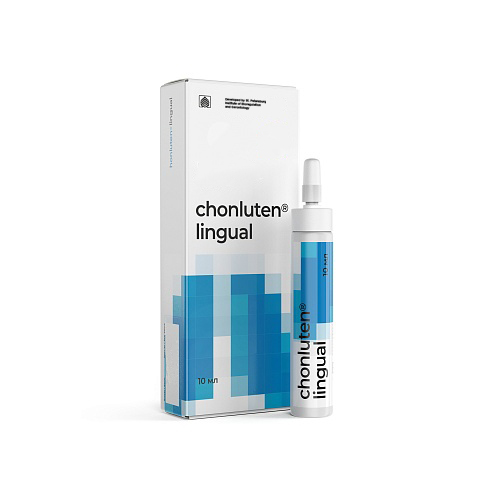
Approved Medical Solutions
Your source for Oxalate free Nitric Oxide Supplementation
Non-licensed patients can use code “sbarrett” for a 10% discount.
Licensed practitioners can access the discounts by registering and when at checkout put “podofinquiry” (no space and not case sensitive) in the coupon section.

Ketone
Nitric Oxide
ClearDetox Pro & ClearSleep