What if staying awake during plastic surgery could actually make it SAFER?
In Part 2 of our conversation with board-certified plastic surgeon Dr. Daniel Suissa, we explore the innovations reshaping modern cosmetic surgery—and why traditional approaches using general anesthesia may carry unnecessary risks. (Awake Liposuction vs Implants Part: 2)
From breakthrough safety techniques in the Brazilian Butt Lift (BBL) to emerging research on anesthesia’s impact on long-term brain health, this episode examines how evidence-based methods are changing the future of surgery
💉 In This Episode, You’ll Learn:
- Safer BBL techniques from the most-cited plastic surgery paper
- Why awake surgery reduces complication risks
- Vibration tech improving fat survival by 30–40%
- Hidden neurocognitive risks of general anesthesia
- 10 key factors that influence pain perception
- How surgeon experience lowers complications
Dr. Suissa’s clinic uses custom glass canisters instead of plastic during fat transfer to help avoid microplastic contamination. When a surgeon is thinking at that level of detail about patient safety, you know you are dealing with someone special.
👉 Have not heard Part 1 yet? Start with Season 8, Episode 8.
Watch The Podcast
Listen to The Podcast
Also available on


Author Biography
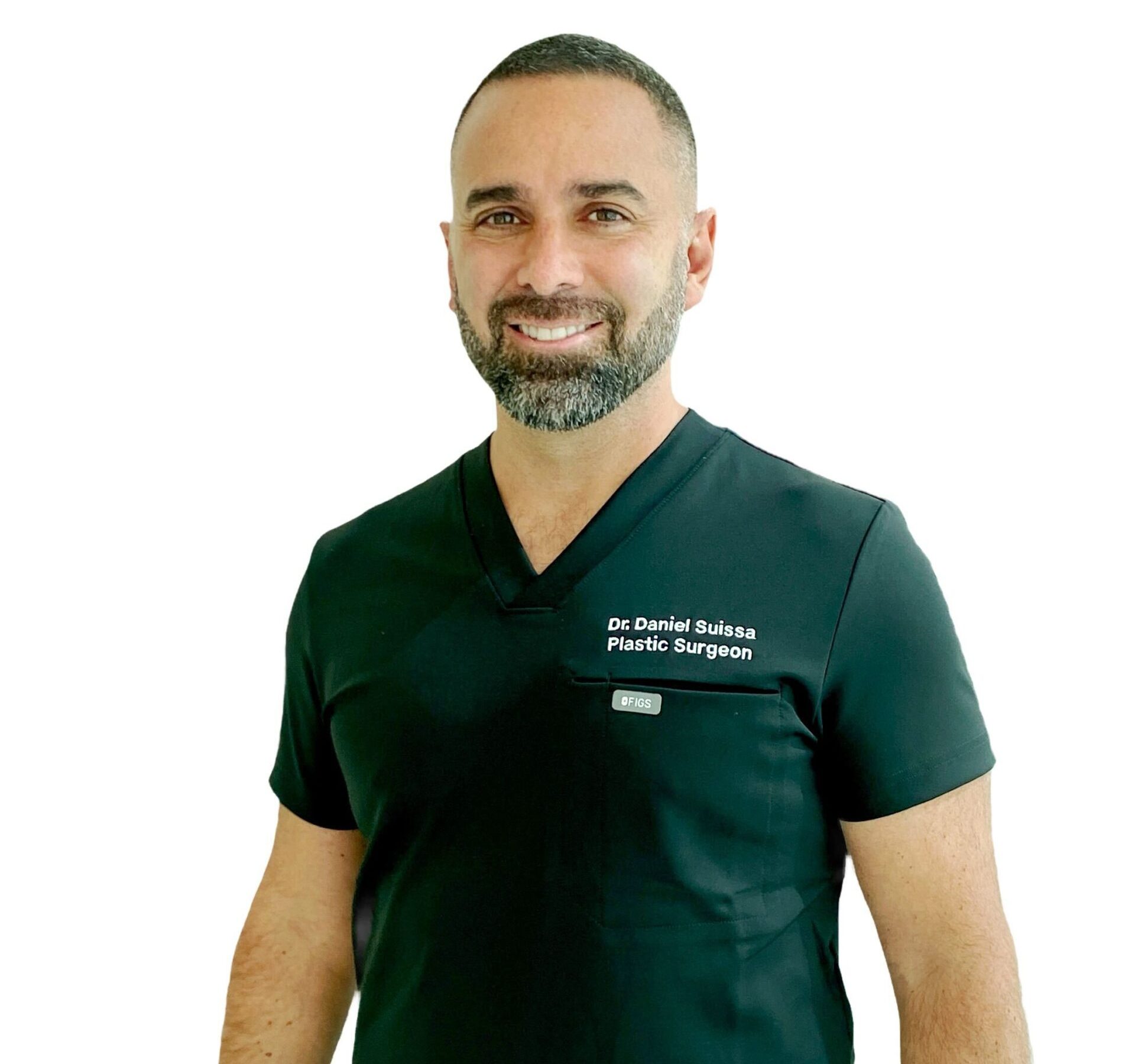
Daniel Suissa, M.D., FRCS
With an eye for aesthetics and a passion for innovation, Dr. Suissa is reimagining the future of cosmetic surgery.
After earning a master’s degree in Clinical Epidemiology from McGill University, Dr. Suissa completed his medical school and plastic surgery training at Université de Montréal in Canada. There, he received the Canadian Plastic Surgery Board certification and became a Fellow of the Royal College of Surgeons.
To solidify his plastic surgery skills and technique, Dr. Suissa completed an aesthetic fellowship at the university of Toronto, where he was trained by some of the world’s top aesthetic plastic surgeons. He went on to complete an additional fellowship with a specialization in cosmetic breast surgery at Yale University.
Dr. Suissa’s leading-edge specialization put him at the forefront of the latest techniques, allowing him to expand his focus to the safety and effectiveness of new clinical techniques. Soon after founding Squlpt, he invented and developed SoftSqulpt, a revolutionary 360 awake liposuction and fat transfer innovation that is safe, gentle and close to pain-free.
Dr. Suissa was recently appointed a member of the Safety Task Force for BBL Surgery. He’s also authored multiple research articles on plastic surgery, including one of the most peer-reviewed articles on safety protocols for BBL procedures.
Known for his laser-sharp focus and warm, compassionate approach, Dr. Suissa pushes the boundaries of innovation and merges cutting-edge techniques to achieve natural-looking, flawless results.
Show Notes from this episode
00:00-01:19 | Introduction
Dr. Barrett introduces the second part of the conversation with Dr. Daniel Suissa, focusing on advanced liposuction techniques, surgical innovations, and the benefits of avoiding general anesthesia during cosmetic procedures.
01:19-06:45 | Vibration Technology Development & Engineering Refinements
- Dr. Suissa explains the iterative process of perfecting vibration technology in liposuction handpieces
- Discussion of balancing vibration benefits for patients with surgeon comfort and control
- The challenge of adding mass to reduce vibration fatigue while maintaining tissue sensitivity
- Philosophy of continuous incremental improvement (comparing to iPhone iterations)
- Patent developments for integrating tumescent fluid delivery through the handpiece
06:45-11:11 | Custom Glass Canister Innovation & Fat Separation
- Development of custom glass canister with medical-grade stainless steel base for fat collection
- Problems with existing luer lock systems (1.1mm diameter causing clogs, side-mounted drainage)
- Patent for custom funnel design maintaining minimum 5mm inner diameter throughout system
- Revolutionary use of vibration technology for fat separation
- How vibration removes trapped fluid from harvested fat cells, creating more concentrated fat
- Comparison to other separation methods (PureGraft bag, Revolve, sieve methods)
11:11-14:03 | Fat Survival Rates & Strategic Over-Filling
- 60-70% fat survival rate in body/breast transfers (80-85% possible in highly vascularized facial areas)
- Strategy of concentrating fat before injection to maximize viable cell transfer
- Importance of removing fluid content to improve final results
- Philosophy of maximizing fat concentration for optimal augmentation
14:03-16:27 | Fat Volume Requirements for Different Procedures
- Breast augmentation: Maximum 1000cc per breast (often 600-700cc depending on tissue envelope)
- Factors affecting volume: breast deflation from pregnancy/breastfeeding, tissue tightness, patient age
- Brazilian Butt Lifts require significantly more fat than breast augmentation
- Rarely insufficient fat for breast enhancement; more common issue with BBL procedures
18:43-20:14 | Universal Body Proportion Standards & Timeless Results
- Philosophy of creating timeless aesthetic results vs. following trends
- Ideal waist-to-hip ratio: 0.68-0.72 for universally attractive proportions
- Avoiding extremes that may look dated (very thin vs. very curvy trends)
- Adapting to cultural, geographic, and personal preferences within healthy ranges
- Ability to extract sufficient fat even from lean patients
20:14-21:35 | Fat Transfer vs. Implants: Tissue Integration
- Fat integrates into native tissue without capsule formation (major advantage over implants)
- Connective tissue integration creates natural support structure
- Discussion of Brazilian Butt Lift controversy and safety concerns
21:35-28:53 | BBL Safety Research & Clinical Epidemiology Expertise
- Dr. Suissa’s Master’s degree in clinical epidemiology and understanding research quality
- Co-authorship of most-cited plastic surgery paper on BBL complications
- Florida as epicenter of BBL safety concerns
- Key findings: Fat injected into muscle (beyond fascia) causes fat emboli to lungs
- Proper technique: Superficial injection in fat layer between skin and muscle
- Multiple safety factors: cannula size, multi-hole vs. single-hole cannulas, pressure distribution
- Experience level correlation: Higher volume surgeons have lower complication rates
28:53-31:40 | Advantages of Awake Surgery for BBL Safety
- Muscle contraction when fascia is touched provides natural safety feedback
- Impossible to get this protection under general anesthesia (patient completely paralyzed)
- Muscle tone creates tissue tension for better surgical control
- Ability to reposition patient freely for optimal angles
- Avoiding dangerous areas more effectively when patient is responsive
- High-volume practice creates “second nature” safety reflexes
31:40-34:04 | Minimizing Neuropathy & Nerve Complications
- Temporary numbness common (3 weeks to 3 months for demyelination recovery)
- Almost zero permanent numbness in awake tumescent liposuction patients
- Factors reducing nerve trauma: smaller cannulas, more tumescent fluid, patient feedback
- Real-time adjustment based on patient sensation prevents nerve damage
- Time pressure differences: General anesthesia creates urgency vs. relaxed awake approach
34:45-38:26 | Wide Awake Surgery Movement & Cognitive Benefits
- Growing trend in hand surgery (carpal tunnel release)
- Neurocognitive research showing detrimental effects of general anesthesia, especially over age 50
- Connection to Alzheimer’s and neurodegenerative disease risk factors
- Advantage for biohackers and health-conscious patients
- Pain management as key hurdle: technique matters more than medication
- Dr. Barrett’s research on bacteriostatic saline pre-infiltration with lidocaine
- Importance of: 30-gauge needles, ethyl chloride, slow infiltration, sodium bicarbonate buffering
38:26-42:33 | Additional Medications & Patient Support During Awake Procedures
- Minimal sedation: Small doses of Xanax, tramadol, nitrous oxide (laughing gas)
- Medications primarily for numbing phase (most sensitive period)
- Nitrous oxide safety: Used in pregnancy, pediatrics, dentistry
- Patient variability: Some nap, some use phones, all comfortable
- Mobility advantages: Patient repositioning for better surgical access and angles
- Aesthetic benefits: Avoiding silicone, invisible incision sites, no scarring
- Risk minimization philosophy extends to avoiding microplastics (glass canister choice)
42:33-47:33 | Pain Tolerance Factors & Comprehensive Patient Care
- Sleep quality the night before affects pain sensitivity (recommend early sleep, melatonin)
- Nutrition impact on pain tolerance
- Marijuana use lowers pain threshold (recommend 3-4 day abstinence before procedure)
- Proactive communication and attentiveness to facial expressions
- Offering breaks, hydration, snacks during procedure (patients can eat/drink/use bathroom)
- Empathy as unteachable skill: Treating every patient like family
- Professor’s wisdom: “Some things you can’t teach – you either have it or you don’t”
47:33-49:11 | Mind-Body Connection & Patient Empowerment
- Dr. Barrett’s philosophy on patient empowerment reducing anxiety
- Giving patients control and feedback mechanisms
- Psychological benefits of assurance and care
- Connection between immune system, mental state, and vagus nerve
- Importance of patient knowing surgeon is their strongest advocate
- Wrap-up and clinic information: SculptBody.com (spelled with Q: SQULPT)
Key Takeaways:
- Innovation Through Iteration: Continuous refinement of vibration technology, cannula design, and fat processing creates measurably better outcomes
- Safety Through Consciousness: Awake surgery provides natural safety mechanisms (muscle contraction, patient feedback) impossible under general anesthesia
- Experience Matters: High-volume surgeons have significantly lower complication rates due to refined technique and pattern recognition
- Holistic Pain Management: Pain perception affected by sleep, nutrition, substance use, and psychological factors – not just medication
- Future of Surgery: Movement away from general anesthesia for cognitive health, safety, and improved surgical precision
- Fat Transfer Advantages: Natural integration, no capsule formation, avoiding foreign materials, invisible scarring
- Research-Driven Practice: Epidemiological training enables evidence-based improvements and contributions to surgical safety literature
Contact Information:
- Website: SculptBody.com (SQULPT)
- Instagram: @sculpt
- TikTok: @sculpt
Sponsors Of The Episode

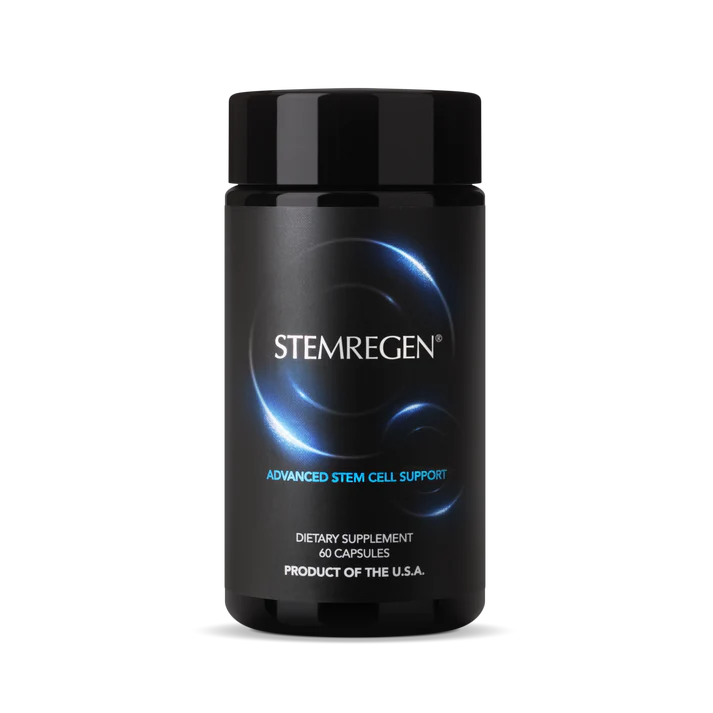

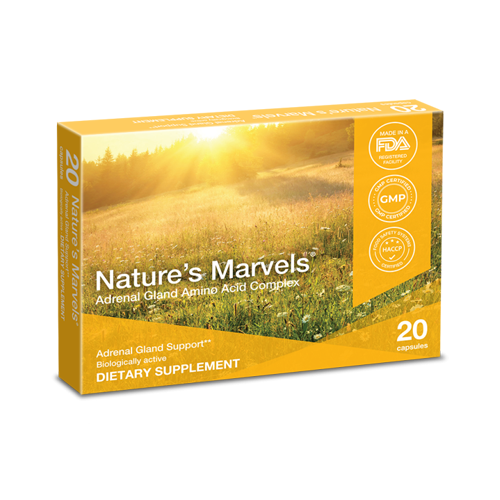
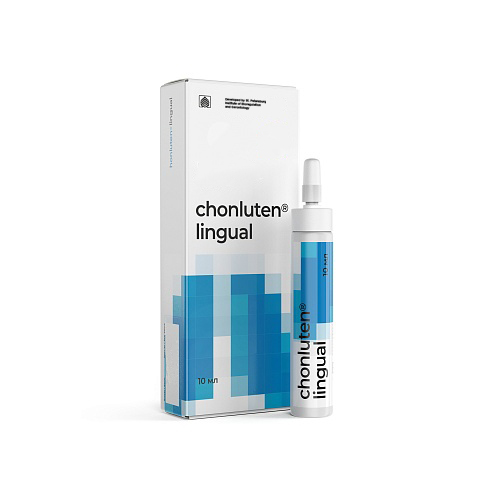

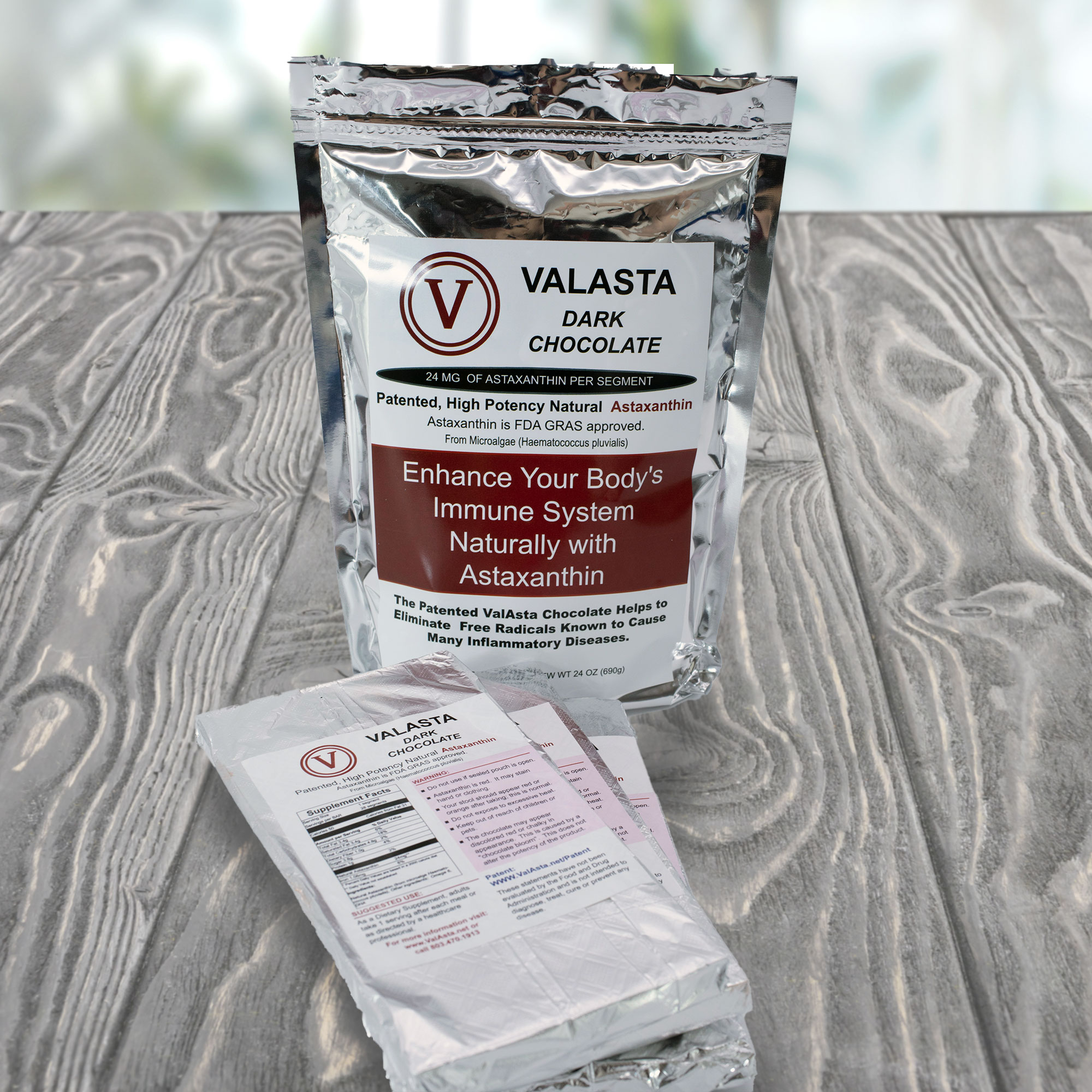
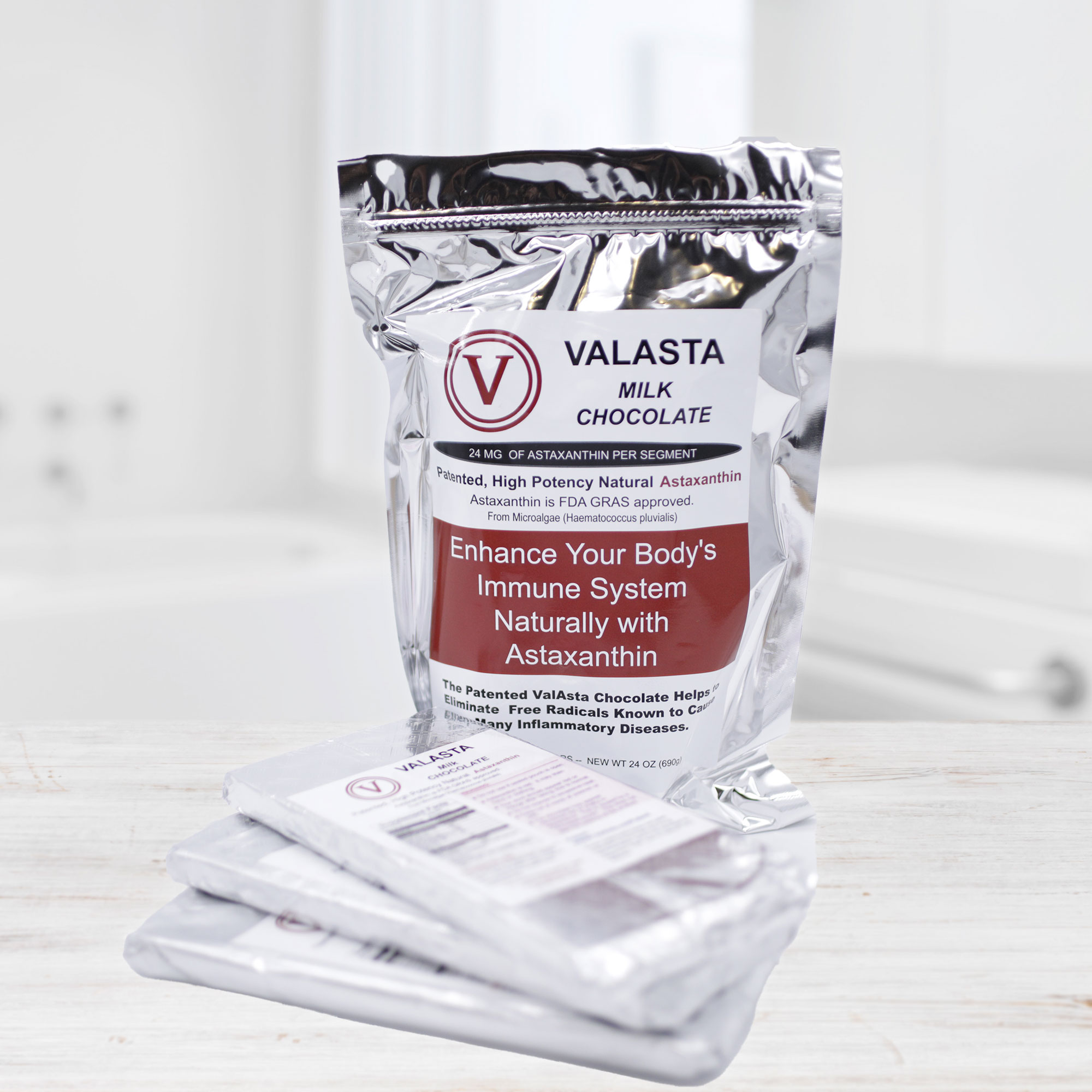
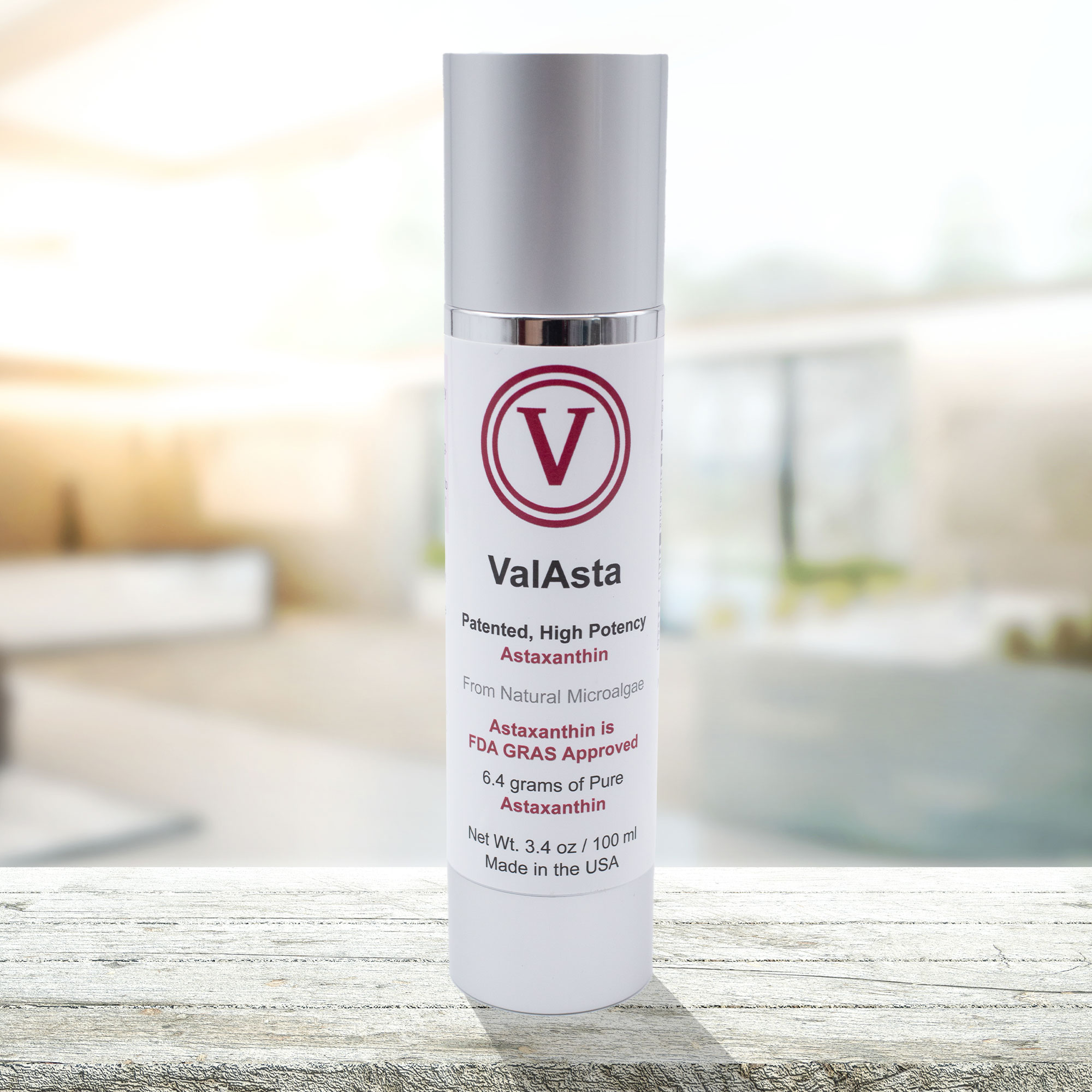
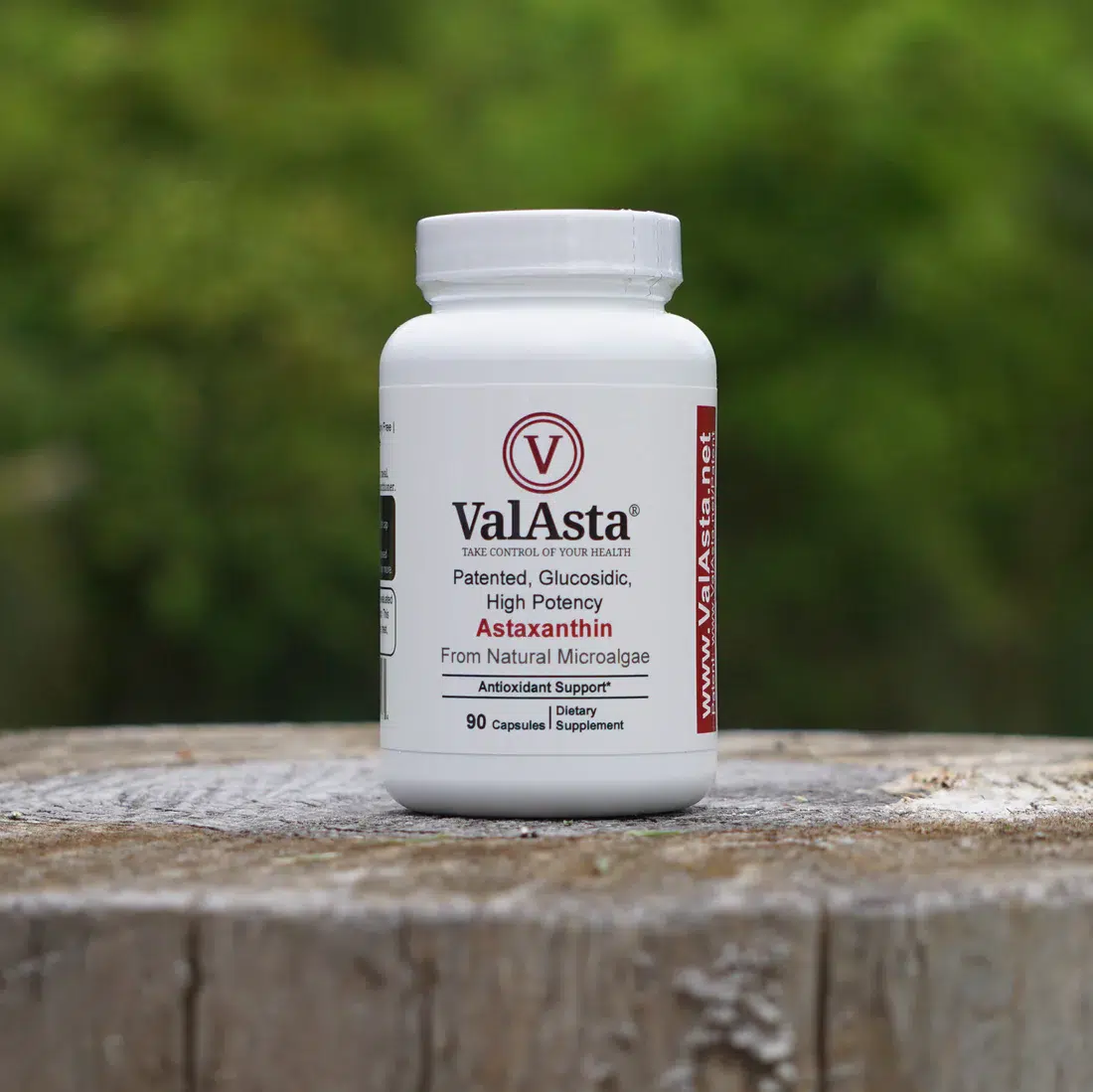

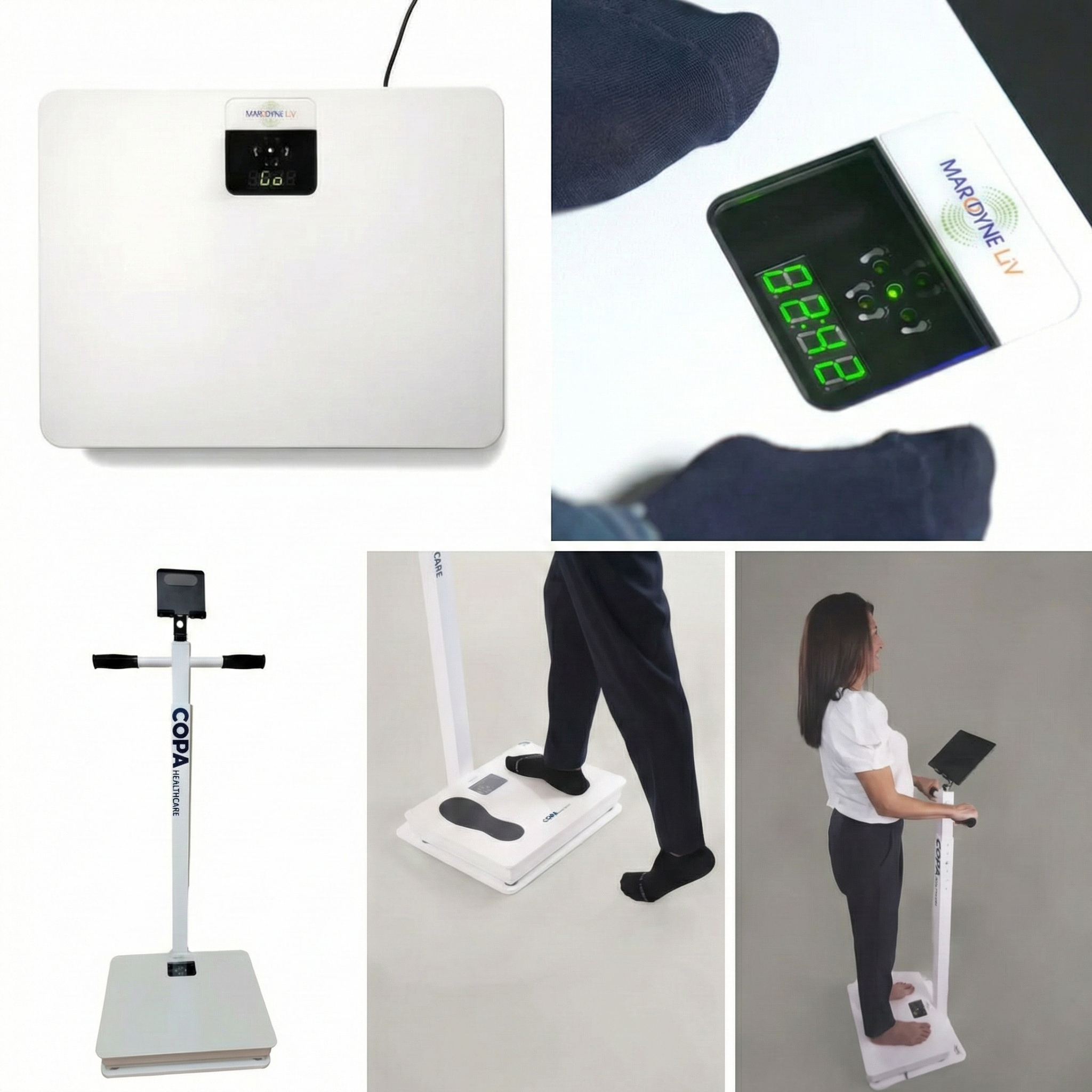
Marodyne LiV
Clinically proven, low-intensity vibration—10 minutes a day to strengthen bone, muscle, and movement safely.
Use code: SB200 for $200 off
Approved Medical Solutions
Your source for Oxalate free Nitric Oxide Supplementation
Non-licensed patients can use code “sbarrett” for a 10% discount.
Licensed practitioners can access the discounts by registering and when at checkout put “podofinquiry” (no space and not case sensitive) in the coupon section.

Ketone
Nitric Oxide
ClearDetox Pro & ClearSleep