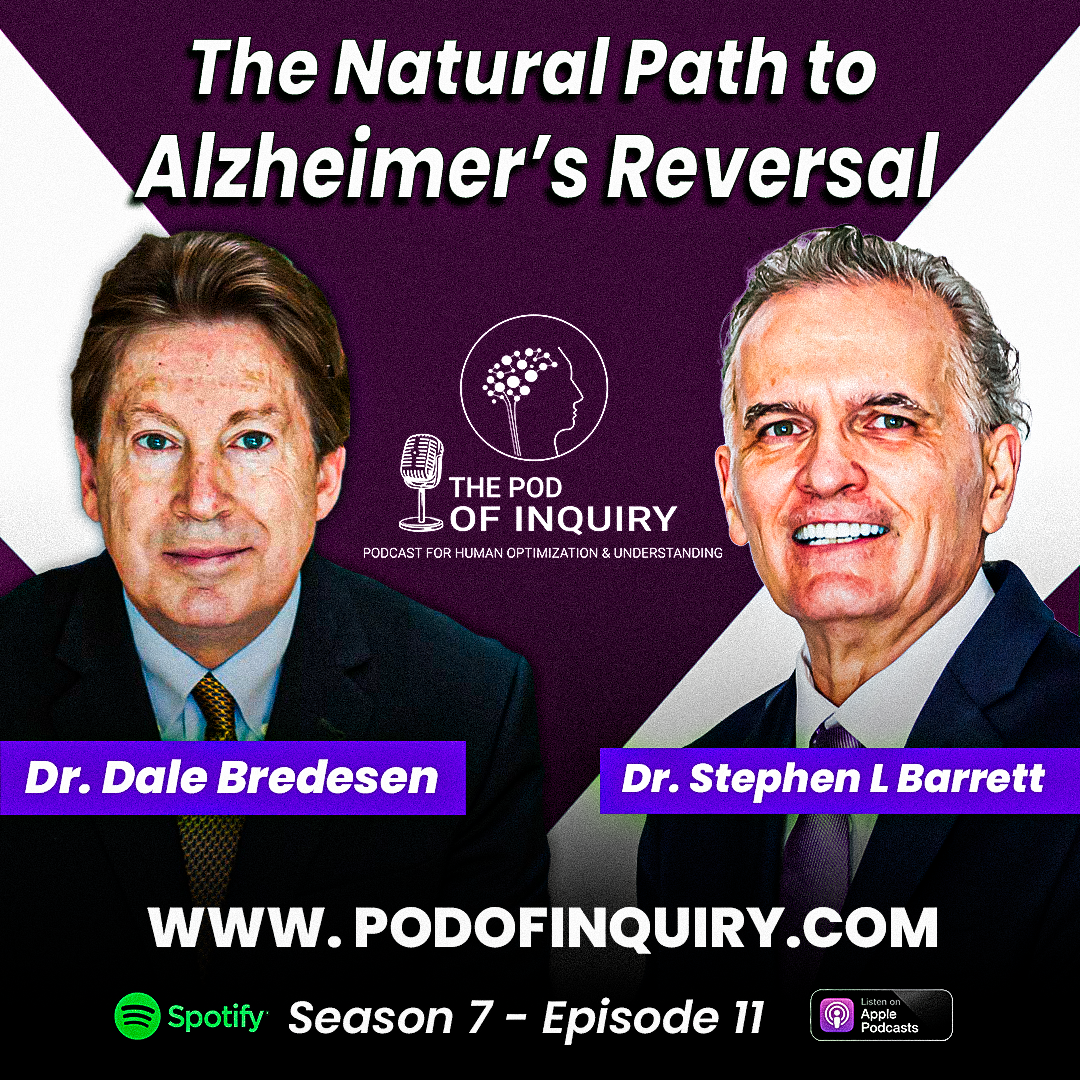
ADHD diagnoses have risen from 4% to 11% of the population — and the fastest-growing group receiving stimulant prescriptions? Adults over 70.
In this episode, psychiatrist and addiction specialist Dr. Susan Blank joins us to unpack the real risks, benefits, and misconceptions surrounding ADHD medications. This is a conversation every parent, educator, healthcare professional, and adult considering treatment should hear. (Medication Truths for ADHD)
💉 In This Episode, We discuss:
- Why ADHD prescriptions are increasingly written via telehealth — and what that means
- The real risks of stimulant medications, including psychosis and hospitalization
- How these drugs actually work in the brain
- The difference between ADD and ADHD
- Why ADHD may not be something you simply “grow out of”
- Non-stimulant alternatives like Strattera and Wellbutrin
- Whether some ADHD diagnoses may be misidentified learning or environmental issues
- The evolutionary perspective on ADHD traits
“These are not benign drugs. They should be carefully, carefully taken.” — Dr. Susan Blank
This episode is not about fear. It’s about informed decision-making when it comes to powerful medications that affect both developing and adult brains.
If you or someone you love:
• Has been diagnosed with ADHD
• Is considering medication
• Takes stimulants regularly
• Works in education or healthcare
• Has a child struggling in traditional school systems
This conversation could change how you think about treatment.
🎧Listen now and decide for yourself.
Watch The Podcast
Listen to The Podcast
Also available on


Author Biography
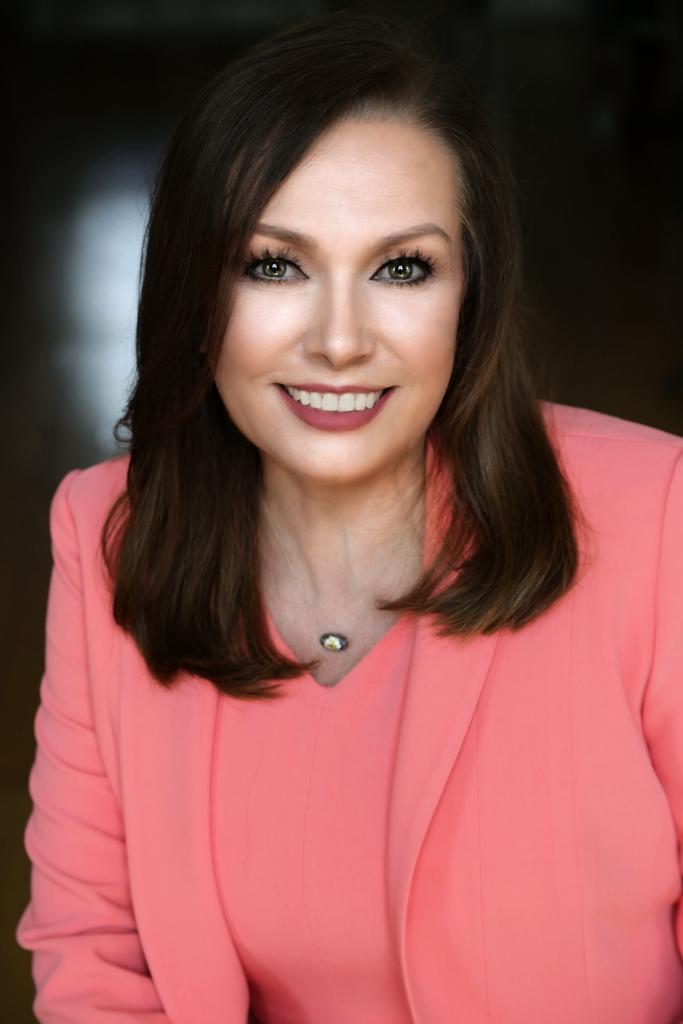
Dr. Susan Blank
Dr. Blank has over 20 years of experience in the field of addiction. She is the current Medical Director for Georgia Professionals Health Program which provides Georgia Professionals with initial triage, referral into evaluation, treatment quality monitoring, and care management of mental/behavioral health issues to include substance use disorders.
After obtaining her medical degree from the Medical College of Georgia, she completed a residency in Psychiatry and Neurology at Sheppard Pratt Hospital in Baltimore, Maryland. She also received training in Forensics at the University of Virginia. Because of an interest in addiction, its diagnosis and treatment, she undertook specialized training in Addiction Medicine at the Talbott Recovery Campus under the direction of Dr. G. Doug Talbott. Recognizing that the most effective treatment for a patient with the disease of addiction involves the whole body, she obtained additional training, and completed a Fellowship and Advanced Fellowship training in Anti-aging and Regenerative Medicine.
Dr. Blank is Immediate Past President of the Georgia Society of Addiction Medicine. She was Co-Chair of the Medical Association of Georgia’s “Think About It” Campaign-providing education to Health Care providers about proper prescribing of opioids and other high-risk medications. She is also a past member of the Board of Directors for The Georgia Council on Alcohol and Drugs and “Let’s Be Clear Georgia”. Dr. Blank and Dr. Lori Karan co-authored the chapter on Tobacco and Nicotine Addiction for the ASAM Patient Criteria released in September 2013 and the ASAM Tobacco Guidelines in February 2022. Dr. Blank is a contributor to the American Society of Interventional Pain Physicians Opioid Prescribing Guidelines, published in March 2017 and 2024, and has been a member of the Technical Expert Panel for PCPI Preventive Care guidelines for Tobacco Cessation, Influenza Immunizations and Alcohol Screening.
Dr. Blank is a Diplomate of the American Board of Psychiatry and Neurology, the American Board of Addiction Medicine, The American Board of Preventive Medicine, subspecialty in Addiction Medicine, and the American Board of Anti-aging and Regenerative Medicine. She is a Fellow of the American Board of Forensic Examiners, a Distinguished Fellow of the American Psychiatric Association, a Distinguished Fellow of American Society of Addiction Medicine, a Fellow of the American Academy of Anti-Aging and Regenerative Medicine and a Certified Medical Review Officer.
Dr. Blank is a distinguished speaker and lecturer at medical conferences and lay seminars throughout the United States and in several foreign countries. She has lectured over 200 times at medical schools, physician conferences, international meetings of physicians and other healthcare professionals and was an Associate Professor at the Penn State. She was in the active practice of addiction treatment and is recognized as a pioneer for her use of the most advanced techniques in the care of patients with the disease of addiction.
Show Notes from this episode
00:00 – Introduction
- Welcome and introduction to Dr. Susan Blank, returning guest
- Episode focus: ADD and ADHD diagnosis, treatment, and recent research
- Dr. Blank discusses new studies on how stimulant medications actually work and common misconceptions
01:06 – Understanding ADD vs ADHD
- ADD (Attention Deficit Disorder): Focuses on attention and focus difficulties, trouble with less engaging tasks
- ADHD (Attention Deficit Hyperactivity Disorder): ADD symptoms plus behavioral hyperactivity issues
- ADHD includes difficulty sitting still, excessive energy, disruptive behaviors in family, school, sports, and work settings
04:13 – Evolutionary Perspective
- Historical context: ADHD traits were adaptive for hunter-gatherers
- Environmental scanning and vigilance were survival advantages
- These traits helped protect clans from animals and enemies
05:00 – ADD and ADHD Relationship
- ADHD is essentially ADD with an additional hyperactive component overlay
- Both conditions share core attention deficit features
05:24 – Rising Diagnosis Rates
- 2013 (DSM-5): 4% of population diagnosed with ADHD
- Current: 11% of children under 18 diagnosed
- Fastest growing demographic: Adults 31-40 years old
- Surprising trend: Increased diagnoses in over-70 population (receiving highest medication doses)
- Medication use has skyrocketed across all age groups
07:00 – Longitudinal Course and Insurance Coverage
- Traditional belief: Most people “grow out of” ADHD by age 18-19
- Historical insurance policy: No coverage after age 18 based on this assumption
- New understanding: ADHD may be a chronic illness continuing into adulthood and late life
- Hyperactivity typically decreases with age
- Impulsivity and attention difficulties often persist throughout life
08:30 – Educational System and Misdiagnosis Concerns
- Discussion of anecdotal cases where “ADHD” diagnosis may reflect boredom, not true disorder
- Analogy: Children forced to engage with uninteresting curriculum (like being forced to eat liver)
- Educational systems designed with “one-size-fits-all” approach
- Some hyperactive children may simply need different channeling of energy
- Question raised: Are some children misdiagnosed when they’re simply energetic and disinterested?
10:00 – Different Learning Styles
- Visual learners: Learn best through reading and images
- Auditory learners: Benefit from lectures and spoken content (may struggle with reading/have learning disabilities)
- Kinesthetic learners: Need hands-on experience (Dr. Blank identifies herself in this category due to dyslexia)
- Traditional education system challenges for kinesthetic learners
- Importance of recognizing individual learning differences
12:00 – The Adult ADHD Explosion
- Adults in 30s and 40s increasingly seeking diagnosis
- Many report lifelong struggles finally explained by ADHD diagnosis
- Question: Legitimate undiagnosed cases or “epidemic of convenience”?
14:30 – Stimulant Medications: How They Work
- New research clarifying mechanisms of action
- Discussion of dopamine system involvement
- Previous misconceptions about medication effects being corrected
18:45 – Medication Concerns and Side Effects
- Stimulants are not benign drugs
- Require careful, judicious use
- Elderly population concerns:
- Receiving highest doses
- Risk of psychotic symptoms
- Can cause paranoia, hallucinations (visual and auditory)
- May result in police involvement or psychiatric hospitalization
20:00 – Non-Stimulant Treatment Options
- Strattera (atomoxetine):
- Requires multiple daily doses
- Takes several weeks to become effective
- Creates calmer brain state
- Reduces distractibility retrospectively
- Doesn’t produce immediate “hit” feeling like stimulants
- Wellbutrin (bupropion):
- Antidepressant that works on dopamine
- Only antidepressant with dopaminergic action
- Guanfacine:
- Used for ADHD management
- Clonidine:
- Blood pressure medication
- Often taken at night
- Bonus benefit: Helps with sleep
22:15 – Brain Chemistry and Dopamine
- Discussion of dopamine’s role in attention and focus
- How medications modulate neurotransmitter systems
- Difference between stimulant and non-stimulant mechanisms
28:30 – College Students and ADHD
- Special considerations for college-age population
- Academic pressures and diagnosis seeking
- Medication misuse concerns in academic settings
35:00 – Prescription Practices Concerns
- Telehealth prescribing: Major concern about remote ADHD medication prescriptions
- Most frequent prescribers: Nurse practitioners (NOT psychiatrists or pediatricians)
- This finding was surprising and concerning to both host and guest
40:00 – Diagnostic Challenges
- Difficulty distinguishing true ADHD from other conditions
- Overlap with anxiety, depression, sleep disorders
- Importance of comprehensive evaluation
- Risks of misdiagnosis and inappropriate treatment
45:00 – Real-World Impact
- Effects on families, relationships, work performance
- When treatment is appropriate and helpful
- Success stories with proper diagnosis and management
51:09 – Serious Side Effects in Healthcare Professionals
- Dr. Blank’s experience treating healthcare providers with stimulant problems
- Stimulants causing: abrupt behavior, rudeness, paranoia, psychosis
- Hallucinations (visual and auditory)
- Cases requiring police intervention or psychiatric hospitalization
- Critical point: These are NOT benign drugs
51:40 – Prescription Practice Concerns (Continued)
- Many prescriptions written via telehealth
- Primary prescribers: Nurse practitioners (not psychiatrists or pediatricians)
- Lack of proper evaluation and monitoring
52:41 – Non-Stimulant Benefits
- Calmer brain without “rush” feeling
- Reduced distraction from “puppies and shiny things”
- Retrospective realization of improved focus
- Ability to sustain attention for extended periods (e.g., 2 hours on a paper)
53:56 – CME and Education Praise
- Dr. Barrett’s compliment: Dr. Blank makes required 3-hour opioid management CME “fun and understandable”
- Recognition of her educational skills and presentation style
Discussion of importance of proper education on these topics
Sponsors Of The Episode








Marodyne LiV
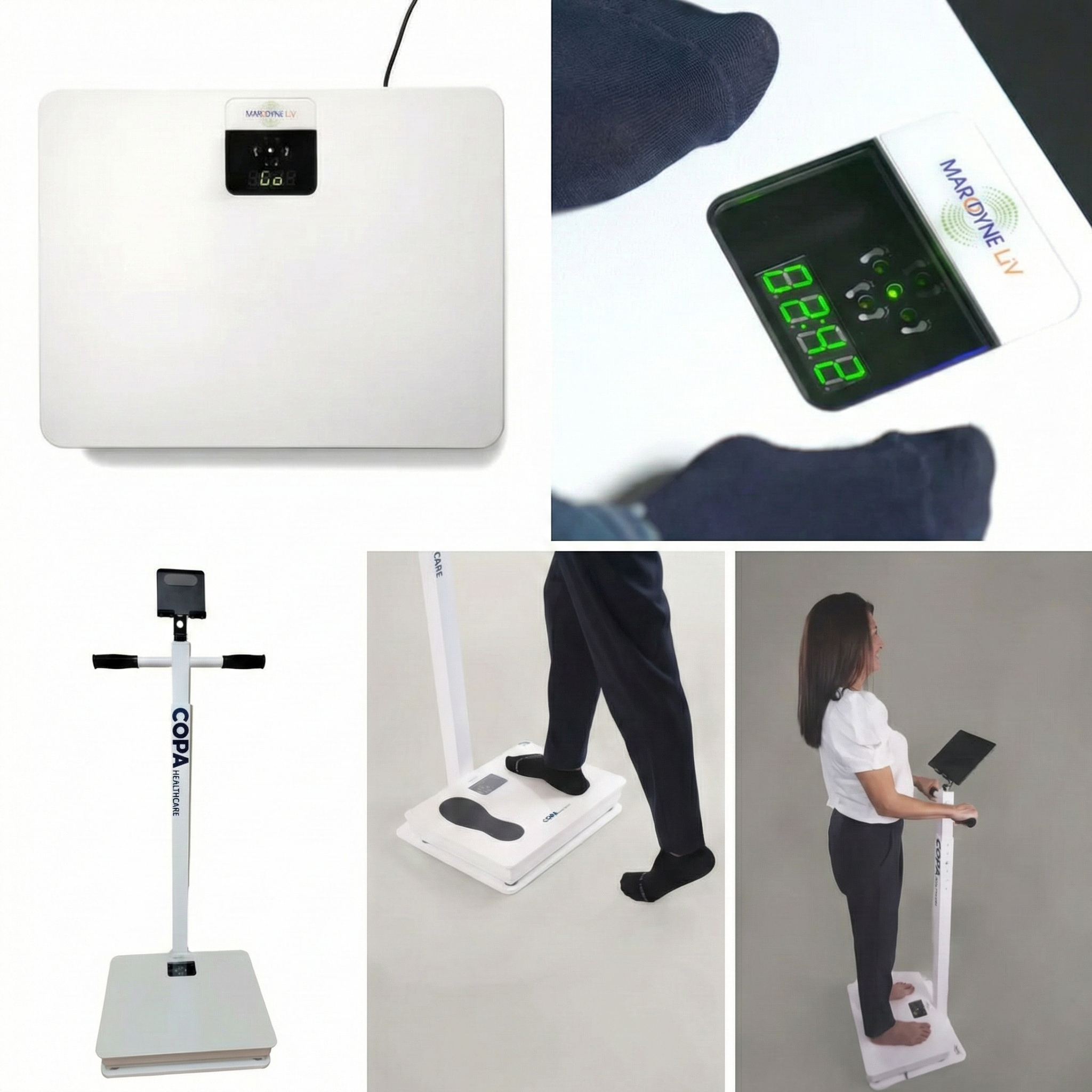
Clinically proven, low-intensity vibration—10 minutes a day to strengthen bone, muscle, and movement safely.
Use code: SB200 for $200 off
Approved Medical Solutions
Your source for Oxalate free Nitric Oxide Supplementation
Non-licensed patients can use code “sbarrett” for a 10% discount.
Licensed practitioners can access the discounts by registering and when at checkout put “podofinquiry” (no space and not case sensitive) in the coupon section.

Ketone
Nitric Oxide
ClearDetox Pro & ClearSleep