Are “exosome therapies” really what they claim to be? Or is the truth even more powerful?
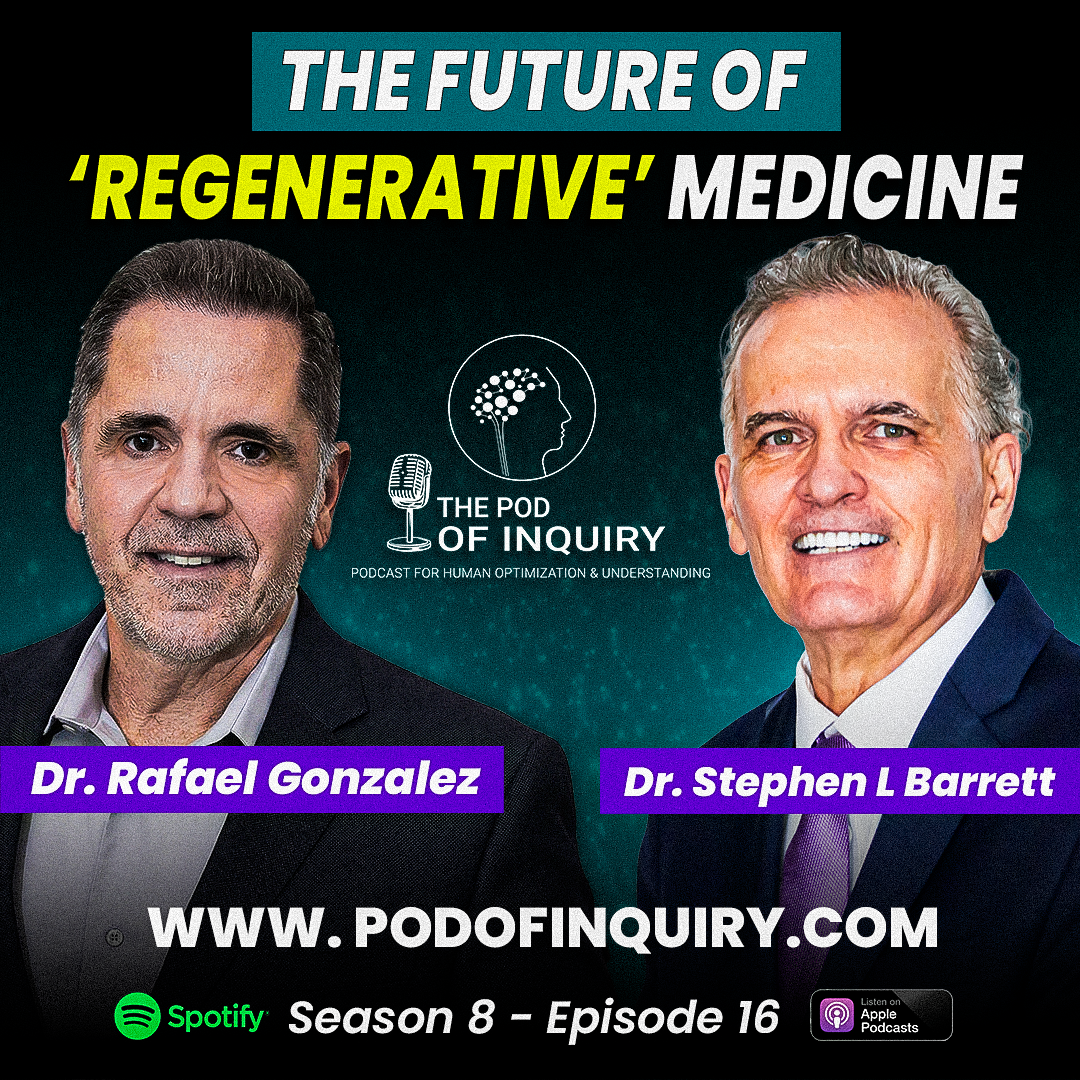
In this episode, we sit down with Dr. Rafael Gonzalez — PhD cell biologist and immunologist — to unpack one of the most misunderstood frontiers in regenerative medicine: secretomes, exosomes, and cell-based therapies.
What you’ll hear may completely change how you view the word “exosome” on a clinic door.
Dr. Gonzalez brings deep scientific insight from his work in spinal cord injury research, immune modulation, and cellular aging — and explains why much of what’s marketed today isn’t what people think… and why that might actually be a good thing. (The Future of Regenerative Medicine)
In This Episode, We Explore:
- Why many “exosome” products in the U.S. are not true exosomes — and what they actually are
- Secretomes vs. exosomes vs. conditioned media (and why the whole system matters more than isolated parts)
- The real role of mesenchymal stem cells — and what actually happens after IV infusion
- How poor lab conditions (like high-glucose media) can age cells just like a bad diet ages humans
- The science behind peptides like BPC-157 and Thymosin Beta-4
- Why the FDA is pushing for stricter standards in regenerative medicine
- Cellular senescence (“zombie cells”) and emerging senolytic skincare breakthroughs
- Where cell therapy is headed in the next 5 years
The regenerative medicine space is evolving fast — but not always transparently. This conversation breaks down the real science vs. marketing hype, giving you a clearer understanding of what’s actually happening at the cellular level.
Healing isn’t about a single molecule — it’s about the entire cellular symphony.
👍 If you enjoy science-backed conversations on longevity, regenerative medicine, and cutting-edge therapies:
Like, subscribe, and share this episode with someone curious about the future of medicine.
Watch The Podcast
Listen to The Podcast
Also available on


Author Biography
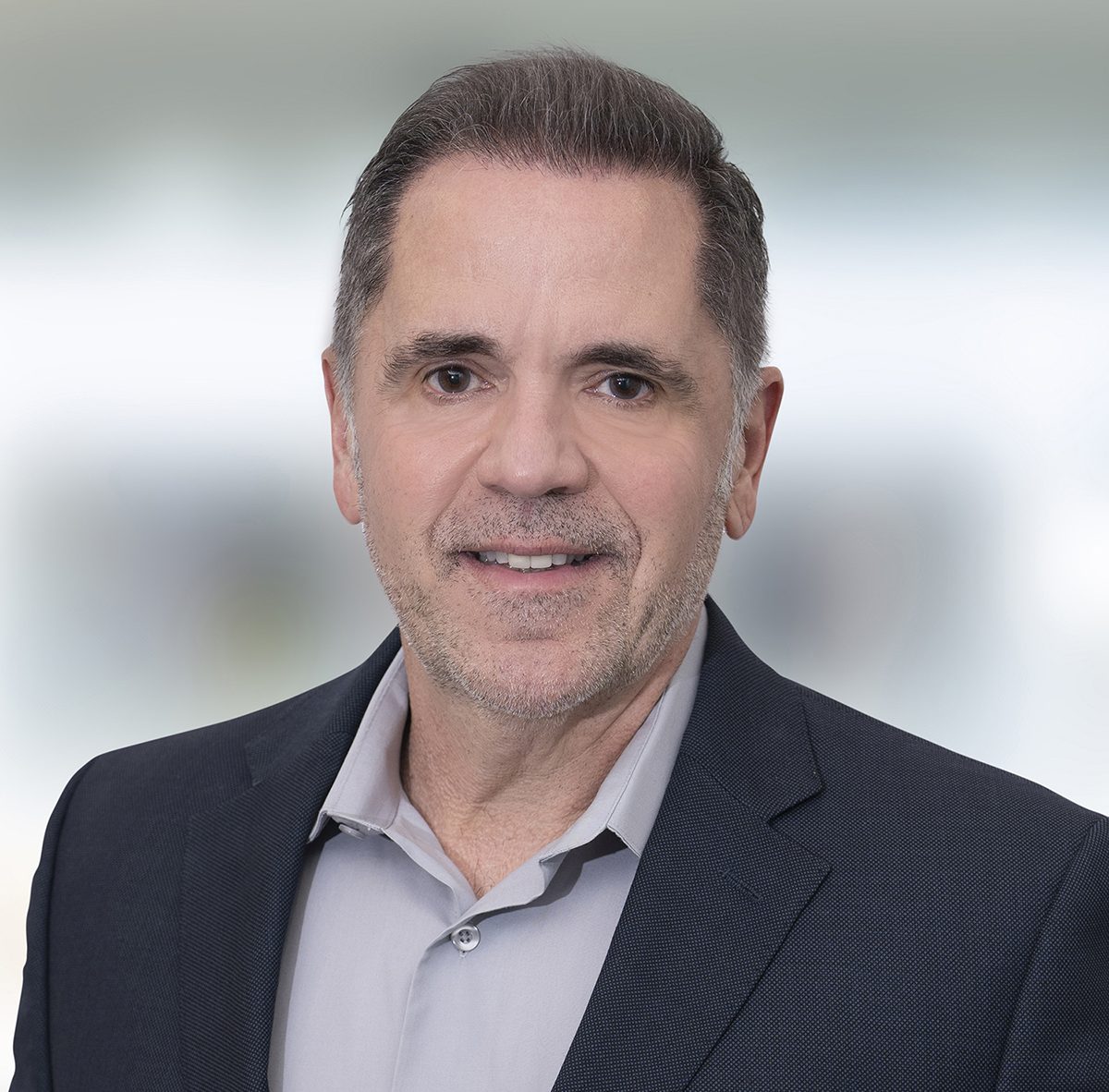
Dr. Rafael Gonzalez
Dr. Rafael Gonzalez is a PhD-trained cell biologist and immunologist with over 20 years of experience in regenerative medicine, cell biology, and immune-based therapies.
He earned his BS and PhD from the University of California, Irvine, where his research focused on immune system interactions following spinal cord injury—sparking his long-standing interest in degenerative disorders and immune modulation.
Dr. Gonzalez has extensive expertise in stem cell culture and biology across multiple sources and has played a key role in developing therapies aimed at improving immune health and addressing age-related conditions. He currently leads multiple investigational new drug (IND) applications involving patented stem cell technologies and is actively involved in the clinical development of immune-based therapies, including natural killer (NK) cell approaches in the context of longevity.
In addition to his clinical and research work, he has developed a regenerative medicine–based topical product that has significantly impacted the cosmetic rejuvenation space. His work also includes extensive research on secretome and exosome-based stem cell products for skin health.
Dr. Gonzalez holds several patents in the field of cell therapeutics and has authored numerous scientific publications. He is also a global educator and speaker, frequently presenting on age-related disorders, immune system optimization, and the role of cell therapeutics in maintaining long-term health.
His current focus centers on optimizing immune function and exploring strategies to slow biological aging—both internally and externally—through advanced regenerative medicine approaches.
Show Notes from this episode
[00:00 – 01:10] Introduction Dr. Barrett introduces Dr. Rafael Gonzalez as a world-class expert in stem cells, exosomes, secretomes, and the cellular mechanics of tissue regeneration and healing.
[01:11 – 03:07] Dr. Gonzalez’s Origin Story — Spinal Cord Injury & the Immune System Dr. Gonzalez traces his entry into cell therapy through his PhD work at the Christopher Reeve Paralysis Foundation. He explains that unlike in peripheral tissues, the immune response in the central nervous system is largely detrimental rather than restorative — sparking his fascination with immune modulation. He notes that virtually every disease has an immune component, and almost all non-genetic diseases are age-associated.
[03:08 – 04:12] A Brief History of Regenerative Products — From PRP to Perinatal Tissues Dr. Barrett shares his own experience starting with platelet-rich plasma around 2001–2002. Dr. Gonzalez outlines the major perinatal product categories — amniotic fluid, amniotic tissue, umbilical cord, cord blood, and placenta — each with distinct advantages and limitations.
[04:13 – 09:09] Adipose vs. Bone Marrow Stem Cells — And Why Perinatal Tissues Are Superior Dr. Gonzalez explains the frequency difference: bone marrow contains roughly one stem cell per million cells by age 40, while adipose tissue yields one per 10,000–100,000. However, both are limited by the patient’s own age and epigenetic history. He describes the umbilical cord lining cell (Wharton’s jelly–adjacent) as the superior cell type — sitting biologically between mesoderm and ectoderm, exhibiting neurological, muscle, fat, cartilage, and bone properties, and maintaining a biological age of approximately 20 years. This age corresponds to peak immune function, making it ideal for modulating autoimmune and chronic inflammatory conditions.
[09:10 – 13:34] Demystifying the Buzzwords: Cells, Secretomes, and Exosomes Dr. Gonzalez clarifies that most “stem cell” products in the U.S. are not true purified, culture-expanded stem cells. He breaks down cellular communication into three tiers: (1) direct cell-to-cell contact via tight junctions, (2) the secretome — everything a cell releases into its extracellular environment, and (3) exosomes — tiny lipid bilayer–protected vesicles roughly 1/1000th the size of a cell, used for long-distance intercellular signaling. He cautions that truly isolated pure exosome products don’t commercially exist; what’s marketed as “exosomes” is almost always conditioned media or a secretome. He notes cancer cells also release exosomes, reinforcing the importance of source cell quality.
[13:35 – 15:01] The Symphony Analogy — Why the Whole Is Greater Than the Parts Dr. Barrett offers the analogy of a solo tuba player vs. a full orchestra to describe the secretome vs. an isolated exosome product. Dr. Gonzalez affirms this completely, referencing his own early spinal cord injury research: targeting the oligodendrocyte alone failed because the entire supportive cellular ecosystem is required for meaningful repair.
[15:02 – 18:21] The Pharma Problem — Single-Pathway Thinking and Its Limits Dr. Barrett argues that commercial pharmaceutical incentives push toward isolating single enzymatic targets — a fundamental mismatch with the complexity of biological systems. He uses Alzheimer’s research as an example: billions spent chasing amyloid or tau protein in isolation, with little clinical return. Dr. Gonzalez agrees, comparing it to taking only one vitamin while deficient in many others — or taking too much of one and creating imbalance.
[18:22 – 22:27] FDA, Active Ingredients, and the Science Behind Responsible Cell Products Dr. Gonzalez describes the mechanistic accountability the FDA now demands from cell therapy manufacturers: specific active ingredients, demonstrated mechanisms of action. He walks through his company’s lead indication (polymyositis/dermatomyositis): extracting patient blood, activating immune cells, adding their cell product, and running full cytokine panels to see what is suppressed or activated. He also explains the critical role of cell feeding regimens — high-glucose media accelerates aging of cells just as a high-sugar diet does in humans — and the targeting of high-molecular-weight hyaluronic acid and collagens 1 and 3 as the most biologically relevant secreted products.
[22:28 – 26:50] MSCs as “Pro-Drug” Delivery Vehicles — The Lung Trap and the Macrophage Mechanism Dr. Barrett asks whether mesenchymal stem cells have been reclassified as carriers rather than direct healers. Dr. Gonzalez confirms this and explains the IV infusion sequence: cells are trapped in pulmonary microvasculature (younger cells ~11 microns, older cells up to 20 microns), where they release secretome and exosomes in response to the local environment — a kind of personalized payload. Macrophages then engulf the dying MSCs, and in a remarkable transformation, shift from pro-inflammatory to anti-inflammatory healers, secreting their own anti-inflammatory secretome. This two-pronged mechanism — direct cell payload + macrophage reprogramming — is where the real therapeutic action occurs. Only ~5% of cells escape the lung to travel to liver, spleen, gonads, and ultimately the brain.
[28:35 – 32:27] BPC-157, Peptides, and Endogenous Healing Activation Dr. Barrett shares a striking clinical case: a 17-year-old with a 2cm posterior tibial tendon rupture that fully closed on ultrasound within three weeks of BPC-157 injection. Dr. Gonzalez explains peptides as ligand-receptor activators — BPC-157 is naturally produced in the gut, declines with age and poor diet, and when reintroduced exogenously, activates cell types primed for healing. He suspects the primary cellular targets are fibroblasts and endothelial progenitor cells rather than MSCs directly, but acknowledges the literature is not definitive.
[32:28 – 33:50] Thymosin Beta-4 — Anti-Fibrotic Effects of Fibroblast Upregulation Dr. Barrett raises a seemingly paradoxical observation from peripheral nerve revision surgery: thymosin beta-4 upregulates fibroblasts yet reduces fibrosis. Dr. Gonzalez explains that fibroblasts are not a monolithic population — different subtypes secrete either healing collagens (types 1 and 3) or fibrotic collagens (types 9 and 10), and the signaling environment determines which phenotype dominates.
[33:51 – 38:30] Topical Secretome Therapy — Skin Penetration Without Procedures Dr. Gonzalez discusses his team’s work developing a topical secretome product enriched in high-molecular-weight hyaluronic acid and collagens 1 and 3, including naturally occurring antimicrobial beta-defensins. Originally assumed to require microneedling or radiofrequency to penetrate the skin, in vivo pig model studies demonstrated the product penetrates on its own, remodeling the extracellular matrix, reducing senescence, and shifting inflammatory markers — even without procedural assistance.
[38:31 – 41:25] Cellular Senescence Explained — The Zombie Cell Problem Dr. Gonzalez explains senescence as cells that have exhausted their division capacity, occupy space, and secrete a damaging “senescence-associated secretory phenotype” (SASP) that spreads the aging signal to neighboring cells — a zombie effect. He describes his published 2022 work using natural killer cells to selectively eliminate senescent immune cells, triggering endogenous healing. The topical secretome product also appears to have senolytic activity in the skin, clearing zombie cells and stimulating fresh fibroblast recruitment.
[41:26 – 45:11] The Future of Cell Therapy — Five Years Out Dr. Gonzalez predicts that combinations of immune-modulating therapies — not single-pathway drugs — will define the next era of medicine. He anticipates FDA approval for their lead autoimmune cell therapy within a couple of years. He emphasizes the importance of accurate diagnostics including epigenetic testing, and returns to fundamentals: diet, sleep, breathing, grounding, and sauna all have meaningful evidence bases and are accessible today.
[43:36 – 45:11] The Canvas Analogy — Lifestyle as the Foundation Dr. Barrett ties it together: even the best cell therapy cannot overcome a body poorly prepared by lifestyle neglect — “you can have the best painter in the world, but give them a horrible piece of canvas.” Both agree that GLP-1 agonists like Ozempic miss the point if patients use them as a substitute for foundational habits, with Dr. Gonzalez referencing his experience presenting the Prolon fast-mimicking diet to a room that laughed off lifestyle changes in favor of injections.
[45:12 – 45:37] Closing Dr. Barrett thanks Dr. Gonzalez for his expertise and expresses excitement about the next five years of regenerative medicine.
Sponsors Of The Episode

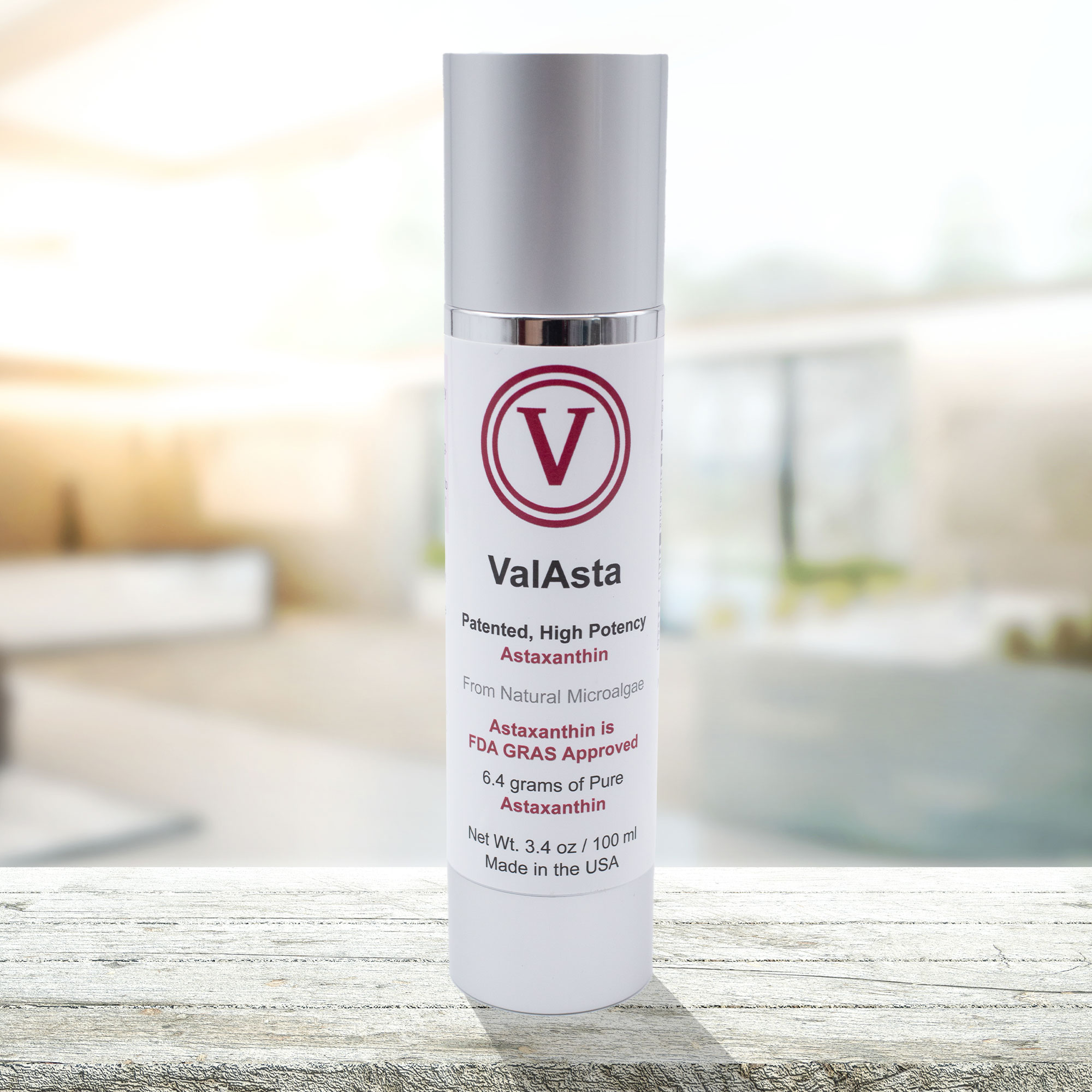
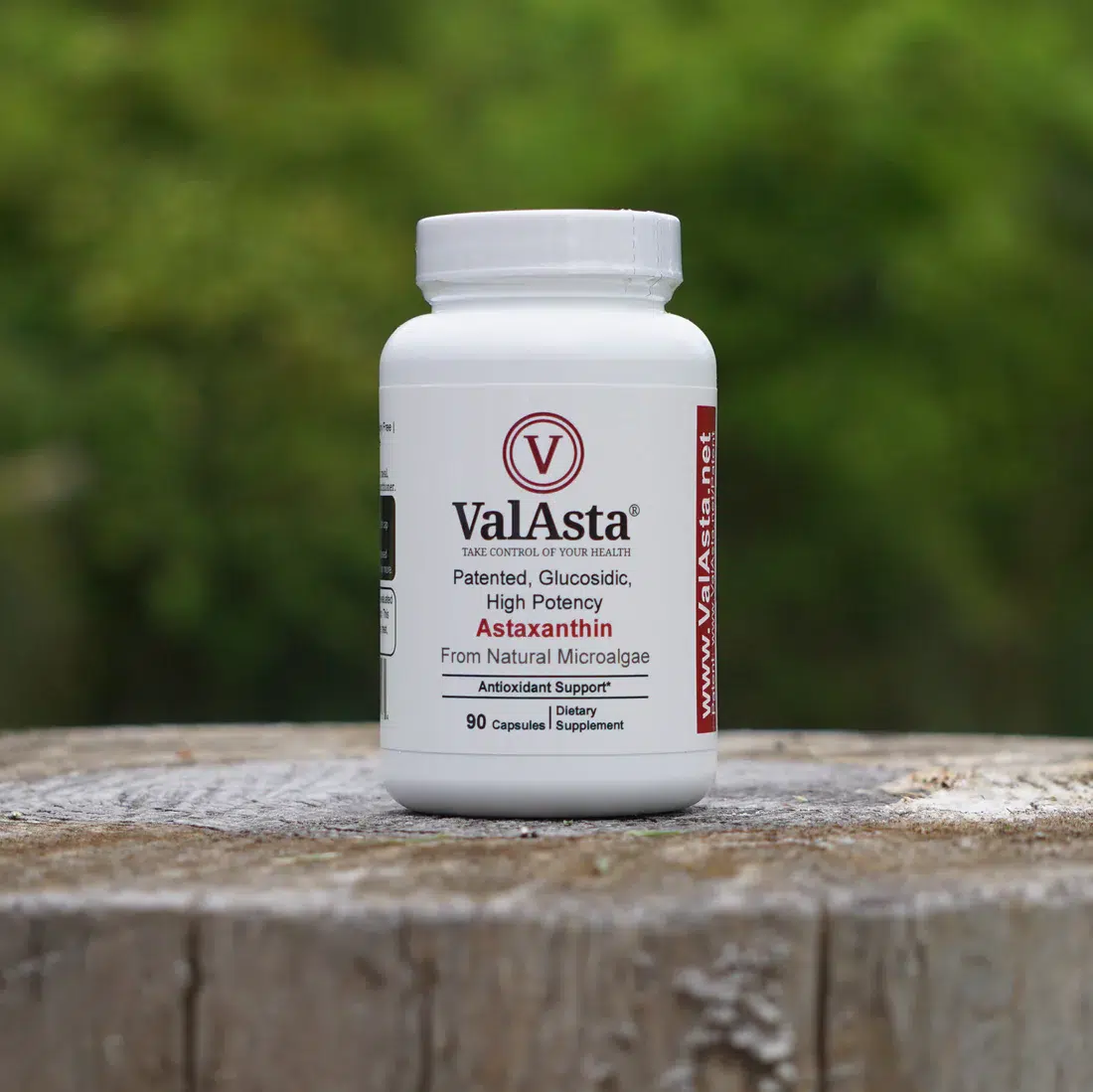


BBACK US
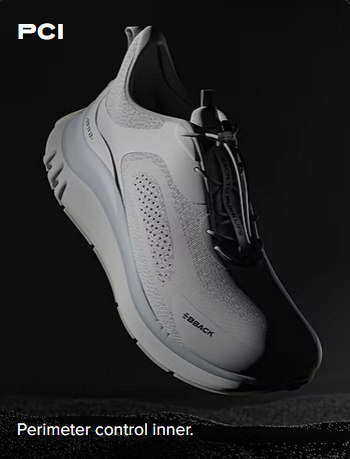
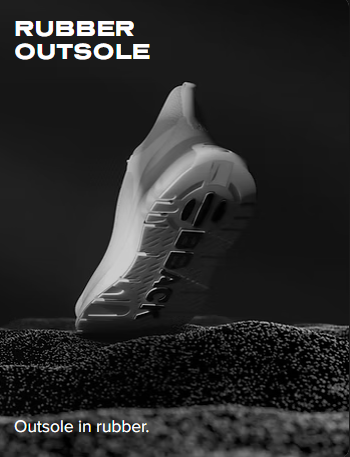
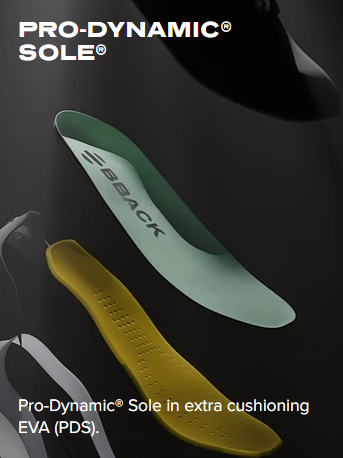
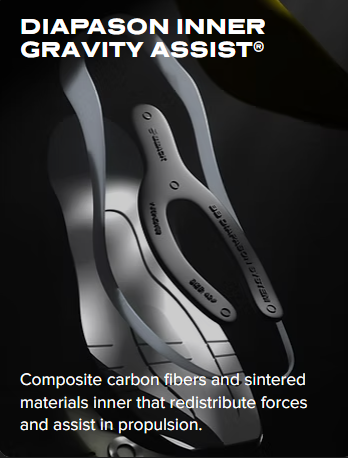
BBACK is a balance shoe that improves movement and makes each step easier.
PRO-DYNAMIC® tech supports natural motion, reduces pressure, and aids circulation.
Use code: POI10 for 10% off your order

Approved Medical Solutions
Your source for Oxalate free Nitric Oxide Supplementation
Non-licensed patients can use code “sbarrett” for a 10% discount.
Licensed practitioners can access the discounts by registering and when at checkout put “podofinquiry” (no space and not case sensitive) in the coupon section.
Ketone
Nitric Oxide
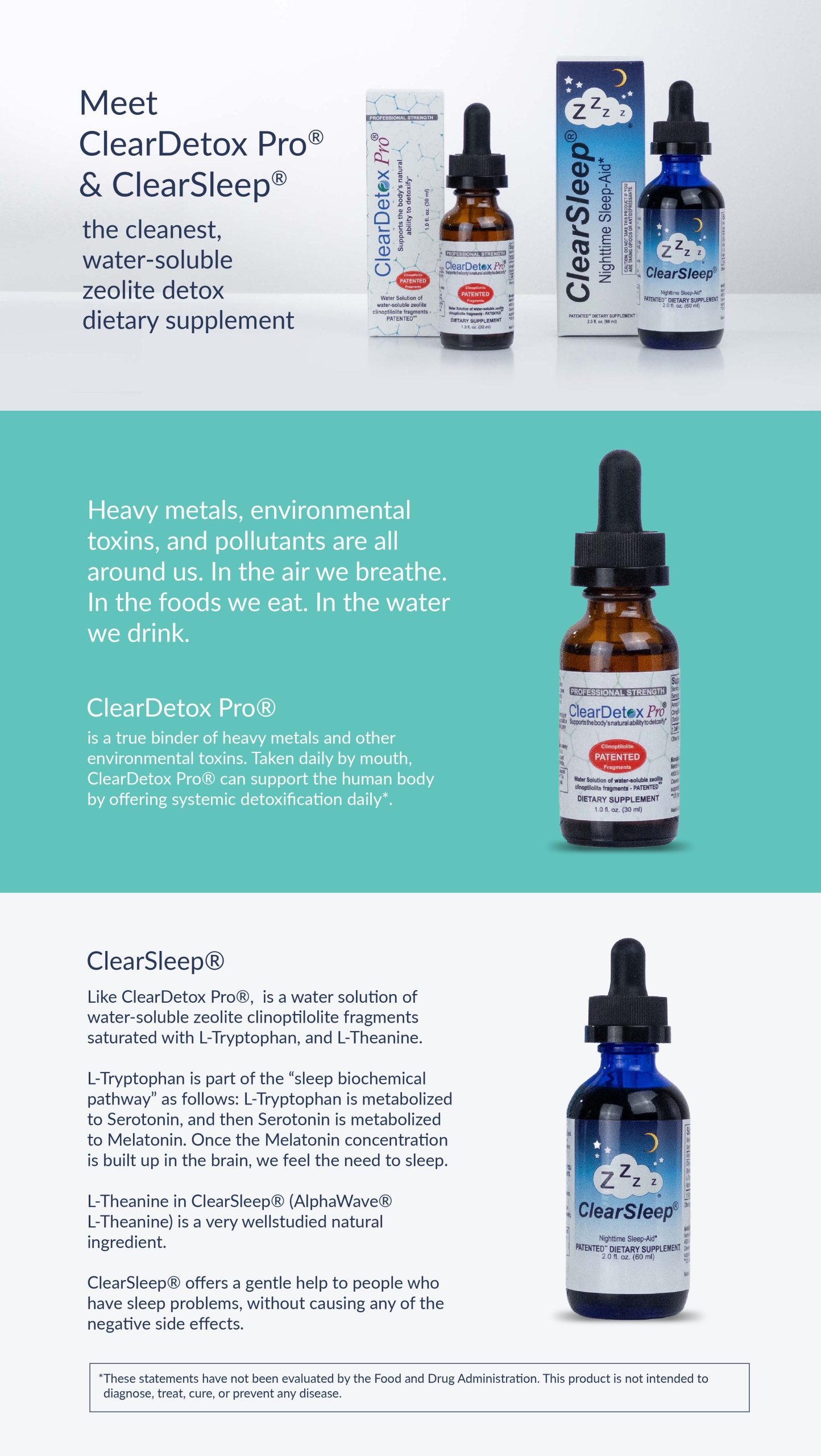
ClearDetox Pro & ClearSleep
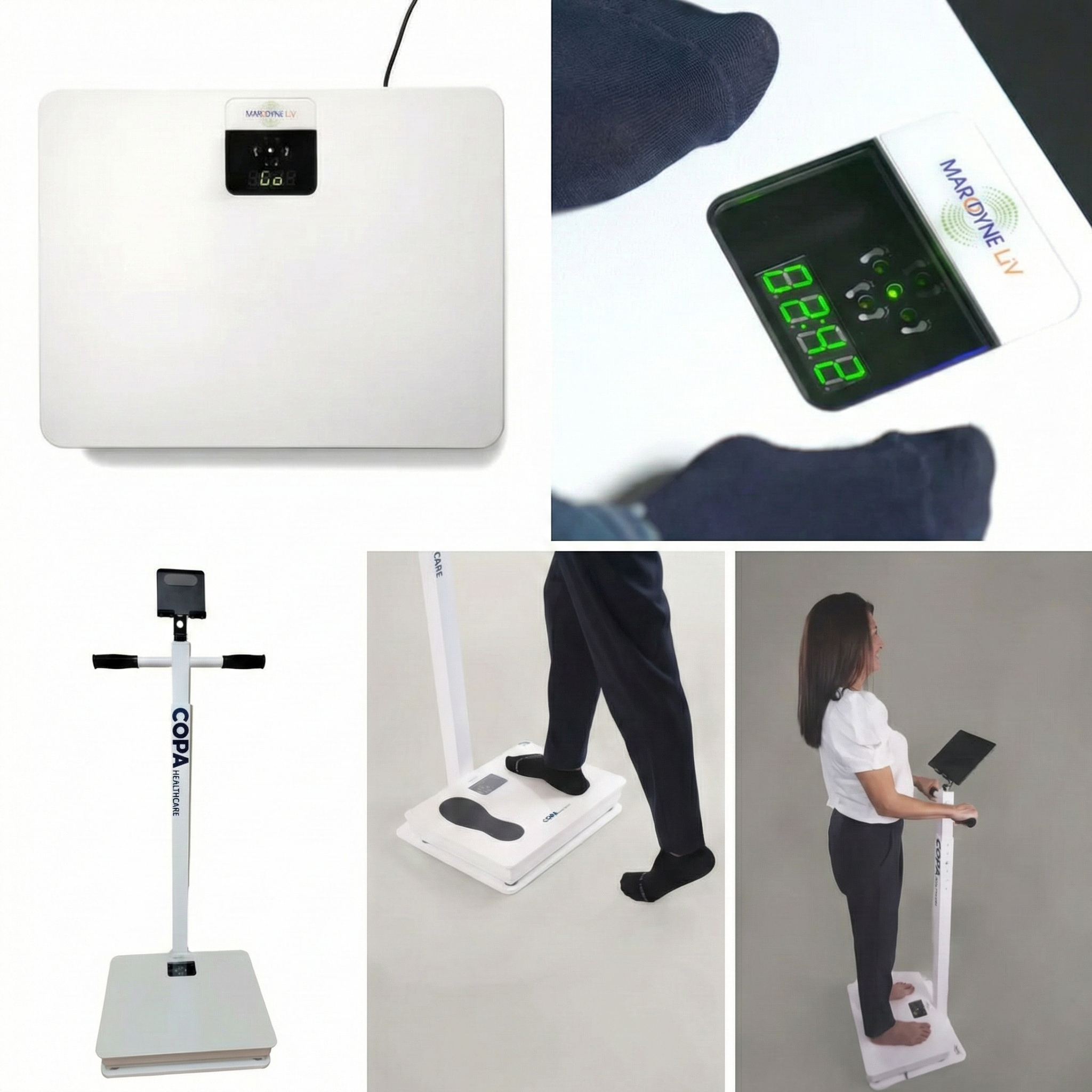
Marodyne LiV
Clinically proven, low-intensity vibration—10 minutes a day to strengthen bone, muscle, and movement safely.
Use code: SB200 for $200 off