What if the hardest part of caregiving… is that no one prepares you for it?
In this deeply personal episode, I share my experience losing my mother to Alzheimer’s disease—and the reality that even with medical knowledge and resources, nothing truly prepares you for what’s ahead.
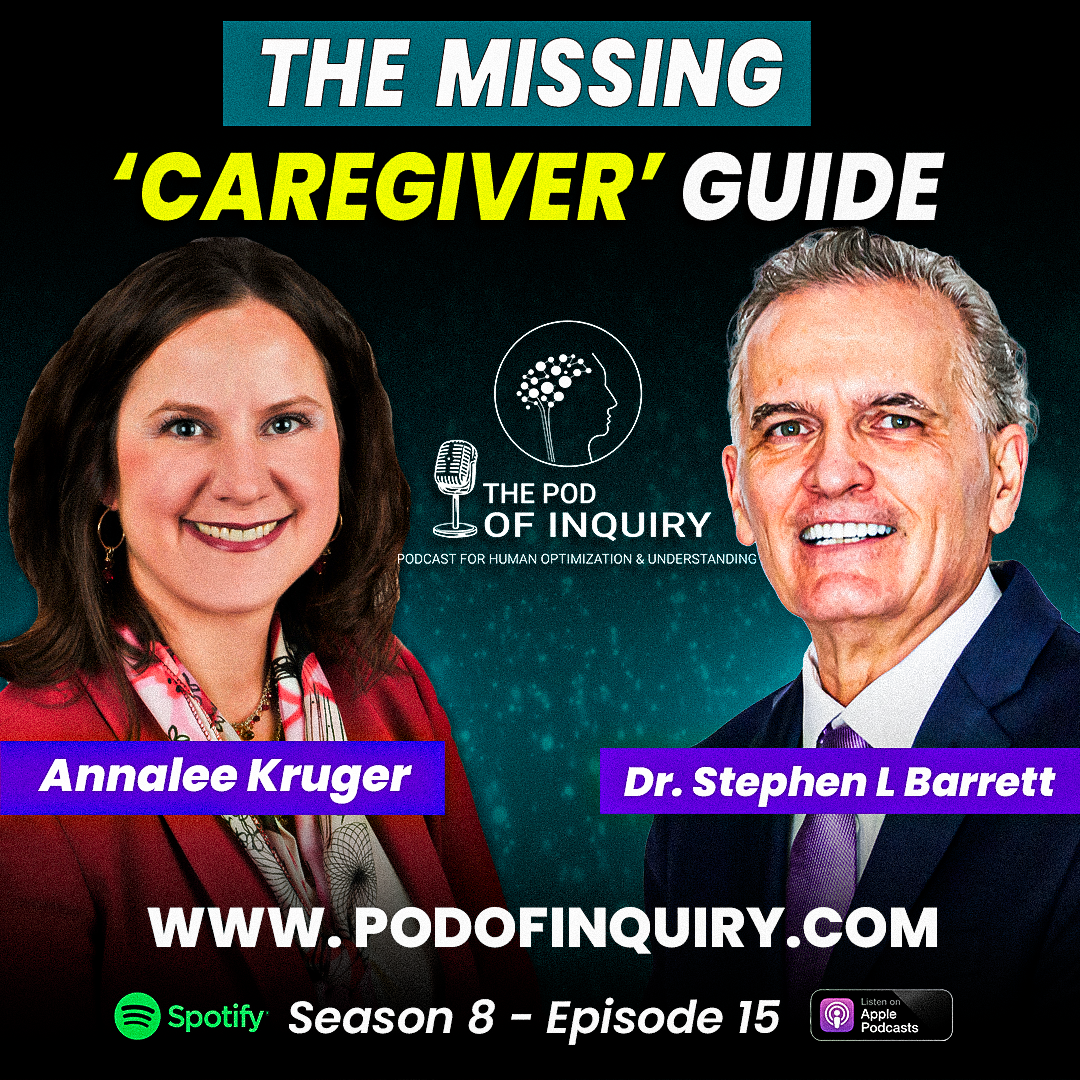
Then I sit down with Annalee Kruger—a senior care expert who has worked with over 20,000 families and author of The Invisible Patient—to uncover what every family needs to know before crisis hits. (The Missing Caregiver Guide)
In This Episode, You’ll Learn:
- Why most families enter caregiving in full crisis mode
- The Care Matrix: how to plan care, finances, and legal decisions early
- The “sweet spot” for memory care placement
- Hidden risks in hospitals and long-term care facilities
- The emotional and financial toll caregivers silently carry
- Why the most overlooked patient… is the caregiver
Over 65 million people are family caregivers—and many don’t even realize it.
If you’re helping a parent with medications, appointments, or daily life… this is for you.
This episode is not just information—it’s a lifeline.
📌 If you have aging parents, don’t wait:
Set up essential documents like Power of Attorney, Living Will, and Healthcare Proxy before you need them.
📌 Connect with Annalee Kruger and learn more about caregiving support.
If this resonates, share it with someone who needs it.
Because no caregiver should have to figure this out alone.
Watch The Podcast
Listen to The Podcast
Also available on


Author Biography
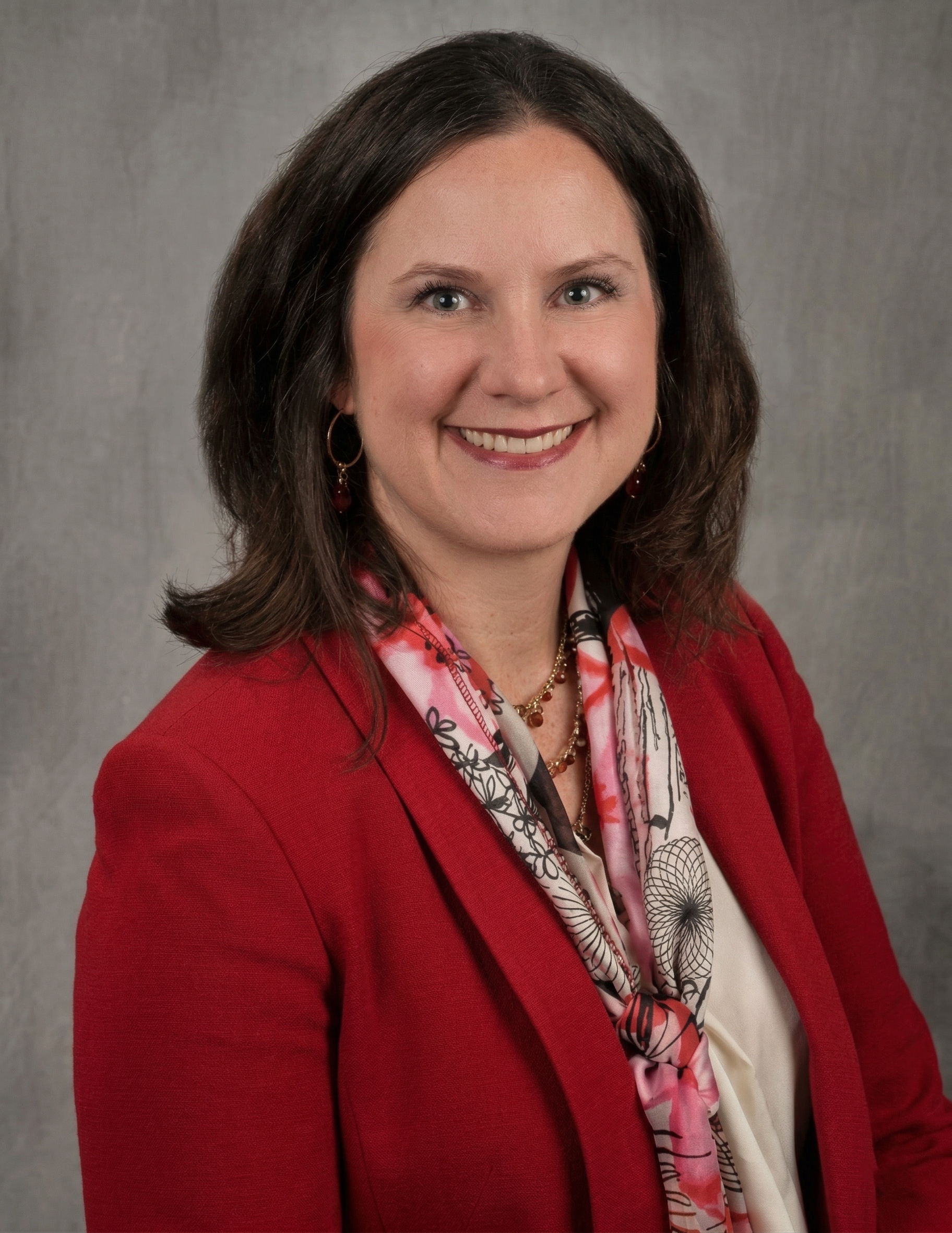
Annalee Kruger
Annalee Kruger is a national speaker, author, and founder of Care Right Inc., a virtual consultancy established in 2011 to help families navigate the emotional, financial, and logistical challenges of aging. After more than two decades in senior living leadership, Annalee saw how unprepared most families were for aging-related crises and made it her mission to guide them proactively—before burnout or emergencies occur.
Through Care Right, Annalee helps families nationwide develop customized Aging Plans, improve communication, and make informed decisions about dementia care, home safety, and long-term care options. She has partnered with over 30+ wealth management firms, training advisors to become Elder Planning Specialists and equipping them to better serve aging clients and caregivers.
Annalee is also the creator of the Aging Strategy Coaching Academy (ASCA), the first global program to comprehensively train professionals in aging, dementia, caregiving, and end-of-life topics. Her work extends to corporate and healthcare training, leadership development, and Visionary Consulting—helping organizations add value, culture, and relevance in the aging services space.
She is the author of The Invisible Patient: The Emotional, Financial, and Physical Toll on Family Caregivers and founder of the Care Right Family Caregiver Solutions community and Care Crusade campaign.
At the heart of all Annalee’s work is one mission: to help families and their aging loved ones age as successfully—and intentionally—as possible.
Show Notes from this episode
00:00 – Host Introduction
- Dr. Barrett introduces Annalee Kruger and her book The Invisible Patient, which examines the profound trials of caregiving and navigating long-term memory care
- Dr. Barrett shares a personal connection: he cared for his own mother through Alzheimer’s before her passing in March 2021
- Framing: while there is often no cure for the patients, the episode is designed to empower family caregivers to navigate the journey with greater confidence and fewer missteps
01:21 – Guest Background: 26+ Years in Senior Care
- Annalee Kruger grew up on a farm in Iowa during the 1970s — a time before assisted living and home care existed — where multiple generations lived under one roof
- That formative experience shaped her career: she spent 26+ years as a social worker, admissions director, and eventually Executive Director at Continuing Care Retirement Communities (CCRCs)
- Recurring pattern across decades of practice: families arriving in crisis mode — exhausted, overwhelmed, uninformed — handed a list of facilities by a hospital discharge planner with a noon-tomorrow deadline
- Families routinely didn’t understand dementia, didn’t know what questions to ask during tours, assumed Medicare/Medicaid covered everything, and had no legal documents in place
02:59 – Why She Left Corporate America and Founded Care Right Inc.
- In 2011, after years of exceeding her allotted “minutes per patient per day” because families needed so much more, Annalee left corporate healthcare to start Care Right Inc. — a virtual consultancy
- Going virtual was forward-thinking: by 2011, adult children no longer lived near aging parents, making in-person support impractical across the country
- Core services: family mediation (85% of her week), the Grab and Go Binder (a comprehensive emergency document organizer), and customized aging plans
- Key stat: 92% of families arrive in full crisis mode — already at a decision point where what they’re doing is “no longer safe, sustainable, or affordable”
07:45 – The Case for Proactive Aging Planning
- Dr. Barrett draws the parallel to preventive medicine: the best disease to treat is the one you prevent
- Annalee’s practical guidance for families who still have time:
- Stop the denial — families often recognize the signs but avoid acting on them
- Obtain formal diagnosis and testing; understand what disease you’re actually dealing with
- Get legal documents in order while capacity still exists: Power of Attorney, Living Will, DNR, Healthcare Proxy
- Create a Care Matrix — mapping current care options, all family members’ locations, financial runway, and which care communities the patient qualifies for (financial, physical, and cognitive qualification are all required)
- Critical warning: 24/7 home care can cost $30,000/month — if families don’t plan financially, they risk running out of funds and losing options entirely
12:07 – Dr. Barrett’s Personal Story: His Mother’s Alzheimer’s Journey
- Dr. Barrett’s mother showed clear signs roughly 3 years before her death; even with a strong neurological background, he found himself in denial early on
- Key moment: a call from his mother’s singing group alerting him she was hitting curbs while driving — the mechanic had already flagged it twice
- Navigating the car conversation: taking away a parent’s keys is devastating to their independence and often accelerates decline, but it is a necessary step
- Geographic complexity: Indiana vs. Georgia care options were dramatically different — ultimately, Dr. Barrett moved his mother back to Indiana for better and more affordable care
- State-by-state variation in Medicaid coverage, facility standards, and eldercare resources is a reality families must research ahead of time
14:07 – The Care Matrix Explained
- The Care Matrix outlines current options alongside future contingencies: home care, adult day care, geriatric care managers, assisted living, memory care, and skilled nursing
- Timing matters enormously: there is a sweet spot to make the move into a care community — too early and the family may struggle to justify it emotionally; too late and the patient may not qualify physically or cognitively
- Facilities financially qualify residents — they want patients who can privately pay for a meaningful period
- Key nuance for rural families: in some areas, appropriate care options simply don’t exist locally, which must factor into the plan
17:43 – Annalee’s Personal Story: Her Mother’s Decline and the Pandemic
- Annalee’s mother had mild cognitive impairment; the family was fortunate — her mother was cooperative and willing to be tested
- Gradual warning signs: her father noticed her mother paying the AT&T bill multiple times a month — anything that arrived from AT&T was treated as a bill to pay
- The school bus accident (May 3, 2012): While helping an elderly gentleman across the street in Sheboygan, Wisconsin, Annalee was struck in the face by a distracted school bus driver and flew 15 feet
- She regained consciousness and immediately recited her name, birthdate, allergies (penicillin and sulfa), and DNR status to bystanders — then produced her Living Will, Healthcare Power of Attorney, and DNR from her bag
- The paramedic said in 30 years she had never seen anyone produce their documents at the scene
- Her backpack prevented her head from hitting the curb
- The accident required her to recover on the family farm in Iowa — and it was only by staying with her parents that she saw how far her mother’s dementia had progressed, since patients can “cover” effectively during short visits
24:11 – Legal Documents, Power of Attorney, and State-by-State Chaos
- Dr. Barrett shares: engaging a healthcare attorney early — while his mother still had legal capacity — was one of the most important things he did
- Power of Attorney without capacity is unobtainable; families who wait too long find themselves unable to access accounts, make decisions, or transfer care
- Annalee: families must also understand that their documents may need to transfer across state lines, and compliance and enforceability vary significantly by state
26:37 – Physical and Psychological Trauma as Dementia Accelerators
- A critical clinical insight: physical trauma (a fall, a broken hip, a stroke) can push a dementia patient from one stage to the next overnight
- Annalee’s mother’s trajectory: after a leg buckle and broken shoulder, she immediately began sundowning — pacing, repetitive questions, and reversed day/night cycles; she had to be taken to the bathroom every hour due to Lasix for edema
- Two weeks after her mother’s admission to memory care, the COVID-19 pandemic hit and the facility shut its doors to family
- The pandemic’s brutal impact on memory care:
- Facilities locked patients in their rooms
- Staffing turnover was catastrophic — Annalee’s facility cycled through six Executive Directors and six Memory Care Directors in 18 months
- Many care workers did not speak or read English — yet care plans, diet sheets, and medication protocols were all in English only
- The result: medication errors, dietary errors, and preventable deaths
29:58 – How Annalee’s Mother Died
- Annalee’s mother choked to death after facility staff served her chicken with bones — a violation of her prescribed mechanical soft diet
- Dr. Barrett provides clinical context: choking, aspiration pneumonia, urinary tract infections, and blood clots are among the most common causes of death for late-stage Alzheimer’s patients — not the neurodegeneration itself
- Annalee describes pandemic grief as a category apart: she was unable to be at her mother’s bedside — there was no hand-holding, no singing (her mother was a Sweet Adeline), no final moments
- The nurse’s words when she called: “Your mom is dead on the dining room floor.”
- Grief bursts: years later, walking into a grocery store evacuated for a hurricane and seeing the front display of sunflowers — how they had decorated her mother’s memory care room — brought her to her knees
33:01 – Elder Abuse and the Care Crusade
- Motivated by her mother’s death, Annalee founded the Care Crusade: the principle that every family and vulnerable adult deserves care by properly trained, properly managed, and properly supervised caregivers
- What was happening to her mother at the facility: staff were removing her walker and placing it in the bathroom across the room — allegedly to keep her from wandering — causing repeated falls
- After six months of advocacy, Annalee finally received approval from the fourth Executive Director to install a room camera
- What the camera revealed: the walker was routinely taken; workers with no training or common sense had no accountability without oversight
- The blocking tactic: once the camera was installed, staff began sending three workers into the room and having two stand in front of the camera
- Annalee’s response: she kept the camera app open 24/7 (“Mom TV”) and spoke through it in real time to ask workers to step aside
38:47 – Falls, ER Trauma, and the Healthcare System’s Dementia Gap
- Once the walker was left in reach: no more falls
- Dr. Barrett: falls are among the leading causes of mortality in adults over 65, and carry enormous healthcare system costs beyond the immediate physical injury
- A critical care gap: emergency departments are not trained to interact with dementia patients
- Staff barge in, apply monitoring leads, undress patients, and perform procedures without introducing themselves or explaining what is happening
- This causes catastrophic reactions — combative behavior and acute distress in a patient who is already disoriented by the loud, cold, unfamiliar ER environment
- Proper technique: slow, calm approach; introduce by name; narrate each action before doing it
- The loneliness of patients without local advocates: a memory-impaired patient admitted to the ER alone cannot provide their own history, medications, or identify their physician
42:39 – Healthcare Worker Burnout and the Post-Pandemic Staffing Crisis
- The pandemic permanently depleted the pool of quality, compassionate healthcare workers from long-term care settings
- The competing offer: Home Depot pays a comparable wage, offers an 8-hour shift, and comes home without carrying the emotional weight of memory care
- The culture of many care communities has not recovered; leadership instability drives floor-level chaos
42:56 – The Invisible Patient: The Book and Where to Find It
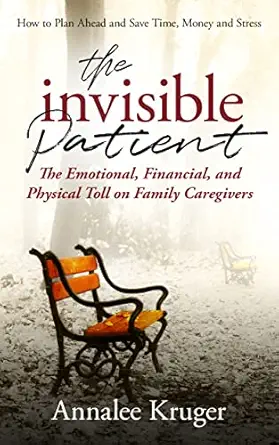
- The Invisible Patient: The Emotional, Financial and Physical toll on Family Caregivers — written for adult children and families navigating the caregiving journey
- Why the title: every family caregiver feels alone — the person asking “how’s dad?” never asks “how are you doing?”
- The lonely park bench on the cover: a visual metaphor for isolation in the caregiving role
- Financial toll statistics:
- The typical adult child spends ~$15,000 in emergency airfare alone in the year before working with Care Right Inc. on a plan
- Most adult children spend 20–40 hours per week either providing hands-on care or in active worry about whether a parent is safe
- Book contents: DIY aging plan guidance, Grab and Go Binder essentials, dementia education, and how to vet and interview senior care consultants (warning: the field is now populated with under-qualified consultants chasing fees)
- Find Annalee: Care Right Inc. website or LinkedIn under Annalee Kruger
45:39 – Closing Reflections
- Dr. Barrett: “The poor patient with Alzheimer’s dies twice — first their cognitive death, and then their physical death.”
- Annalee closes with the love letter to her mother that opens The Invisible Patient — and offers it as proof to every reader that they are not alone
- The hardest part of caregiving ending: when the caregiver role is suddenly gone, there is a profound identity loss — “It is hard to find yourself again”
49:28 – Legal Disclaimer
- Pod of Inquiry is designed for informational purposes only and does not constitute medical or surgical consulting advice, nor does it imply development of any physician-patient relationship
- Podcast is owned by Barrett Medical and Surgical Media LLC
- Guests are not vetted by the Pod of Inquiry for their qualifications and may have direct or indirect financial interests in topics discussed
- Listeners are responsible for performing their own due diligence prior to implementing any ideas, products, or techniques discussed on the show
Sponsors Of The Episode










BBACK US
BBACK is a balance shoe that improves movement and makes each step easier.
PRO-DYNAMIC® tech supports natural motion, reduces pressure, and aids circulation.
Use code: POI10 for 10% off your order





Approved Medical Solutions
Your source for Oxalate free Nitric Oxide Supplementation
Non-licensed patients can use code “sbarrett” for a 10% discount.
Licensed practitioners can access the discounts by registering and when at checkout put “podofinquiry” (no space and not case sensitive) in the coupon section.

Ketone
Nitric Oxide
ClearDetox Pro & ClearSleep


Marodyne LiV
Clinically proven, low-intensity vibration—10 minutes a day to strengthen bone, muscle, and movement safely.
Use code: SB200 for $200 off