What if your food scraps weren’t waste… but one of the most powerful tools for improving soil, food quality, and even human health?
In this episode, we sit down with Dr. Lanette Sobel — Doctor of Plant Medicine and founder of Fertile Earth, one of the largest worm farming and commercial composting operations in South Florida. Nicknamed the “Queen of Composting” by the Miami Herald, she breaks down the hidden science behind soil, waste, and regeneration.
This conversation goes far beyond composting — into environmental medicine, food systems, and how the health of our soil directly impacts our own. (Turn Food Waste into Soil Gold)
In This Episode, We Cover:
- Why soil is alive — and dirt isn’t
- How to start a simple worm bin at home 🪱
- The shocking reality of landfills (methane, leachate & more)
- PFAS chemicals hiding in “compostable” packaging
- Why mulch acts as a powerful biofilter
- The strange (and brutal) world of flatworms
- The link between pesticides and health risks
If you’ve ever thrown food in the trash without thinking twice, this episode might completely change your perspective.
Favorite quote:
“It ain’t waste until we waste it.”
🎧 Tune in now and rethink what “waste” really means.
Watch The Podcast
Listen to The Podcast
Also available on


Author Biography
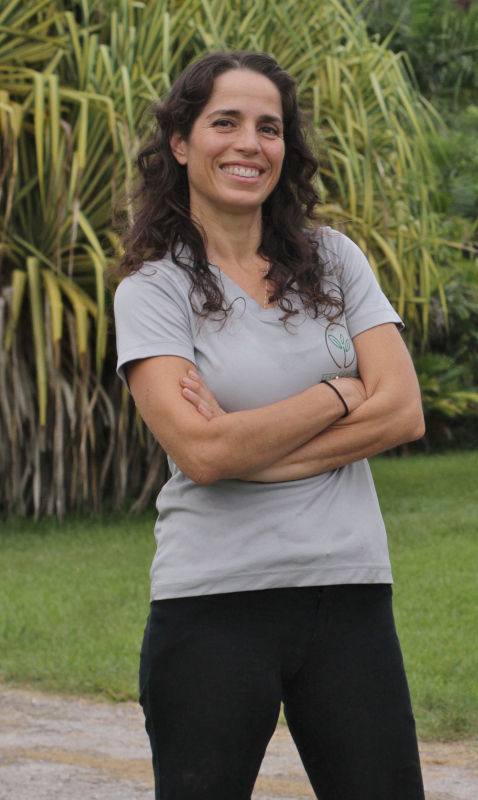
Dr. Lanette Sobel
“Miami’s Compost Queen,” Dr. Sobel is a certified permaculturist and a certified commercial composter. As founder and CEO of Fertile Earth Worm Farm, she has set the standard for compost farms throughout South Florida and trailblazed commercial composting in the private sector alongside multiple forward-thinking clients, including The Miami Heat, Miami Marlins, Pura Vida, Baptist Health, Chipotle, and many others.
Dr. Sobel is currently working on a study with the Miami-Dade Department of Solid Waste Management to help establish composting guidelines and regulations for the county, in addition to being involved in a year-long pilot program with Miami-Dade County Public Schools.
Fertile Earth is also involved in establishing large-scale, central-hub composting collection sites for residents throughout Miami-Dade County, as part of the Everglades Earth Cycle program.
In 2018, Dr. Sobel earned a master’s degree in forest pathology and a doctorate in plant medicine (University of Florida). In 2021, Dr. Sobel joined the faculty at Earth & Life University in Mexico, teaching the world’s first Spanish-language doctoral-level course on circular economies. In 2022, she was appointed to the board of the South Dade Soil & Water Conservation District, a quasi-governmental non-profit.
Show Notes from this episode
[00:00] — Introduction & Guest Overview
Dr. Barrett introduces Dr. Lanette Sobel, describing her as a Doctor of Plant Medicine who operates one of the largest worm farms in southern Florida, possibly the United States. He frames the episode around regenerative farming, composting, and environmental management — and notes the DPM distinction: Doctor of Plant Medicine, not Podiatric Medicine.
[01:11] — How Dr. Sobel Fell Down the Worm Rabbit Hole
Dr. Sobel shares her unlikely path into worm farming. She started in pre-vet, switched to a Bachelor’s of Commerce concentrating in finance and management information systems, and freely admits she used to kill houseplants. Her entry into sustainability came in 2007 through consulting for hotel greening initiatives. As a visiting researcher at Florida Atlantic University under Dr. Daniel Mira — an expert in best management practices for hotels — she was introduced to composting as a core sustainability tool, and never looked back.
[02:04] — Soil vs. Dirt: The Foundational Distinction
Dr. Barrett references a prior podcast guest’s claim that more microbes exist in a teaspoon of soil than people on the planet. Dr. Sobel affirms and expands: dirt is dead — just sand, silt, and clay — while soil is alive, teeming with microbes, micro- and macro-arthropods, nematodes, bacteria, and worms. This distinction becomes the philosophical foundation of the entire conversation.
[03:21] — The Biology of Earthworms: Habitat, Reproduction & Species Selection
An engaging deep-dive into worm biology:
- Earthworms breathe through their skin and require consistent moisture — too dry and they suffocate; too wet and they need oxygen in the water to survive.
- They prefer temperatures similar to humans — roughly 60–90°F.
- Earthworms are hermaphrodites. They join their clitellums (the visible “collar”) and exchange sperm, each fertilizing their own eggs.
- Sobel divides earthworms into two groups: garden worms and composters. For composting, about 8 species are typically used; the most popular is the red wiggler (Eisenia fetida).
- Indian blues (Perionyx excavatus) perform well in tropical climates like Miami but can “skip battle” unpredictably, making red wigglers the more manageable choice for beginners.
[11:42] — Getting Started at Home: Sourcing Worms & Building a Worm Bin
Dr. Sobel walks through the essentials for a residential vermicomposting setup:
- Purchase red wigglers (not random backyard worms or typical night crawlers). Worm prices have surged from $25/lb pre-COVID to $60/lb — a market signal of massive demand growth.
- Provide bedding: shredded paper, shredded cardboard, or preferably coconut coir (the husk of a coconut, fluffy and worm-friendly).
- Bury food scraps under the bedding — never leave food exposed, which attracts fruit flies that cannot burrow.
- Start with 1 pound of worms and get comfortable. At Fertile Earth, 5 pounds grew to 3 million worms over 4–5 years — roughly 1,000 worms per pound.
- Recommended reading: Worms Eat My Garbage by Mary Appelhof — a quick, practical primer on worm biology and care.
[16:11] — Sponsor Break: ValAsta Astaxanthin
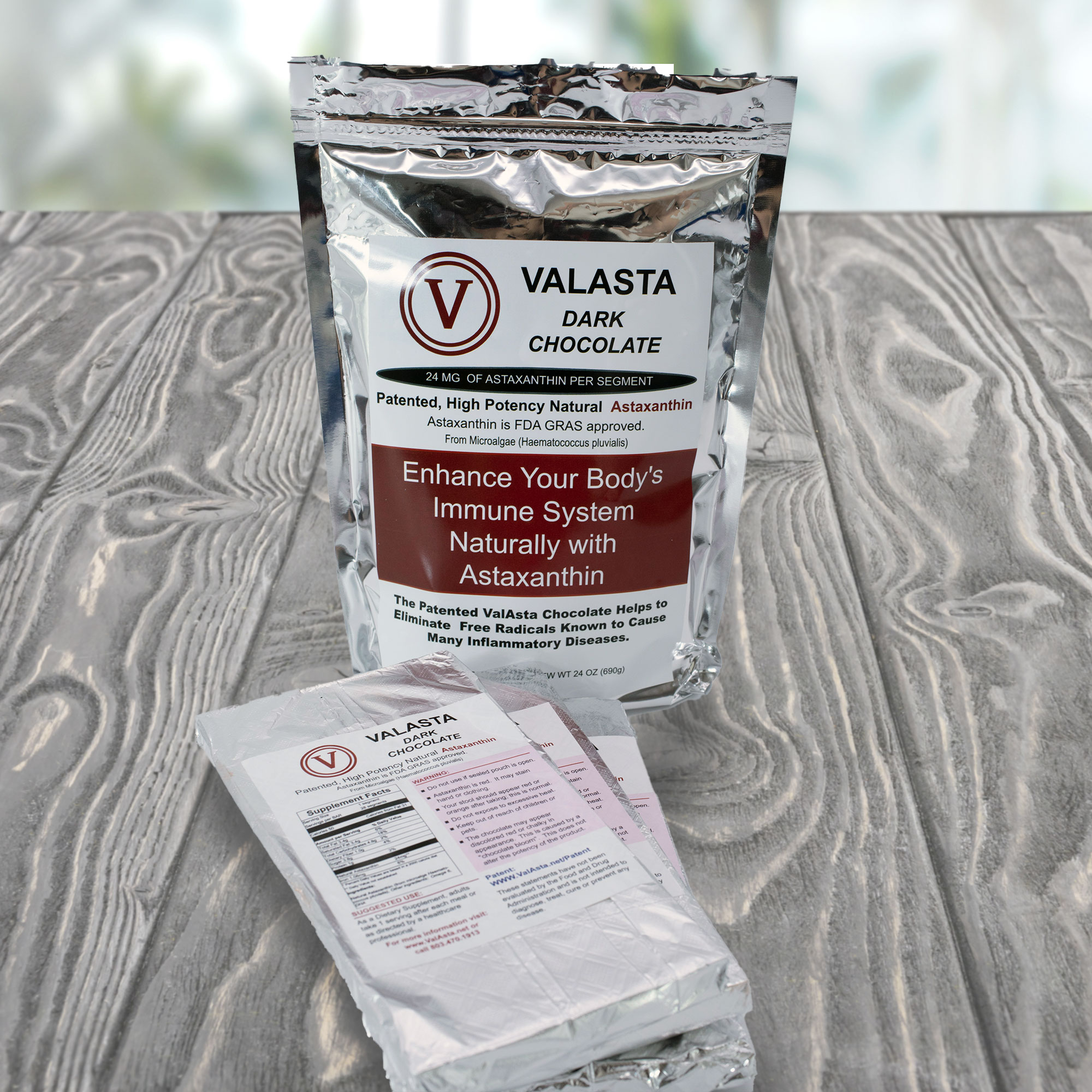
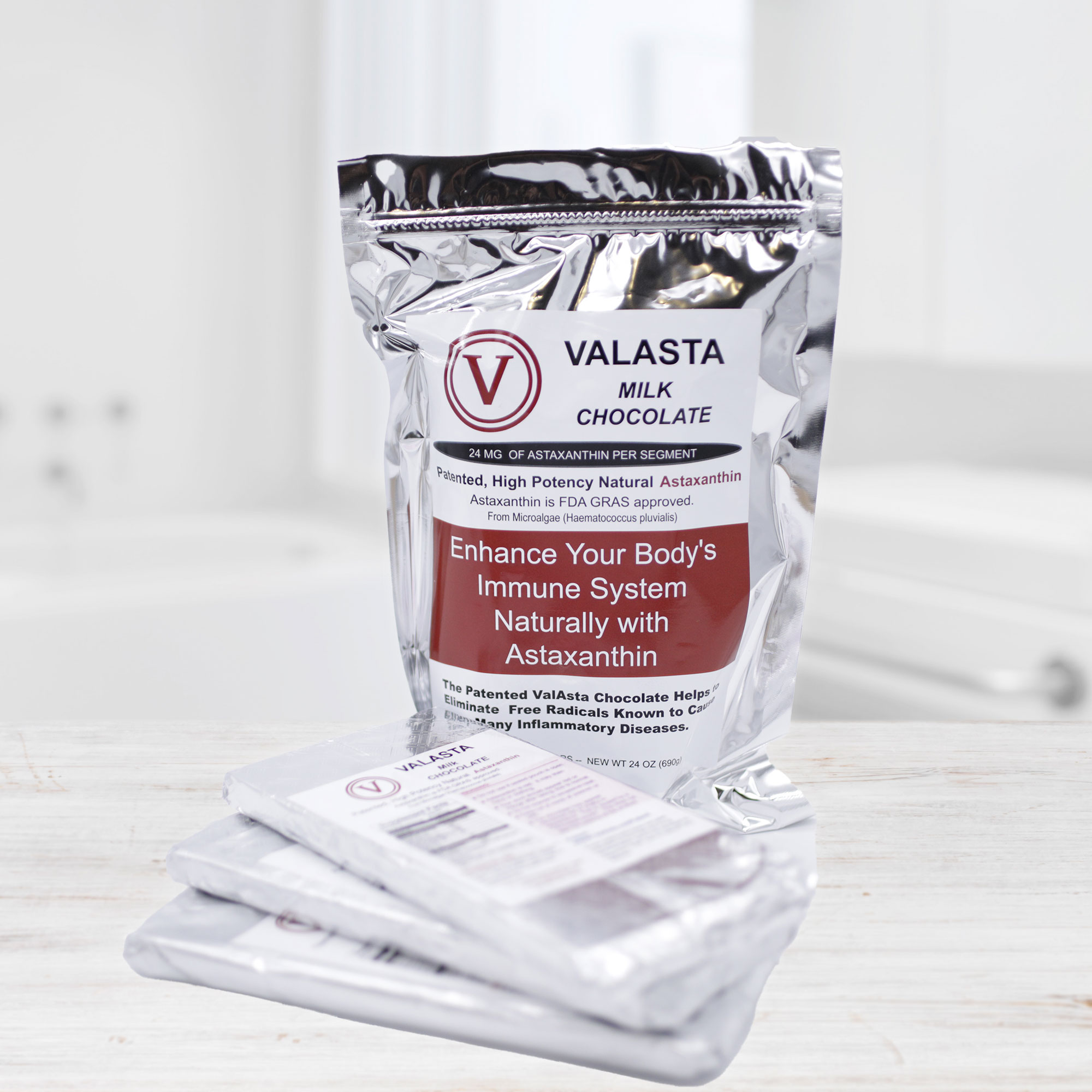
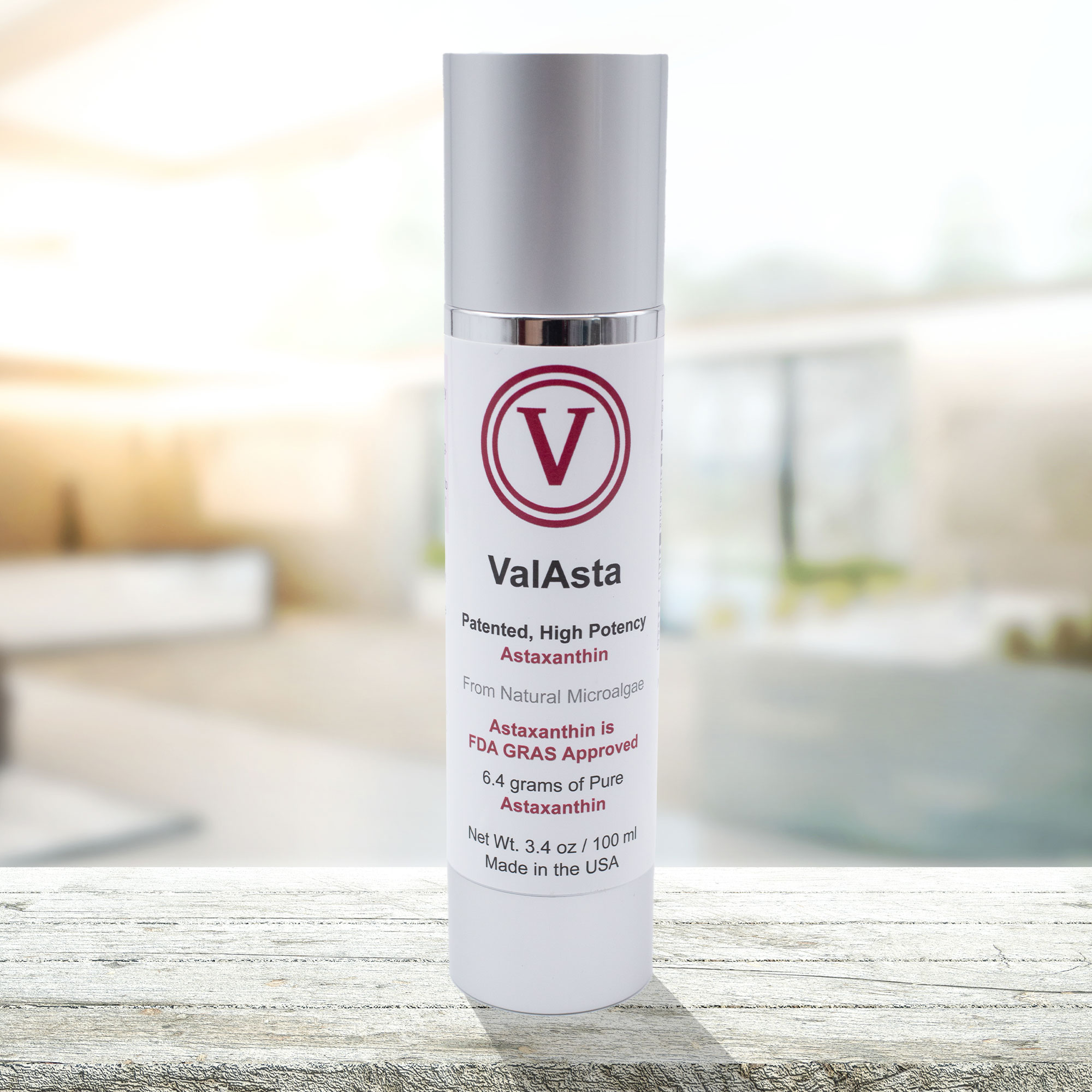
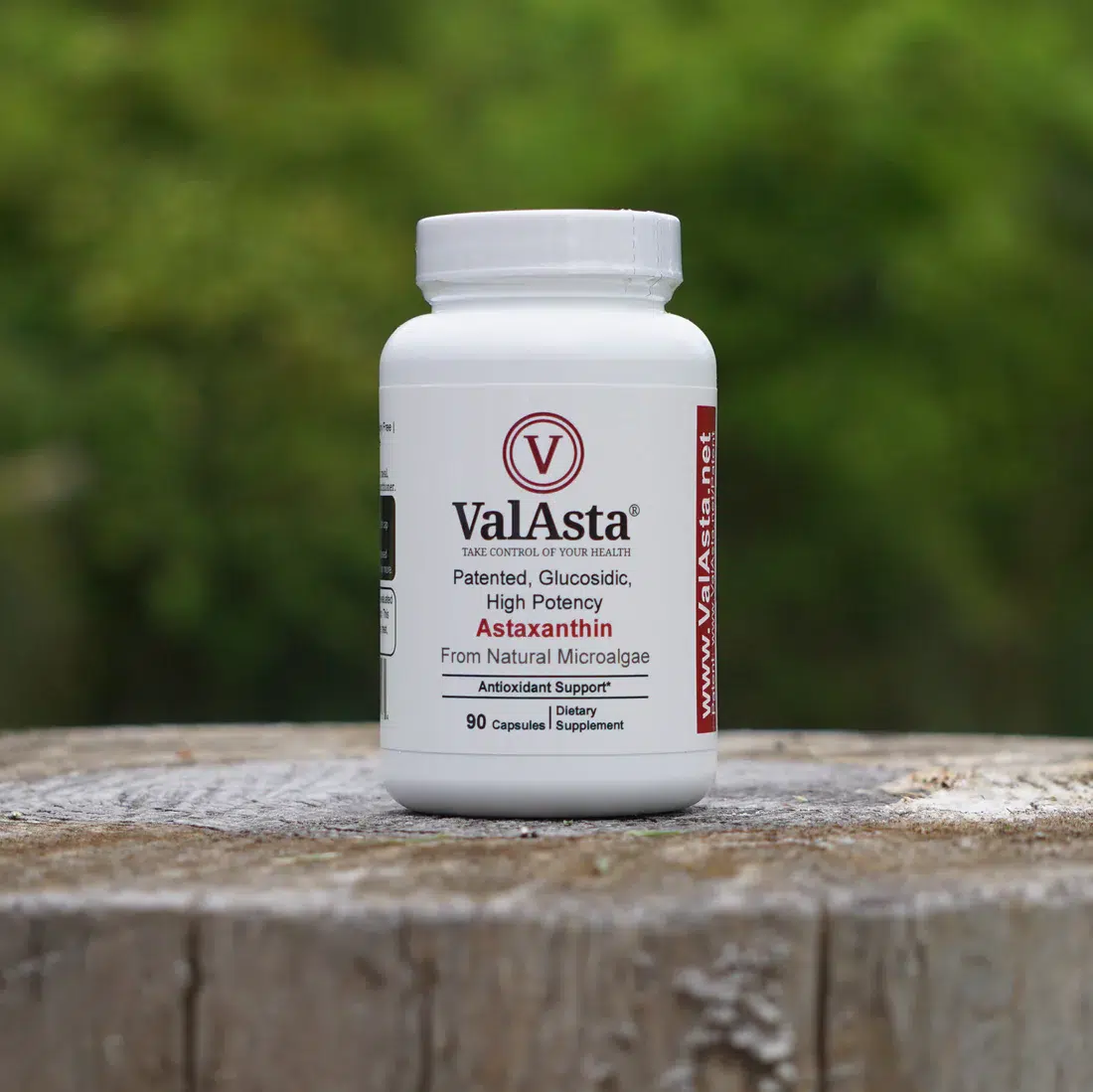
Dr. Barrett shares his personal experience with ValAsta’s astaxanthin formulation — noting reduced inflammation, improved gut health, and faster recovery. Code: POI5 for 5% off at valasta.net.
[17:56] — Mulch as a Biofilter: Solving the Smell, Pest & Bear Problem
Dr. Barrett shares his personal composting failures in north Georgia — fruit flies, and bears raiding his rotating compost barrel. Dr. Sobel explains that mulch is her “best friend” and functions as a biofilter: it neutralizes odors, blocks pests, and even suppresses scent from large animal carcasses. She cites a composting exam scenario — 300 mad cow cattle — where the solution was simply 6–8 inches of mulch. Free mulch is often available from utility vegetation-trimming crews.
[18:54] — Growing Demand: The COVID Composting Boom & Worm Shortages
Interest in composting, gardening, food sovereignty, and independence surged during the COVID pandemic. Worm demand outstripped supply nationwide, with farmers calling each other desperately to source inventory. The market hasn’t fully cooled since — a trend Dr. Sobel views as a structural shift toward sustainability awareness.
[22:42] — Composting Mechanics: Ratios, Moisture, and Oxygen
The practical formula for successful composting:
- Carbon (“browns”): mulch, dried leaves, woody material — hard and dry.
- Nitrogen (“greens”): food scraps, manure — soft and moist.
- Ratio: roughly 3–4 parts carbon to 1 part nitrogen.
- Moisture and oxygen are the two active management levers — too anaerobic and it smells; too dry and the microbes die.
- Worm feeding rate: roughly 1/3 to 1/2 their body weight per day — 15 pounds of worms could process 5 pounds of scraps in a single day.
[26:21] — The Commercial Case: Restaurants, Whole Foods & ESG Goals
Dr. Sobel addresses the business economics of commercial composting versus landfill disposal. While there may be a cost premium, the full value proposition includes:
- Employee morale and retention — kitchen staff (often from food-conscious cultures) feel genuine pride when composting is practiced.
- Brand loyalty from eco-conscious consumers who redirect spending toward responsible businesses.
- ESG compliance and corporate sustainability goal fulfillment.
- Operational insight: Fertile Earth’s weigh-scaled trucks generate data that help clients (e.g., supermarkets) identify over-ordering — 7 of 10 bins full of bread signals a purchasing inefficiency.
[32:15] — Sponsor Break: BBACK Shoes
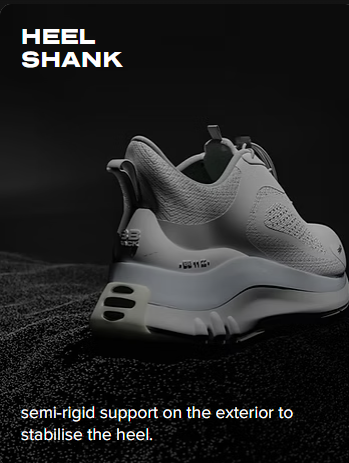
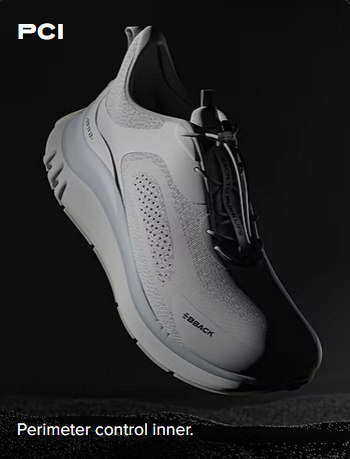
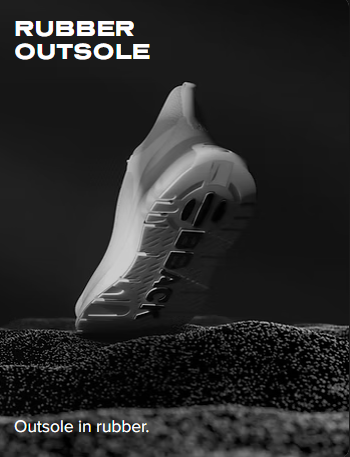
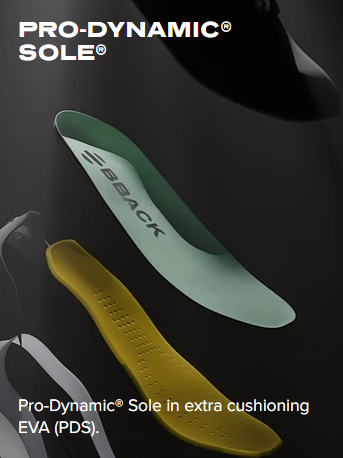
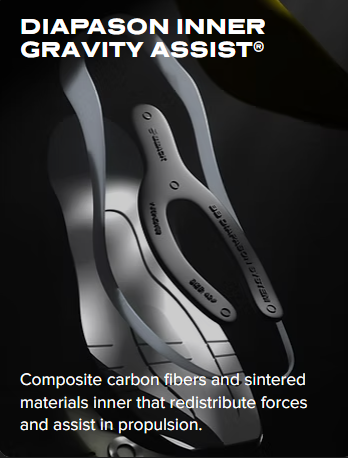
Dr. Barrett describes running in the BBACK 0524 — classified as a medical device in Europe — noting strong biomechanical control without his orthotic. Code: POI10 for 10% off at bbackworld.us.
[33:07] — Miami’s Waste Crisis & Why Food Has No Business in a Landfill
Dr. Sobel paints a striking picture of South Florida’s waste paradox: Miami sits on coral rock with almost no natural soil, importing peat moss from Lithuania and Canada, while simultaneously exporting trash on rail to Georgia due to near-full landfills and a burned-down incinerator. She reframes the terminology — it’s not “food waste,” it’s “food scraps,” because waste implies no value. Her maxim: “It ain’t waste until we waste it.”
[36:28] — How Landfills Actually Work (And Why They’re a Slow-Motion Disaster)
A sobering breakdown of landfill mechanics that Dr. Sobel says she didn’t learn until graduate school:
- Landfills are anaerobic holding cells sealed by plastic liners with a ~50-year lifespan before degradation.
- Organic material decomposing without oxygen produces methane — roughly 80x more potent than CO₂ as a greenhouse gas in its first 20 years.
- Burning methane converts it to CO₂ — better, but still a greenhouse gas release.
- Leachate — a toxic soup of heavy metals, pharmaceuticals, and decomposition byproducts — percolates downward and threatens groundwater. No viable detoxification method currently exists. Some communities have already lost groundwater access.
- Burning food in incinerators is energy-intensive since wet materials require far more energy to combust than dry materials like paper.
[40:01] — What NOT to Compost: The Exceptions List
Dr. Sobel’s practical rule: if you or an animal could eat it, you can compost it. Exceptions include:
- Bioplastics — marketed as compostable, but break down into micro-plastic fragments.
- Biodegradable food serviceware (fiber takeout containers) — contain PFAS (“forever chemicals”), endocrine and reproductive disruptors that survive the composting process and can be taken up by plants.
- Commercially grown flowers — heavily pesticide-treated; florists have such high cancer incidence that some insurers historically refused to cover them. Pesticides can kill the microbial workforce essential to composting.
- Meat (for beginners) — not impossible to compost, but requires disciplined covering and management; at commercial scale Fertile Earth composts full roasting pigs and 15,000-lb meat loads without attracting rats by doing it correctly.
- Excessive liquids — disrupts carbon-nitrogen balance and oxygen flow, promoting anaerobic odor conditions.
[46:25] — Where to Find Dr. Sobel & Fertile Earth
Instagram: @FertileEarth | Website: fertileearth.net | YouTube and Facebook channels available. Farm tours are offered, with glamping accommodations coming soon.
[48:08] — Sponsor: Nature’s Marvels Bioregulatory Peptides & Closing Remarks
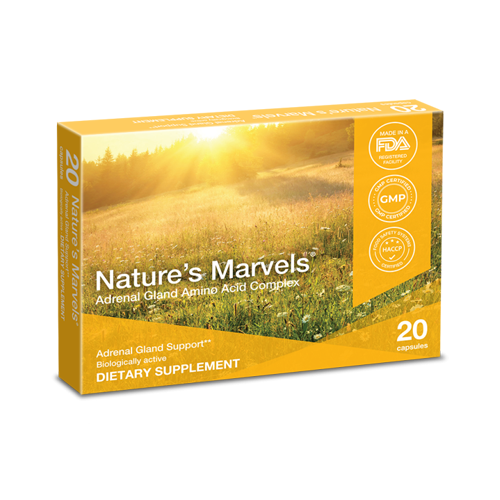
Dr. Barrett shares his 3-year experience with Nature’s Marvels bioregulatory peptides as part of his human optimization protocol. He closes by encouraging listeners to leave a review, spread the word, and keep spelunking. The legal disclaimer runs at 49:29.
Key Takeaways for Spelunkers
- Soil is alive; dirt is dead. The microbial ecosystem in healthy soil is foundational to all food production and human health.
- Worm farming (vermiculture) is accessible for homeowners — start with 1 lb of red wigglers, coconut coir bedding, buried food scraps, and consistent moisture.
- Mulch is a biofilter — it controls odor, deters pests, and is often available free from utility trimming crews.
- Landfills produce methane (80x more potent than CO₂) and leachate (toxic groundwater contaminant with no current detox solution) — strong arguments for diverting organics.
- PFAS-laden takeout containers and pesticide-heavy commercial flowers should never enter a compost system — even those marketed as compostable.
- The circular economy principle: food scraps → worm castings → rich soil → food production → food scraps. “It ain’t waste until we waste it.”
Resources Mentioned
- Worms Eat My Garbage — Mary Appelhof (recommended beginner’s guide)
- Fertile Earth — fertileearth.net | @FertileEarth on Instagram
- ValAsta Astaxanthin — valasta.net | Code: POI5 (5% off)
- BBACK Shoes — bbackworld.us | Code: POI10 (10% off)
Nature’s Marvels Bioregulatory Peptides — see show notes at podofInquiry.com
Sponsors Of The Episode


BBACK US
BBACK is a balance shoe that improves movement and makes each step easier.
PRO-DYNAMIC® tech supports natural motion, reduces pressure, and aids circulation.
Use code: POI10 for 10% off your order
Approved Medical Solutions
Your source for Oxalate free Nitric Oxide Supplementation
Non-licensed patients can use code “sbarrett” for a 10% discount.
Licensed practitioners can access the discounts by registering and when at checkout put “podofinquiry” (no space and not case sensitive) in the coupon section.
Ketone
Nitric Oxide
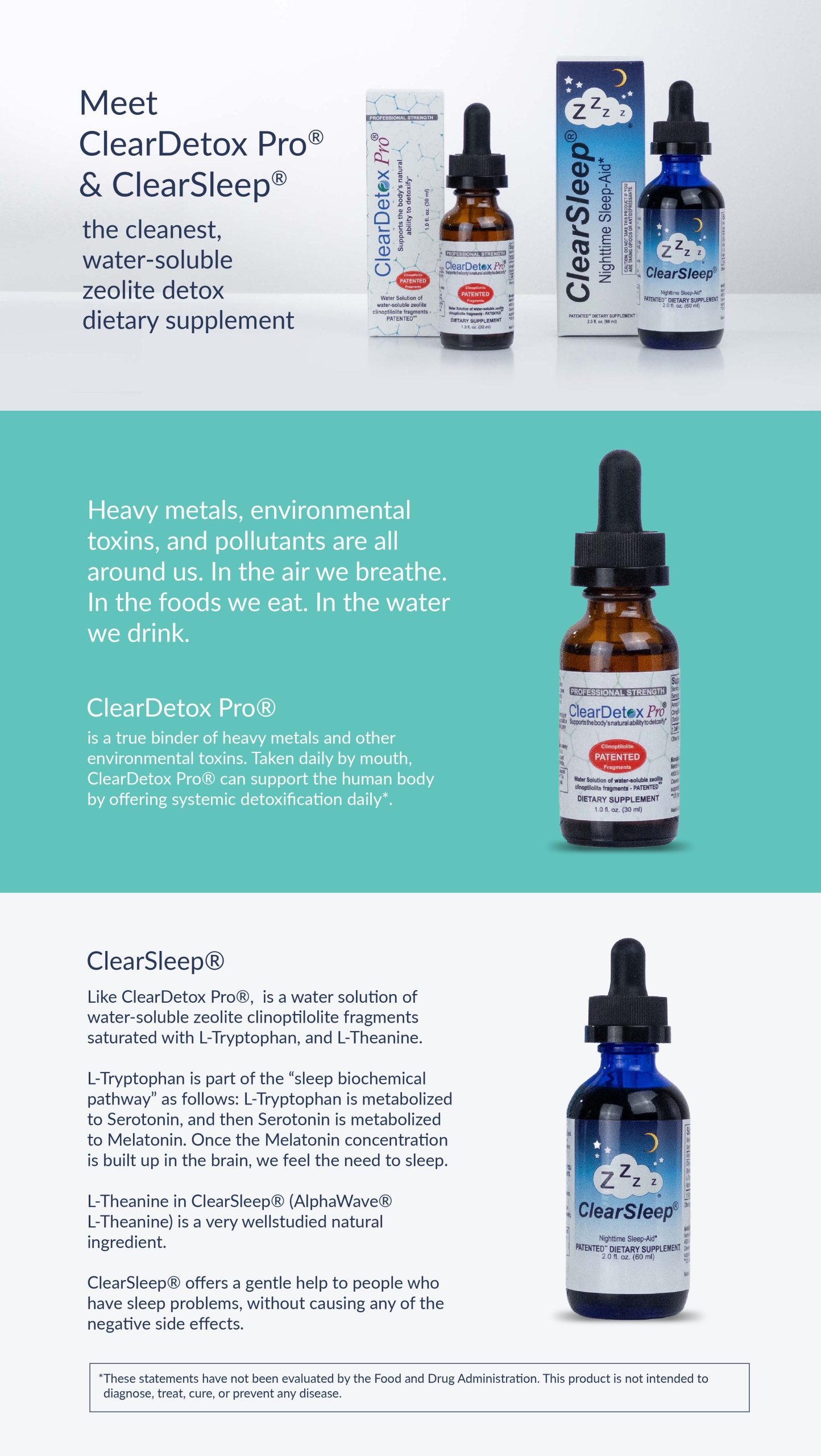
ClearDetox Pro & ClearSleep
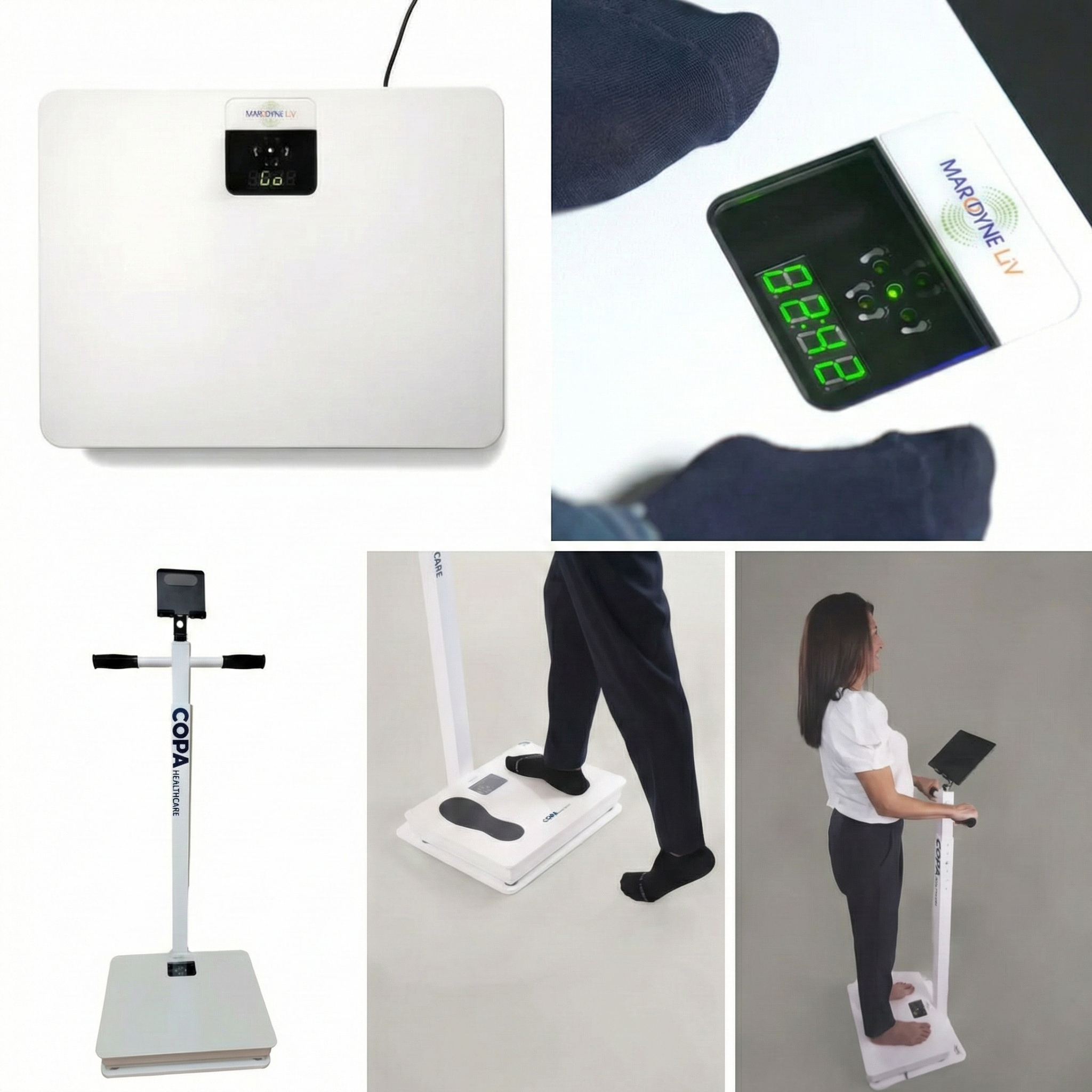
Marodyne LiV
Clinically proven, low-intensity vibration—10 minutes a day to strengthen bone, muscle, and movement safely.
Use code: SB200 for $200 off