In this follow-up conversation, Dr. Pamela Cipriano returns to The Pod of Inquiry to explore the hidden factors that may influence reproductive health, fertility, hormones, gut health, and the modern environment.
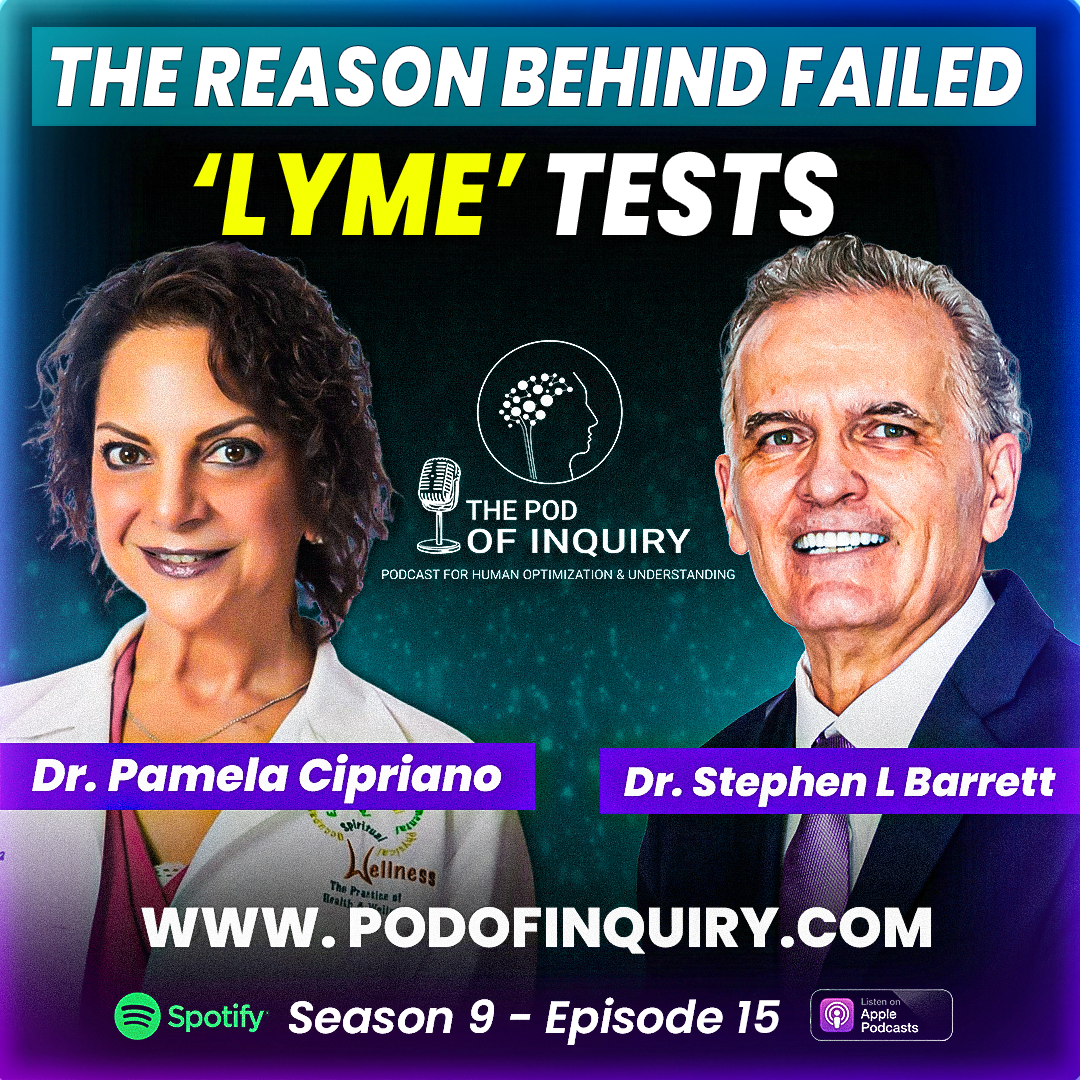
Building on her previous conversation about Lyme disease, Dr. Cipriano discusses patterns she has observed in her practice involving women experiencing early hormonal changes, while exploring possible connections with COVID vaccination, environmental exposures, and other factors. These observations are discussed as clinical experiences and hypotheses—not as established proof of causation. (The Reason Behind Failed Lyme Tests)
In This Episode:
- 🧬 Fertility & Hormones — Exploring factors affecting reproductive health.
- 🌾 Glyphosate Exposure — Examining environmental and dietary exposure.
- 🍝 Food & Agriculture — How food production may impact health.
- 🌸 Endometriosis — Exploring possible causes and overlooked factors.
- 🧔 Declining Sperm Counts — Why male fertility has changed since the 1970s.
- 🦠 Gut Microbiome — Its potential connection to reproductive health.
- 🧪 Fertility Testing — The lab workup used with struggling couples.
- 🔬 Functional Medicine — Looking beyond conventional approaches.
If you or someone you love has struggled with fertility, hormones, endometriosis, or unexplained reproductive issues, this conversation offers plenty to think about.
🎧 Listen to the full episode and hear Dr. Pamela Cipriano’s perspective on the fertility crisis.
Subscribe to The Pod of Inquiry for more conversations exploring health, medicine, science, and the questions conventional approaches sometimes leave unanswered.
Watch The Podcast
Listen to The Podcast
Also available on


Author Biography

Pamela M. Cipriano, DNP, APRN
Dr. Cipriano is a nationally recognized nurse practitioner and the founder and President of The Practice of Health and Wellness in Connecticut. She specializes in complex chronic illness and advanced root-cause diagnostics, uncovering what mainstream medicine routinely overlooks. A central focus of her work is identifying seizure disorders mistakenly diagnosed as epilepsy but actually caused by autoimmune encephalitis and neuroimmune inflammation—a distinction that transforms patient outcomes. Most recently, she published a peer reviewed case series on autoimmune encephalitis temporally associated with Lyme disease. https://pubmed.ncbi.nlm.nih.gov/41982592/
Her expertise includes tick-borne and vector-borne infections, mold and mycotoxins, heavy metals, parasites, chronic UTIs, and other neuroimmune conditions. Dr. Cipriano is known for taking on the sickest patients—those misdiagnosed with ALS, Parkinson’s disease, fibromyalgia, chronic fatigue, and psychiatric disorders—and uncovering the infectious, toxic, or immune triggers behind their decline.
After years working in critical care and internal medicine, Dr. Cipriano witnessed countless patients with complex symptoms being dismissed, misdiagnosed, or told their illness was psychological. This fueled her belief that every chronic condition has an underlying cause—and that every patient deserves a clinician willing to search for it. She approaches each case like a medical detective: listening and hearing her patient’s concerns, connecting overlooked patterns, and relentlessly investigating until the true source of illness is identified. Her signature strength is solving highly complex neurological and inflammatory conditions and restoring hope to patients who have spent years searching for answers.
Dr. Cipriano holds a Doctor of Nursing Practice from Maryville University and a Master of Science in Nursing from the University of Connecticut. She is an ILADS-trained provider, a sought-after speaker, and a leading voice for earlier detection and comprehensive evaluation of chronic illness. Her work has earned her multiple awards and recognition as a pioneering clinician, educator, and advocate.
Show Notes from this episode
Episode Overview
Dr. Pamela Cipriano — a nurse practitioner and functional medicine provider who first joined the show in Season 9, Episode 3 to discuss Lyme disease — returns to unpack the modern infertility crisis. She and Dr. Barrett trace the problem across two intertwined tracks: environmental and dietary exposures (glyphosate in wheat, oats, wine, and beer; plastics; ultra-processed food) and post-COVID physiology, including a striking clinical pattern of four patients in their late 20s and early 30s presenting with early menopause after COVID vaccination. The conversation covers endometriosis, sexually transmitted pelvic inflammatory disease, declining sperm counts, blood clotting disorders and missed miscarriage, the gut microbiome’s role in hormonal and reproductive health, and Dr. Cipriano’s clinical workup for couples struggling to conceive — hormone panels, FSH/LH, chromosomal and clotting studies, transvaginal ultrasound, and IntelliXDNA genetic SNP testing. She closes with her go-to anti-inflammatory, Mediterranean-style dietary framework and the three questions she asks anyone raising the topic of infertility.
Timestamped Show Notes
00:00 Cold open — Dr. Barrett introduces Dr. Pamela Cipriano’s return visit and previews the infertility discussion.
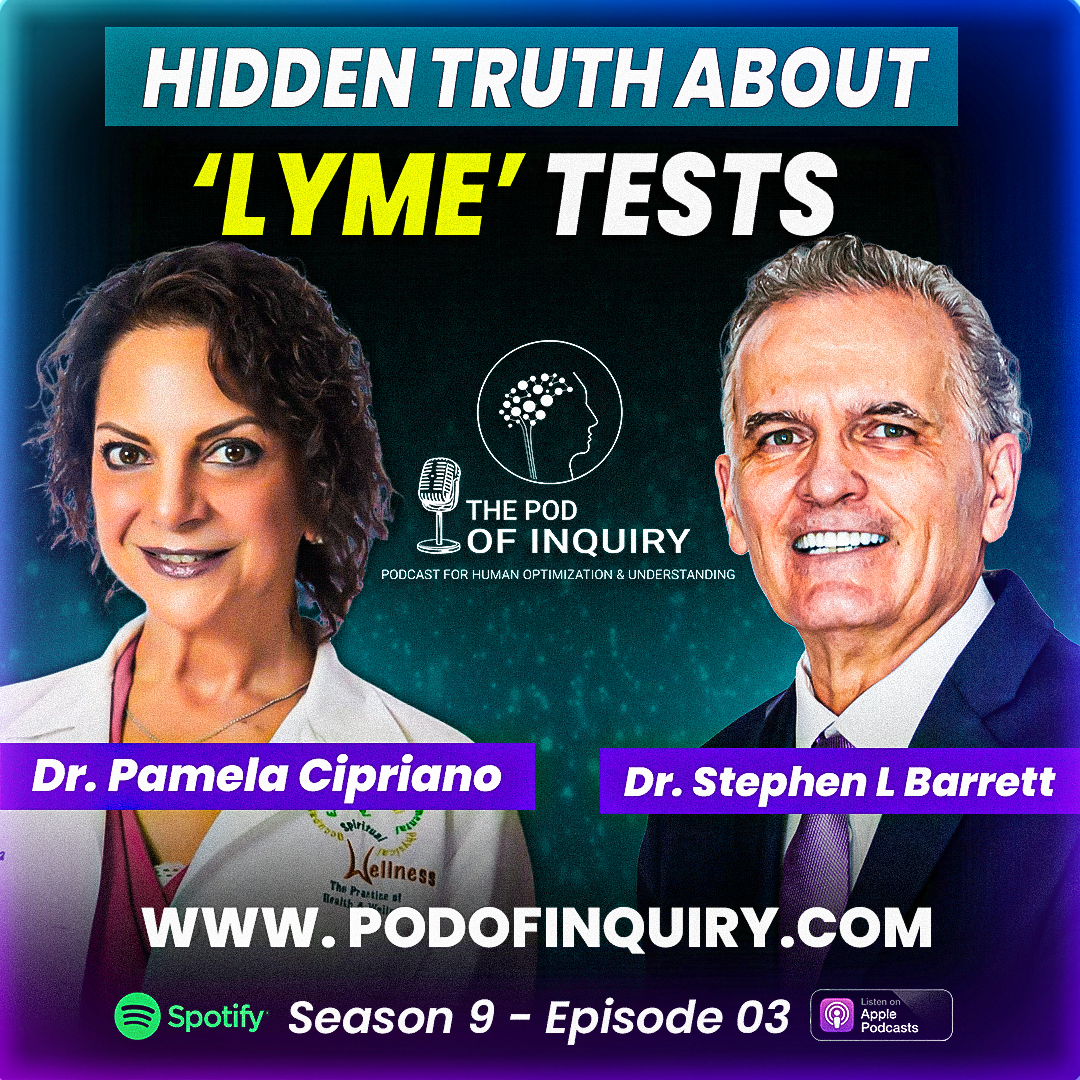
01:06 Welcome back — Pam Cipriano rejoins roughly three months after the Lyme disease episode.
01:28 The scale of the crisis: some countries may struggle to sustain their economies within 20 years due to falling fertility.
02:01 Cipriano is seeing a sharp rise in ovulation failure in young patients — a trend that began after COVID.
02:35 Environmental/toxin factors vs. societal shifts toward delayed marriage and childbearing.
03:29 Later marriage and later childbearing compound age-related fertility decline, especially egg count and fallopian tube scarring.
04:20 Men experience hormonal decline too, but ovulation failure remains the dominant age-related issue for women.
04:58 Referenced meta-analysis data: roughly a 50% drop in sperm count/testosterone measures between 1973 and 2011.
05:36 Case pattern: 30-something men presenting with testosterone levels typical of men in their 70s–80s, traced largely to dietary glyphosate.
06:29 Glyphosate contamination extends beyond wheat to U.S.-made wine, beer, and oats — the U.S. is the last first-world country still using it as a pre-harvest desiccant.
08:14 COVID’s dual hit: the spike protein’s effect on ovarian tissue, plus a vaccine dose more concentrated than natural viral exposure.
09:00 U.S. wheat is also grown in depleted soil, bleached, and re-fortified synthetically — Cipriano now sources her family’s flour and pasta from Italy.
09:45 Endometriosis explained — endometrial tissue migrating outside the uterus, illustrated with Cipriano’s own daughter-in-law’s diagnosis and surgery.
10:40 Possible link between chronic untreated infectious exposure (e.g., in regions with less accessible care) and higher endometriosis rates.
11:39 Treatment landscape for endometriosis: surgery is definitive; enzymatic/naturopathic options (serrapeptase, nattokinase, lumbrokinase) show moderate, inconsistent promise.
13:12 Clarifying anatomy — endometriosis scarring occurs outside the uterus, in the peritoneal cavity, not inside the uterine lining itself.
13:59 Etiology ranking: endometriosis and PID/STD-related tubal blockage are among the most common causes of female infertility, often silent until fertility is affected.
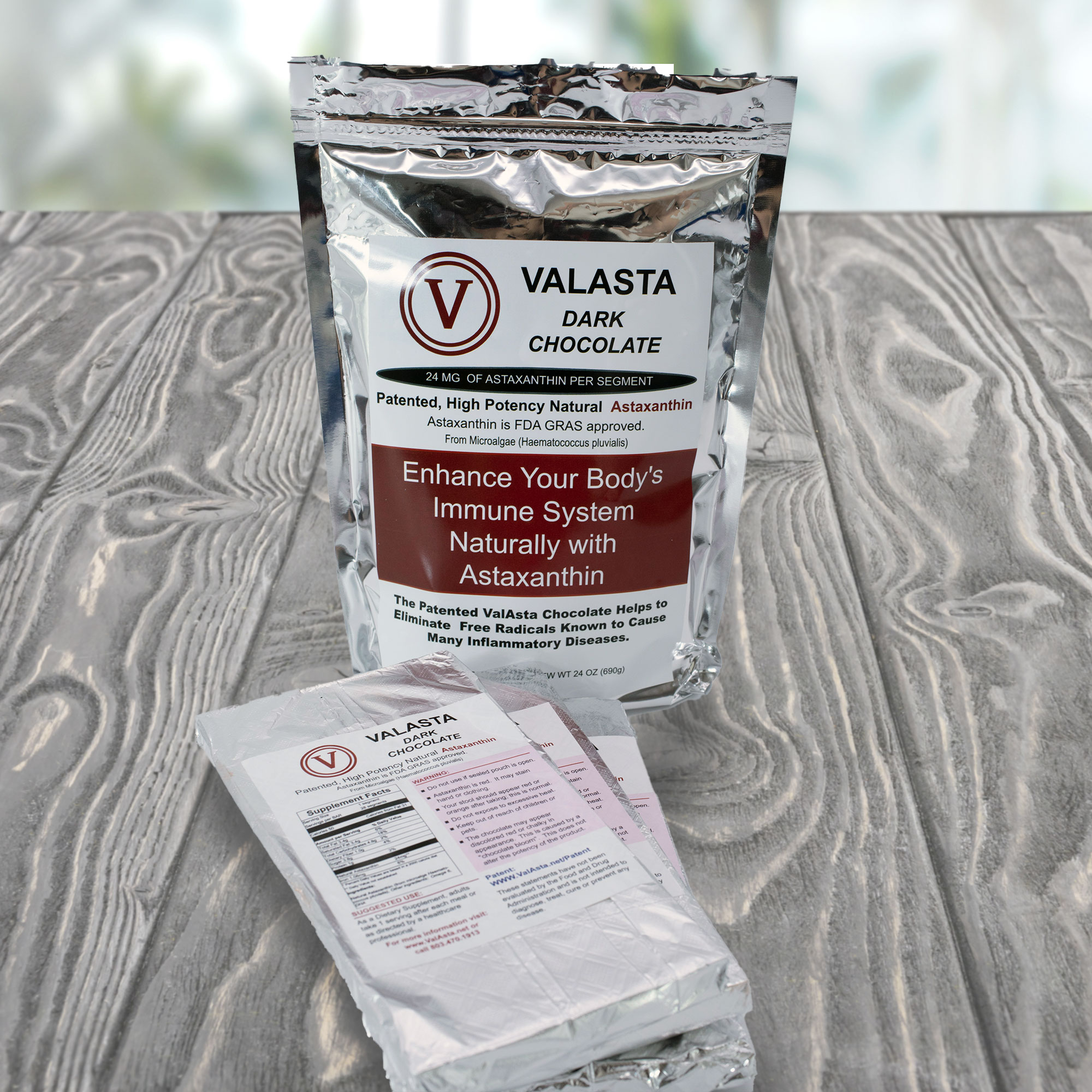
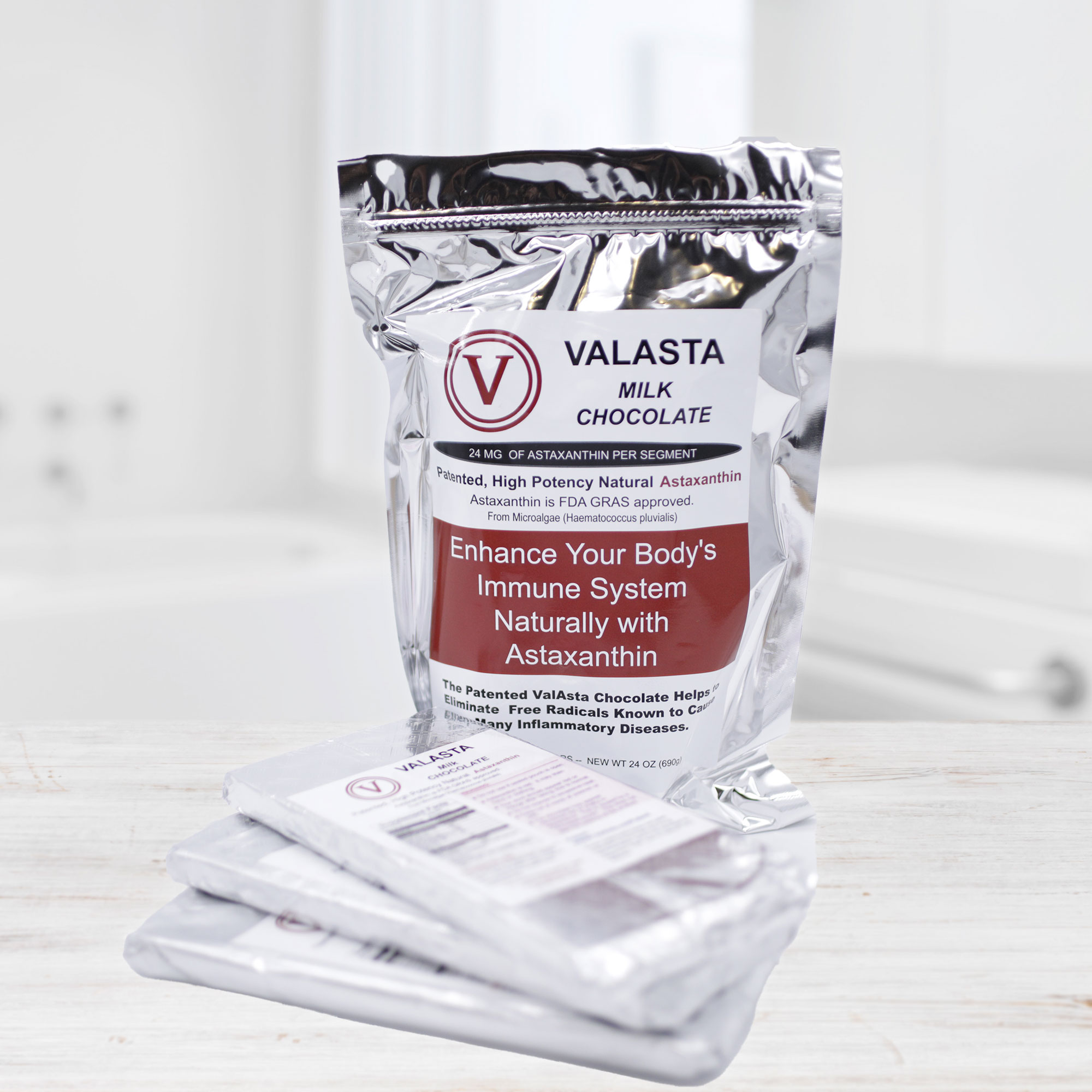
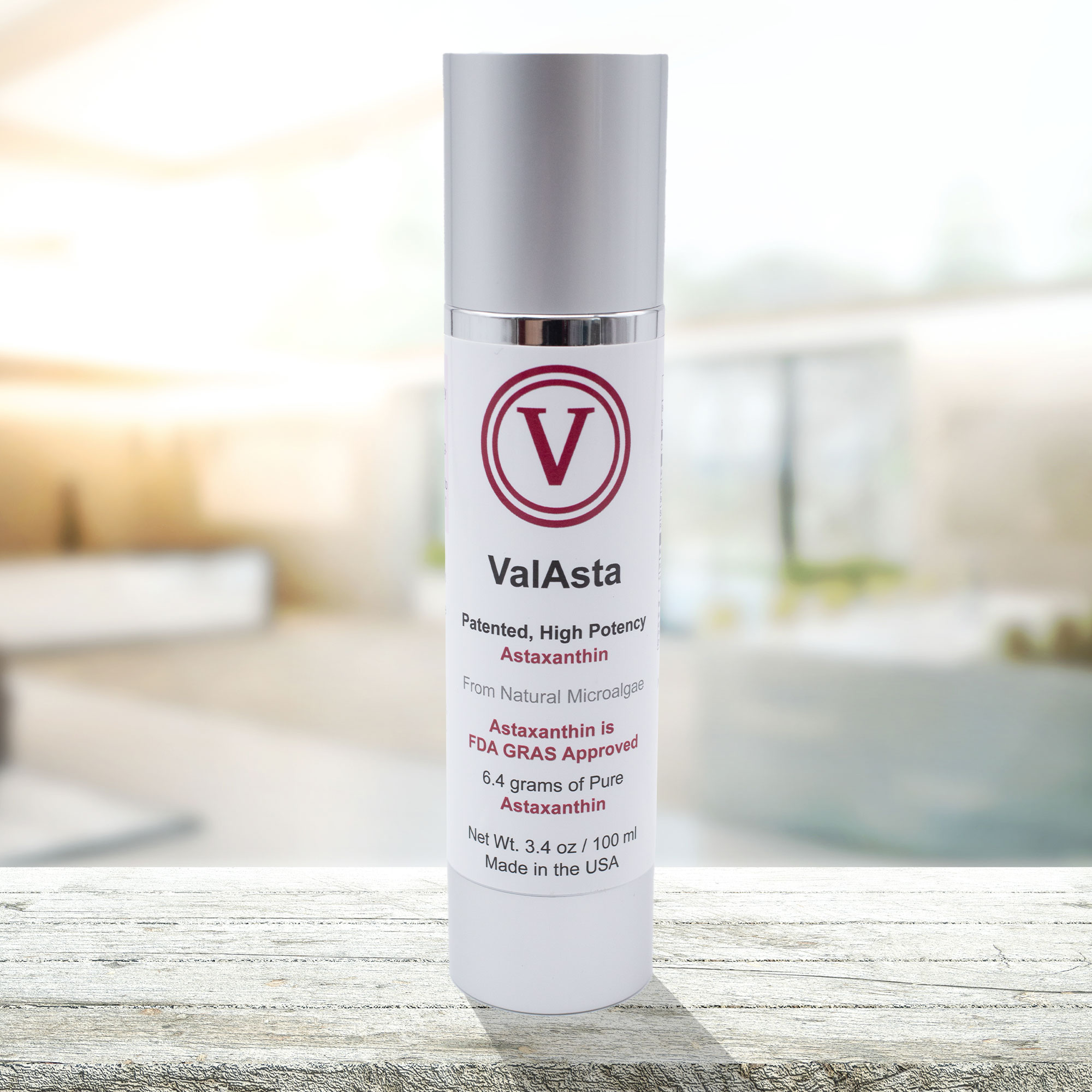
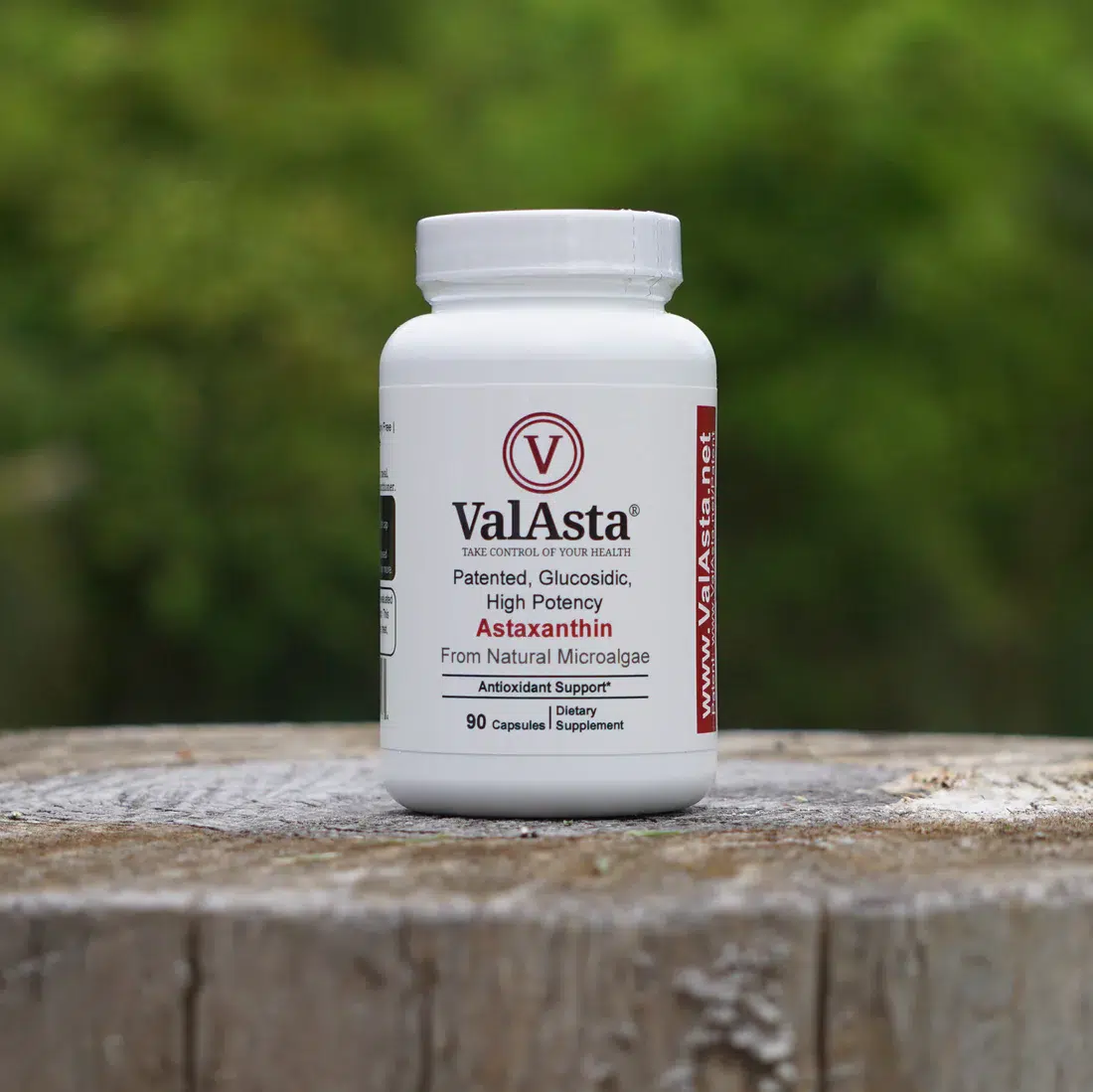
15:01 Sponsor break — ValAsta AstaZanthin (code POI5 at ValAsta.net).
16:09 Male factor: normal sperm count for healthy conception is roughly 5–10 million per ejaculation; pregnancy becomes harder, not impossible, well below that.
16:55 Diet as the one truly controllable variable — grocery store perimeter vs. processed center aisles.
19:10 Blood clotting disorders (Factor V Leiden, antiphospholipid syndrome) and the emotional toll of “missed miscarriage” after a confirmed pregnancy.
20:52 Broader critique: U.S. food and health policy driven by profit motive rather than population health.
21:36 Plastics (BPA and “BPA-free”) as a chronic chemical exposure tied to cancer risk, immune dysfunction, and reproductive harm.
23:12 Deceptive labeling — products marketed as healthy (e.g., “made with avocado oil”) that are overwhelmingly seed oil, plus the “gluten-free” marketing trick.
25:02 Cipriano’s five-ingredient rule for evaluating packaged food.
25:56 Gut microbiome connection — processed food and additives degrade gut bacteria, which Cipriano ties directly to endometrial “leakage” outside the uterus.
27:53 Cipriano’s initial clinical workup for couples: baseline labs, followed by an anti-inflammatory, low-glycemic diet for every new patient.
29:51 Sponsor break — BBack 0524 footwear (code POI10 at BBackWorld.us).
30:50 Diet framework detail: Mediterranean-style, dairy minimized — “we’re the only mammal that drinks another mammal’s milk.”
31:36 Milk alternatives and the caveat that oat milk processed in the U.S. carries the same glyphosate concern.
32:23 Hydration (water with lemon), the “dirty dozen,” organic meat sourcing, and real butter over seed-oil spreads.
34:11 Even credentialed practitioners spread misinformation online — the importance of checking primary sources against what’s actually claimed.
35:03 Tangent: the Jeremy Clarkson (Clarkson’s Farm) anecdote as an example of outdated, saturated-fat-phobic cardiology advice.
37:16 Full clinical workup detailed: hormone panel (testosterone, estrogen, progesterone), FSH/LH, clotting and chromosomal studies, male sperm count, and trans-abdominal/transvaginal ultrasound for fibroids and structural issues.
38:28 Comprehensive history-taking, including generational chemical exposure (e.g., Vietnam-era exposures) and transgenerational miscarriage patterns.
39:25 IntelliXDNA genetic SNP testing — identifying inherited predispositions and gene-targeted supplement recommendations.
40:27 Barrett’s question: is there data linking infertility history to later all-cause mortality? Cipriano hasn’t seen direct anatomic/physiologic evidence, but notes the mental-health toll.
42:37 Poor gut microbiome health ties infertility into a broader inflammatory picture — diabetes, hypertension, high cholesterol, obesity.
43:45 Cipriano’s “cocktail party” three questions: What does your diet look like? Have you had hormone testing? How long have you been trying, and what are your ages?
44:28 The COVID vaccine question — four patients aged 29–31 in early menopause, all vaccinated, within a single concierge practice.
45:04 Close and thank-you to Dr. Cipriano.
Key Topics & Concepts
- Post-COVID ovulation failure and early menopause in patients in their late 20s and 30s
- Glyphosate exposure via wheat, oats, wine, and beer as a hormone disruptor
- COVID spike protein and vaccine effects on ovarian tissue
- Endometriosis — pathophysiology, diagnosis, and treatment options
- Sexually transmitted infections, PID, and tubal blockage
- Declining sperm counts and sperm morphology abnormalities
- Blood clotting disorders (Factor V Leiden, antiphospholipid syndrome) and missed miscarriage
- Ultra-processed food, food-label deception, and the five-ingredient rule
- Gut microbiome health and its link to endometrial and systemic inflammation
- Anti-inflammatory, Mediterranean-style dietary protocol
- Plastics/BPA exposure and reproductive and cancer risk
- Fertility clinical workup: hormone panels, FSH/LH, ultrasound, sperm count
- IntelliXDNA genetic SNP testing for inherited fertility risk
- Transgenerational and family-history factors in infertility
Resources & Links
- Pod of Inquiry show notes: podofinquiry.com
- ValAsta AstaZanthin — code POI5 at ValAsta.net
- BBack 0524 footwear — code POI10 at BBackWorld.us
- Approved Medical Solutions — code SBARRETT (consumers) or “Pod of Inquiry” (licensed practitioners) at approvedmedicalsolutions.com
- Prior episode referenced: Season 9, Episode 3 with Dr. Pamela Cipriano on Lyme disease
Sponsors Of The Episode


BBACK US
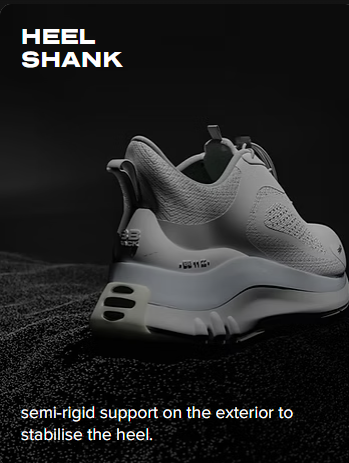
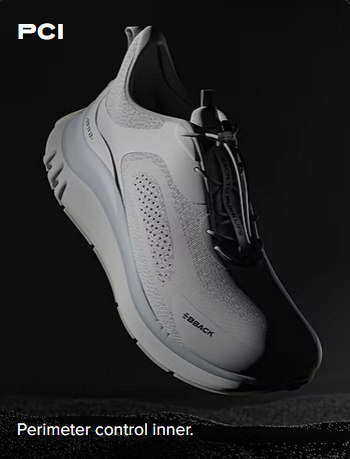
BBACK is a balance shoe that improves movement and makes each step easier.
PRO-DYNAMIC® tech supports natural motion, reduces pressure, and aids circulation.
Use code: POI10 for 10% off your order




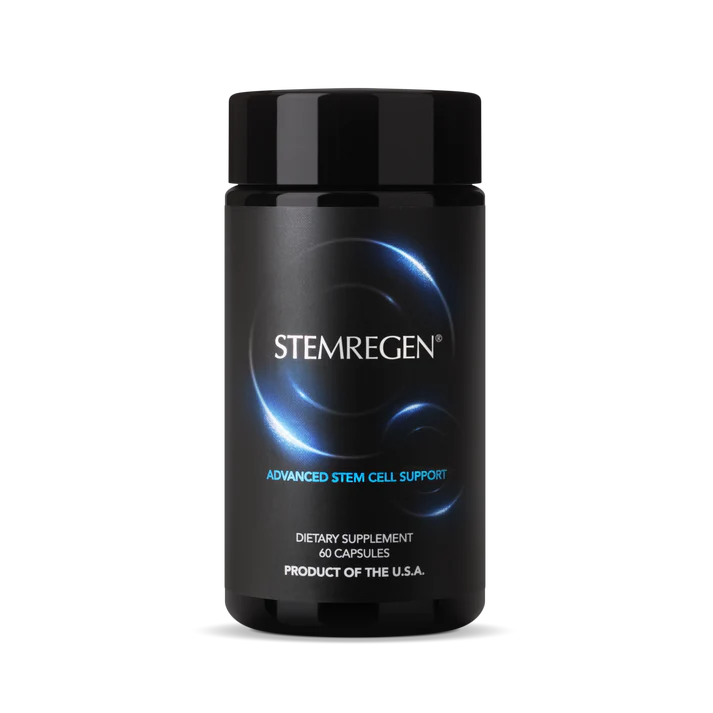

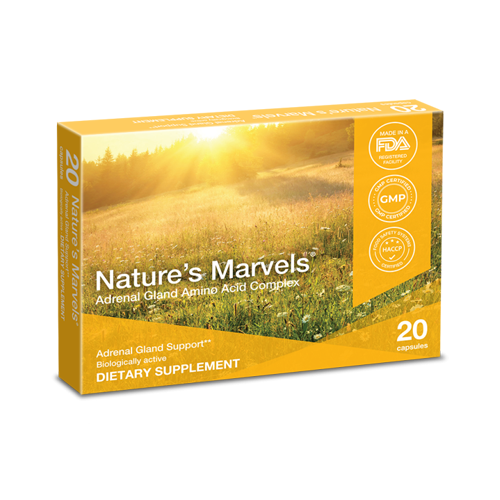
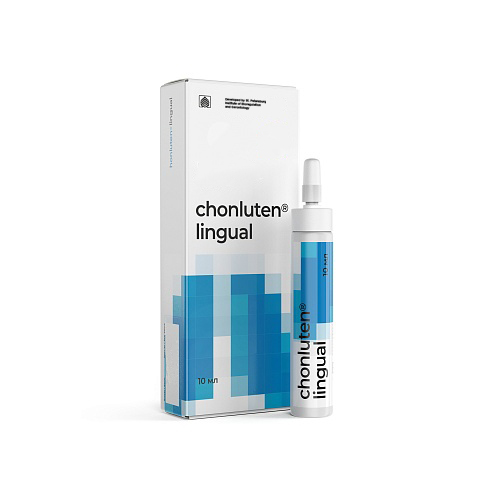
Approved Medical Solutions
Your source for Oxalate free Nitric Oxide Supplementation
Non-licensed patients can use code “sbarrett” for a 10% discount.
Licensed practitioners can access the discounts by registering and when at checkout put “podofinquiry” (no space and not case sensitive) in the coupon section.

Ketone
Nitric Oxide
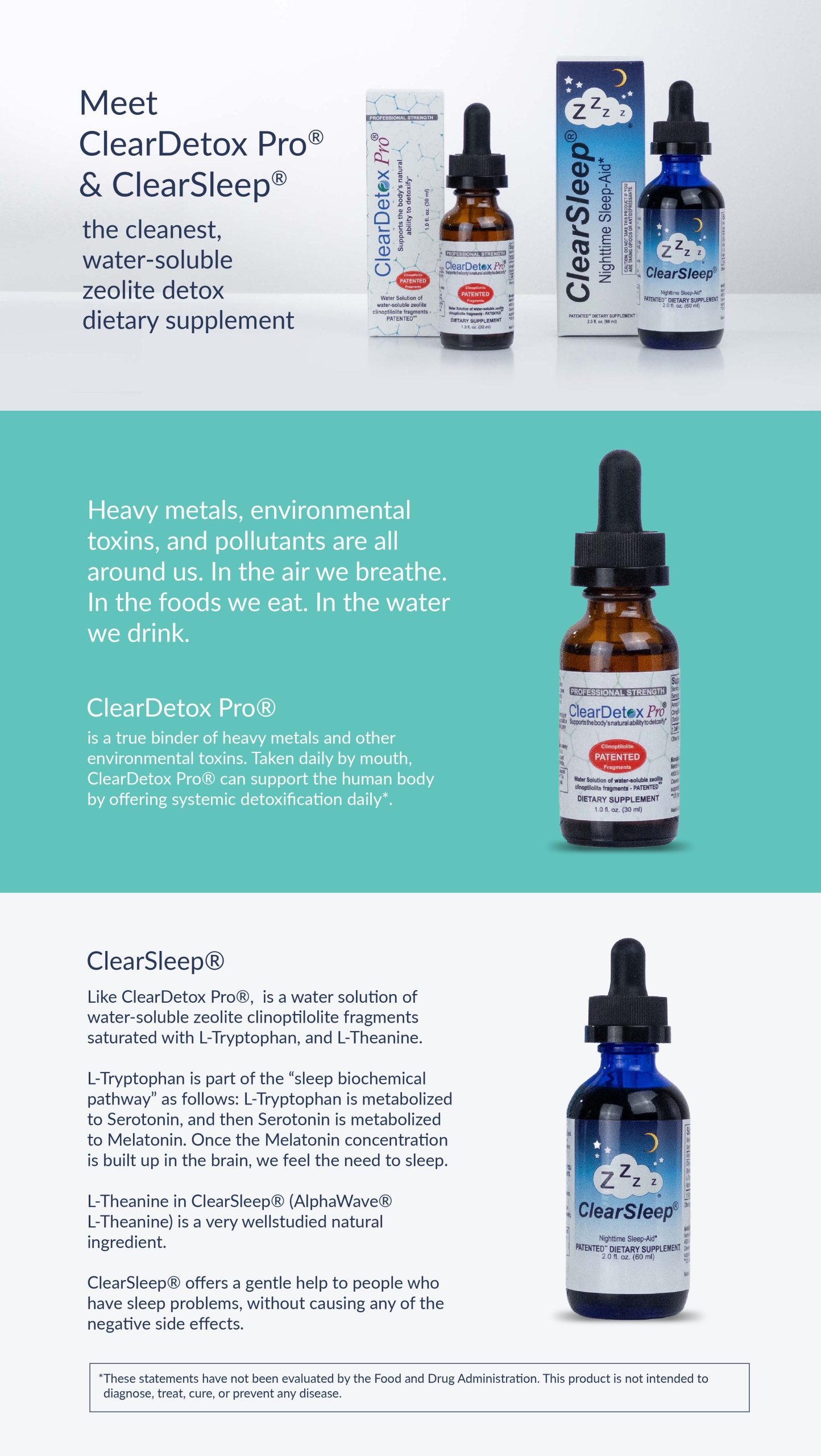
ClearDetox Pro & ClearSleep