
What happens when you push the human body and mind through 10 Ironman triathlons in 10 consecutive days?
JD Trembley knows firsthand.
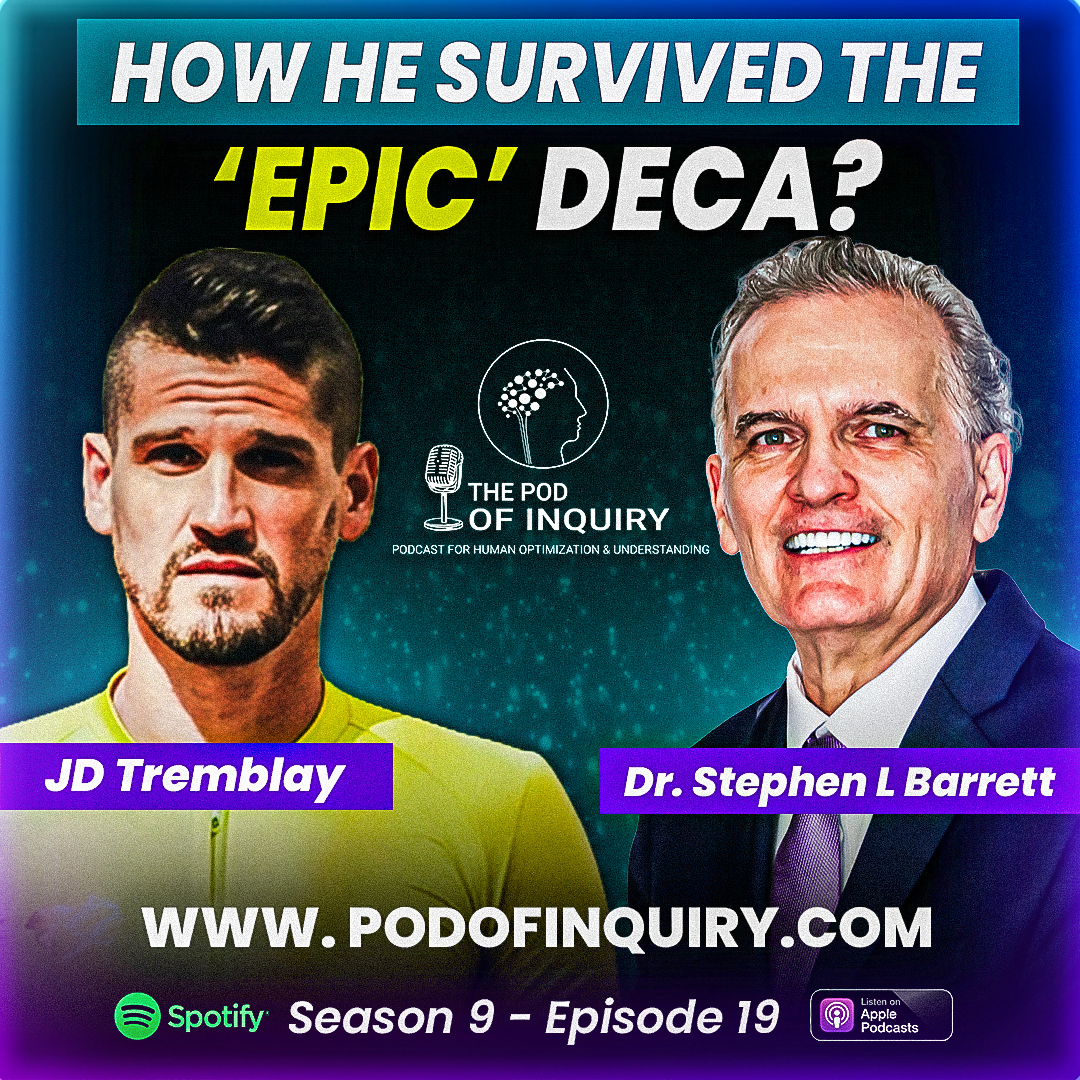
A French-Canadian military veteran, integrated engineer, and naturopath, JD is one of only three people known to have completed the Epic Deca — 10 Ironman triathlons across six Hawaiian Islands in 10 days, while surviving on extremely limited sleep. (How He Survived the Epic Deca)
The physical and mental cost was enormous. JD describes burning more than 10,000 calories a day, struggling to maintain weight, and eventually developing severe loss of sensation that lasted for more than six months after the race.
In this episode of The Pod of Inquiry, we explore extreme endurance, sleep deprivation, mental toughness, nutrition, neurological consequences, and what JD learned from pushing himself beyond conventional limits.
🔥 In this episode:
- 10 Ironmans in 10 consecutive days across six Hawaiian Islands
- Burning 10,000+ calories a day during extreme endurance
- Why JD says endurance is “80% psychological”
- Sleep deprivation and cognitive load
- His experience with induced peripheral neuropathy
- A vegan endurance nutrition strategy
- Preparing mentally for fear before the race
- From Epic Deca to the Hungry Warrior Academy
- Discipline, resilience, purpose, and human performance
We also discuss how his Epic Deca experience eventually led to the Hungry Warrior Academy, his coaching framework for helping men rebuild discipline, purpose, and resilience.
“It is 80% psychological, and then the rest is all physical.” — JD Trembley
Watch, subscribe, and join the conversation.
Watch The Podcast
Listen to The Podcast
Also available on


Author Biography
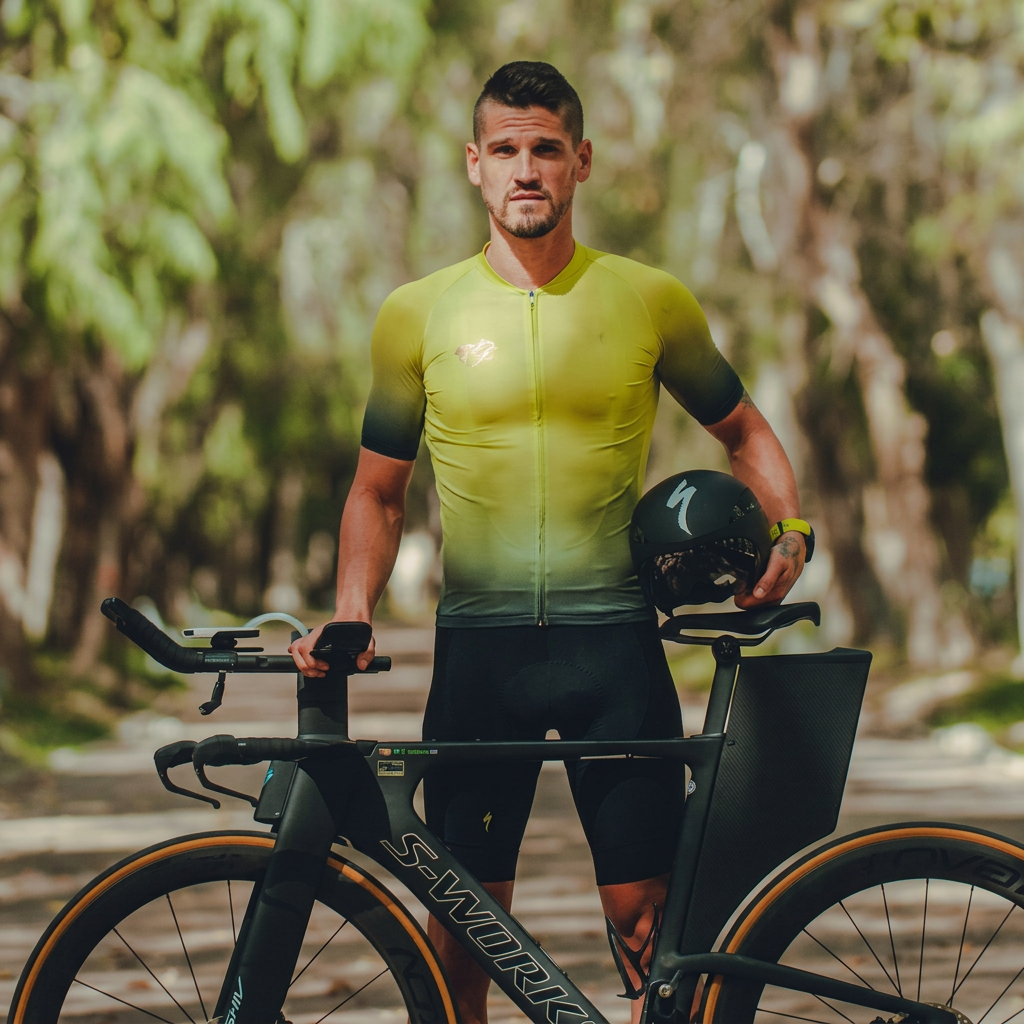
JD Tremblay
JD Tremblay is an integrated engineer, military veteran, naturopathic practitioner, and ultra-endurance athlete. In 2022 he became one of only three people in the world to complete the Epic Deca — 10 Ironman-distance triathlons in 10 consecutive days across six Hawaiian Islands.
That experience became the basis for his bestselling book, Hunger for More in Life: Conquer Mental Struggles, Defy Limitations, and Discover Purpose Through Epic Achievements, and for founding the Hungry Warrior Academy, where he now serves as Director of High Performance and Mental Resilience Advisor, helping men rebuild discipline, purpose, and resilience through online courses, coaching, and in-person retreats.
Learn more: HungryWarriorAcademy.com
Show Notes from this episode
00:00 — Introduction
Dr. Barrett introduces JD Tremblay, one of only three people in the world to complete the Epic Deca — 10 Ironman triathlons across six Hawaiian Islands in 10 consecutive days — and previews the conversation’s arc from extreme endurance into Tremblay’s Hungry Warrior Academy.
02:19 — Background & Professional Journey
Tremblay describes growing up French Canadian in northern Quebec, joining the military at 17, and later earning an integrated engineering degree at Western University — a rare program held by fewer than 200 people worldwide. He credits the military not with instilling discipline directly, but with giving him structure and systems, from which discipline followed as a byproduct.
04:14 — How the Epic Deca Came About
Tremblay explains he purchased his race spot from an injured friend, Joe Jafe, after progressing through a first Ironman, an Ultraman, and other endurance events. The Epic Deca was a one-time, doubled-distance version of the annual “Epic Five” event, run in 2022 to mark that race’s 10th anniversary. Of 10 registrants, 6 started and only 3 finished.
08:24 — Course Format & Caloric Demands
Each day replicated a full Ironman — roughly 2.4 miles of swimming, 112 miles of cycling, and a marathon run — with Garmin data showing average daily energy expenditure of over 10,000 calories. Race days ran 15–20 hours, leaving only about 24 hours total for travel, gear prep, and the next start line.
10:05 — Sleep Deprivation Strategy
Tremblay slept in 12–15 minute increments in the back of a rental van to avoid injury from complete sleep deprivation, deliberately varying nap timing throughout the day so his brain would not habituate to a fixed sleep schedule.
11:55 — The 80% Psychological Framework
Tremblay argues the event was roughly 80% psychological and 20% physical, citing research that the brain consumes a disproportionate share of the body’s energy even during rest — supporting his view that cognitive load, not muscular fatigue, is the primary limiter in extreme endurance.
15:13 — Three Stages of Breakdown
He outlines three distinct phases of the race: a physical collapse after the fourth Ironman (his legs seized, requiring a wheelchair at the airport); a psychological phase after the eighth Ironman involving conflict with event organizers and threats of disqualification; and a final “transcending state” marked by total loss of physical sensation.
16:14 — Sponsor: ValAsta
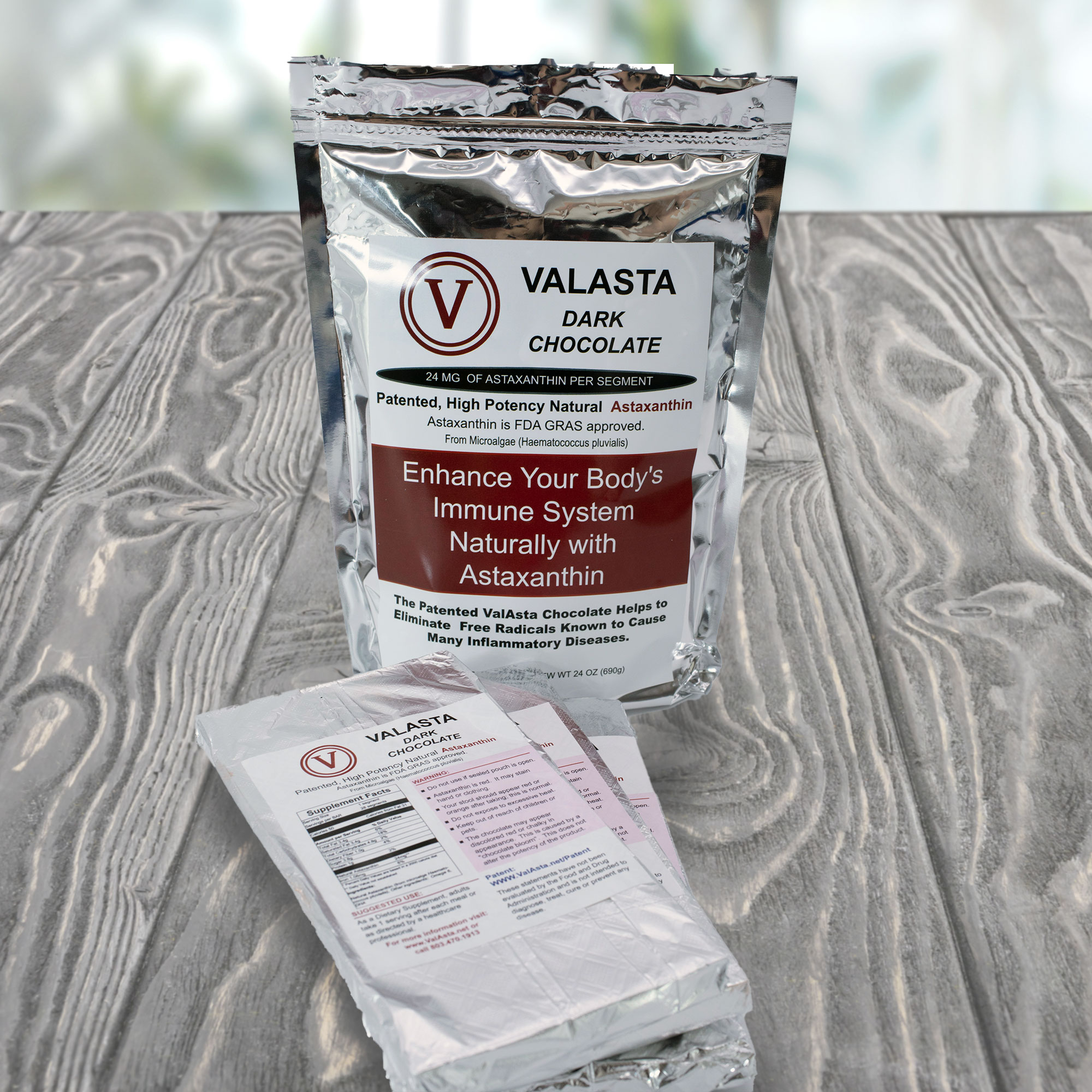
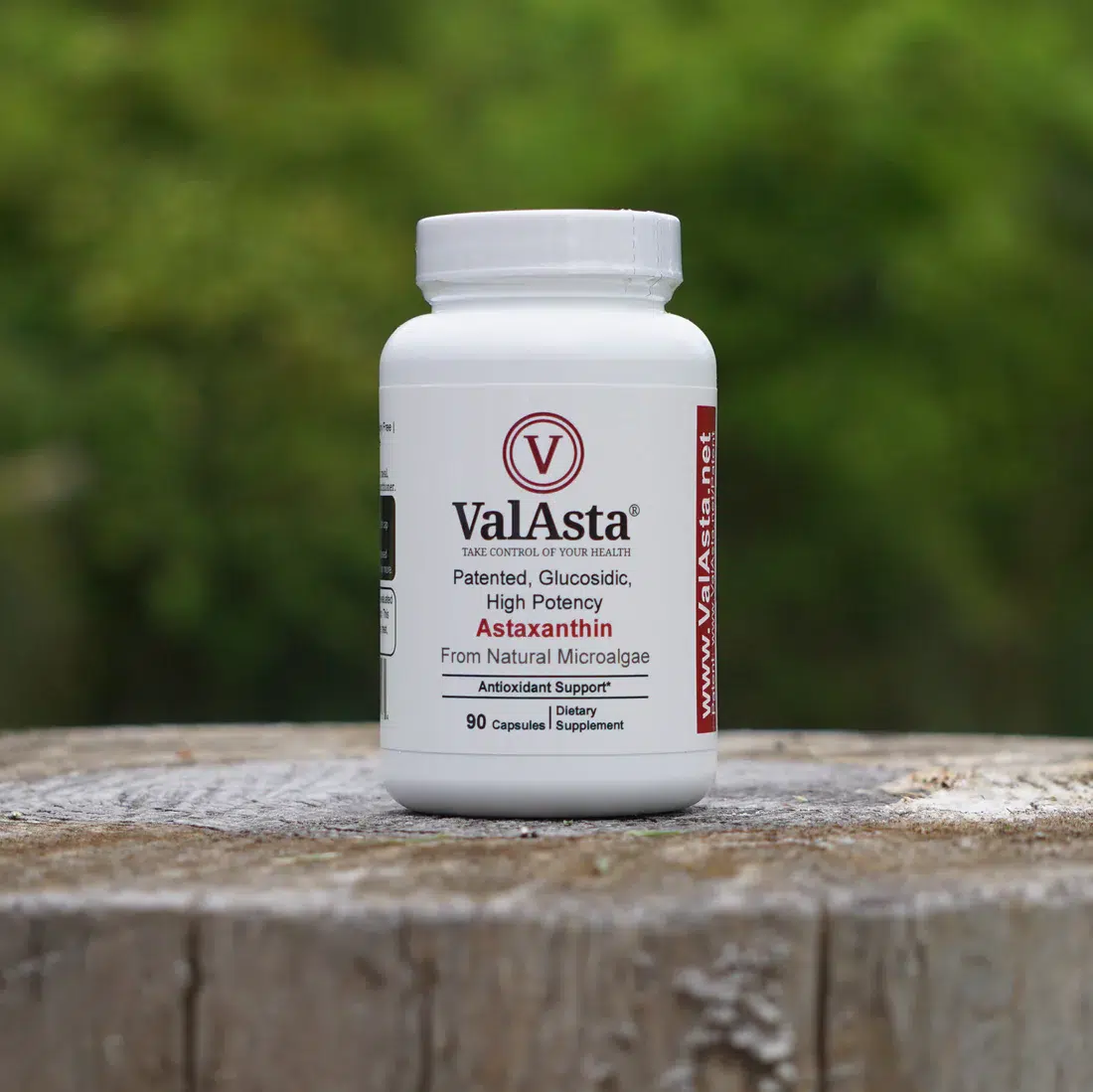
Dr. Barrett shares his personal experience with ValAsta’s astaxanthin — reduced inflammation, improved gut health, and faster recovery. Discount code POI5 for 5% off at valasta.net.
17:04 — Induced Peripheral Neuropathy
Tremblay describes losing all sensation in his body after day 10, testing it by sitting through a 5.5-hour tattoo session without feeling any pain, and taking over six months to fully regain normal sensation. Dr. Barrett notes this is, in effect, an induced peripheral neuropathy — a novel presentation relative to the hundreds of documented neuropathy types in his own 30-year clinical practice.
20:52 — Nutrition Strategy
To minimize digestion time during the race, Tremblay followed a strict vegan approach built around fruit, shakes, one daily serving of oatmeal, and seeds for micronutrients, supplemented with Precision Fuel and Hydration products for carbohydrate (glucose) and sodium needs. He is clear the approach was built for racing efficiency, not as a general endorsement of veganism.
23:16 — Hardest Discipline: Swim, Bike, or Run
Tremblay found cycling personally the most difficult (he considers himself a weaker cyclist), while running was the hardest on his body due to cumulative pounding and inadequate sleep. Swimming, by contrast, was his most relaxing segment.
24:36 — Mental Games & Shark Preparation
His core mental strategy was breaking the event into discrete steps — swim, bike, run — rather than thinking about the race as a whole. To remove uncertainty from ocean swimming, he paid professionals two weeks before the event to accompany him into shark-populated water and train him on shark behavior and reaction protocols in advance.
28:20 — From Epic Deca to a Book to an Academy
After the race, Tremblay wrote the bestselling book “Hunger for More in Life” (published in French, English, and Spanish), which led directly to founding the Hungry Warrior Academy.
29:19 — Hungry Warrior Academy: Structure
The academy offers online courses, one-on-one coaching packages, and in-person retreats. Tremblay, who is also a trained naturopath, positions the program’s approach as fact- and logic-based rather than the high-pressure, profanity-driven style common in men’s coaching.
30:44 — Sponsor: BBack
Dr. Barrett reviews the BBack 0524 shoe — classified as a medical device in Europe — describing pain-free running without an orthotic device. Discount code POI10 for 10% off at BBackWorld.us.
31:43 — Who the Academy Serves
The Hungry Warrior Academy works exclusively with men, given its in-person, male-coached retreat model, while Tremblay’s separate clinic practice serves all clients regardless of gender.
32:30 — Demographic & Philosophy
Tremblay describes the typical client as defined by desire for transformation rather than wealth or education — often a “broken man” who has lost hope after being failed by a system. He references Viktor Frankl’s “Man’s Search for Meaning” on the role of purpose in resilience, and is candid about his own history of failure as the basis for his credibility with clients.
35:40 — Outcomes & Timeline
Program length varies by client need, from a single weekend to as long as a year. Tremblay reports a 100% success rate across financial and weight-loss goals, citing one client who progressed from an inability to articulate his goals to signing a $50 million business deal after a year in the program.
37:53 — No Psychedelic-Like States During the Race
Tremblay clarifies he did not experience hallucinatory or psychedelic-like states during the Epic Deca, describing the experience instead as comparatively restful next to his military and firefighting background, and notes he proactively cut off contact with negative influences before the race began.
39:56 — Cold Water Immersion & IISA
Tremblay is vice president of the Canadian chapter of the IISA (International Ice Swimming Association) and discusses using cold exposure (jumping in snow at temperatures near -30°C) to manage a period of depression during his transition from military to civilian life. Ice swimming requires water at 5°C (about 41°F) or colder.
43:00 — The Turning Point Behind the Academy
The pivotal moment came after the race, not during it: Tremblay sold his house to help fund the roughly $100,000 cost of the Epic Deca, and describes a humbling realization — upon returning home with no money and no plan — that his accomplishment needed to be shared to help others, not treated as a personal trophy.
44:45 — Where to Find the Academy
Tremblay directs listeners to HungryWarriorAcademy.com, with the program also active on TikTok, YouTube, Facebook, and LinkedIn.
Sponsors Of The Episode




BBACK US
BBACK is a balance shoe that improves movement and makes each step easier.
PRO-DYNAMIC® tech supports natural motion, reduces pressure, and aids circulation.
Use code: POI10 for 10% off your order









Approved Medical Solutions
Your source for Oxalate free Nitric Oxide Supplementation
Non-licensed patients can use code “sbarrett” for a 10% discount.
Licensed practitioners can access the discounts by registering and when at checkout put “podofinquiry” (no space and not case sensitive) in the coupon section.

Ketone
Nitric Oxide
ClearDetox Pro & ClearSleep