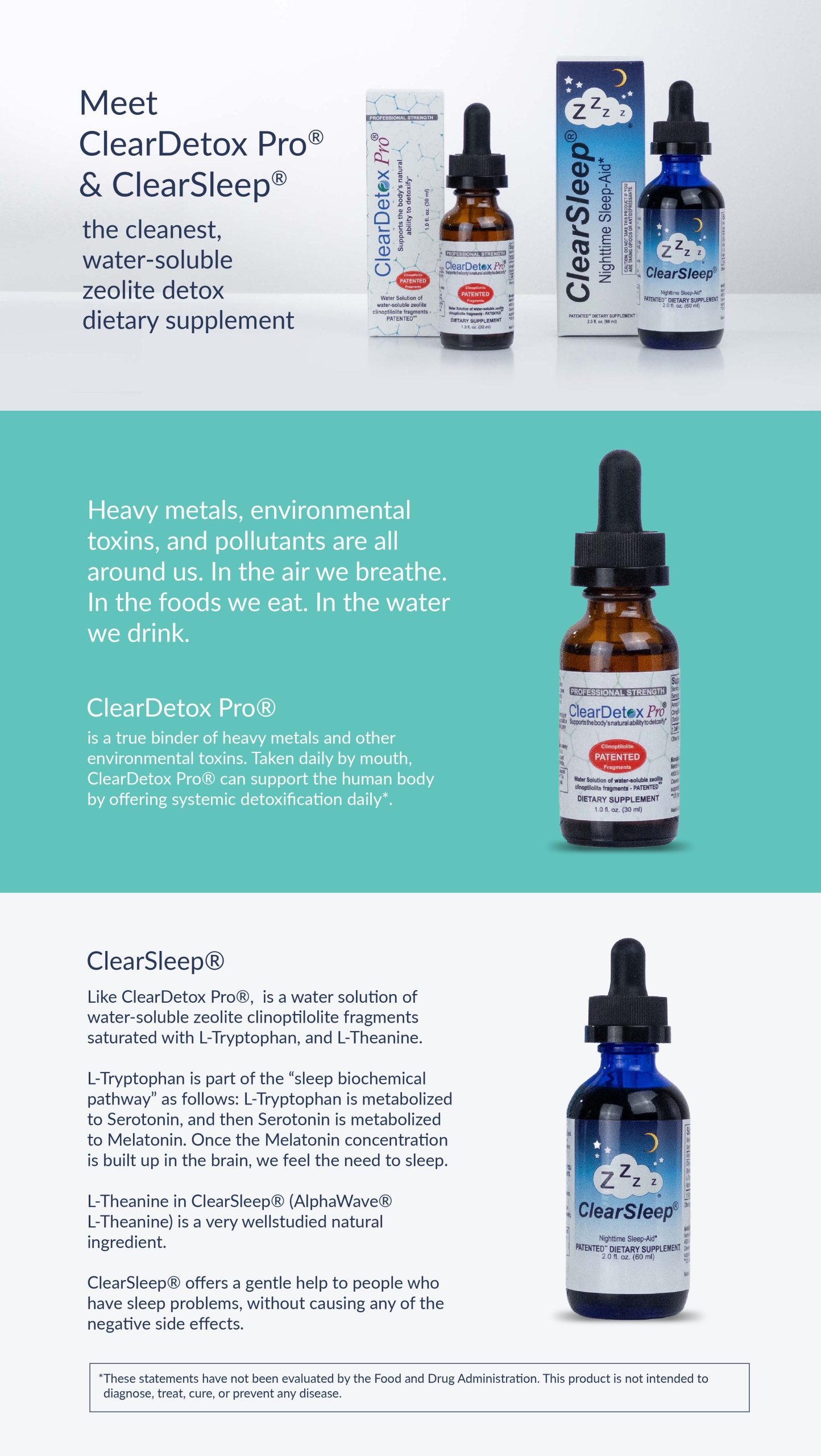
What if viruses could save your life when antibiotics fail? Discover the science of bacteriophage therapy and the remarkable story behind one of the most extraordinary cases in modern medicine.
On this episode of The Pod of Inquiry, Dr. Robert “Chip” Schooley, Distinguished Professor of Medicine at UC San Diego and co-director of IPATH, joins Dr. Stephen Barrett to explain how bacteriophages helped treat a life-threatening, multidrug-resistant Acinetobacter infection in UC San Diego professor Tom Patterson.
After months in intensive care and repeated antibiotic failures, Patterson’s medical team turned to an experimental approach: intravenous phage therapy, using viruses that infect and kill bacteria. Dr. Schooley takes us behind the scenes of this groundbreaking case, including the international effort to locate matching phages and the scientific detective work that helped guide treatment. (The Power of Phage Therapy)
In this episode:
- 🔬 What bacteriophages are and how they target bacteria
- 🦠 The science behind phage therapy and antibiotic-resistant superbugs
- 🧬 How bacteria defend themselves using restriction enzymes and CRISPR
- 🩺 Why bacterial biofilms make prosthetic joint infections difficult to treat
- 🌎 The challenges of sourcing phages for life-threatening infections
- 📊 What researchers know about phage therapy outcomes and its limitations
- 💡 One important step clinicians can take: asking their laboratory to preserve bacterial isolates for potential phage testing
With antimicrobial resistance threatening the effectiveness of existing antibiotics, could bacteriophage therapy become an important part of the future of infectious disease treatment?
Watch this fascinating conversation with Dr. Robert Schooley to explore the science, challenges, and potential of personalized phage therapy.
👍 LIKE this video, SUBSCRIBE to The Pod of Inquiry, and turn on notifications for more conversations exploring human optimization and understanding.
Watch The Podcast
Listen to The Podcast
Also available on


Author Biography
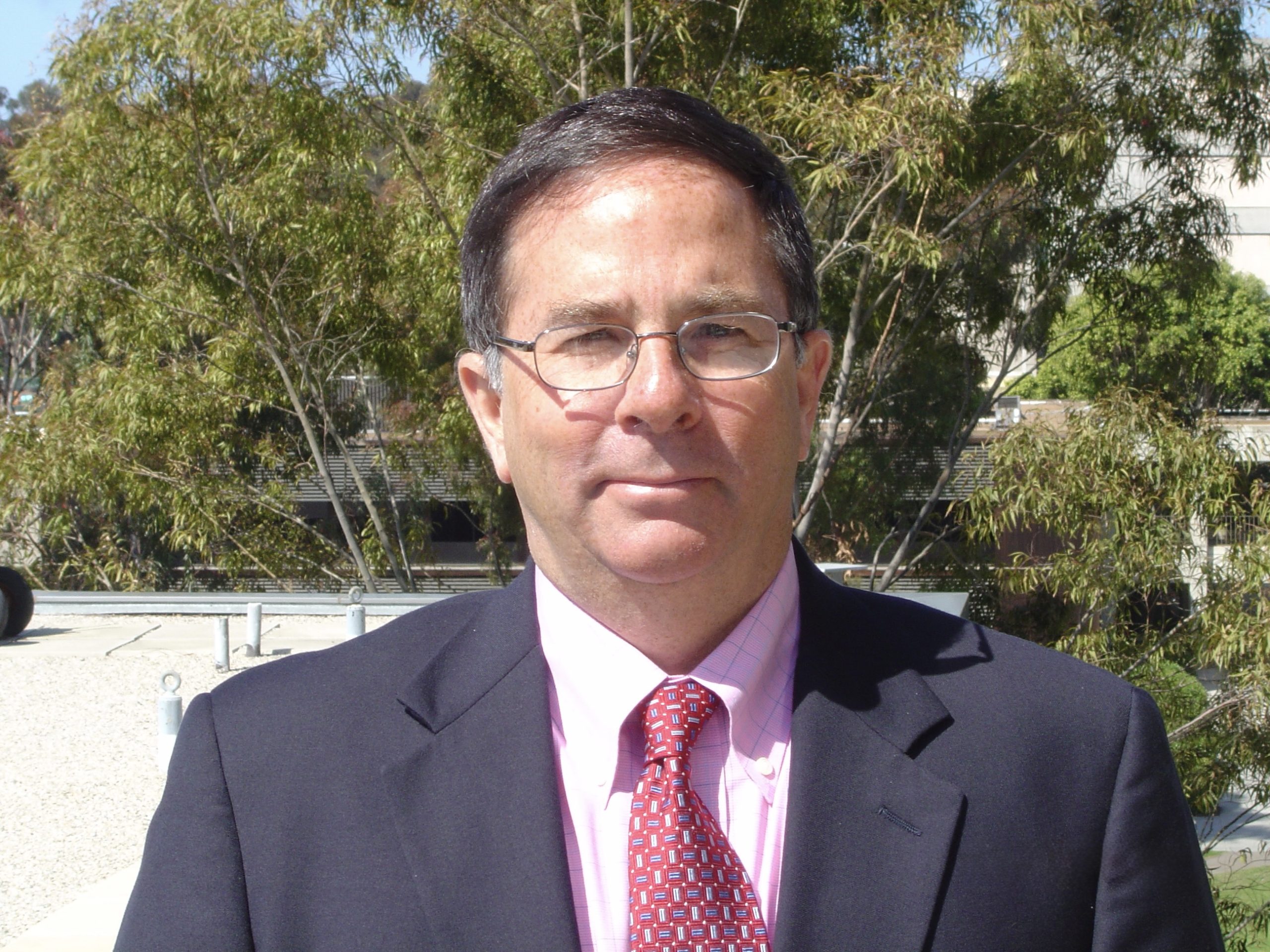
Dr. Robert Schooley
Dr. Robert “Chip” Schooley is a Distinguished Professor of Medicine in the Division of Infectious Diseases and Global Public Health at UC San Diego and Co-Director of the Center for Innovative Phage Applications and Therapeutics (IPATH), the first dedicated phage therapy center in North America. A graduate of the Johns Hopkins University School of Medicine, where he also completed his internal medicine residency, he trained in infectious diseases at the NIH and Massachusetts General Hospital before joining the Harvard Medical School faculty in 1981.
He went on to head the Division of Infectious Diseases at the University of Colorado and chaired the NIH’s AIDS Clinical Trials Group from 1995 to 2002, a period in which the group performed many of the seminal studies that defined modern antiretroviral therapy. He led UC San Diego’s Division of Infectious Diseases from 2005 to 2017 and has served as Editor-in-Chief of Clinical Infectious Diseases. After his landmark treatment of a colleague’s multidrug-resistant Acinetobacter baumannii infection, he co-founded IPATH with Dr. Steffanie Strathdee and has since become one of the most influential voices advancing phage therapy for antibiotic-resistant infections.
Show Notes from this episode
Show Notes/Timestamps:
00:00 Episode preview — Dr. Barrett introduces Dr. Robert Schooley and the case that launched modern phage therapy in the U.S.
01:03 Pod of Inquiry intro
01:31 Welcome and Dr. Schooley’s background in antiviral research on HIV, hepatitis C, and herpesviruses
02:23 Tom Patterson falls ill on a Nile barge in Egypt — pancreatitis and a large pancreatic pseudocyst
03:36 Transfer to Frankfurt and the diagnosis: multidrug-resistant Acinetobacter baumannii
04:20 Why Acinetobacter is so dangerous, and the problems it caused for U.S. troops wounded in the Middle East
05:12 Back to UCSD’s ICU — four months of abscesses, drains, and steady decline
06:07 Organ failure, 100 pounds of weight loss, and the conversation about futility
06:33 Steffanie Strathdee finds a PubMed paper from Georgia’s Eliava Institute on Acinetobacter phages
07:38 “We don’t have much to lose” — the decision to try phage therapy
08:32 How the FDA handles single-patient and emergency INDs
09:42 The emergency IND pathway: FDA first, then notify your IRB within five business days
11:41 Winning over nurses, pharmacists, and the ICU team on a century-old Soviet-era therapy
13:10 Why phages must be matched to the patient’s specific bacterial isolate
13:58 The phage trail: Georgia to Belgium (Jean-Paul Pirnay) to Texas A&M (Ry Young)
15:20 The Georgian phages don’t work — but Texas A&M finds new ones in the environment
15:46 The U.S. Navy’s phage program screens its library and finds a half dozen active phages
16:55 Growing phages at scale and the endotoxin purification problem
18:22 San Diego State and the Navy purify phage cocktails in about three weeks
19:15 First delivery through abscess drains, then the decision to go intravenous
20:33 Within 48 hours, Tom wakes up and recognizes his daughter for the first time in weeks
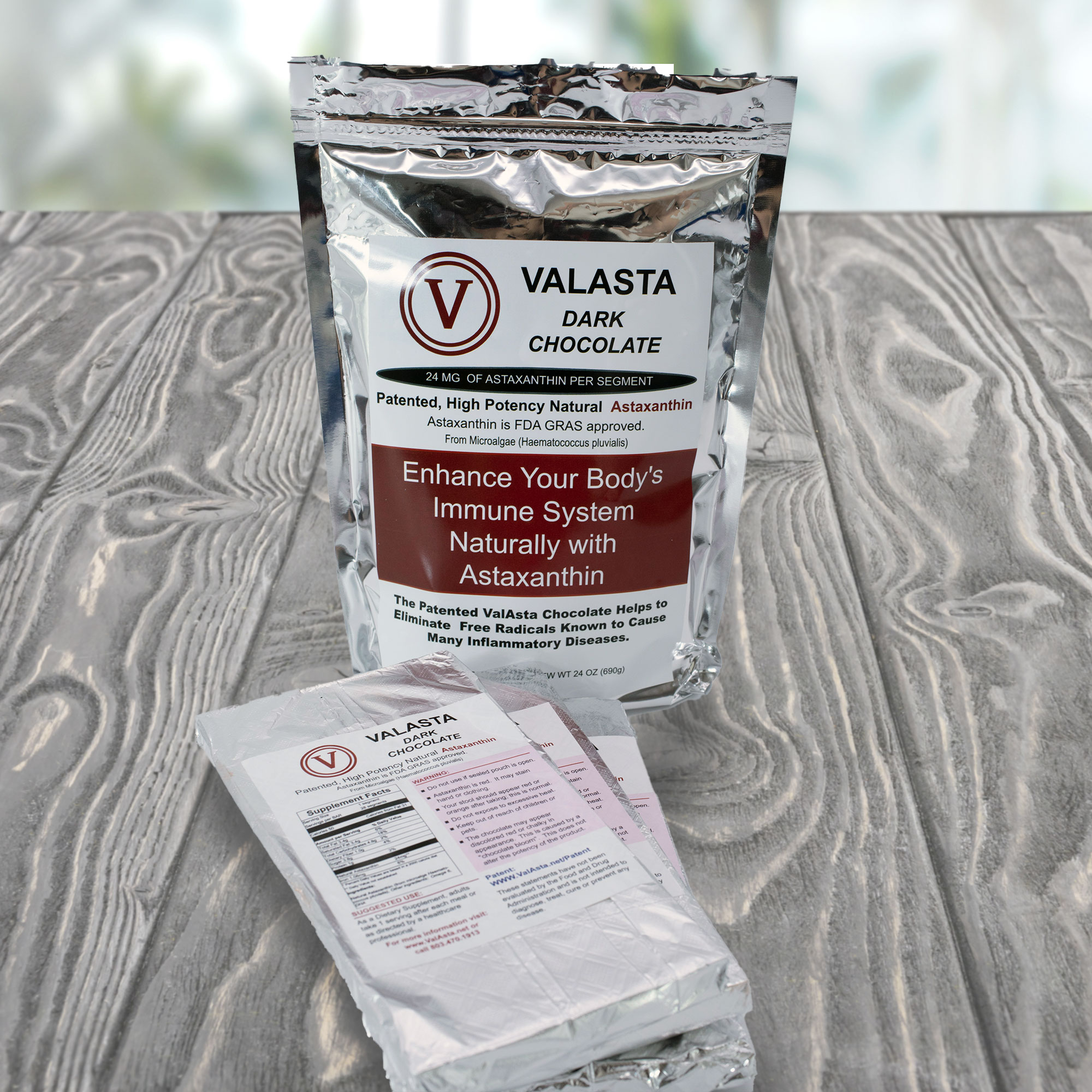
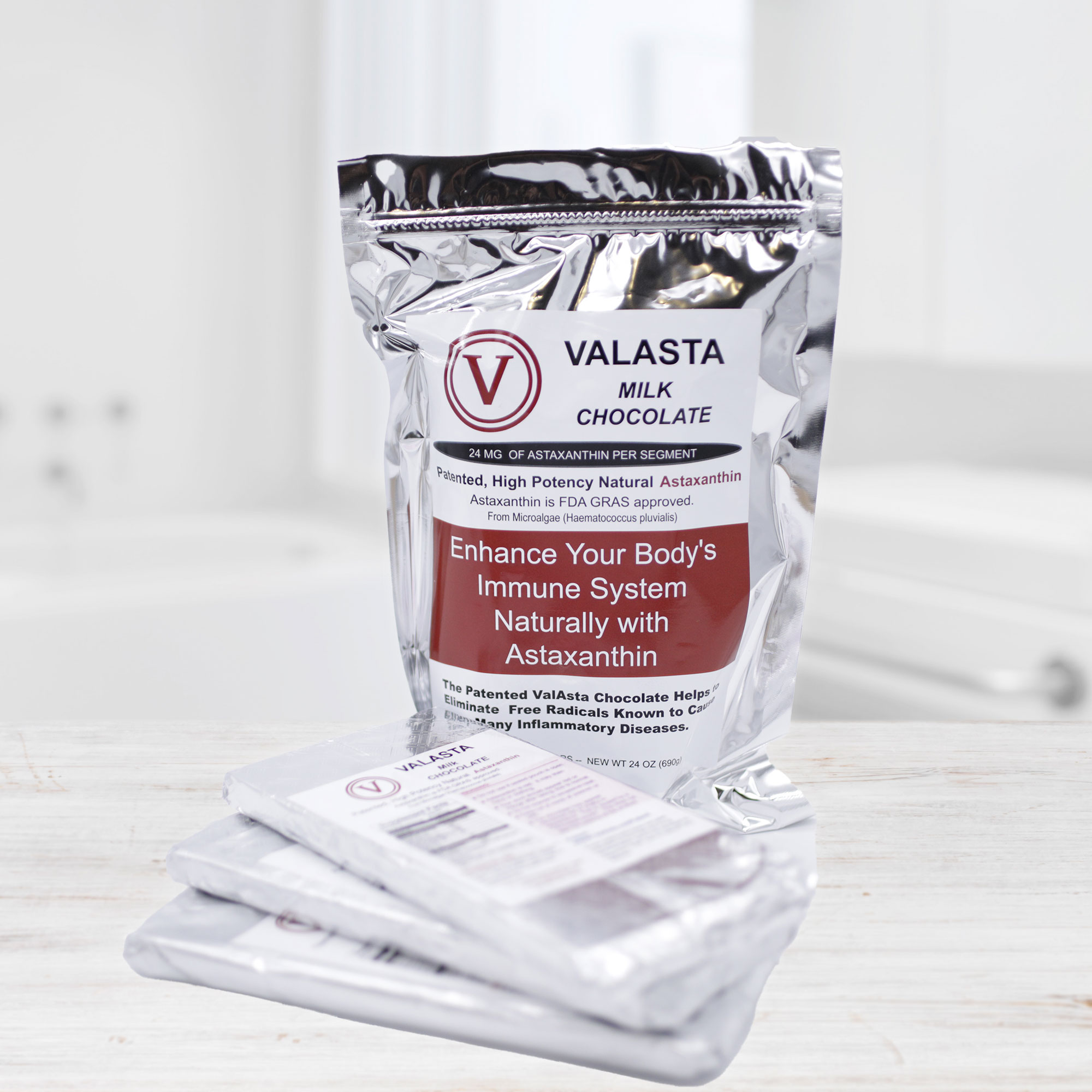
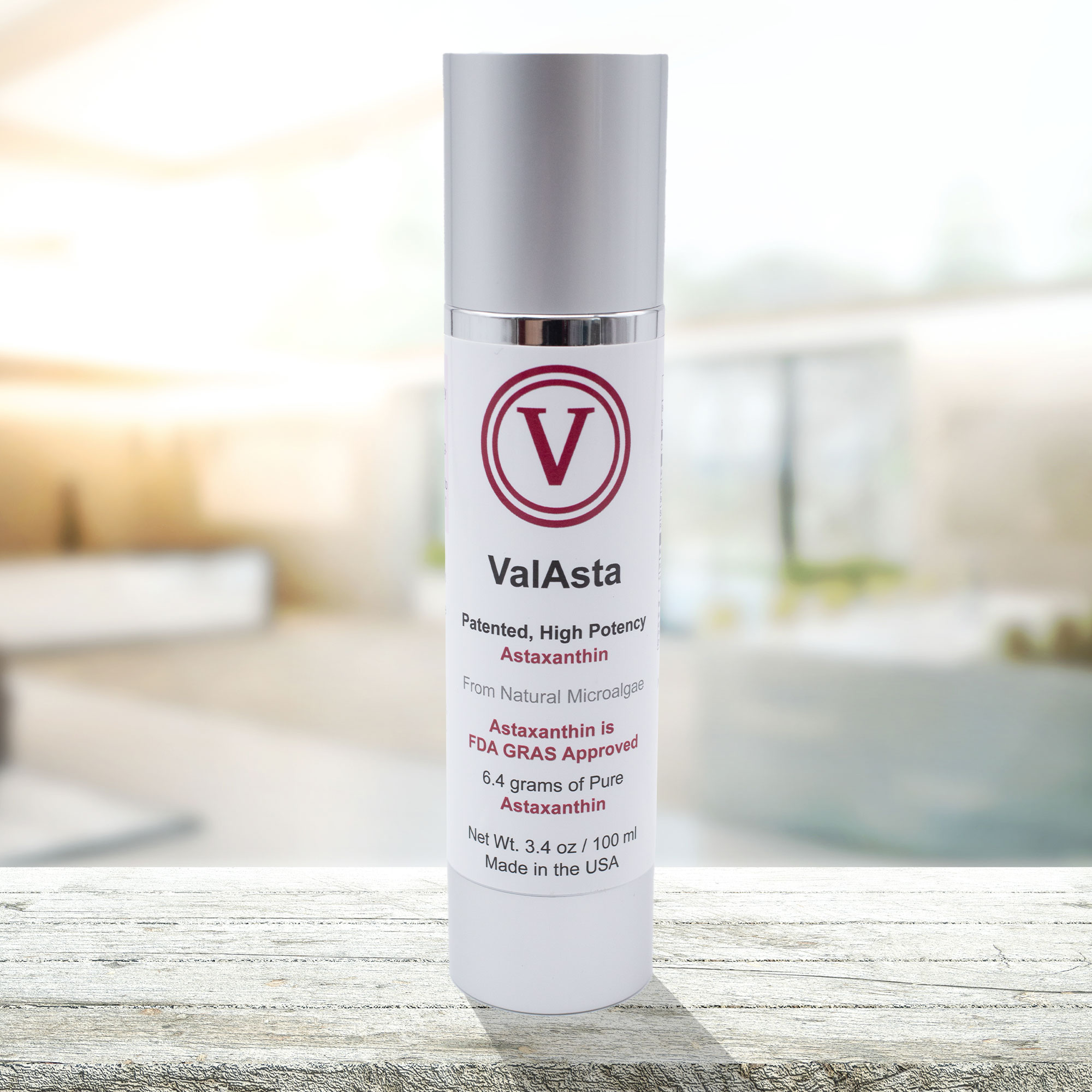
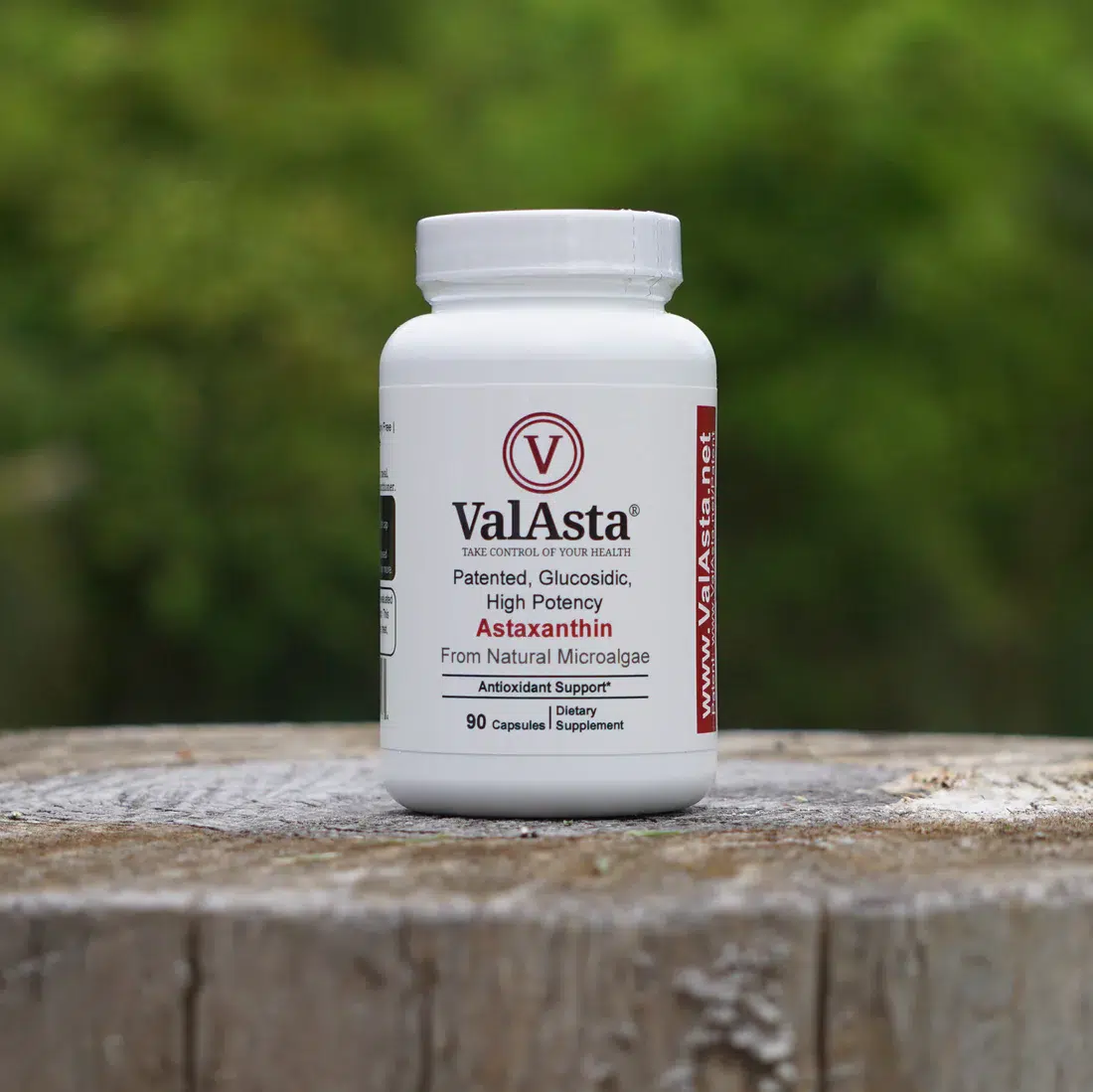
20:48 Sponsor: ValAsta Astaxanthin (code POI5)
21:39 A clinical turnaround on the timeline you’d expect from the right antibiotic
22:05 Endotoxin concerns — contaminated preps versus mass bacterial killing
22:52 The 5 a.m. call: “The phages are killing him”
24:07 Cytokine expert Charles Dinarello and the Institut Pasteur data on phage-mediated endotoxin release
26:16 The real culprit: a secondary Bacteroides bacteremia from his necrotic pancreas
26:47 The second crisis: atrial fibrillation from low potassium, not the phages
27:53 Tom’s recovery — and dinner together ten years later
28:20 How Acinetobacter is likely acquired
29:28 What is a bacteriophage? “Bacteria eater” and its discovery around 1910
31:01 The most numerous biological entities on Earth — roughly 10^31 phages
31:43 Phages in the human gut and what fecal transplants may really transfer
32:28 The evolutionary arms race: bacterial defenses against phage
33:22 Restriction enzymes and CRISPR — bacterial inventions against phage that became our genetic engineering tools
34:32 How phages adapt to resistant bacteria
35:38 Resistance during Tom’s therapy — and why losing its capsule made the bacteria easier to kill
36:50 Phage–antibiotic synergy and targeting bacterial efflux pumps
37:26 Pharmacology of a self-replicating antimicrobial
38:47 The future of phage therapy: commercialization and academic single-patient programs
40:12 UCSD’s IPATH center — basic science, clinical trials, and physician support
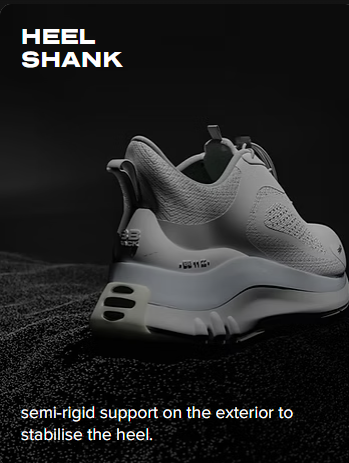
40:40 Sponsor: BBack 0524 footwear (code POI10)
41:33 How IPATH helps physicians find active phages and navigate regulation
42:08 Bottlenecks: few labs, no dedicated funding, and $5,000–$10,000 per phage
42:52 Why Staph phages are easy to find and Acinetobacter phages are hard
43:59 Lysogenic phages, mycobacteria, and the need for genetic engineering
45:11 Research pharmacy fees, physician time, and IND paperwork as barriers
46:56 Only about a quarter of inquiries are true phage therapy candidates
48:06 Why a lab report isn’t enough — you need the living organism
48:39 Key tip for physicians and stewardship pharmacists: ask the lab to save the isolate
49:11 Success rates: about 65–70% in published series, and their caveats
51:40 Why 65% means something different for patients with no options left
52:16 Prosthetic joint infections and the limits of current approaches
53:28 How phage lysins dissolve biofilms
54:12 Are some implant materials more prone to biofilm? Risk factors that matter more
56:15 How physicians can reach IPATH and refer patients
57:41 Phages have been at this for 300 million years; antibiotics for 80
58:41 What it will take: clinical trials, industry, and government investment
59:28 Sponsor: Approved Medical Solutions Clean Ketone Formula
Key Topics & Concepts
- Bacteriophage biology and the phage life cycle
- Multidrug-resistant Acinetobacter baumannii
- FDA single-patient and emergency IND pathways
- Patient-specific phage matching and screening
- Endotoxin purification for intravenous phage preparations
- Restriction enzymes and CRISPR as bacterial anti-phage defenses
- Phage resistance, capsule loss, and host immunity
- Phage–antibiotic synergy and efflux pump targeting
- Biofilms, phage lysins, and prosthetic joint infections
- Lytic versus lysogenic phages
- Barriers to access: funding, lab capacity, research pharmacies
- Antimicrobial resistance and the antibiotic pipeline
Resources & References Mentioned
- IPATH — Center for Innovative Phage Applications and Therapeutics, UC San Diego: ipath.ucsd.edu (physician and patient inquiries)
- The Perfect Predator: A Scientist’s Race to Save Her Husband from a Deadly Superbug — Steffanie Strathdee and Thomas Patterson (2019)
- Schooley RT, et al. “Development and use of personalized bacteriophage-based therapeutic cocktails to treat a patient with a disseminated resistant Acinetobacter baumannii infection.” Antimicrobial Agents and Chemotherapy (2017)
- Pirnay J-P, et al. Retrospective observational analysis of 100 consecutive cases of personalized phage therapy. Nature Microbiology (2024)
- Eliava Institute of Bacteriophages, Microbiology and Virology — Tbilisi, Georgia
- Queen Astrid Military Hospital phage program (Dr. Jean-Paul Pirnay) — Brussels, Belgium
- Center for Phage Technology, Texas A&M University (Dr. Ry Young)
- S. Navy bacteriophage program, Naval Medical Research Center
This Episode’s Sponsors
- ValAsta Astaxanthin — valasta.net — code POI5 for 5% off
- BBack Footwear (0524) — bbackworld.us — code POI10 for 10% off
- Approved Medical Solutions — Clean Ketone Formula with nature-identical ketones
Disclaimer
This podcast is designed for informational purposes only and does not constitute any medical or surgical consulting advice or imply development of any physician-patient relationship. The opinions of guests featured on the show are not necessarily the opinions of Dr. Barrett or the production team. This podcast is owned solely by Barrett Medical and Surgical Media LLC. Invited guests are not vetted by the Pod of Inquiry for their qualifications and may have a direct or indirect financial interest in what they present and discuss. It is the responsibility of the listener to perform their own due diligence prior to the implementation of any ideas, products, techniques, or anything discussed on the show.
Sponsors Of The Episode


BBACK US
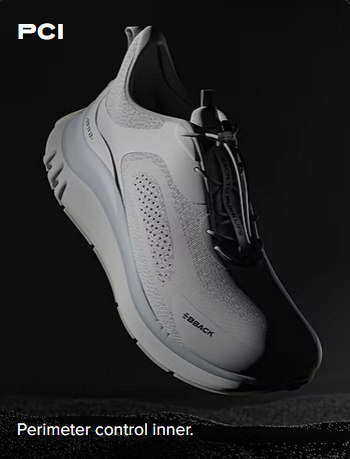
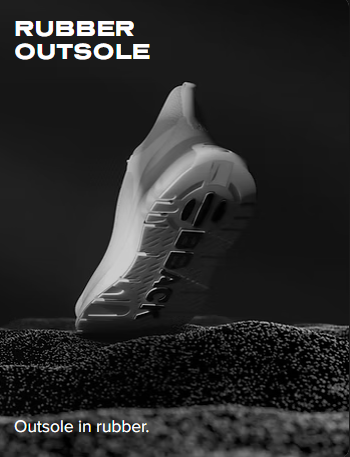
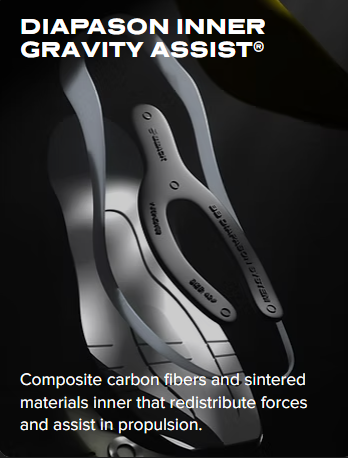
BBACK is a balance shoe that improves movement and makes each step easier.
PRO-DYNAMIC® tech supports natural motion, reduces pressure, and aids circulation.
Use code: POI10 for 10% off your order



Approved Medical Solutions
Your source for Oxalate free Nitric Oxide Supplementation
Non-licensed patients can use code “sbarrett” for a 10% discount.
Licensed practitioners can access the discounts by registering and when at checkout put “podofinquiry” (no space and not case sensitive) in the coupon section.

Ketone
Nitric Oxide
ClearDetox Pro & ClearSleep