
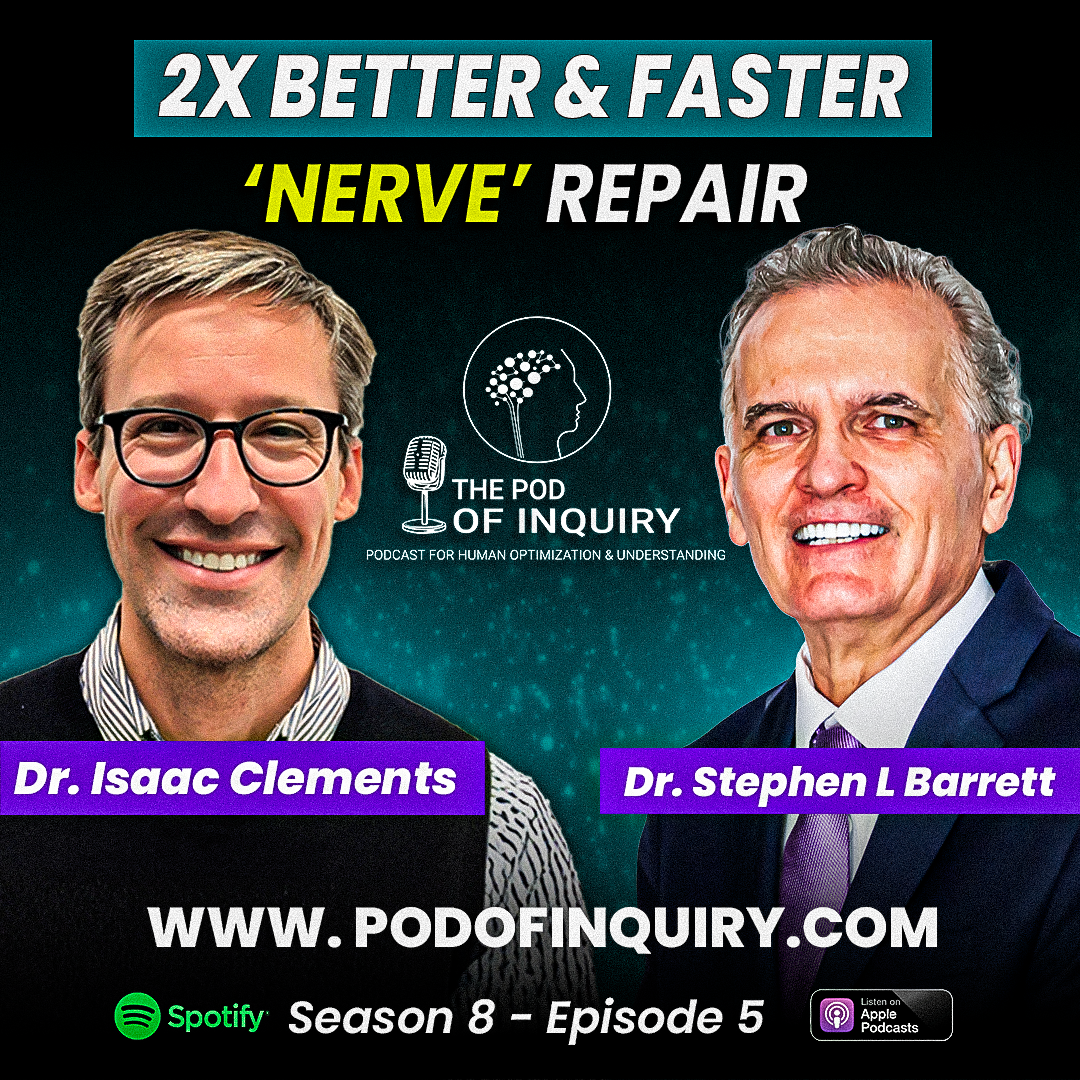
🧠 What if peripheral nerve repair didn’t require delicate microsutures—and worked better?
In this episode, we talk with Dr. Isaac Clements, the inventor of NerveTape, a sutureless nerve repair device that’s changing how surgeons reconnect damaged nerves.
Originally discovered by accident during neural interface research, NerveTape uses shape-memory nitinol (the same material used in heart stents) to align and stabilize nerve ends—making repairs faster, more consistent, and potentially more successful than traditional microsurgical techniques.
⚠️ Even in expert hands, traditional nerve repair achieves good recovery less than 50% of the time. NerveTape aims to raise that bar. (2x Better and Faster Nerve Repair)
🧬 In This Episode, You’ll Learn:
- How NerveTape works and why no sutures are needed
- Why alignment matters more than stitching in nerve regeneration
- How the device reduces surgical time and technical difficulty
- The role of shape-memory alloys in medical devices
- How this tech may reduce neuroma risk and improve outcomes
- What this means for trauma, hand surgery, and nerve injuries
Whether you’re a surgeon, medical student, bioengineer, or just into cutting-edge medical tech, this conversation offers a rare look at how real innovation happens—and how it can change patient outcomes.
🎧 Don’t miss this deep dive into the future of nerve repair and regenerative surgery.
Watch The Podcast
Listen to The Podcast
Also available on


Author Biography

Isaac Clements, PhD
Dr. Clements is co-founder and Chief Scientific Officer at BioCircuit Technologies, an Atlanta-based medical device company. He has over 20 years of experience developing and commercializing neurotechnology, including Nerve Tape®, a device for suture-free nerve repair. Dr. Clements earned his PhD and MS degrees in Bioengineering and Electrical Engineering from the Georgia Institute of Technology, and his BE degrees in Biomedical and Electrical Engineering from Vanderbilt University, where he graduated with highest honors.
Show Notes from this episode
[00:00] – Podcast introduction highlighting Dr. Isaac Clements and his revolutionary NerveTape device for peripheral nerve surgical repair – described as comparable to replacing a slide rule with a computer in terms of advancement.
[01:27] – Interview begins with introductions. Dr. Clements discusses his PhD in neural engineering from Georgia Tech’s joint program with Emory University, focusing on nerve regeneration and neural interfacing.
[04:36] – Discussion of the original device that led to NerveTape – was designed for electrical interfacing with nerves using small hooks for mechanical gripping.
[05:00] – The hooks made strong mechanical connections to nerves with minimal tissue invasion, limiting to paraneural penetration.
[05:13-05:21] – Early experiments showed promising results even though the device wasn’t initially designed for mechanical nerve interfacing.
[06:24] – Confirmation that NerveTape was actually a byproduct of developing another device for measuring neural signals – a case of serendipity.
NerveTape Product Overview
[07:40] – Introduction of NerveTape as a device for repairing peripheral nerves without sutures, addressing the complexity of nerve repair microsurgery.
[07:49-08:17] – Context on nerve repair challenges: requires extensive training, is time-consuming and complex, yet achieves satisfactory recovery less than half the time despite best efforts.
[08:17] – Background on nervous system differences: central vs. peripheral nervous system have very different injury response strategies.
[08:54] – Explanation of nerve injury mechanics: cell bodies remain in/near spinal cord, everything distal to injury dies (like cutting a tree branch), but proximal nerve stump retains regenerative potential.
[09:42-10:00] – Discussion of nerve regeneration challenges including the long distances from fingertips to toes.
[11:20] – Multiple factors affect regeneration outcomes: distance from cell body, inherent difficulties with long-distance regeneration, and injury mechanism itself.
Problems with Current Nerve Repair Methods
[12:36] – Current repair methods not ideal for guiding axons to targets; misaligned axons can form neuromas – tangled scar tissue causing severe pain.
[12:46] – Neuromas prevent restored sensation and motor function while causing additional pain complications.
[13:34] – Traditional suture repair requires bringing nerves together with precise tension and optimal alignment in challenging operative environments with imperfect nerve access.
[14:01] – Nerve repairs often happen at end of long surgical days when surgeons are fatigued, yet require microscope and highest precision work.
[14:14-14:43] – Multiple studies now demonstrate that repairs are not ideal even from very experienced surgeons, revealing the extent of alignment and technique challenges.
[15:00] – Common problems include pulling nerve ends too close together, forcing fascicles (sub-bundles of axons) in wrong directions, giving them no hope of reaching targets.
[15:22-16:29] – Discussion of nerve gaps and bridging challenges.
[17:29] – Current suture methods use non-absorbable nylon placed manually into the nerve, with limitations extending beyond the epineurium.
Solution: NerveTape Technology
[18:00] – Introduction to what NerveTape addresses: proper alignment, ease and speed of use, keeping axons contained, and improving overall repair quality.
[18:31-18:35] – Discussion of 100% neuroma risk with certain misalignment scenarios.
[18:37-18:46] – Nerve conduits have decades of research showing advantages; they allow the body’s natural neurotropism and endogenous repair mechanisms to function.
[18:58] – Conduits don’t require as much technical precision – just placing nerve ends close together allows the conduit to splint them toward each other.
[23:20] – Key benefit of entubulation aspect of NerveTape – simply wrap it around the nerves for good outcomes.
NerveTape Materials & Design
[25:00] – After many iterations, settled on nitinol (nickel-titanium alloy) for the device material.
[25:10] – Nitinol commonly used in biomedical devices, especially cardiac and neurovascular stents, because its mechanical properties respond to strain more like human tissue than metal.
[26:17-26:20] – Discussion of epineurium thickness variation with nerve size, which is why NerveTape comes in different sizes to match nerve dimensions.
[28:14] – NerveTape aligns nerve ends and provides entubulation within a wrap, working quickly and consistently while being forgiving for surgeons of varying experience levels.
Surgical Technique
[29:02-29:09] – Demonstration of wrapping technique to complete the repair using cadaver nerve.
[29:16] – Procedure steps: hydrate the SIS (small intestinal submucosa) backing material with saline to make it flexible, then place each nerve end with opportunity for precise alignment.
[29:35] – Surgeons can align both ends with option to leave small gap or have nerves “just kissing.”
[29:43] – Technique involves wrapping hooks on shorter leaf first, then wrapping longer leaf around to complete repair.
[30:00] – Additional technical discussion of the wrapping and securing process.
Clinical Evidence & Outcomes
[31:00] – Discussion of early clinical results and comparative data.
[32:00] – Evidence showing improved alignment consistency compared to traditional suture repairs.
[33:00] – Data on time savings during procedures – significantly faster than traditional microsurgical suturing.
[34:00] – Discussion of learning curve for surgeons adopting NerveTape technology.
Advantages & Applications
[35:00] – Comprehensive review of NerveTape advantages: speed, precision, consistency, reduced skill barrier, better outcomes.
[36:00] – Discussion of various nerve types and sizes that can be repaired with NerveTape.
[37:00] – Applications across different surgical specialties including hand surgery, foot and ankle, and general peripheral nerve surgery.
[38:00] – Potential for expanded use in nerve reconstruction and trauma cases.
Future Developments & Research
[40:00] – Ongoing research directions and potential improvements to the technology.
[41:00] – Discussion of additional clinical studies and data collection efforts.
[42:00] – Plans for new sizes and potential modifications based on surgeon feedback.
Technical Deep Dive
[45:00] – Detailed explanation of the micro-hook technology and how it engages with nerve tissue.
[46:00] – Discussion of biocompatibility and tissue integration over time.
[47:00] – Explanation of SIS backing material properties and absorption timeline.
[48:00] – How NerveTape maintains proper nerve gap distance and prevents collapse.
Clinical Adoption & Training
[50:00] – Discussion of surgeon training requirements and adoption process.
[51:00] – Feedback from early adopting surgeons and their experiences.
[52:00] – Comparison of outcomes between experienced and less experienced surgeons using NerveTape.
[53:00] – Case examples and specific surgical scenarios.
Regulatory & Market
[54:00] – FDA clearance status and regulatory pathway.
[55:00] – Market availability and distribution information.
[56:00] – Pricing and insurance coverage considerations.
Conclusion
[57:00] – Summary of key advantages: faster procedures, more accurate repairs, easier learning curve, better outcomes.
[58:00] – Dr. Clements’ vision for the future of peripheral nerve repair.
[59:00] – Contact information and resources for surgeons interested in NerveTape.
[60:00] – Final thoughts on the revolutionary nature of this technology for peripheral nerve surgery.
[61:00] – Closing remarks and appreciation for Dr. Clements’ work.
[62:00] – Podcast outro and call to action for listeners.
Sponsors Of The Episode






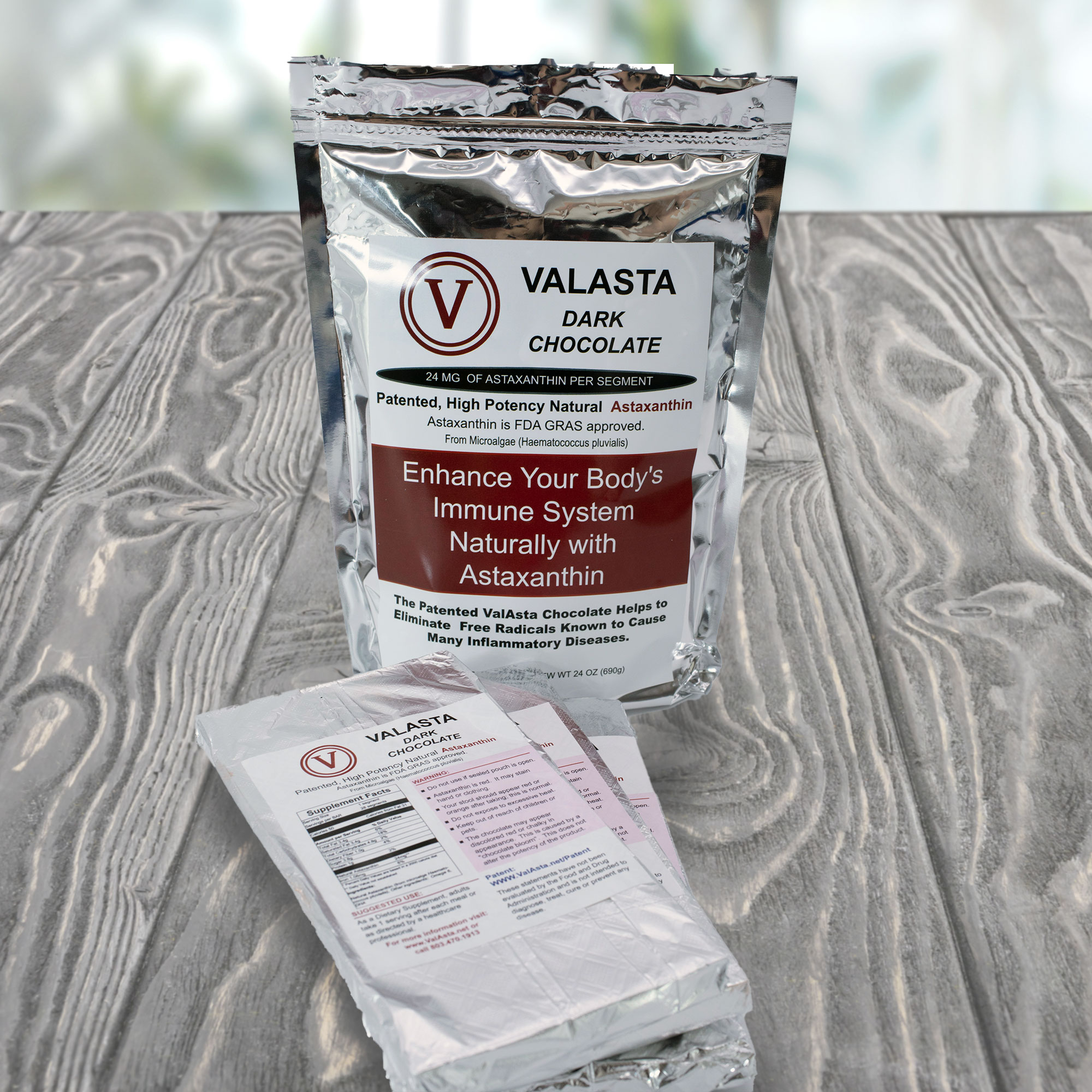
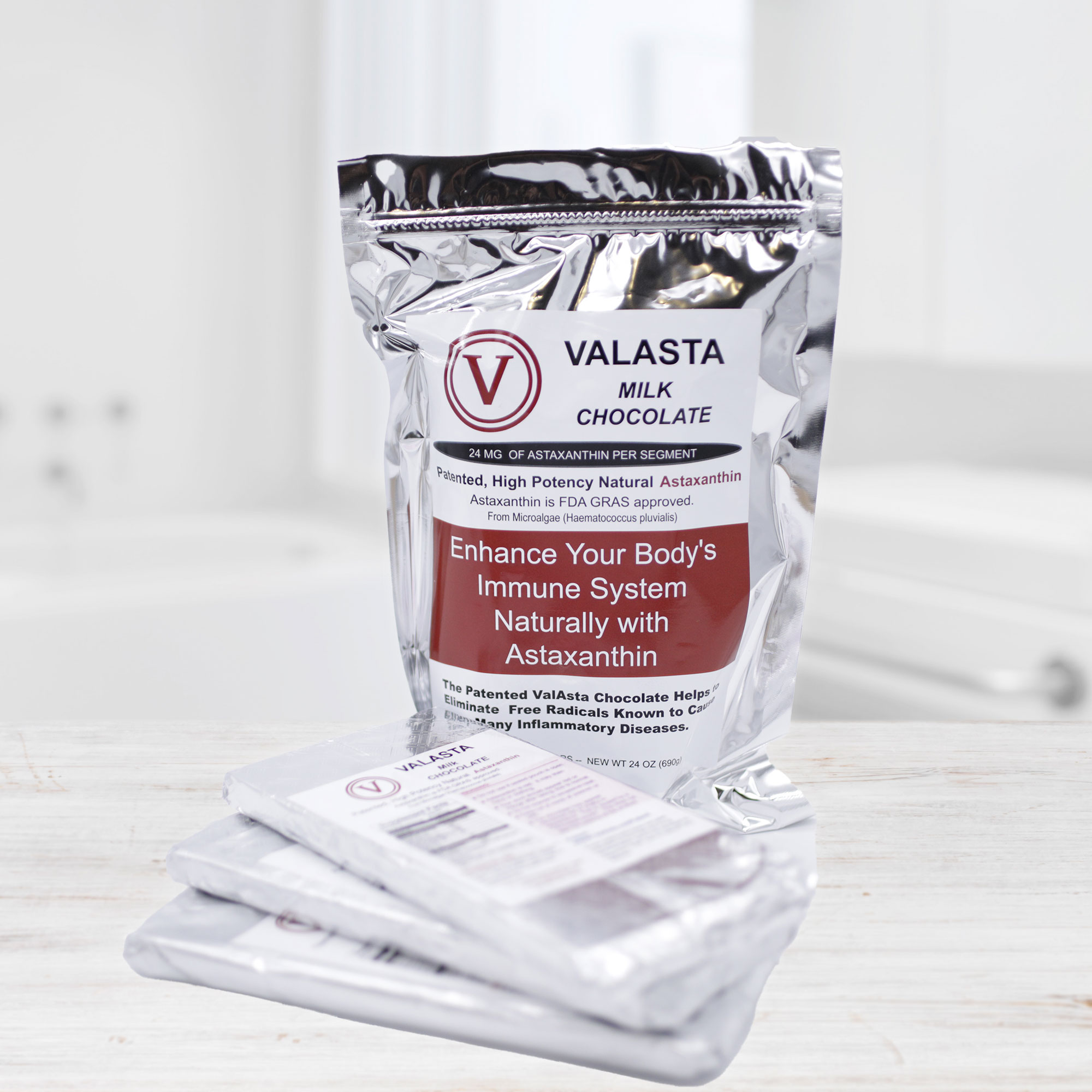


Approved Medical Solutions
Your source for Oxalate free Nitric Oxide Supplementation
Non-licensed patients can use code “sbarrett” for a 10% discount.
Licensed practitioners can access the discounts by registering and when at checkout put “podofinquiry” (no space and not case sensitive) in the coupon section.

Ketone
Nitric Oxide
ClearDetox Pro & ClearSleep