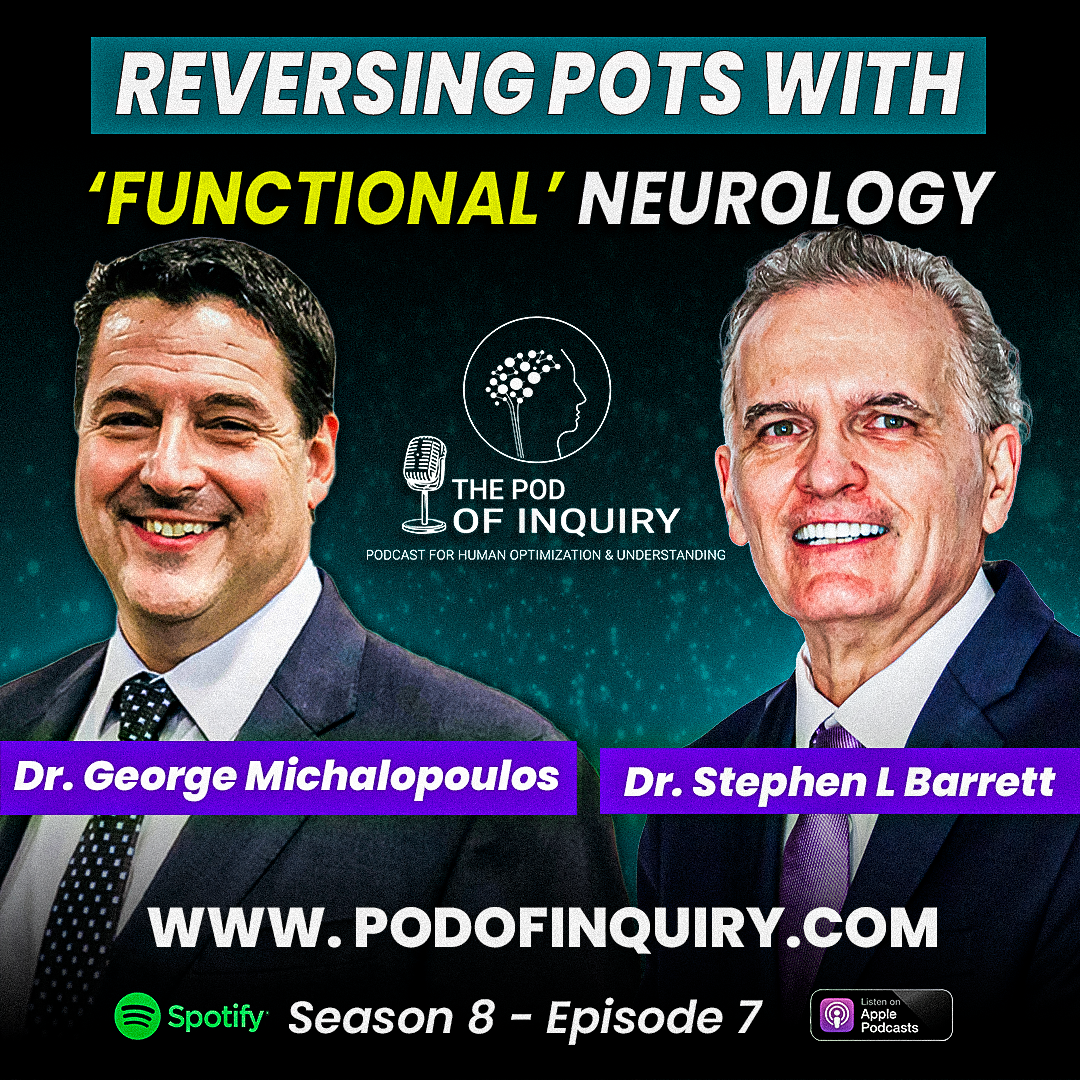
If you or someone you know struggles with POTS (Postural Orthostatic Tachycardia Syndrome)—dizziness, brain fog, fatigue, or rapid heart rate upon standing—this episode offers a radically different way to understand what’s happening and how recovery may be possible.
In this conversation, we are joined by Dr. George Michalopoulos, a Chicago-based functional neurologist, to explore why POTS is not a “broken heart” or a permanently damaged body—but a nervous system that has lost confidence in its predictions. (Reversing POTS with Functional Neurology)
Rather than symptom suppression, this episode dives into root-cause neurology, neuroplasticity, and objective clinical outcomes.
🧬 In This Episode, You’ll Learn:
- Why beta blockers often mask symptoms without correcting the underlying dysfunction
- How viral infections and inflammation disrupt sensory integration and autonomic control
- The neuroplasticity-based approach showing measurable improvements in as little as 12 days
- Why dietary triggers (especially gluten and dairy) can interfere with nervous system recovery
- Real patient outcomes, including balance scores improving from 20% to 95% in 10 days
- Why POTS disproportionately affects women (75–80% of cases) and why cases are rising
Dr. Michalopoulos shares what he’s seeing clinically, how progress is objectively measured, and why restoring nervous system trust—not forcing the body—is key to improvement.
If you’re frustrated with conventional explanations or looking for actionable, evidence-based insights into autonomic dysfunction, this episode goes far beyond standard care models.
🎧 Watch now to rethink POTS, neuroplasticity, and what recovery can look like.
Watch The Podcast
Listen to The Podcast
Also available on


Author Biography
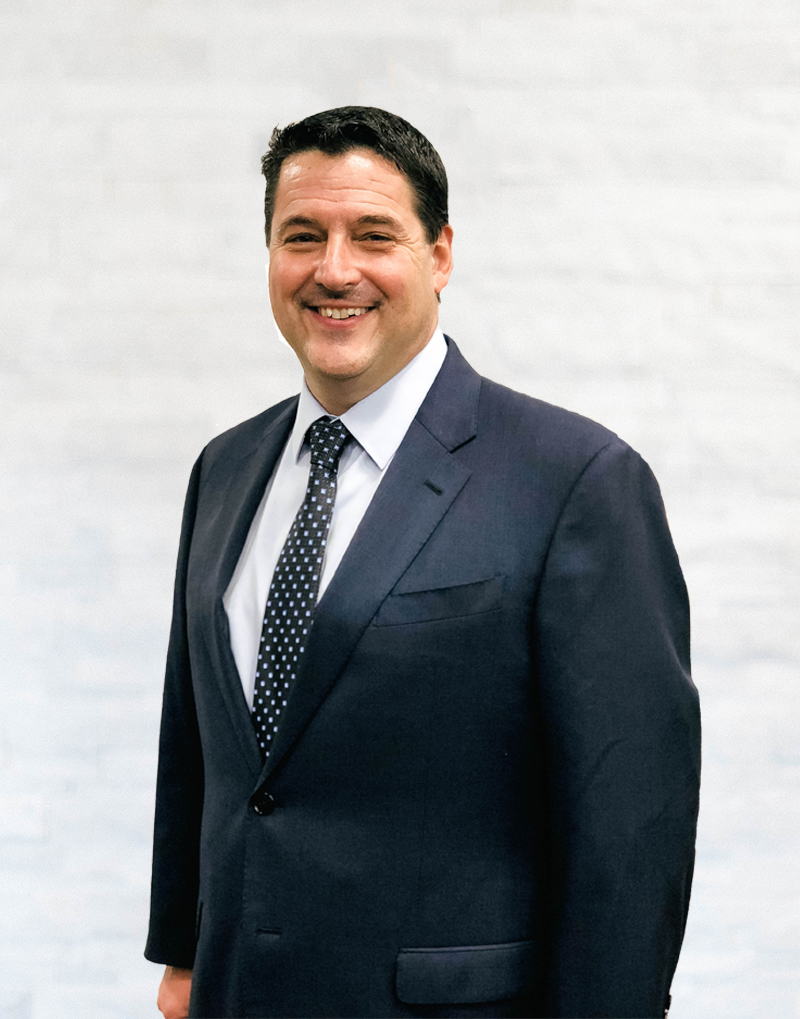
Dr. George Michalopolous
Dr. George Michalopoulos has been in practice for 35 years in Addison and Wood Dale and is the founder and chairman of the Neurologic Wellness Institute. He strives to restore his patient’s health in the shortest period of time utilizing a multi-disciplinary approach including, brain-based rehabilitation, physical therapy, diet, and education of the patient’s existing problems.
Dr. George has completed the highest level of training in Functional Neurology by attaining his Diplomate in Chiropractic Neurology / Functional Neurology. Dr. George is also Fellowship trained in Brain Injury and Rehabilitation and concentrates on complex neurologic injuries such as concussion / mTBI.
Dr. George is Fellowship trained in Childhood Developmental disorder and is certified in electrodiagnosis studies including needle EMG, NCV and SSEP. He is also certified in QEEG and neurofeedback treatment. He is the only double board certified and triple fellowship trained Chiropractic Neurologist in Illinois.
Born in Toronto, Ontario, Canada, he did his undergraduate studies at Queen’s University in Kingston, Ontario. He is also a graduate of the Global Clinical Scholar Research Training program at The Harvard Medical School in Boston, MA, where he studied biostatistics and epidemiology with a concentration in clinical trials and secondary analysis.
Dr. George still plays competitive hockey and is a die-hard Toronto Maple Leafs fan. He has dedicated much of his time and effort to educating the industry and community on the care and prevention of low back, neck, workplace, and sports injuries, along with the treatment of complex neurologic disorders. Over the years, Dr. George has had the privilege of treating numerous professional athletes, including players from the NHL, NFL, and MLB. He is also active in the charitable efforts of the Chicago Blackhawks hockey club and proudly mentors scholarship recipients through the Keith Magnuson and Jack Fitzsimmons Chicago Blackhawk Scholarships.
Professional memberships and charity organizations include, Board Member of the Commission on Accreditation of Graduate Education in Neurology, Member of the American Chiropractic Neurology Board, Adjunct Faculty National University of Health Sciences, American College of Functional Neurology, Illinois Chiropractic Society, Charter Member of the International Association of Functional Neurology and Rehabilitation, Multidisciplinary Academy of Affiliated Medical Arts (M.A.A.M.A.), Chicago Blackhawks Hockey Club Alumni Association, Mentor of Scholarship winners for the Keith Magnuson and Jack Fitzsimmons, Chicago Blackhawk Scholarships.
Show Notes from this episode
00:00 – Introduction to POTS and Guest Background
Dr. Barrett introduces Dr. George Michalopoulos, a functional neurologist from the Chicago area specializing in Postural Orthostatic Tachycardia Syndrome (POTS). He notes that POTS is becoming more recognized after flying under the radar for 15-20 years and promises valuable insights from today’s discussion.
01:19 – Dr. Michalopoulos’ Journey into Functional Neurology
Dr. Michalopoulos shares his path from Canadian football player to chiropractor to functional neurologist. After a football injury was successfully treated by a chiropractor, he pursued chiropractic medicine at National Chiropractic College in Chicago, completing five academic years. He later became a neurology diplomate, requiring an additional three years of study and fellowship training in traumatic brain injury and vestibular rehabilitation.
03:09 – The Pivotal Moment: Daughter’s Tics
Dr. Michalopoulos explains how after 18 years as a physical rehabilitation chiropractor, his daughter developed tics. Another practitioner helped his daughter in just 45 minutes, which amazed him and inspired him to pursue functional neurology training. This led him to become board certified in functional neurology and eventually transition his entire practice to this specialty.
04:25 – Defining POTS and Dysautonomia
Dr. Barrett notes POTS has been under the radar but is now gaining recognition. Dr. Michalopoulos explains that POTS is a branch of dysautonomia, which is a dysregulation of the autonomic nervous system (sympathetic and parasympathetic). POTS can result from various insults including viral infections, inflammation, injuries, or concussions. He describes how the nervous system becomes confused about body positioning, leading to inappropriate blood pressure and heart rate responses.
04:45 – The Brain’s Prediction Error in POTS
Dr. Michalopoulos provides a detailed explanation of how POTS develops. When standing, blood should pool in the legs, requiring compensatory mechanisms. In POTS, the brain receives conflicting sensory information creating a “prediction error.” The body may overreact, causing excessive heart rate increases (sometimes 30+ beats per minute) and blood pressure drops, leading to symptoms like dizziness, brain fog, and lightheadedness.
14:48 – Beyond Beta Blockers: The Coordination Problem
Dr. Michalopoulos discusses how traditional treatments like beta blockers address symptoms but not the underlying coordination problem. The real issues are often in the frontal lobe not properly preparing the system, inaccurate parietal spatial maps, or cerebellar timing being off, causing the body to overreact instead of smoothly adapting.
19:21 – Case Study: Dystonia and Neurological Adaptation
Dr. Michalopoulos shares a case of a patient with dystonia (torticollis) whose head was tilted onto her shoulder from a traumatic injury. The visual inputs created by her prolonged abnormal posture reinforced the problem. He explains how correcting sensory inputs can help the brain relearn proper positioning, though it requires careful, gradual adjustment to avoid overwhelming the nervous system.
21:11 – Peripheral Nerve Surgery Perspective
Stephen connects this to his peripheral nerve surgery experience, noting that denervation procedures work better with nerves having minimal cutaneous distribution. With larger sensory territories, patients often struggle more, experiencing phenomena like phantom limb sensations, which relates to the brain’s adaptation challenges.
22:53 – Cerebellum Pathways and Processing
Dr. Barrett asks about cerebellar processing and whether some signals bypass the cortex. Dr. Michalopoulos clarifies that the cerebellum controls accuracy, balance, coordination, and some eye movements. The pathway goes from cerebellum through the brainstem, crosses over in the pyramidal regions, travels to frontal and parietal lobes, then back down through the brainstem via the red nucleus to the thalamus and cortex—multiple “bridges” in the pathway.
26:03 – What Makes People Susceptible to POTS?
Dr. Barrett asks about the underlying cause of POTS susceptibility. Dr. Michalopoulos notes he’s seen a significant uptick in POTS cases over the last 10-12 years. He emphasizes that POTS isn’t a “broken body” but rather a nervous system that has lost confidence in its prediction methods. When accurate sensory input and coordination are restored, the system can relearn to regulate itself. This is fundamentally about neuroplasticity.
26:28 – Inflammation and Diet’s Role
Dr. Michalopoulos discusses how viral infections can trigger inflammation affecting brain areas responsible for blood pressure and heart rate regulation. This inflammation scrambles sensory processing, preventing proper neuroplastic healing. Diet plays a crucial role—he recommends eliminating gluten, dairy, and processed foods. A paleolithic or ketogenic diet can help reduce inflammation and allow the nervous system to heal.
28:53 – Fasting as Anti-Inflammatory Therapy
Dr. Barrett and Dr. Michalopoulos discuss fasting as a powerful anti-inflammatory intervention. Dr. Michalopoulos suggests just two days of fasting can be beneficial, though it’s challenging for patients. He also mentions butter as helpful. The conversation reveals that POTS affects more females (75-80% in his clinic) with traumatic or immune/viral causes more common in males.
35:44 – The Art and Science of Treatment
Dr. Michalopoulos describes their treatment approach, including various angles on tilt tables, vagal stimulation, and other therapies. He acknowledges that not all therapies work for every patient, but they find something that does—whether increasing heart rate, adjusting blood pressure, or decreasing heart rate. He emphasizes this work involves both rigorous science and considerable artistry in tailoring treatments to individual patients.
39:28 – Timeline for Results
Dr. Barrett asks how quickly patients see results. Dr. Michalopoulos explains they recommend 12-day intensive programs. Most patients have been suffering for six months to years before arriving. While he’s confident in helping them objectively within 12 days, subjectively patients may only recognize that their symptoms are “not as bad.” The key is showing objective improvements through metrics, which helps patients recognize progress they might not subjectively feel yet.
39:34 – Objective Metrics Build Patient Confidence
Dr. Michalopoulos emphasizes the importance of objective testing—blood pressure readings, heart rate measurements, balance scores—to show patients they’re improving even when they don’t feel dramatically better yet. This builds confidence in the treatment process and encourages compliance with the program.
41:26 – Treatment Tools: Vagal Nerve Stimulation
Stephen asks about common treatments used across patients. Dr. Michalopoulos discusses vagal nerve stimulation, specifically mentioning Gamma Core devices and True Vega (available for patients to purchase online). They also use balance testing and training with platforms like CAPS and Biodex once patients are more stable.
43:50 – Hope for POTS Patients
Stephen asks if there’s hope for these often-hopeless patients. Dr. Michalopoulos affirms there is, though acknowledges that patients with 6-7 years of severe dysautonomia can be very plastic and difficult to treat. The biggest hurdle is often convincing patients who’ve “been to everybody” to have hope and trust the process. Objective metrics are crucial for maintaining patient hope during treatment.
45:02 – The Power of Metrics
Dr. Barrett emphasizes how patients love metrics as a “report card”—seeing improvements in A1C, fasting insulin, or other markers helps them recognize progress even before subjective pain relief occurs. Dr. Michalopoulos agrees, noting there’s often a lag between objective efficacy and subjective improvement.
45:57 – Balance Training Example
Dr. Michalopoulos describes a specific balance training exercise using a nine-box platform where patients shift their weight to keep boxes illuminated for 10 seconds. Initially, patients might score poorly (20-30%), but within 10 days can reach 90-95%. This objective improvement helps patients recognize their progress and builds neurological confidence.
47:53 – Gender Patterns Across Neurological Conditions
Stephen asks about male-to-female ratios in other neurological conditions. Dr. Michalopoulos identifies concussions as more prevalent in males, as well as early dementias. However, he notes that when women do get concussions, they’re typically worse—possibly because men generally have stronger shoulder and neck muscles providing better protection.
48:55 – Contact Information
Dr. Barrett asks how people can reach Dr. Michalopoulos. The practice website is neurologicwellnessinstitute.com with four locations: Boca Raton, Florida; Waukesha, Wisconsin; downtown Chicago; and Wooddale, Illinois (Chicago suburb). Stephen jokes about visiting the Florida location during winter.
49:51 – Closing Remarks
Dr. Barrett thanks Dr. Michalopoulos for his expertise and insights, noting the information will be valuable to many people suffering from POTS and dysautonomia.
Key Takeaways:
- POTS is a dysautonomia – a dysregulation of the autonomic nervous system where the brain loses confidence in its prediction abilities, causing inappropriate cardiovascular responses to postural changes
- Root causes are neurological, not structural – The problem isn’t a “broken body” but rather scrambled sensory processing and prediction errors in the brain, often triggered by viral infections, inflammation, injuries, or concussions
- Neuroplasticity is key to recovery – Treatment focuses on restoring accurate sensory input and coordination, allowing the nervous system to relearn proper regulation through neuroplasticity
- Inflammation must be addressed – Anti-inflammatory interventions including dietary changes (eliminating gluten, dairy, processed foods), ketogenic or paleo diets, and fasting can help clear inflammation that blocks neuroplastic healing
- Objective metrics drive patient hope – Using measurable improvements in blood pressure, heart rate, balance scores, and other metrics helps patients recognize progress even before they feel subjectively better, which is crucial for maintaining hope and treatment compliance
- Treatment requires personalized approaches – While there are common tools (vagal stimulation, balance training, tilt table work), successful treatment involves artistic customization to each patient’s unique presentation
- Recovery takes time but is possible – Patients typically need intensive 12-day programs with objective improvements visible within that timeframe, though full recovery requires longer-term commitment, especially for those suffering 6+ years
- Demographics matter – POTS affects 75-80% females in clinical settings, while concussions show male preponderance. Female concussion patients tend to have worse outcomes despite lower incidence.
Website: neurologicwellnessinstitute.com
Locations: Boca Raton FL, Waukesha WI, Downtown Chicago IL, Wooddale IL
Sponsors Of The Episode









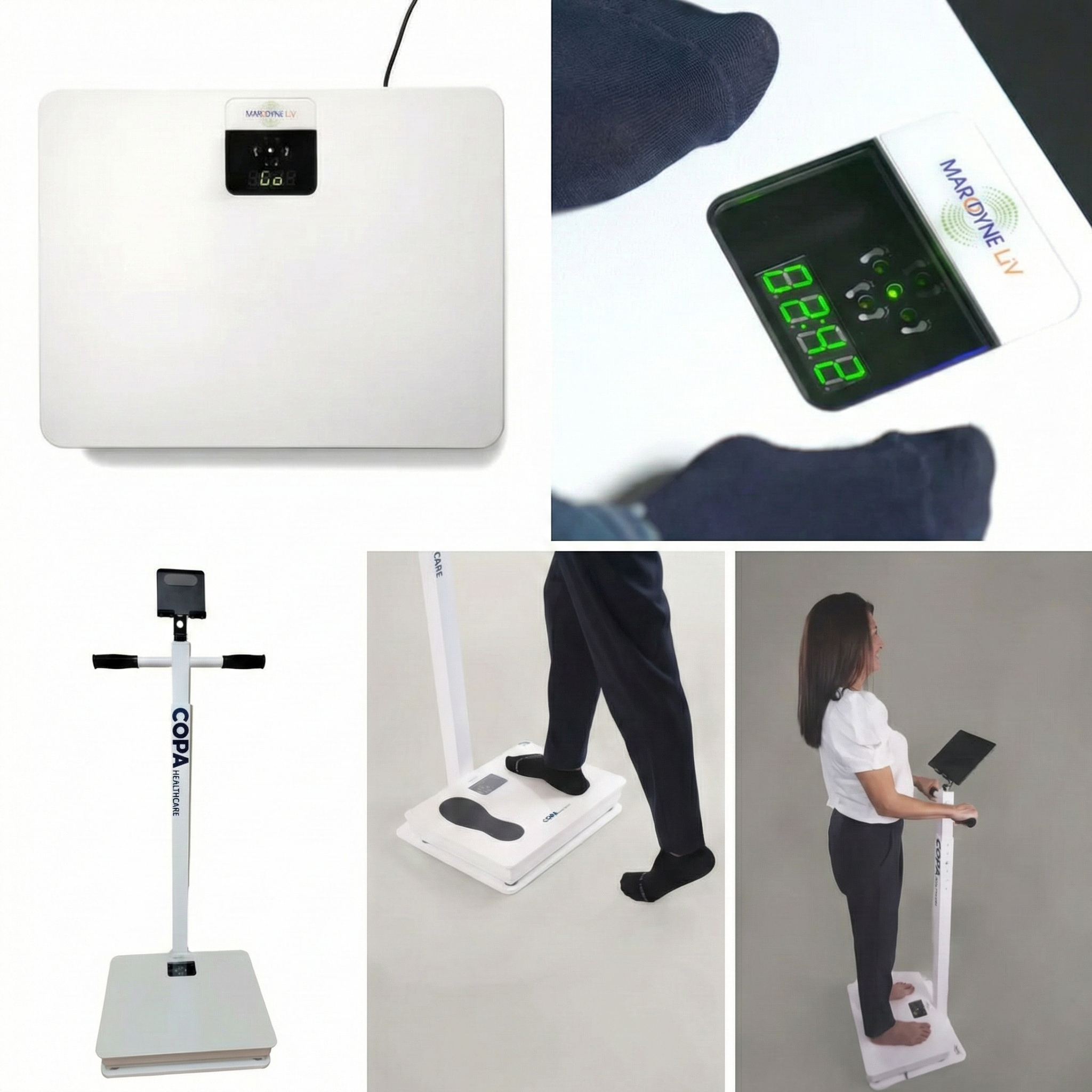
Marodyne LiV
Clinically proven, low-intensity vibration—10 minutes a day to strengthen bone, muscle, and movement safely.
Use code: SB200 for $200 off
Approved Medical Solutions
Your source for Oxalate free Nitric Oxide Supplementation
Non-licensed patients can use code “sbarrett” for a 10% discount.
Licensed practitioners can access the discounts by registering and when at checkout put “podofinquiry” (no space and not case sensitive) in the coupon section.

Ketone
Nitric Oxide
ClearDetox Pro & ClearSleep