What if a 5-minute test could predict whether a $50,000 drug will work for you—with up to 90% accuracy? 🤯
In this episode, I sit down with rheumatologist and biotech CEO Andrew Holman, founder of InMedix, to explore how measurable stress directly affects your immune system—and why it may determine whether certain medical treatments work or fail.
This conversation goes far beyond the usual “manage your stress” advice. We dive into the science of Heart Rate Variability (HRV) and how the autonomic nervous system regulates immune function moment by moment. (Hidden Root Causes for Fibromyalgia)
In This Episode, You’ll Discover:
- Why wearable devices like Oura Ring and WHOOP Strap don’t tell the full HRV story
- The surprising connection between Sleep Apnea and Rheumatoid Arthritis.
- How stress can influence immune responses in milliseconds
- A breakthrough FDA-cleared test designed to measure both branches of the autonomic nervous system
- Why this technology could potentially save $34 billion in healthcare costs over the next decade
Stress isn’t just psychological—it’s measurable biology. Understanding how your autonomic nervous system functions may help explain why some treatments succeed while others fail, especially in autoimmune diseases and chronic health conditions.
If you’re interested in immune health, biohacking, wearable tech, or the science of stress, this episode will change how you think about your body’s stress response.
Watch The Podcast
Listen to The Podcast
Also available on


Author Biography
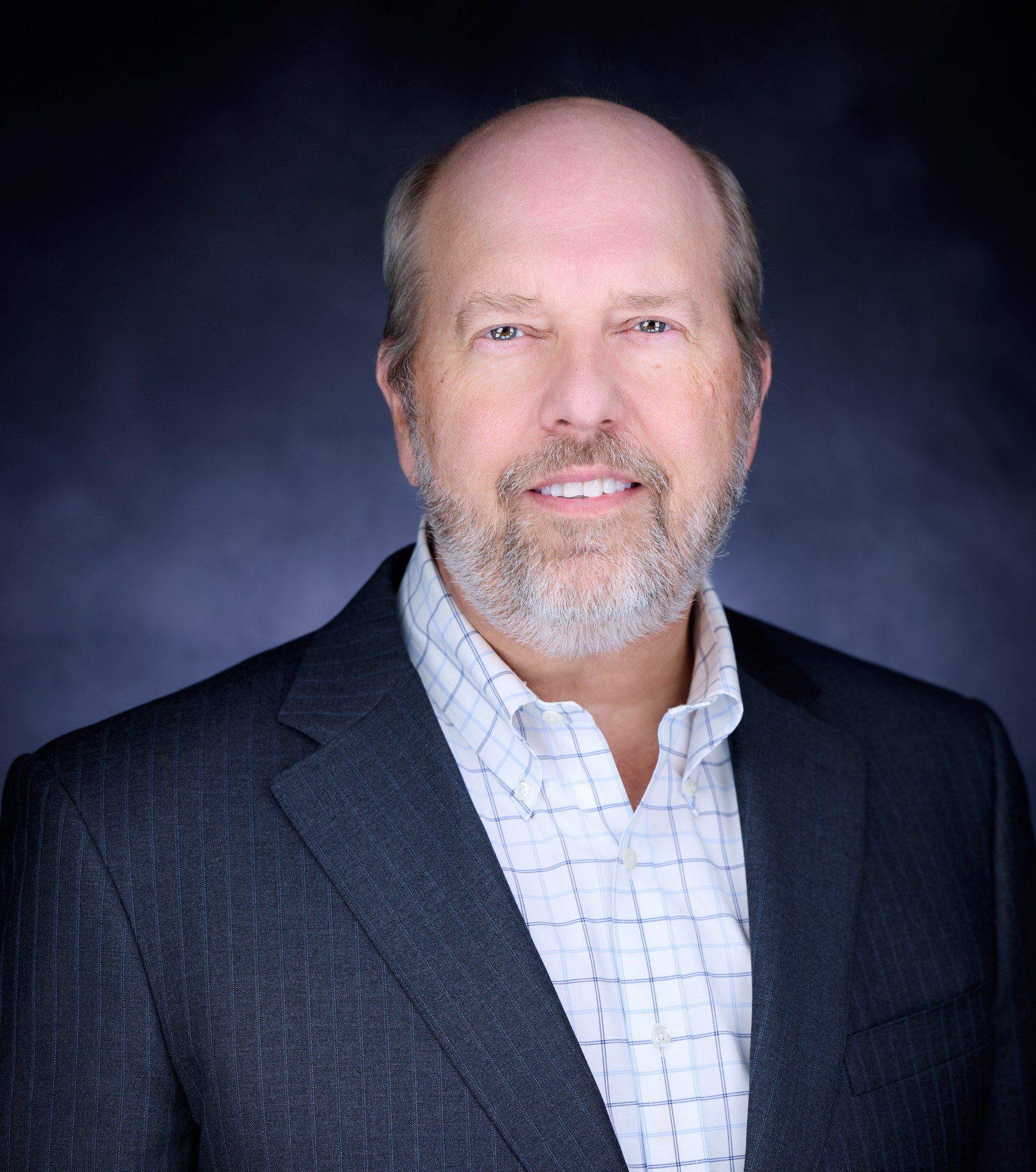
Andrew J. Holman, M.D.
Dr. Holman is the founding rheumatologist at Pacific Rheumatology Associates, Inc., the director of Research at Pacific Rheumatology Research Inc, a former President of the Northwest Rheumatism Society (2005), and a Clinical Associate Professor of Medicine at the university of Washington.
He has a 25-year clinical and 19-year rheumatology research career experience. He has 16 lead author published papers, and 25 lead author published abstracts. For Inmedix, he has designed, completed and published 15 clinical studies, including FDA negotiations, involving nearly 1500 patients.
Dr. Homan’s research highlights include reporting and eventually licensing use of dopamine agonists as a treatment of fibromyalgia, exploring the impact of hypermobility syndromes, evaluating established and innovative autonomic nervous system analysis with heart rate variability in patient with rheumatoid arthritis and other autoimmune diseases, and broadening understanding of pain in patients with PC3 (positional cervical cord compression) using dynamic flexion-extension MRI’s
Show Notes from this episode
00:00 – Introduction Dr. Barrett introduces returning guest Dr. Andrew Holman, noting he was featured approximately 10 weeks prior. The episode will focus on fibromyalgia — its diagnosis, underlying mechanisms, and emerging treatment approaches.
01:27 – Welcome and Episode Overview Dr. Barrett welcomes Dr. Holman back and explains the episode will delve into fibromyalgia as a legitimate and underappreciated condition. Dr. Holman expresses enthusiasm for discussing a topic he has been deeply involved with for nearly four decades.
02:14 – Guest Background Dr. Barrett prompts Dr. Holman to briefly reintroduce himself for listeners who may have missed the first episode. Dr. Holman describes his background as a rheumatologist and his work developing IP around the autonomic nervous system and stress responses, which led to FDA clearance of Cloud HRV through his company Inmedics — a platform designed to bring autonomic monitoring into clinical practice.
03:29 – Fibromyalgia: A Historically Underappreciated Condition Dr. Holman reflects that fibromyalgia has been discussed since he entered practice 38 years ago, but has long been “whispered about” rather than treated as a legitimate medical diagnosis. He emphasizes it remains underappreciated despite significant scientific advancement.
04:29 – Clinical Presentation The hallmark of fibromyalgia is diffuse, amplified sensation — patients experience pain from ordinary touch, including hugging their children. This widespread pain is paradoxical in that there is no clear structural explanation, which historically led to skepticism about the diagnosis.
04:48 – Demographics and Parallels to CRPS Dr. Barrett notes the striking female-to-male ratio in fibromyalgia and draws a parallel to CRPS (Complex Regional Pain Syndrome), noting both conditions appear to involve central sensitization as well as peripheral nerve sensitization.
05:30 – Neurological Underpinnings The conversation expands to discuss how neurologists, rheumatologists, and pain specialists have been independently arriving at the same conclusions from different directions — that fibromyalgia involves both centralization of the CNS and autonomic dysfunction.
05:44 – Why Fibromyalgia Skews Female Dr. Holman confirms the ~80% female prevalence and notes the parallel to other autoimmune diseases such as rheumatoid arthritis, lupus, and MS. He attributes underdiagnosis in males largely to the fact that men are less likely to seek medical care and interact less frequently with the healthcare system.
07:24 – Diagnostic Criteria: Then and Now Dr. Barrett asks about the evolution of diagnostic criteria. Dr. Holman explains that when he began practice in 1992 after his University of Washington fellowship, the classification criteria required at least 11 of 18 tender points on physical examination. He acknowledges this was instrumental at the time but ultimately did a disservice to the field by reducing a complex syndrome to a physical exam finding.
08:44 – Modern Diagnostic Criteria Dr. Holman describes the shift to symptom-based diagnostic criteria, which allow clinicians to identify fibromyalgia without physical examination. Current criteria emphasize bilateral body pain (top and bottom quarters), fatigue lasting at least three months, sleep disturbance, and cognitive dysfunction — and do not require laboratory confirmation, as standard bloodwork is normal.
09:46 – Objective Biomarkers Emerging While blood tests are unremarkable, Dr. Holman points to F-DOPA PET scanning of the brain (measuring fluorinated dopamine production) as a tool that reveals measurable differences in dopamine production in fibromyalgia patients compared to age-matched controls — work pioneered by Dr. Patrick Wood out of McGill University.
10:11 – Autonomic Nervous System Differences New research has demonstrated distinct autonomic stress response differences in fibromyalgia patients versus healthy controls — particularly during the midnight-to-4am window — offering additional objective evidence for the condition’s biological basis.
11:19 – Sleep Disturbance: Chicken or Egg? Dr. Barrett asks whether sleep disruption is a cause or consequence of fibromyalgia. Dr. Holman reframes the question: instead of trying to make patients sleep, the goal should be to reduce autonomic arousal that fragments sleep. This means identifying and addressing the underlying drivers of sympathetic nervous system activation.
15:00 – Cervical Cord Involvement: A Paradigm Shift Dr. Holman describes a pivotal conference experience where Dr. Dan Hafez presented MRI imaging in sagittal extension views (rather than the standard neutral-position view), revealing occult cervical cord compression not visible on routine imaging. This positional MRI technique proved to be a transformative diagnostic insight.
15:18 – The CSF and Cord Mechanics The brain and spinal cord float in cerebrospinal fluid and are not designed to sustain repeated mechanical impact. Extension-position MRI can reveal subtle cord compression that standard imaging misses — a finding highly relevant to fibromyalgia pathophysiology.
16:14 – Institutional Resistance to Positional MRI Dr. Holman recounts the practical and financial barriers to adopting positional MRI — radiologists are reimbursed for standard MRI protocols and are resistant to the additional effort required for extension-position views — illustrating how systemic incentives can slow clinical advancement.
17:13 – Prevalence of Cervical Cord Compression in Fibromyalgia Data from Oregon Health Sciences showed cervical cord compression present in approximately 60% of fibromyalgia patients — a finding Dr. Holman considers critically underappreciated and largely overlooked by conventional treatment approaches.
19:13 – Sponsor: STEM Regen Sponsor message for STEM Regen, a stem cell mobilizer product in regenerative medicine. Listeners can visit stemregen.co/DrStephen and use code SB pod for 15% off their first order.
19:37 – Fibromyalgia Research on Journal of Pain Cover Dr. Holman humorously notes that images related to their fibromyalgia research appeared on the cover of the Journal of Pain — a landmark for a rheumatologist.
20:00 – Targeting Sleep Architecture Treatment should prioritize restoring Stage 3 and Stage 4 deep sleep — not with sedatives, but by reducing the autonomic arousal that fragments restorative sleep. Removing physiological triggers of sympathetic activation is key.
20:53 – Neurologic Overlap Symptoms Fibromyalgia patients frequently present with neurologic symptoms — numbness, tingling, balance issues, reduced grip strength — that “don’t make sense” anatomically and migrate unpredictably. This is often misattributed to cervical pathology or dismissed.
24:19 – EDS Hypermobility and Fibromyalgia Patients with Ehlers-Danlos Syndrome Type 3 (hypermobile EDS) are more susceptible to cervical canal compromise from the same trauma that would be inconsequential in others. The combination of EDS and sympathetic nervous system activation creates a compounding physiological vulnerability.
25:06 – Fibromyalgia and Parkinson’s Disease Although Parkinson’s patients typically see neurologists rather than rheumatologists, Dr. Holman notes a recognized overlap in dopaminergic dysfunction. Parkinson’s-related pain is often described separately, but the shared dopamine pathway is not incidental.
25:32 – Dopamine Agonists as Treatment Dopamine D3 receptor agonists — pramipexole and ropinirole — are FDA-approved for Restless Leg Syndrome and have been studied for fibromyalgia. Dr. Holman published a double-blind prospective study in Arthritis and Rheumatism approximately 20 years ago demonstrating efficacy. These agents facilitate deep sleep and reduce autonomic arousal.
26:40 – FDA-Approved Treatments and Their Limitations Three FDA-approved medications exist for fibromyalgia — Lyrica (pregabalin), Cymbalta (duloxetine), and Savella (milnacipran) — but Dr. Holman finds these less useful in practice than low-dose Cyclobenzaprine and the dopamine agonists, which are easier to titrate and more consistently effective.
28:20 – Cervical Trauma as a Precipitating Factor Comparing trauma patients — those with severe compound fractures (plenty of pain) versus those with cervical injuries — Dr. Holman found the cervical injury group had significantly higher rates of secondary fibromyalgia. The cervical spine, not the severity of peripheral pain alone, appears to be the critical variable.
29:02 – Clinical Protocol: A Two-Drug Approach Dr. Holman describes a protocol using two agents — low-dose Cyclobenzaprine (at bedtime only) and a dopamine agonist — targeting sleep restoration. He notes the importance of diversion precautions and emphasizes these are strictly nighttime agents with no daytime use.
30:18 – Physical Therapy: The Feldenkrais-Based Approach Dr. Holman was initially skeptical that PT could help a structural problem like cervical cord compression, but a physical therapist demonstrated a Feldenkrais-based technique that decompresses the cord and improves posture — with visible results in minutes. This approach has shown meaningful impact in approximately 85% of his patients.
31:27 – The 15% Who Need Surgical Evaluation The remaining 15% have cord compression so severe (canal diameter approaching or below 10mm vs. normal 13–16mm) that conservative management is insufficient. These patients require neurosurgical evaluation for cervical decompression.
33:20 – Staging Before Physical Therapy Dr. Holman stresses the importance of staging cervical spine pathology with positional MRI before initiating physical therapy — to ensure PT will not cause harm in patients with significant cord compression.
34:05 – Glymphatic System and CSF Drainage Dr. Barrett asks about the relationship between cervical CSF dynamics and brain glymphatic drainage. Dr. Holman frames this through the work of neurosurgeon Dr. Michael Rosner, who documented that during systole the brain expands and must send a pressure wave down the spinal canal — a process that can be impaired by cervical cord compression and may have profound effects on autonomic function.
36:19 – Legacy of Dr. Michael Rosner Dr. Holman describes visiting Dr. Rosner to observe his complex neurologic examinations firsthand, noting that his insights into cerebrospinal fluid dynamics and cervical decompression were well ahead of their time and remain underutilized.
37:12 – How Positional MRI Was Obtained Clinically As a pragmatic workaround, Dr. Holman’s team would order standard MRIs and Dr. Reager (radiologist) would perform the additional extension-view positioning at no extra charge — enabling access to diagnostically critical imaging within existing workflows.
39:54 – Behavioral Therapy as an Adjunct Dr. Barrett acknowledges the contribution of cognitive behavioral therapy in fibromyalgia — particularly work from the University of Michigan — but Dr. Holman notes that behavioral interventions, while helpful, have largely ignored the autonomic and cervical dimensions of the disease, which limits their therapeutic ceiling.
40:19 – Clinical Volume and Conviction Dr. Holman saw 3–4 new fibromyalgia patients daily and 10 follow-ups every day for 15 years — a caseload that built the clinical evidence base for his cervical-autonomic model and gave him the conviction to pursue it even when it was not mainstream.
41:26 – Standard Treatments as Incomplete Solutions Dr. Barrett observes that exercise, water aerobics, and CBT — while not harmful — feel like “putting out a fire while someone keeps throwing gasoline on it” if the cervical cord and autonomic root causes are not addressed first. Dr. Holman agrees, noting that these interventions are not wrong but are insufficient as primary treatments.
42:26 – The Importance of Disseminating the Cervical Model Dr. Barrett emphasizes that the peer-reviewed evidence for the cervical-autonomic model is formidable and that broader adoption is urgently needed — particularly because fibromyalgia patients have long been dismissed and are desperate for a coherent, effective treatment pathway.
44:00 – Advice for Patients: Who to See For patients who suspect fibromyalgia, Dr. Holman recommends starting with rheumatology — specialists trained to solve complex diagnostic puzzles and who expect to find actionable answers, unlike some other specialties where “wait and see” is more common.
45:00 – The Value of Intellectual Curiosity in Medicine Dr. Holman reflects on how his training taught him to relentlessly pursue answers for patients with unexplained symptoms — a mindset that led him to integrate insights from conferences, peer review literature, and clinical observation into a coherent framework for fibromyalgia.
46:07 – The Rarity of Translating Knowledge into Practice Dr. Barrett praises Dr. Holman for actually implementing the positional MRI insight when most physicians at the same conferences simply acknowledged it as interesting and moved on — highlighting the gap between medical knowledge and medical practice.
46:49 – Audience and Institutional Variation Dr. Holman notes that his grand rounds presentations differ between institutions — more clinically oriented at the University of Washington, more mechanistic at Harvard or Cleveland Clinic. He emphasizes the importance of integrating unconventional approaches, including acupuncture, when they have demonstrated benefit.
48:05 – A Message of Hope Dr. Barrett reframes the episode as ultimately a message of hope: fibromyalgia patients have often been dismissed or told little can be done, yet the cervical-autonomic model offers a clear, mechanistically grounded, stepwise treatment pathway with meaningful outcomes for the majority of patients who follow it.
49:34 – Historical Stigma of Fibromyalgia The condition was previously labeled “hysteria,” then “fibrositis” (erroneously implying inflammation), then confused with myofascial pain — a fragmented nosology that bred distrust of patients and contributed to underdiagnosis and undertreatment.
50:12 – Rebuilding Patient Trust Dr. Holman reflects that one of the most damaging legacies of fibromyalgia’s history was the assumption that patients were “embellishing” their symptoms. Restoring trust — recognizing that patients describe what they can with the vocabulary they have — is foundational to effective care.
51:05 – Closing Remarks Dr. Barrett thanks Dr. Holman for the second outstanding episode and expresses hope that many clinicians and patients will benefit from the information shared.
Sponsors Of The Episode



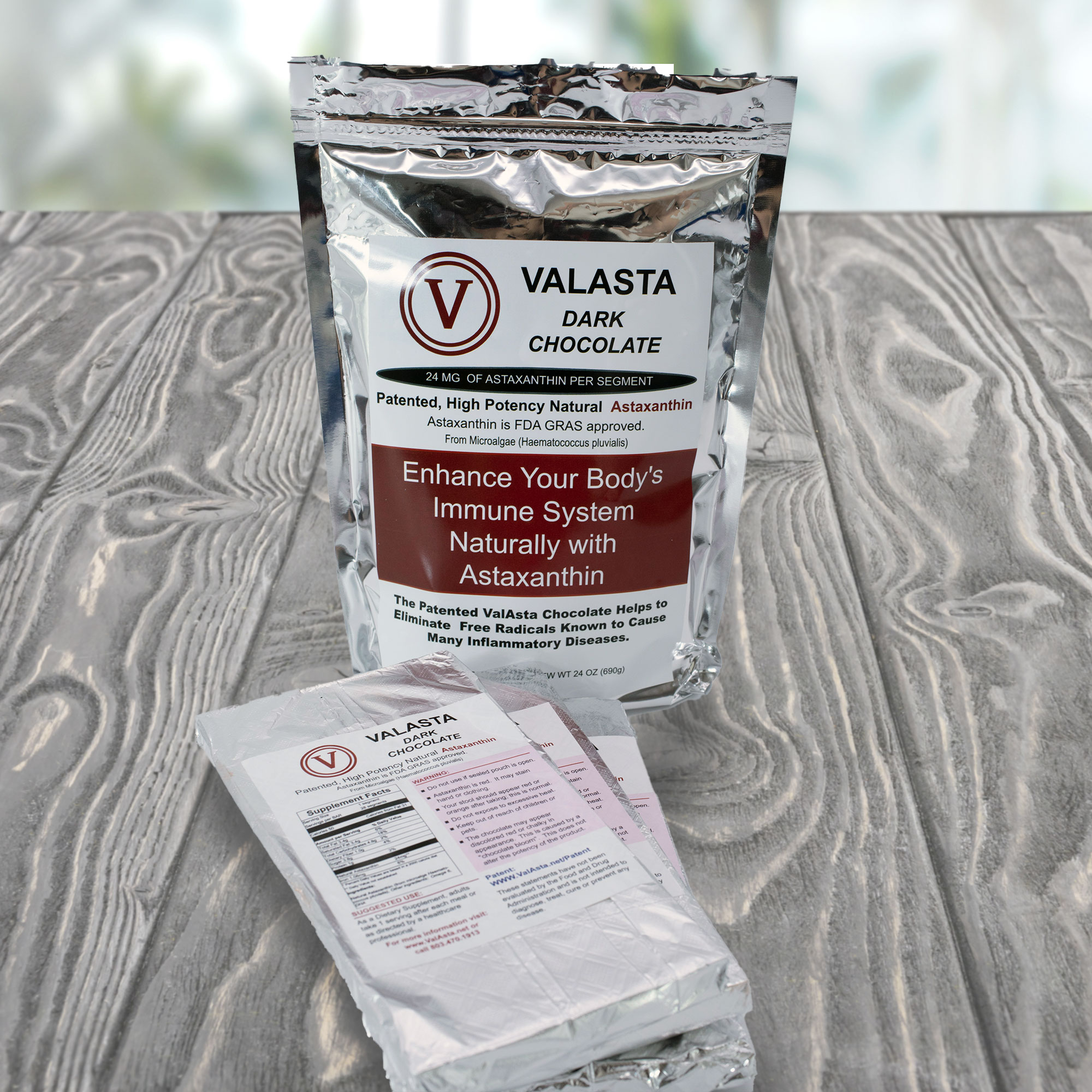






Approved Medical Solutions
Your source for Oxalate free Nitric Oxide Supplementation
Non-licensed patients can use code “sbarrett” for a 10% discount.
Licensed practitioners can access the discounts by registering and when at checkout put “podofinquiry” (no space and not case sensitive) in the coupon section.

Ketone
Nitric Oxide
ClearDetox Pro & ClearSleep


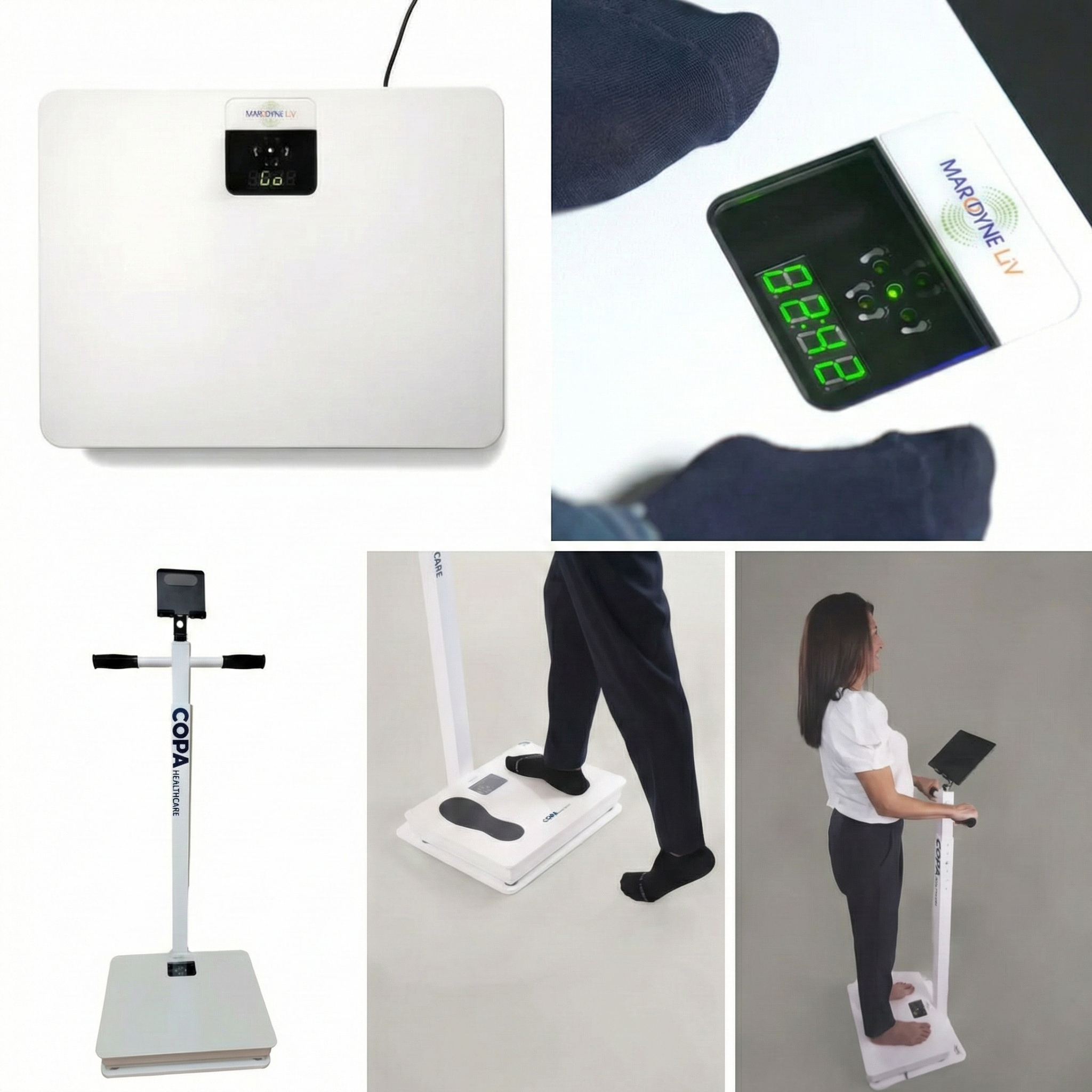
Marodyne LiV
Clinically proven, low-intensity vibration—10 minutes a day to strengthen bone, muscle, and movement safely.
Use code: SB200 for $200 off