What if your chronic tendon pain isn’t coming from the tendon at all? 🤯
In this episode, we sit down with Farran Abat, orthopedic surgeon and sports medicine specialist from Barcelona, and Director of Resport Clinic—one of the largest sports medicine centers in Catalonia.
His work challenges one of the biggest assumptions in medicine: that chronic tendon pain always means the tendon hasn’t healed.
After long-term injury, tendons can become infiltrated with nerves that continue sending pain signals—even after the tissue has structurally healed. This leads to Central Sensitization, where the brain becomes the source of the pain. (Hidden Causes for Achilles Pain)
In This Episode, You’ll Learn:
- Why “tendinitis” is often the wrong diagnosis—and what’s really happening in chronic tendinopathy
- The concept of the “phantom tendon” and why pain can outlast healing
- Electrolysis (EPTE) — a needle-based technique widely used in Europe
- Why biomechanics is the true root cause (not just the tendon itself)
- The future of personalized PRP—tailored to each patient and injury
- What cortisone injections may actually do to tendon tissue
- What’s next: AI diagnostics, stem cells, and gene therapy in sports medicine
Dr. Abat’s clinic reports more than 90% success rates without surgery in chronic tendon conditions—by addressing the neurological and biomechanical root causes, not just the tissue.
Whether you’re a clinician, athlete, or someone dealing with stubborn tendon pain, this episode will completely change how you think about injury and recovery.
📌 Watch the full video to see the powerful imaging of nerve infiltration inside the Achilles tendon.
📌 Subscribe for more insights on sports medicine, pain science, and cutting-edge treatments.
Watch The Podcast
Listen to The Podcast
Also available on


Author Biography
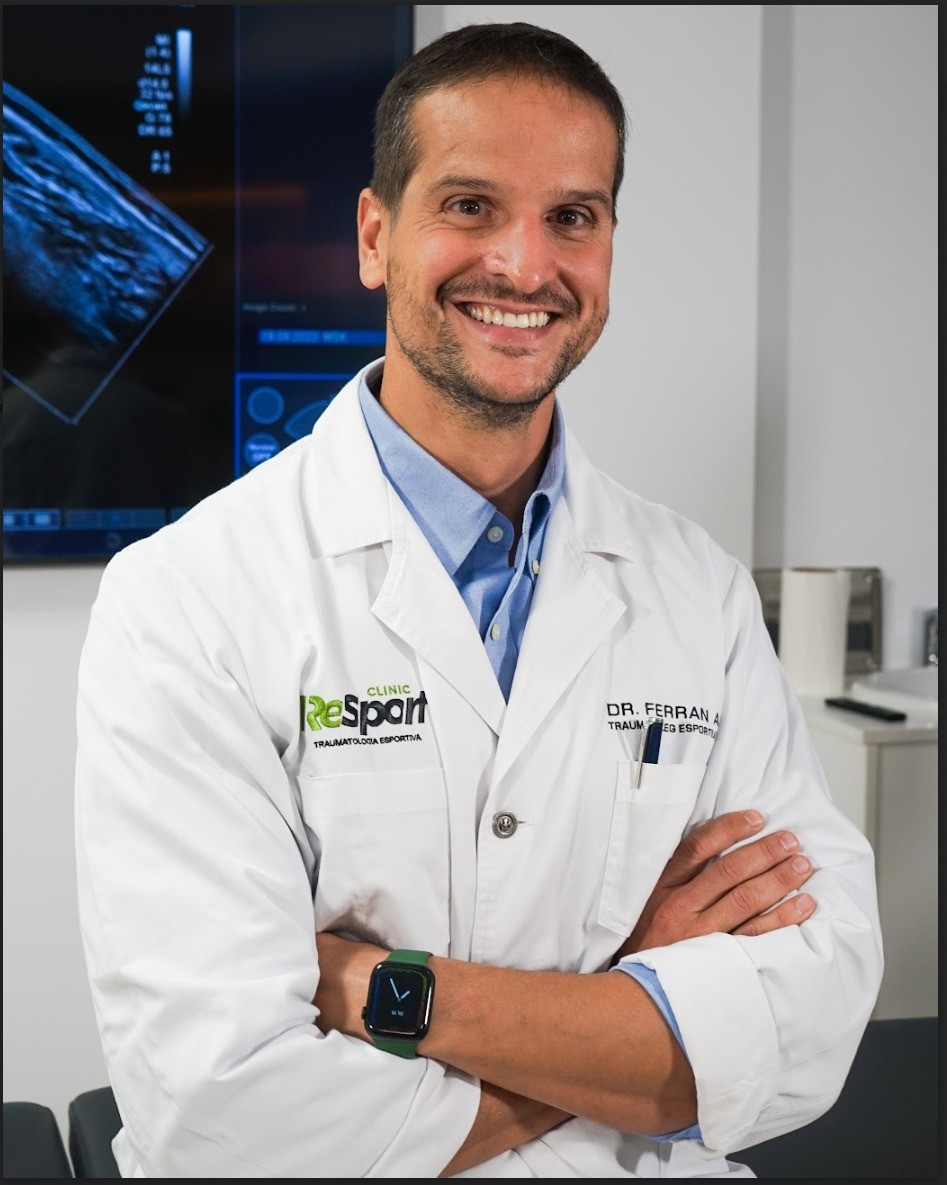
Dr. Farran Abat
Dr. Ferran Abat González (MD. PhD) is a highly respected sports Orthopedic Surgeon in Spain. He is the Medical Director of ReSport Clinic, an advanced interdisciplinary sports injury centers in Barcelona (Catalonia – Spain).
Specialist in the conservative treatment and surgery of muscle and tendon injuries, as well as speaker at international conferences. Dr. Abat has written multiple articles for international medical journals, as well as book chapters on Sports Medicine.
The sum of his years of experience, research and dissemination have made the scientific community consider him a world reference in the technique of Ultrasound Guided Electrolysis (USGET), PRP, ultrasound guided treatments as well as minimal invasive surgery technique.
Show Notes from this episode
00:00 – Introduction
- Dr. Barrett introduces Dr. Farran Abat, an orthopedic surgeon and traumatologist from Barcelona specializing in sports medicine
- They first met at a podiatry congress in the Canary Islands, where Dr. Abat presented on the convergence of tendinopathy and neuropathy
- Dr. Barrett previews the key insight: chronically degenerating tendons can become centrally sensitized, producing a “phantom-type” nerve pain that persists even after structural healing
01:18 – Dr. Abat’s Background & Clinical Setting
- He trained under a tendinopathy pioneer
- Director of Resport Clinic, one of the three largest sports medicine clinics in Catalonia
- High-volume practice with a large population of tendinopathy patients, predominantly athletes
02:05 – Tendinopathy Meets Neuropathy: The Central Framework
- Dr. Abat explains that in chronic tendinopathy (tendinosis), the body attempts repeated healing cycles but fails to fully resolve the condition
- In this chronic state, nerves and new blood vessels infiltrate the tendon tissue — a neuropathological process well-documented in anatomic and histological studies
- Citing work by Professor Jill Cook, he introduces central sensitization: even after structural tendon improvement, the nervous system can remain in a pain-amplified state
- Key clinical implication: patients may have a nearly normal ultrasound appearance yet still experience burning, twitching tendon pain — the “pain is no longer in the tendon, it’s in the nerves”
05:24 – Tendinitis vs. Tendinopathy: Setting the Record Straight
- Dr. Barrett clarifies the distinction for the audience:
- Tendinitis = acute, inflammation-driven
- Tendinopathy / Tendinosis = degenerative, chronic, not truly inflammatory
- Draws the parallel to plantar fasciitis vs. plantar fasciopathy — the same degenerative reality, just with outdated terminology that has stuck culturally
- The chronic degenerative process involves failed healing, nerve in-growth, and vascular proliferation — not sustained acute inflammation
07:19 – The Centrally Sensitized Tendon: Clinical Picture
- “Good ultrasound, bad pain” patients: tendon appears structurally improved but neuropathic pain persists
- This is attributable to nociceptive sensitization — pain signals from the tendon’s nerve supply that have been transmitted to the brain for so long they persist independently
- Analogy drawn to phantom limb pain
- Clinical takeaway: treat early — the longer the chronic state persists, the more entrenched the central sensitization becomes
08:03 – Biomechanics: The Non-Negotiable Foundation
- Dr. Barrett raises the importance of biomechanical correction as the essential underpinning of tendinopathy treatment
- “You can put the fire out all day, but if someone keeps throwing gas on it…”
- Without correcting biomechanics, regenerative treatments yield only temporary benefit — the tendon will re-injure
08:54 – Dr. Abat’s Treatment Philosophy: The Full Picture
- Dr. Abat describes a university joke with students: if you treat the tendon in isolation with electrolysis + PRP + exercise and skip biomechanics, you’ll “have a patient for life”
- Biomechanics are responsible for ~80% of the root cause in most chronic tendinopathy patients
- Treatment must integrate biomechanical correction during the healing process — not sequentially after it
- Podiatric collaboration is an active part of the treatment timeline, including for patients returning to running during recovery
- With this comprehensive approach, >90% of patients avoid surgery
11:32 – Achilles Tendinopathy & Equinus Deformity
- Dr. Barrett shares clinical experience: most Achilles tendinopathy in his practice correlates with an equinus deformity (limited ankle dorsiflexion), driving compensatory pronation and a cascade of downstream pathology
- Raises the question of surgical correction (e.g., gastrocnemius recession) vs. conservative care when the equinus is severe
- Dr. Abat’s approach: conservative first — structured rehab with biofeedback-assisted exercise, early podiatric orthotics, and biomechanical correction during (not after) treatment leads to excellent outcomes in the vast majority of cases
14:59 – Visual Slide Demonstration: Nerve In-Growth in Tendinopathy
- Dr. Abat shares screen and walks through histologic imaging of the Achilles tendon
- Demonstrates nerve fibers (highlighted in yellow) invading the tendon alongside new vasculature
- Activation of tenocytes produces neuroinflammatory signaling → substance P release → persistent pain
- This neuropathic component is not originating inside the tendon proper — it is a nerve-of-the-tendon problem, analogous to a “source of nerve entrapment”
18:55 – Electrolysis as a Therapeutic Tool
- Dr. Barrett raises electrolysis (EPTE® / percutaneous needle electrolysis), noting it is widely used in Spain but underutilized in the United States
- Questions whether the mechanism is primarily regenerative (inflammatory restart) or denervative (ablating the invading nerves)
- Dr. Abat explains: electrolysis uses a 0.3mm ultrasound-guided needle introduced directly into the lesion zone
- Galvanic current dissociates water and salt molecules → induces a localized acute inflammatory response, converting the chronic-phase tendon back to an acute-healing phase
- This is the key to making subsequent regenerative treatments (PRP, stem cells) far more effective — platelets work better in an already-inflamed environment
- The current also acts as a neuromodulatory stimulus: transient pain relief from galvanic effect on nerves creates a therapeutic window for mechanical loading and tissue remodeling
22:51 – The Inflammation Paradox in Chronic Tendon Disease
- Dr. Barrett references the landmark 2003 Harvey Lamont histology study: 50 plantar fasciectomy specimens — zero specimens showed classic inflammatory histology
- This confirmed the degenerative (not inflammatory) nature of chronic plantar fasciopathy and helped shift the paradigm
- Both physicians agree: electrolysis + PRP/stem cells is a synergistic protocol — electrolysis restarts biology; regenerative agents then have a primed environment to work in
25:32 – PRP, Stem Cells & Emerging Biologics
- Current regenerative toolkit at Resport Clinic: leukocyte-rich or leukocyte-poor PRP (custom protocol), mesenchymal stem cells, and intraosseous PRP for bone marrow edema adjacent to tendon insertions
- Dr. Barrett briefly raises BPC-157 and peptides — Dr. Abat notes these are under investigation in Spain but not yet standard of practice there
26:54 – The Problem with Symptom-Only Treatment
- Both physicians lament the culture of symptomatic care: cortisone injections, painkillers, and isolated interventions that ignore root cause
- “We are not correcting the problem” — cortisone provides temporary relief while potentially accelerating long-term tendon destruction
30:50 – The Cortisone Problem: Intraoperative Evidence
- Dr. Abat describes the appearance of tendon tissue during surgery in patients who received prior cortisone injections: areas of necrosis (“death areas”) within otherwise healthy, white, pearlescent tendon
- Cortisone is highly tenotoxic — those affected zones will eventually fail
- Dr. Barrett corroborates with intraoperative findings of calcification and chalky deposits (like “tiny pieces of cottage cheese”) persisting years after a steroid injection
32:34 – Tendinopathy Prevalence: Top Pathologies
- Achilles tendinopathy: #1 in the lower extremity by volume
- Plantar fasciopathy: extremely common in Spain’s large running, CrossFit, and paddle (racket sport) population
- Peroneal tendinopathy: top 3 in lower extremity
33:02 – Tendon Injury Prevention
- Prevention is challenging in recreational athletes who resist prehabilitation and warm-up protocols
- Key principle: “Train to run — don’t run to train”
- 20–30 minutes of structured warm-up exercises pre-activity is evidence-supported but rarely followed without professional supervision
- Eccentric loading protocols (e.g., slow isokinetic holds) are effective but require proper guidance
34:43 – PRP: The Sophistication Gap
- Dr. Barrett recalls being among the first in the U.S. (circa 2000–2001) to use PRP for plantar fasciitis, inspired by a whole-blood injection study for lateral epicondylitis
- Current landscape: PRP concentration, leukocyte content, and delivery method vary enormously across providers — making outcome comparisons nearly impossible
- Dr. Abat’s clinic is running an international study using cellular characterization machines to analyze the exact cellular composition of each patient’s PRP
37:52 – The Future of PRP: Personalized Biologic Therapy
- Vision: individualized PRP formulations tailored to the specific lesion type AND the individual patient’s biologic profile
- Males and females differ in healing response — PRP composition should reflect that
- Concentration (2x vs. 10–12x), leukocyte content, and adjuvant medications added to PRP should all be patient- and lesion-specific
- “There is not only one PRP for everything”
40:57 – Lesion-Specific Considerations
- Tendons with synovial sheaths (e.g., long head of biceps) behave differently from those without
- Plantar fascia with adjacent nerve involvement (tarsal tunnel, medial calcaneal nerve) requires specific caution — aggressive injection in that environment can worsen neuropathic pain
- Diagnosis must be precise and selective before any regenerative treatment is deployed
43:44 – What’s Coming: The Future of Sports Medicine
- Artificial Intelligence: Dr. Abat predicts AI will change diagnostic methodology in the near term — potentially months, not years
- Stem cells and gene therapy: the ability to modify the genetic landscape of healing — “we will be able to change the genetic field of our patients” — is the next frontier
44:47 – Closing Remarks
- Dr. Barrett thanks Dr. Abat for a remarkable conversation and for his presentation in the Canary Islands
- Expressed enthusiasm for connecting cutting-edge European sports medicine with the Pod of Inquiry audience
Sponsors Of The Episode

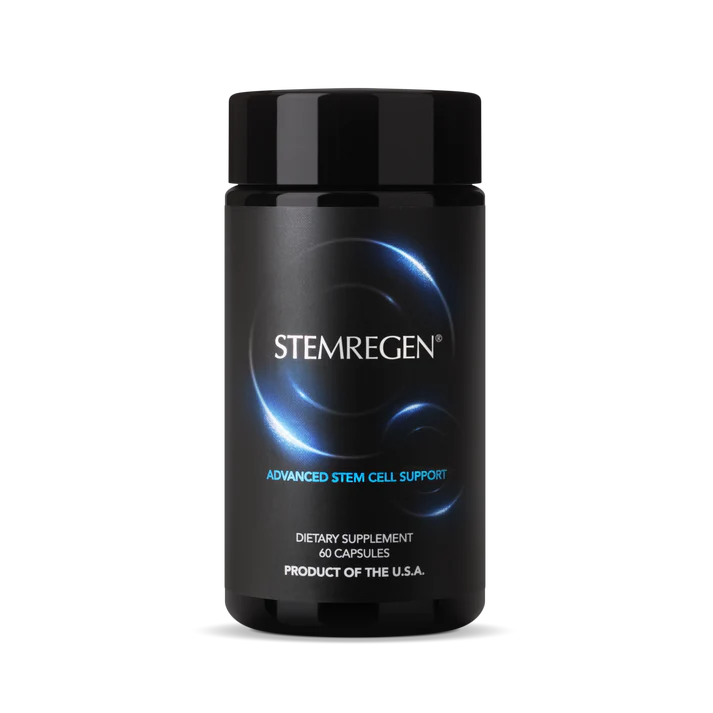



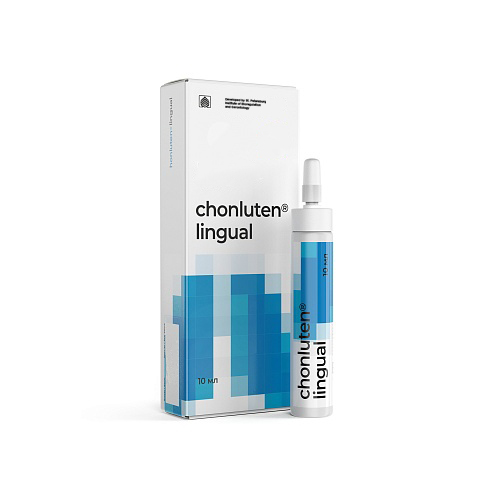
Approved Medical Solutions
Your source for Oxalate free Nitric Oxide Supplementation
Non-licensed patients can use code “sbarrett” for a 10% discount.
Licensed practitioners can access the discounts by registering and when at checkout put “podofinquiry” (no space and not case sensitive) in the coupon section.

Ketone
Nitric Oxide
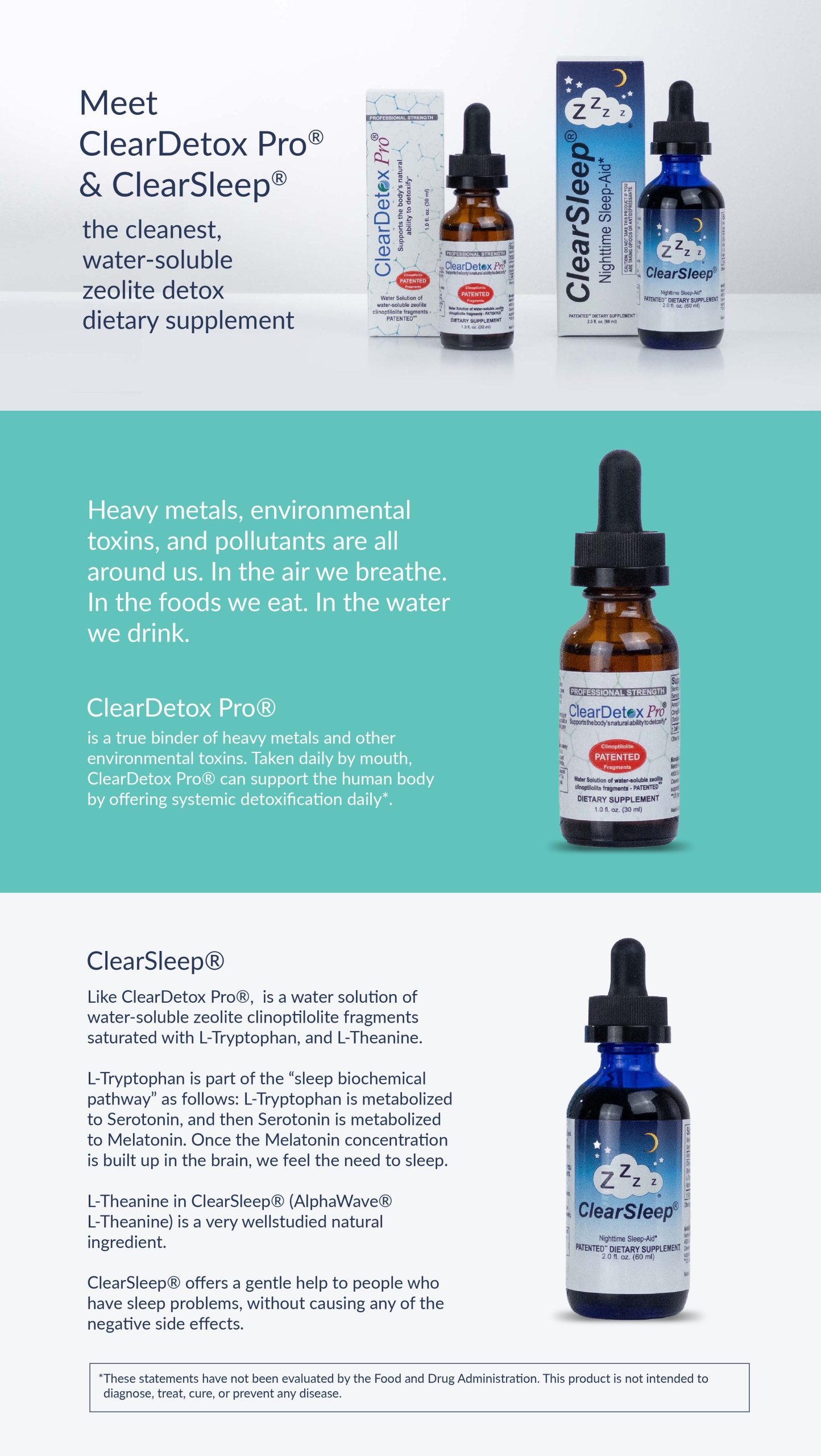
ClearDetox Pro & ClearSleep
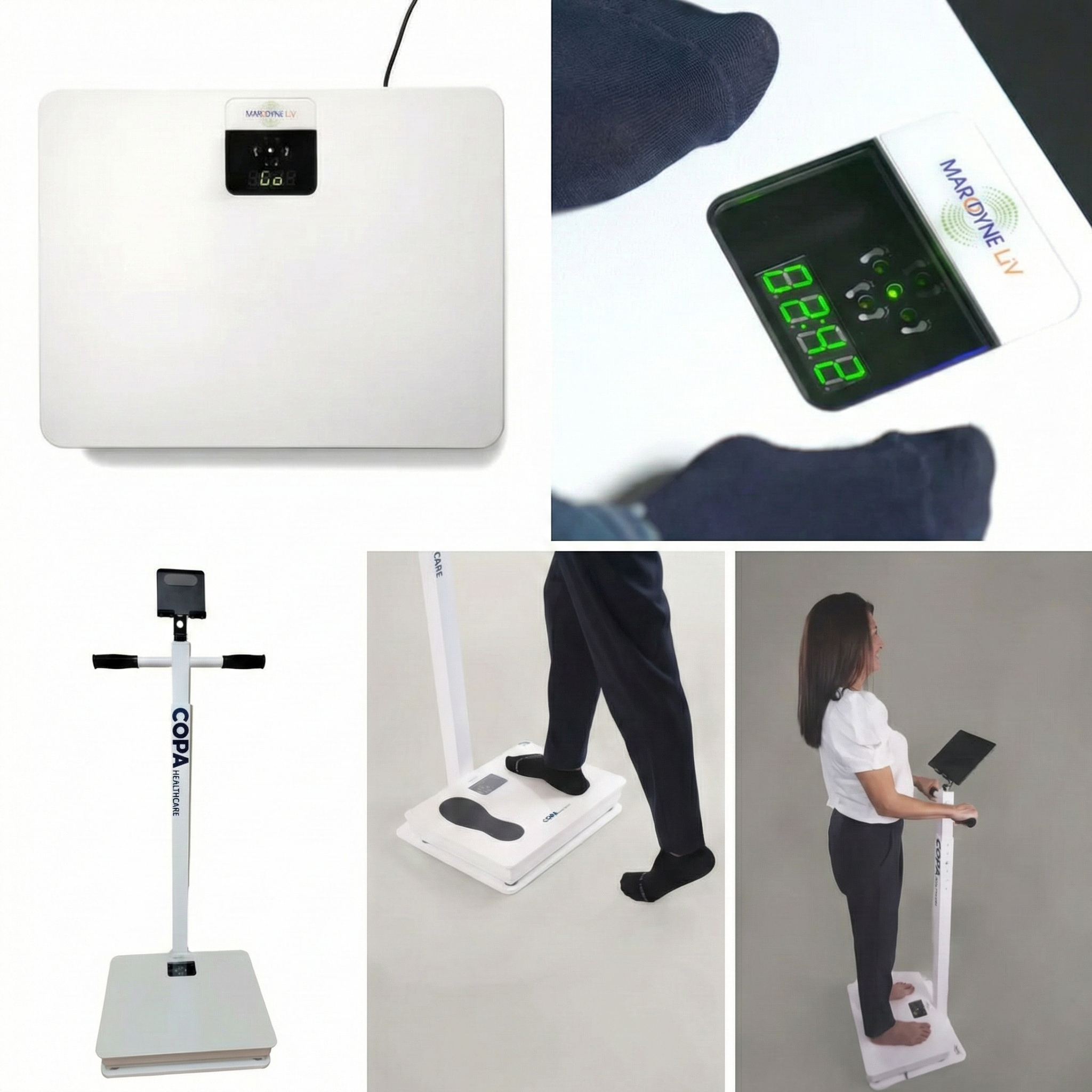
Marodyne LiV
Clinically proven, low-intensity vibration—10 minutes a day to strengthen bone, muscle, and movement safely.
Use code: SB200 for $200 off
BBACK US
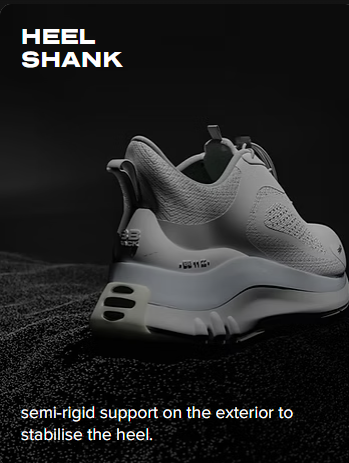
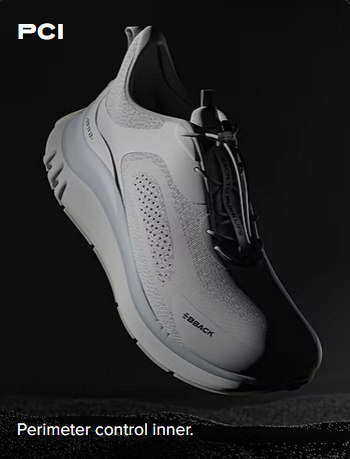
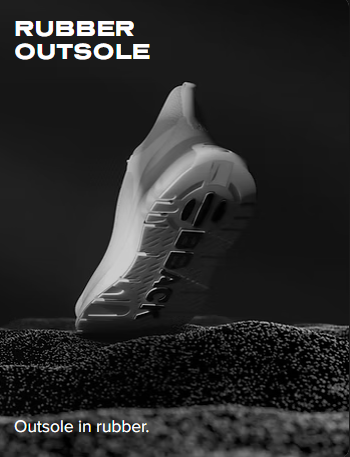
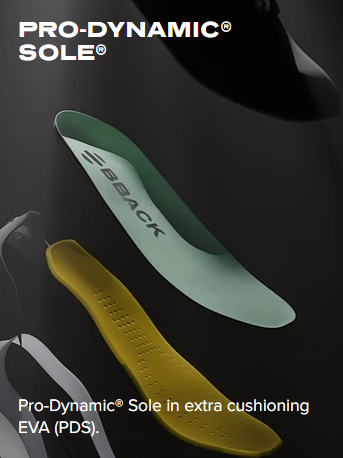
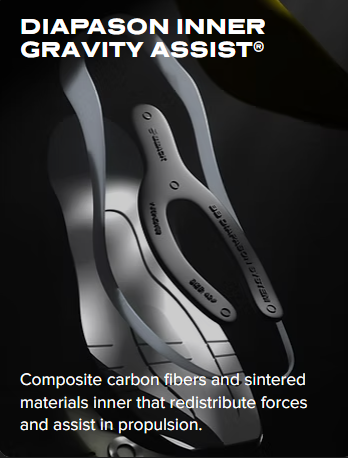
BBACK is a balance shoe that improves movement and makes each step easier.
PRO-DYNAMIC® tech supports natural motion, reduces pressure, and aids circulation.