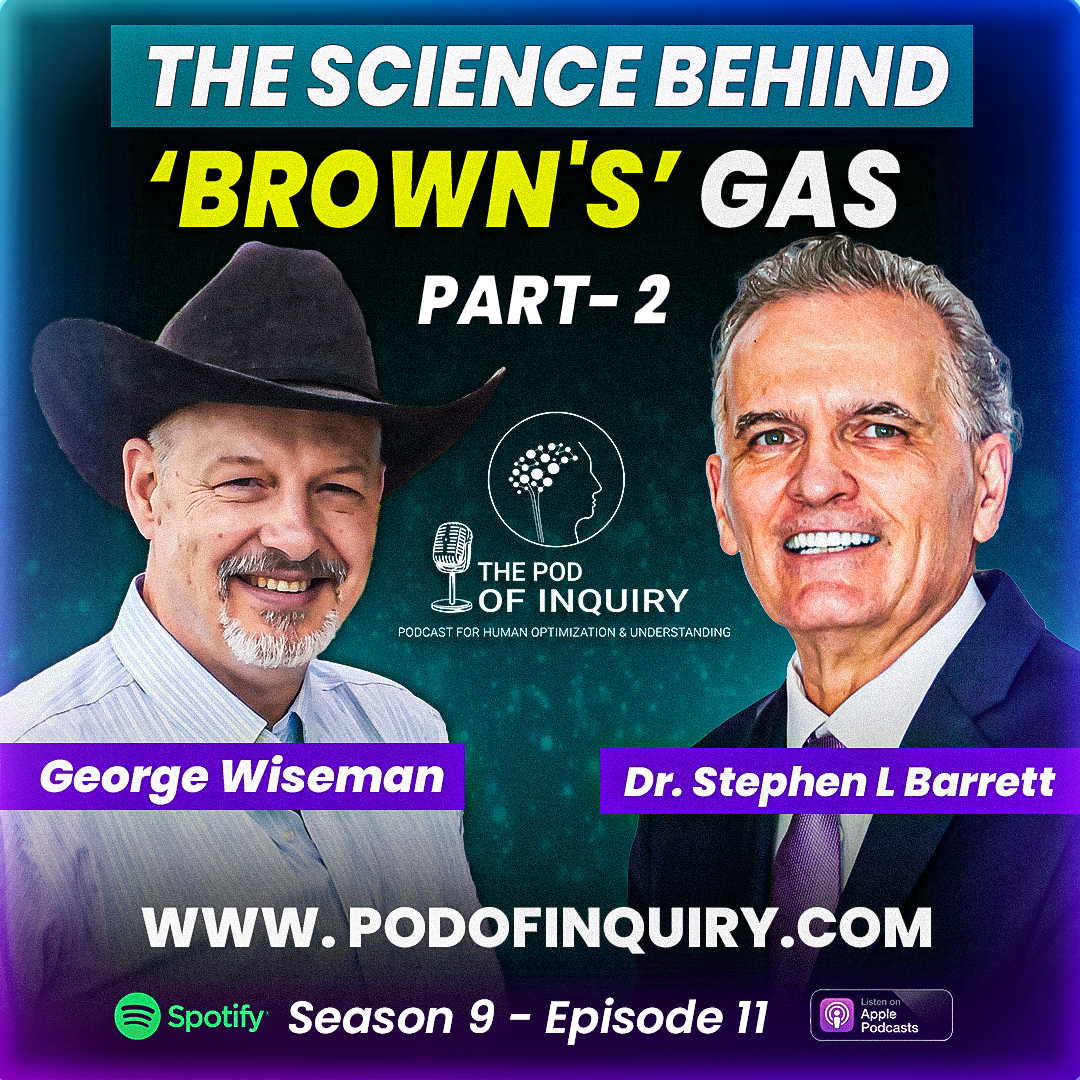
If you’ve been following this season, you already know Samuel Shepard. After his appearances in Season 8 Episodes 3 & 4, the response from listeners, patients, and YouTube viewers was impossible to ignore — so he’s back.
This week, the cave turns into a molecular physiology lecture hall.
We go deep into the chemistry behind inflammation, aging, cancer, and metabolic disease — but in a way that actually makes sense. Sam has a rare ability to turn dense biochemistry into a conversation anyone can follow. (32 Free Radicals vs Astaxanthin)
In This Episode, We Cover:
- How ONE astaxanthin molecule can neutralize 32+ free radicals
- Why fructose may be the most damaging sugar for your DNA
- The age-related glutathione collapse linked to diabetes, arthritis, IBS, insomnia & Alzheimer’s
- How astaxanthin embeds into your cell membrane like a “security guard” against oxidative stress
- The controversial mechanism Sam says destroys cancer cells in seconds
- Why much of the cheap astaxanthin online may be biologically ineffective
- Understanding hsCRP levels and silent inflammation years before disease appears
- A provocative discussion on vegan diets, amino acids, fruitarianism & longevity
This conversation connects the dots beneath everything we’ve explored this season: oxidative stress, chronic inflammation, aging, cancer risk, and metabolic dysfunction.
Once you understand the molecular picture Sam paints… you can’t unsee it.
Watch The Podcast
Listen to The Podcast
Also available on


Author Biography
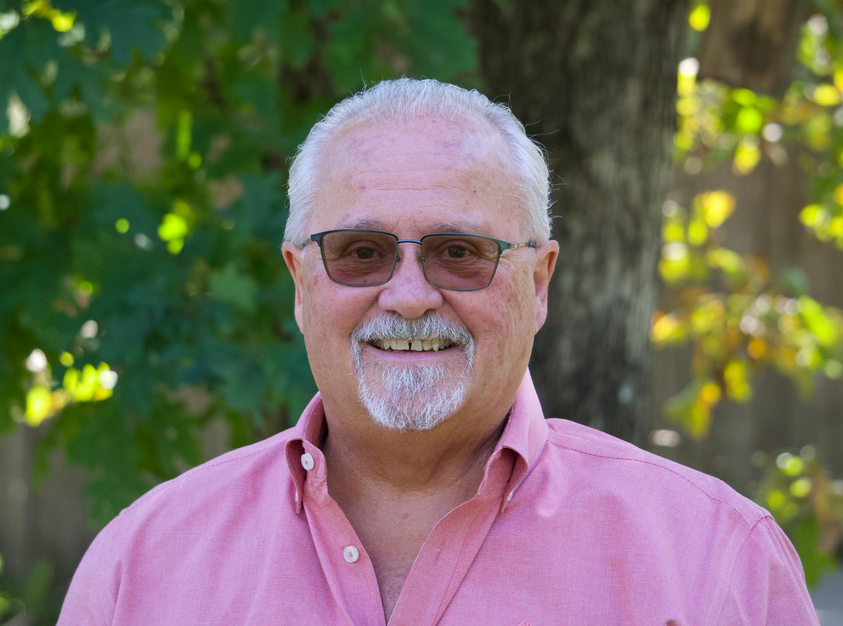
Samuel Shepherd
Samuel Shepherd is a prominent physicist, inventor, and engineer, who has garnered international recognition for his expertise and contributions in several fields in science to include, Bio-Chemical / Medical engineering, physics, chemistry, and mathematics. He is an inventor with 42 patents to date, businessman, forensic investigator, cosmologist, speaker, painter, entrepreneur, and Dinosaur Hunter.
He has developed leading edge technologies in the Environmental Fields of Wastewater, Water, Alternative Energy, Carbon Capture Systems, Petro / Chemical, Polymer and Bio-chemical / Bio-Mechanical Industries. He holds degrees in these fields, including a B.S in Chemical Engineering and a Master’s Degree in Environmental Engineering, which serve as a testament to his extensive knowledge and deep understanding of the subject matter. In addition to the vast knowledge in the sciences he has also obtained a PHD in Biblical Studies.
Mr. Shepherd’s dedication to his work and commitment to excellence have not gone unnoticed. He has been awarded Lifetime Fellow Status at the American College of Forensic Examiners and has been certified as a Class III Homeland Security professional.
Show Notes from this episode
[00:00] — Introduction: Why Sam Is Back for a Third Time
Dr. Barrett welcomes Sam Shepard back to the show after two previous appearances in S8 E2 and E3. The response from patients and listeners — particularly around astaxanthin’s effects on inflammation and the gut microbiome — has been so strong that a deeper molecular conversation was warranted. Sam is introduced as a chemical engineer, physicist, dinosaur hunter, and holder of roughly 42 patents, with a gift for making dense chemistry accessible.
[02:50] — The Gut Microbiome Effect: Cacao + Astaxanthin Synergy
Dr. Barrett reports his own n-of-one observation after ~2–3 weeks on ValAsta chocolate: reduced inflammation and improved gut microbiome. Sam explains the dual mechanism in IBS-type presentations:
- Astaxanthin neutralizes the inflammation driving loose stools or constipation.
- Cacao independently appears to calm the inflammatory bowel response — possibly via IL-6 or microbiome-level effects — creating a synergistic effect.
[04:52] — The Omega-3 Rescue Mechanism
Sam describes emerging data on astaxanthin taken alongside ~2,000 mg/day of omega-3 fish oil. The double bond in omega-3 is preferentially attacked by the hydroxyl free radical, which renders it more hydrophilic and destroys its anti-inflammatory capacity — explaining why high-hsCRP patients often see no benefit from omega-3 alone. Astaxanthin neutralizes the hydroxyl before it reaches the omega-3, allowing the fatty acid to penetrate deeper into the cell membrane. Astaxanthin and omega-3 are mutually lipid-soluble — they “love each other.”
[06:59] — The Astaxanthin Molecule: Conjugated Double Bonds & Pi Orbitals
Dr. Barrett walks through the structure he studied in preparation: a 40-carbon chain between a ketone ring and a hydroxylated ring, with alternating (conjugated) double bonds producing an enormous electron cloud. Sam explains the mechanism in granular detail:
- Paired electrons sit in pi orbitals across the conjugated backbone.
- When a hydroxyl free radical (OH•) approaches, it steals one electron; the unpaired partner then grabs another hydroxyl.
- The astaxanthin accumulates OH groups, becoming progressively more water-soluble.
- Ultimately it exits the body via the kidneys as a water-soluble waste molecule — not through the liver (unlike vitamin C), so there is no hepatic inflammatory cost.
[09:49] — The Hydroxyl Free Radical: The “Demon” Molecule
Sam characterizes the hydroxyl (OH•) as the destructive species: highly reactive, stealing electrons from whatever it touches and altering the 3D shape or chemical structure of its target. A single astaxanthin molecule can neutralize over 32 of these radicals — the 1:32 ratio that explains the rapid drops in sed rate, hsCRP, IL-6, and IL-15 observed in ValAsta users.
[12:01] — Membrane Anchoring: How Astaxanthin “Ambushes” Free Radicals
The two polar heads of the astaxanthin molecule anchor into the phospholipid bilayer — one extracellular, one intracellular. The conjugated backbone nests within the lipid layers where it waits in statistical ambush for hydroxyls traveling along the membrane. Sam frames it as a probability game: higher concentrations of free radicals mean higher statistical risk of membrane denaturation and collapse.
[14:34] — Glutathione + Astaxanthin: The Security Guard Analogy
Dr. Barrett offers an elegant framing: astaxanthin is the security guard on the perimeter of the building (the cell membrane), knocking down free radicals before they overwhelm the internal security (glutathione). Sam confirms and adds the crucial point — most hydroxyl free radicals are generated intracellularly at the mitochondria, and when their concentration gets too high, the cell pushes them outward as waste. Astaxanthin can enter the cell through two routes: direct membrane diffusion, and through glucose channels via its glycosidic form.
[16:30] — How Sugar Generates DNA Mutations (the Cancer Mechanism)
One of the most important mechanistic sections of the episode. Sam walks through the pathway:
- Glucose is converted into pyruvate in the Krebs cycle; “electron leakage” during this process produces hydroxyl free radicals.
- When cytoplasmic concentration rises high enough, hydroxyls penetrate the nuclear envelope.
- Guanine (G) has the lowest oxidation potential of the DNA bases — so hydroxyls preferentially steal an electron from G, breaking the hydrogen bonding to its cytosine partner and rupturing the DNA rung.
- DNA repair machinery (BRCA1, BRCA2, etc.) often finds it easier to convert G to T than to fully repair the break — but T pairs with A, not C, so the opposing strand must also mutate.
- In ~1 in a million cases, the mutation happens at a location where the cell continues to grow and produces misfolded proteins. This, Sam argues, is the foundational basis of cancer.
[19:17] — Sponsor Break: ValAsta Astaxanthin
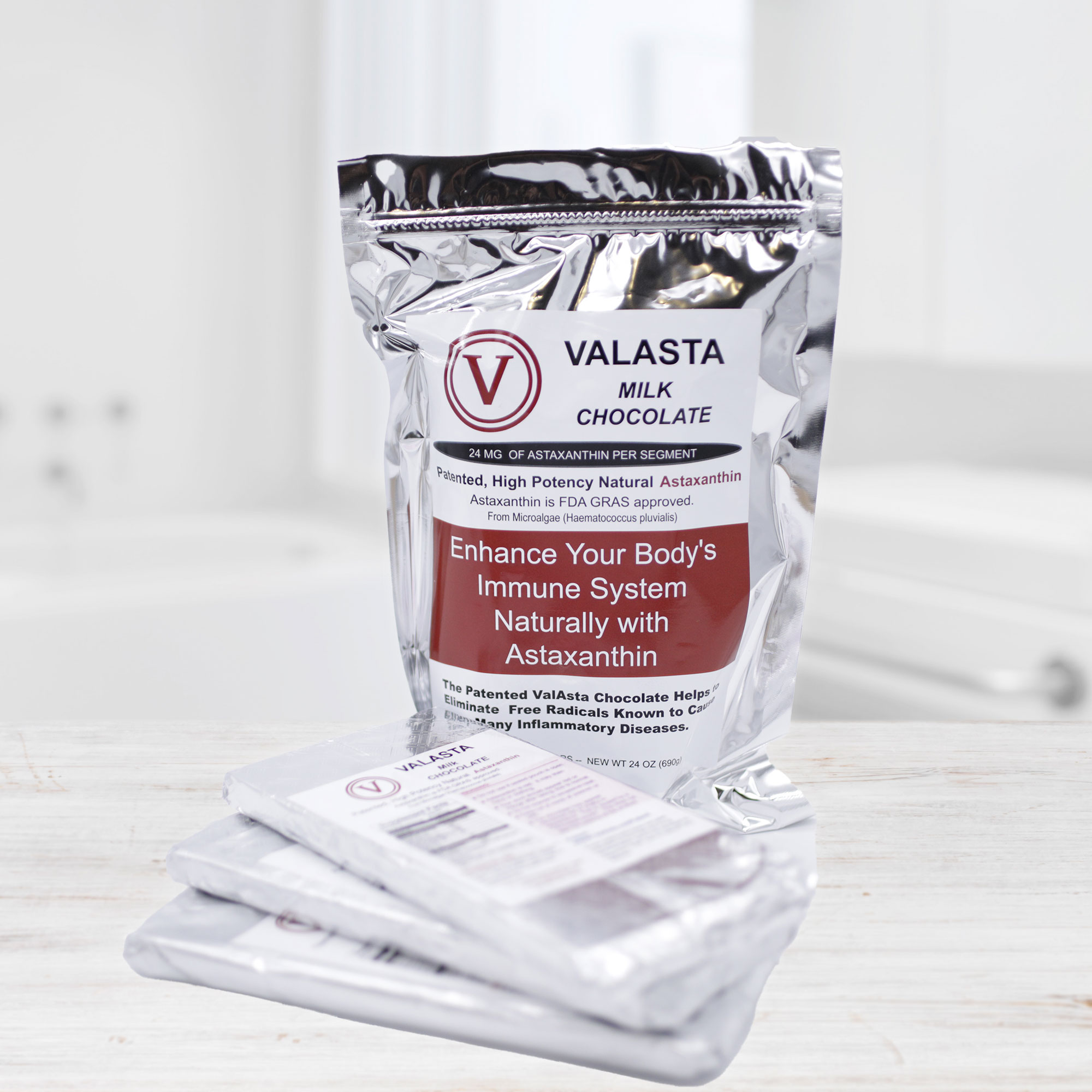
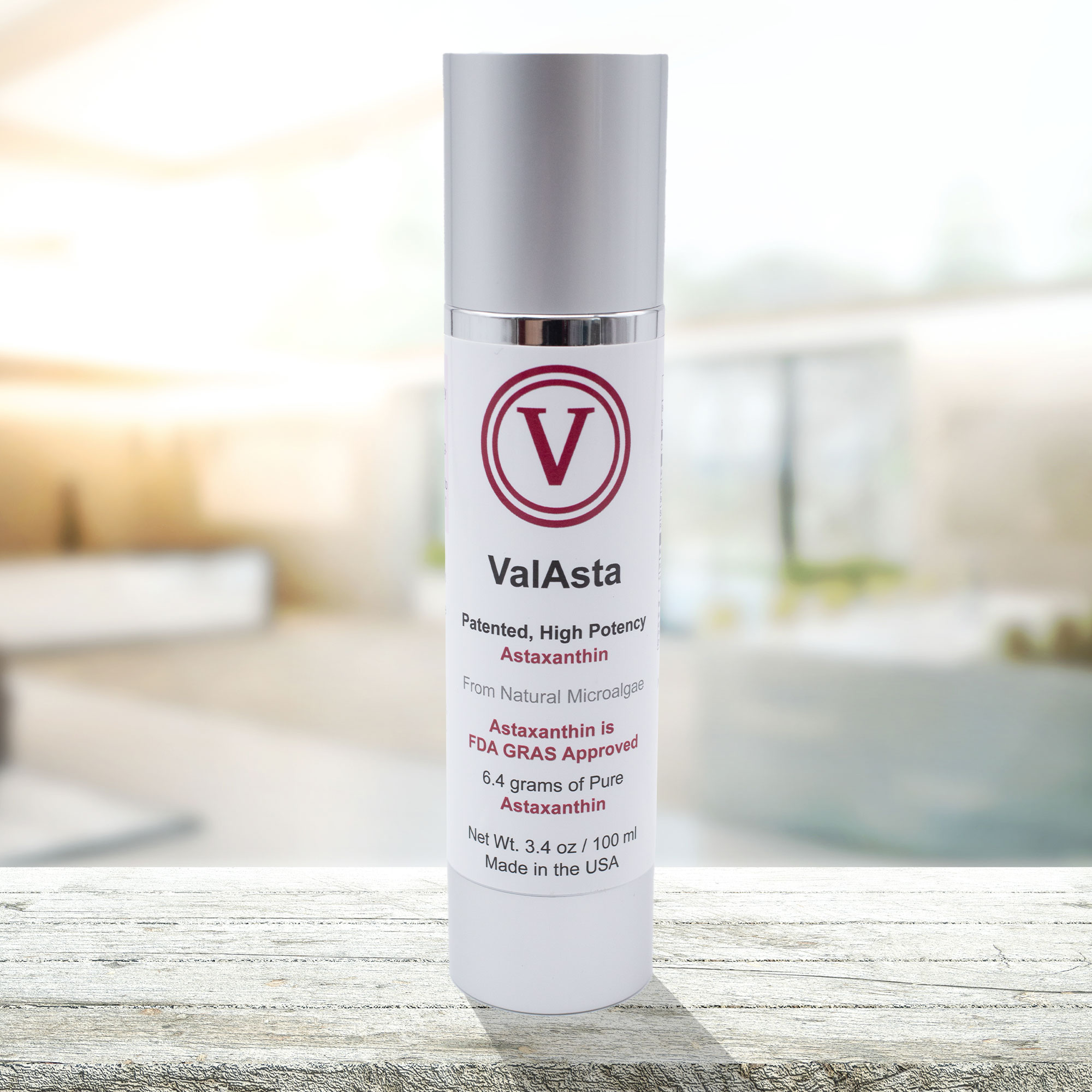
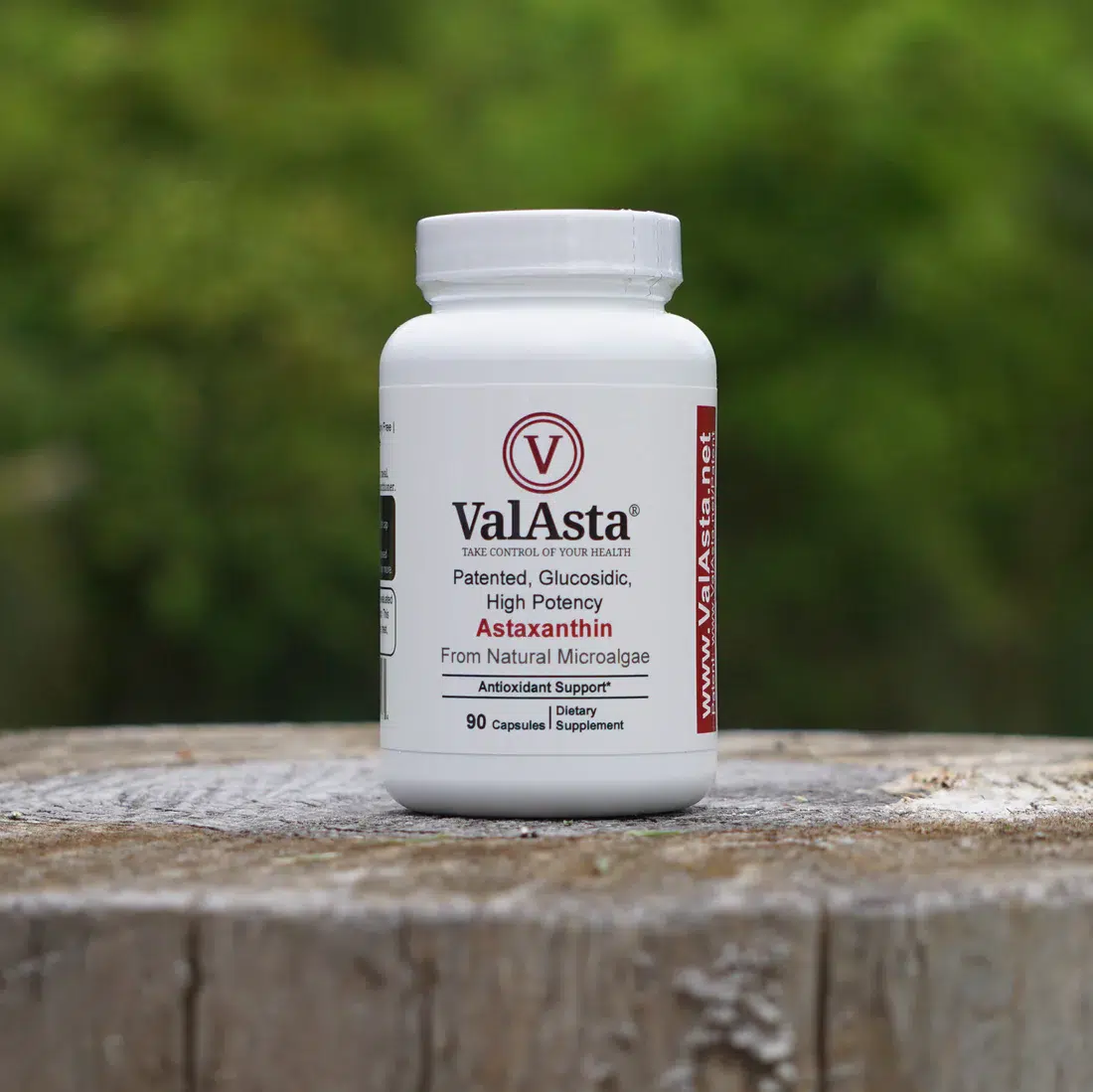
Dr. Barrett shares his personal experience with ValAsta — reduced inflammation, improved gut health, faster recovery. Code POI5 for 5% off at valasta.net.
[20:08] — The Auto-Acceleration of Inflammation
Sam describes the cascade that follows membrane damage: cells die, neutrophils arrive, IL-6 signals for macrophages, T cells and B cells mobilize. The analogy: neutrophils and basophils as special forces; macrophages and lymphocytes as tanks. The inflammation meant to clean up actually creates more inflammation — auto-acceleration — which is the signature of chronic disease.
[22:57] — Why Ketogenic Diets Work Against Cancer
Dr. Barrett connects Sam’s DNA-damage mechanism to the ketogenic and low-sugar protocols used in cancer treatment (citing Thomas Seyfried’s work). Sam confirms and adds nuance:
- Protein metabolism does not generate hydroxyl free radicals.
- Glucose is essential — every cell uses it in the Krebs cycle for ADP→ATP conversion.
- Fructose is the problem child: no human cell can use it, and molecule-for-molecule it carries more hydroxyl groups than glucose, making it a disproportionate source of free radicals.
- Fructose gets converted in the liver into triglycerides, then LDL cholesterol — generating free radicals along the way.
[25:34] — Fructose, Gut Aldehydes & the “Solution to Pollution Is Dilution”
Sam explains why fructose causes GI distress:
- Many people lack adequate fructose kinase enzymes.
- In the gut, yeast and fungi ferment fructose into aldehydes (not ethanol, as in animals).
- Aldehydes are highly inflammatory.
- The body’s dilution response — pumping fluid to wash out inflammatory products — explains loose stools from eating too much fruit, pulmonary edema in pneumonia, and skin blisters from sunburn.
- The colon stops absorbing water, flushes impurities, and drags electrolytes out with it.
[29:41] — The Glutathione Collapse: Age 42 in Women, 50 in Men
A critical clinical framework. Endogenous glutathione production drops by as much as 70% starting at age ~42 in women and ~50 in men. Catalase and superoxide dismutase decline on similar timelines. This is why the same lifestyle that was survivable at 25 begins producing disease presentations in middle age — type 2 diabetes, arthritis, IBS, insomnia. Engineering framing: in minus out equals accumulation. Carotenoids like astaxanthin become the exogenous replacement for the collapsing endogenous defense system.
[34:47] — The ORAC Score: 127,000 vs. 2.2 Million
Sam cites the Oxygen Radical Absorbance Capacity comparison:
- Turmeric: ORAC ~127,000 (already considered a top-tier anti-inflammatory).
- ValAsta astaxanthin: ORAC ~2.2 million.
- Dragon’s blood (from Amazonian bark): ~2.4 million — not commercially available.
This makes ValAsta’s astaxanthin the most potent commercially available antioxidant on the market.
[36:09] — Why ValAsta Is Different: The Glucosidic Form
The mechanism that separates ValAsta from generic astaxanthin supplements:
- ValAsta’s astaxanthin retains its native glucosidic bond — a sugar molecule attached to the end of the astaxanthin, exactly as it exists in the algae.
- High-megahertz electromagnetic pulsing vibrates the hydroxyl groups so glucose can bind — sometimes on both ends.
- Cells drag the molecule through glucose channels, cleave off the sugar for fuel, and deposit the astaxanthin intracellularly where it acts as a shield.
- Conventional supercritical CO₂ extraction destroys the glucosidic bond — which is why over-the-counter astaxanthin has dramatically lower bioavailability.
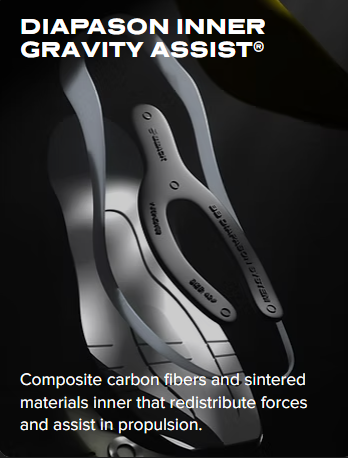
[37:25] — Sponsor Break: BBACK 0524 Shoe
Dr. Barrett’s review of the BBACK 0524 shoe — a shoe that is declared a European medical device is now entering the U.S. market. Personal example: running without orthotics and developing no functional hallux limitus pain. Code POI10 for 10% off at bbackworld.us.
[39:00] — How Astaxanthin Kills Cancer Cells: The Warburg–Saponification Mechanism
A striking section. Cancer cells consume ~16× more sugar than normal cells (Warburg effect), producing enormous quantities of hydroxyl radicals and creating an acidic pH of 5–6.8. When astaxanthin donates an electron to a hydroxyl radical, the resulting hydroxyl ion drives pH above 12 — which saponifies the phospholipid membrane (the same chemistry by which animal fat plus lye makes soap). The cancer cell’s membrane comes apart in roughly four seconds under a microscope. Cancer cannot survive a phospholipid membrane pH above 7.4.
[43:54] — Synthetic vs. Natural: The Chirality Problem
Why synthetic astaxanthin is medically compromised:
- Nature produces only left-handed (levorotary) astaxanthin molecules — the biologically functional form.
- Synthetic production yields a 50:50 racemic mixture of left- and right-handed molecules.
- Sam cites thalidomide as the cautionary lesson: the left-hand molecule treated morning sickness; the right-hand molecule caused catastrophic birth defects.
- Synthetic astaxanthin’s right-hand enantiomer isn’t teratogenic, but it is biologically inert — so half of what’s sold in generic products is effectively waste.
[46:54] — Episode Summary: What Separates ValAsta
Dr. Barrett closes the educational arc by restating the three pillars:
- ValAsta restores the native glucosidic form found in living algae — dramatically superior bioavailability.
- It is naturally sourced and therefore purely levorotary — every molecule is bioactive.
- It substitutes for the age-related glutathione collapse that drives most chronic inflammatory disease.
[48:10] — Practical Clinical Framework: The hsCRP Mile Marker
Sam’s recommended biomarker monitoring:
- 1–1.0 mg/L: low risk — minimal probability of inflammatory disease.
- 0–2.0 mg/L: yellow caution — time to increase antioxidant intervention.
- Above 2.0 mg/L: active inflammation; intervention warranted.
Dr. Barrett’s clinical advice to biohackers: baseline hsCRP, supplement, retest in six months. Many users don’t feel dramatic subjective change — but the lab trend tells the story, and 90% of cancers are silent for 5–15 years before clinical presentation.
[51:53] — The Vegan Brain, Amino Acid Deficiency & Fruitarian Life Expectancy
A candid closing exchange on dietary patterns:
- Barrett raises a report that vegan brains may be smaller, potentially from reduced cholesterol production.
- Sam: cholesterol is driven primarily by fructose, not animal fat.
- Vegan diets are typically short on ~5 essential amino acids, forcing catabolic breakdown of muscle tissue — explaining the characteristic low muscle mass in long-term vegans.
- Those 5 amino acids are found in pumpkin, which few vegans consume regularly.
- Fruitarians, by anecdotal observation, have an average life expectancy around 59 years — fruit is “nature’s candy,” not a source of unique nutrition.
[54:27] — Closing: Where to Find ValAsta
valasta.net — code POI5 for 5% off. Sam notes that testimonials on the site are from real users (not AI-generated), and many still give him goosebumps.
Key Takeaways
- A single astaxanthin molecule can neutralize over 32 hydroxyl free radicals — the highest known ratio for any commercially available carotenoid.
- The conjugated double-bond backbone lets astaxanthin anchor into both leaflets of the phospholipid bilayer, intercepting free radicals before they cause membrane collapse.
- Most hydroxyl free radicals are generated intracellularly at the mitochondria during glucose metabolism — particularly from fructose, which carries more hydroxyl groups per molecule than glucose.
- The DNA mutation pathway: hydroxyls preferentially oxidize guanine → breaks G–C bond → BRCA repair converts G to T → cascading mutation → in 1 in a million cases, malignant transformation.
- Endogenous glutathione production collapses by ~70% starting age 42 in women and 50 in men — the physiological basis for age-onset chronic disease.
- Turmeric ORAC: ~127,000. ValAsta astaxanthin ORAC: ~2.2 million.
- Cancer cells die in ~4 seconds when astaxanthin-generated hydroxyl ions drive phospholipid pH above 7.4 — saponification of the membrane.
- Synthetic astaxanthin is a 50:50 racemic mixture; only the left-handed enantiomer is biologically functional.
- ValAsta’s glucosidic form mimics the native algae molecule, entering cells via glucose channels for dramatically superior bioavailability.
- hsCRP is the cheapest, most accessible biomarker for tracking chronic inflammatory load — target range 0.1–1.0 mg/L.
Resources Mentioned
- ValAsta Astaxanthin — valasta.net | Code: POI5 (5% off)
- BBACK 0524 Shoe — bbackworld.us | Code: POI10 (10% off)
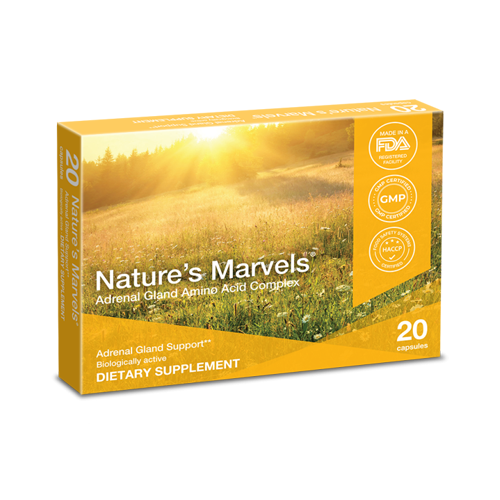
- Nature’s Marvels Bioregulatory Peptides — see show notes at podofinquiry.com
- Previous episodes: Season 8, Episodes 2 & 3 (Sam Shepard’s first two appearances)
- Referenced work: Dr. Thomas Seyfried — ketogenic cancer metabolism
- Referenced concepts: Warburg effect; ORAC (Oxygen Radical Absorbance Capacity); hsCRP testing
Sponsors Of The Episode

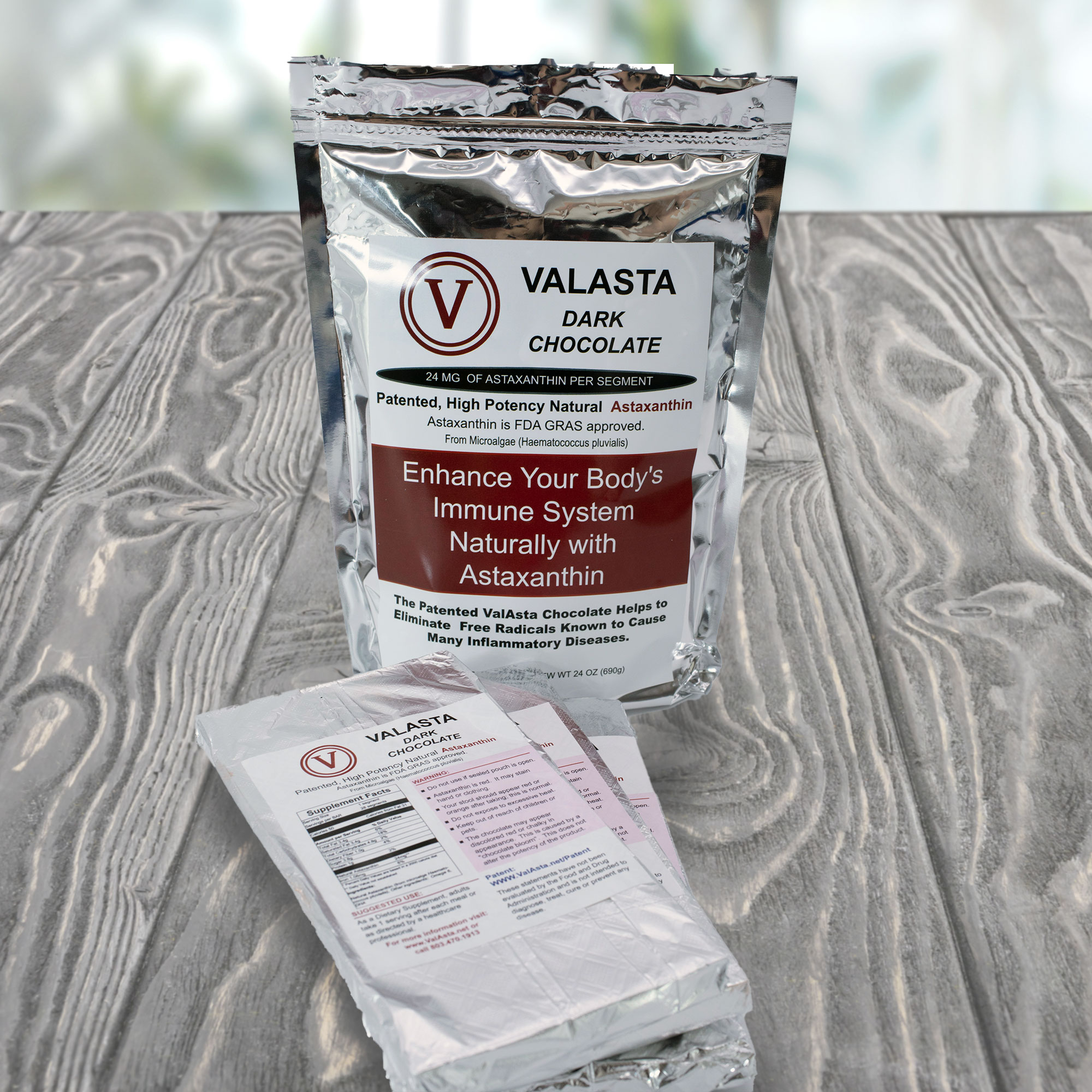
BBACK US
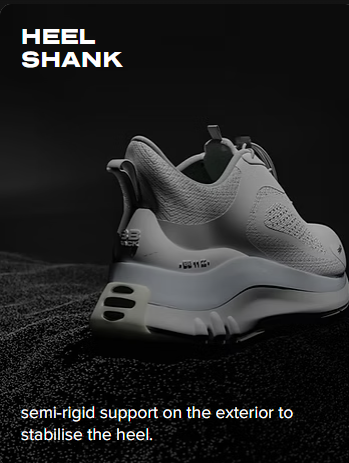
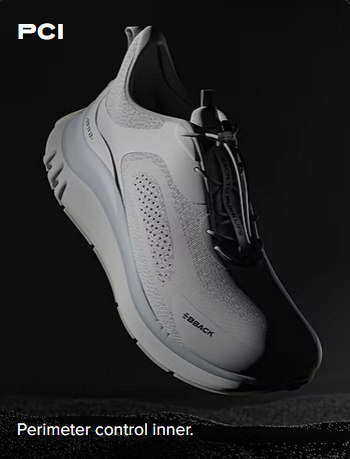
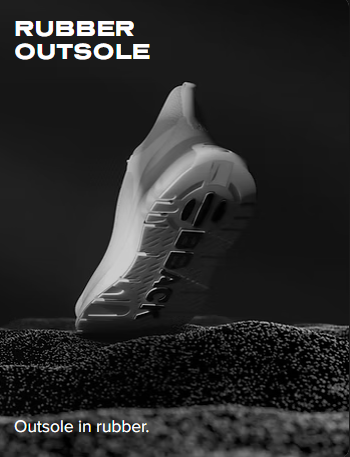
BBACK is a balance shoe that improves movement and makes each step easier.
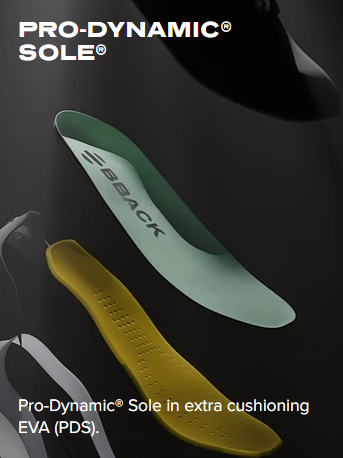
PRO-DYNAMIC® tech supports natural motion, reduces pressure, and aids circulation.
Use code: POI10 for 10% off your order


Approved Medical Solutions
Your source for Oxalate free Nitric Oxide Supplementation
Non-licensed patients can use code “sbarrett” for a 10% discount.
Licensed practitioners can access the discounts by registering and when at checkout put “podofinquiry” (no space and not case sensitive) in the coupon section.

Ketone
Nitric Oxide
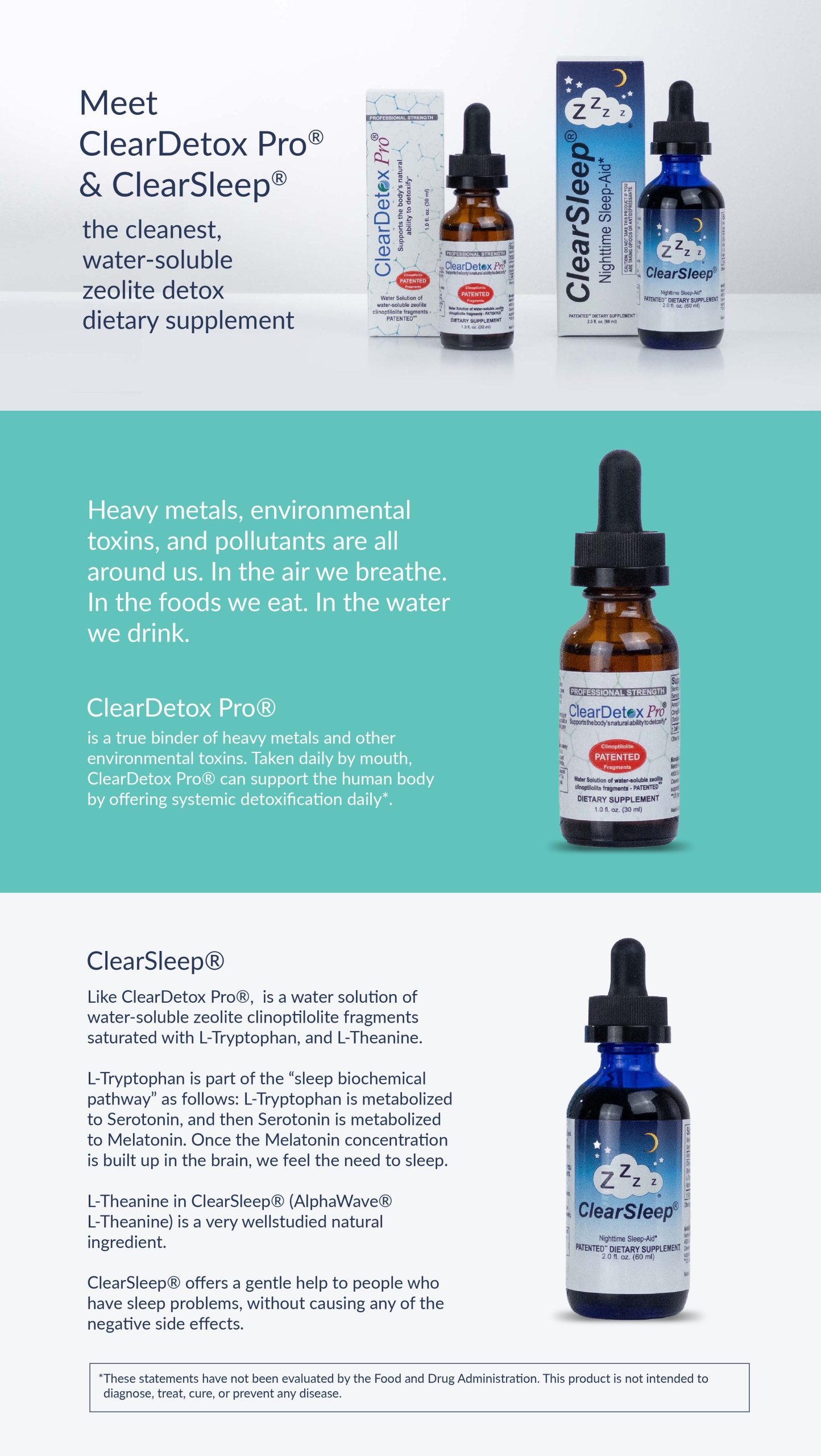
ClearDetox Pro & ClearSleep