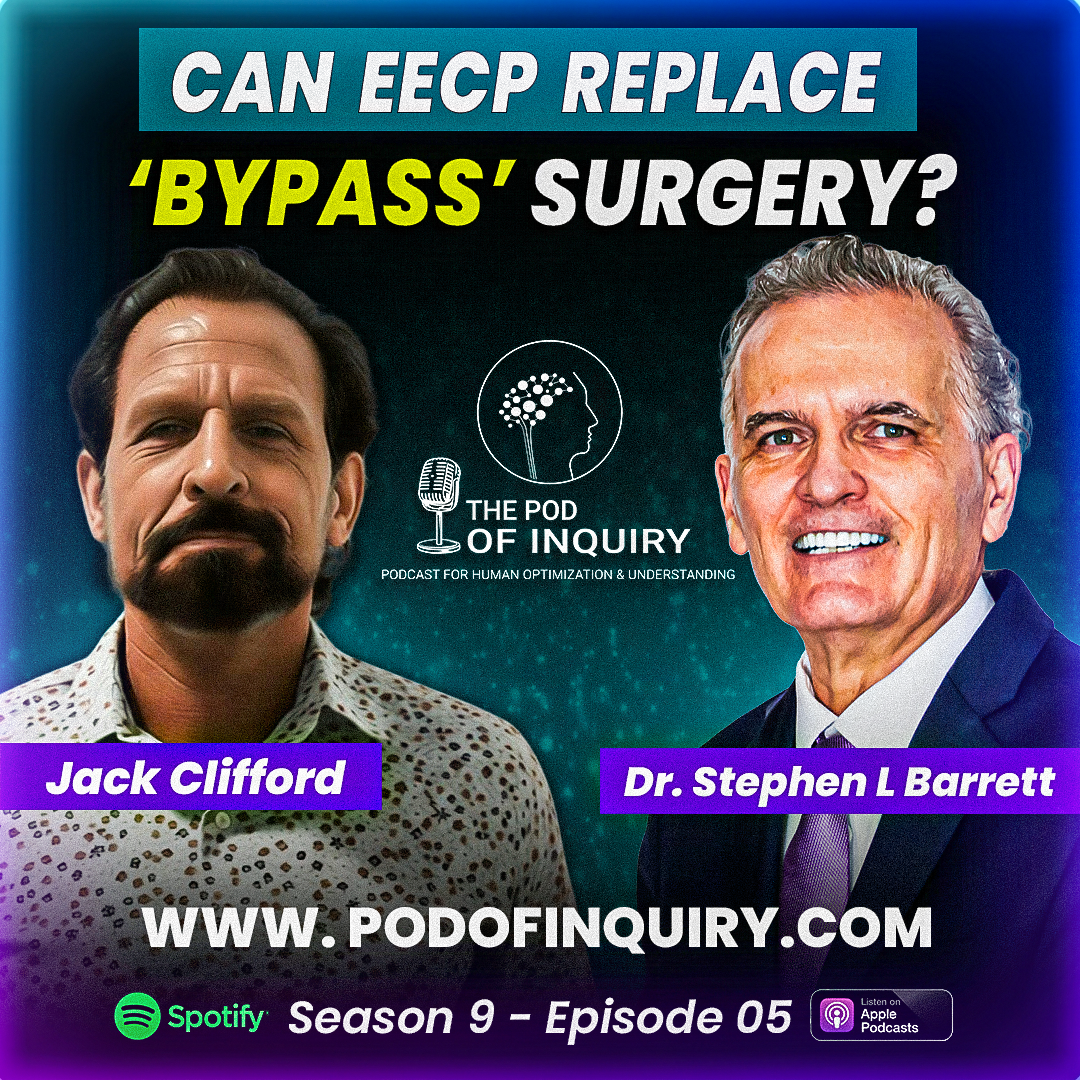
Could a little-known, FDA-approved therapy transform heart health, circulation, dementia outcomes, and even neuropathy?
In this episode, we sit down with Jack Clifford, who made a remarkable decision after being told he had severe coronary artery blockages and faced bypass surgery. Instead of surgery, he turned to Enhanced External Counterpulsation (EECP)—a non-invasive therapy that has been FDA-approved and Medicare-covered for more than two decades.
Jack shares how EECP became a central part of his health journey, logging hundreds of hours of treatment while documenting improvements in cardiovascular fitness, circulation, energy, and overall quality of life. (Can EECP Replace Bypass Surgery)
In This Episode you’ll discover:
- What EECP is and how it works
- The science behind increased blood flow and nitric oxide production
- EECP’s impact on coronary artery disease and angina
- Research on dementia, cognitive decline, and brain health
- Potential benefits for diabetic peripheral neuropathy
- Microvascular circulation and endothelial function
- Hearing, tinnitus, erectile function, and other reported improvements
- Why EECP remains underutilized despite decades of clinical use
- The economics and accessibility challenges surrounding the therapy\
- Jack’s mission to expand EECP access across the United States
Whether you’re interested in heart disease prevention, longevity, biohacking, cognitive health, metabolic wellness, or emerging medical therapies, this conversation offers a fascinating look at one of medicine’s most overlooked interventions.
🔔 Subscribe for more conversations on health, longevity, nutrition, functional medicine, and cutting-edge science.
.
Watch The Podcast
Listen to The Podcast
Also available on


Author Biography
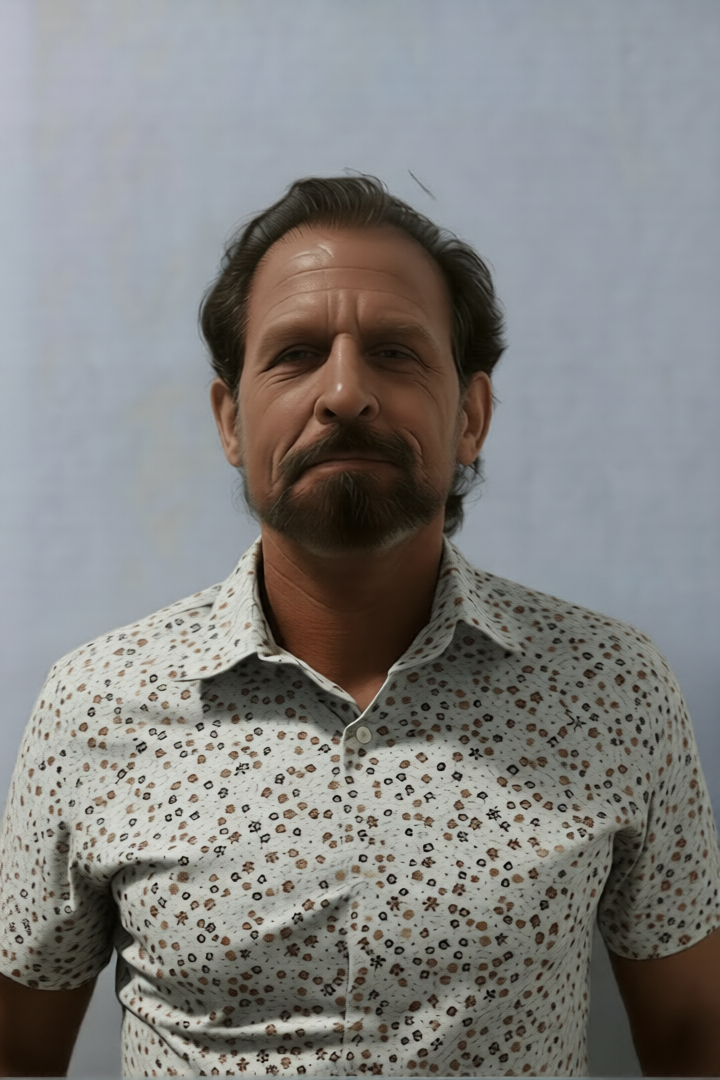
Jack Clifford
RETIRED U.S. COAST GUARD E-9 · AUTHOR · EECP ADVOCATE
Jack Clifford is a retired U.S. Coast Guard Master Chief Petty Officer (E-9) with 21 years of service. After a near-bypass-surgery experience in 2021, he discovered EECP therapy, avoided the procedure, and dedicated himself to making this life-changing treatment known to patients and physicians across America.
He is the founder of eecplocator.com, Atlantic EECP, and the EECP Retreat at Waking Dreams Wellness in Asheville, NC. His book, EECP: The Most Underutilized Therapy in Medicine, is a comprehensive guide for patients, caregivers, and physicians.
Show Notes from this episode
00:00 — Dr. Barrett introduces Jack Clifford and frames the episode around Enhanced External Counterpulsation (EECP) therapy — a technology he had never heard of until Jack reached out. Key teaser: Jack has three or four coronary arteries that are completely or nearly completely blocked, yet he feels no limitations whatsoever on his physical activity.
What Is EECP? Nomenclature & Mechanism of Action
01:49 — Dr. Barrett welcomes Jack and invites him to share his background and how he came to EECP therapy.
02:18 — Jack opens: ECP — Enhanced External Counterpulsation — has been around for roughly three decades, is FDA-approved, and has been Medicare-reimbursed for certain indications for over 20 years, yet remains radically underutilized. He considers it ‘the most underutilized therapy in medicine.’
02:51 — Dr. Barrett asks for a slow walk-through of the acronym. Jack explains: ‘Enhanced’ is a trademark term from one manufacturer (Vasomedical) that became generic; ‘External Counter Pulsation’ refers to the mechanism.
03:01 — Mechanism: Patient lies on a bed; pneumatic cuffs are placed around the calves, thighs, and hips; a three-lead EKG feeds real-time heart rhythm data to the machine; during diastole (the heart’s resting phase between beats), the cuffs compress sequentially — distal to proximal — pushing blood from the lower body upward toward the heart and systemic circulation.
04:10 — Dr. Barrett clarifies: the compression is sequential (calf → thigh → hip) in rapid succession, nearly imperceptible to the patient. The machine is synchronized entirely to the EKG signal.
04:28 — Pressure titration: starts at 1.3 PSI, incrementally adjustable up to 6 PSI. Gradual titration prevents discomfort; the body adapts quickly. The experience is described as extremely comfortable — many patients fall asleep.
Jack’s Personal Story: Triple-Vessel Disease & the Bypass He Refused
05:22 — Dr. Barrett asks Jack to tell his personal story — the reason he discovered EECP.
05:43 — Jack reveals his current coronary status: 100% blocked LAD, 80% blocked right circumflex, 95% blocked left main. Despite these findings, he describes himself as symptom-free and in the best shape of his life — a retired military man who has been fit throughout his career.
06:18 — Five years ago (2020), Jack was deteriorating rapidly from progressive angina — walking at 2.2 mph could trigger symptoms. On Christmas Day 2020, he induced cold-angina from a chili pad set to 55°F, woke at 4am thinking he was having an MI, and was rushed to the ER. A nuclear stress test confirmed severely compromised cardiac perfusion.
07:00 — In the hospital over a COVID-isolation weekend, he faced pressure to consent to a cardiac catheterization that could lead directly to bypass surgery. His mother’s experience — post-bypass dementia — made him deeply averse to that path. He had heard of ECP five years earlier (2015) while researching alternatives for his mother, and that seed of awareness remained.
08:37 — The attending warned him: ‘If you live that long’ when he asked to schedule a follow-up. After two opinions, both recommending bypass, Jack declined and sought EECP. Access proved to be a massive barrier — in Florida, only ~20 machines exist, many inactive. He ultimately drove three hours and checked into a hotel to access a physician willing to use EECP as a first-line therapy.
09:56 — Standard EECP protocol: one hour per day, five days per week, for seven weeks (35 total hours minimum).
The Cardiac PET Scan, Heart Cath, and the Decision to Start EECP
10:12 — The treating cardiologist ordered a cardiac PET scan before proceeding. Results were severely abnormal. The physician agreed to perform a heart cath at a community hospital not equipped for bypass — a deliberate strategic choice by Jack — so that documentation of his blockages could be obtained without the threat of being taken directly to bypass surgery.
12:29 — Waking from anesthesia, with his wife (a nurse) in tears after viewing the imaging, Jack walked across the hospital parking lot to the heart center and insisted on seeing the cardiologist, who confirmed he had some collateralization — a foothold from which new vascular growth could occur — and cleared him to try EECP.
From 19 In-Office Sessions to 700+ Hours at Home
12:30 — Jack completed 19 EECP sessions in that small-town clinic, beginning January 2021. During that time, he tracked his own informal stress test daily on the hotel treadmill — pushing just below his angina threshold and documenting where that threshold was.
13:20 — After 19 sessions, his walk-without-angina pace had improved from 2.2 mph to 2.7 mph. Seeking more intensive access, Jack found an online vendor shipping EECP machines directly to consumers, spent $22,000 on a credit card, and received the machine six weeks later. He has now logged approximately 700 hours on his home unit — possibly the highest accumulated personal total in the United States.
13:48 — Dr. Barrett notes that roughly 20% of patients require a second full course of EECP. Jack contextualizes: the patient population in most studies skews elderly; individual goals and disease severity will heavily influence outcomes. He views EECP not as a one-and-done therapy but as a performance-enhancement tool analogous to exercise — consistent, patient use compounds over time.
Self-Measured Progress: From 2.2 mph to a Sub-9-Minute Mile
19:47 — Dr. Barrett asks for follow-up metrics. Jack reports: by April 2021 (roughly two months post-machine delivery), he could resume a running stride at ~3.5 mph; today he can run at a sub-9-minute-mile pace. Walking at 2.2 mph versus running at 6+ mph represents a profound functional change. No formal imaging follow-up has been obtained — a stress test attempt was aborted when the physician recognized him and refused to conduct the test, citing safety concerns given his lack of stents or bypass.
Physiology: Why EECP Does Far More Than Move Blood
15:06 — Dr. Barrett pivots to physiology. EECP upregulates eNOS (endothelial nitric oxide synthase) — a pathway that declines after age 40. It also stimulates endogenous stem cell release from bone marrow into circulation, documented in multiple studies.
15:38 — Core mechanism for downstream benefits: improved microvascularity. Blood flow to previously ischemic tissue — nerves, organs, brain — is enhanced through both collateral vessel formation and vasodilation. Dr. Barrett draws an explicit connection to peripheral neuropathy: microvascular ischemia to peripheral nerves is a known pathophysiological substrate, making EECP a plausible treatment target.
16:41 — Jack shares a personal anecdote: pre-existing tingling in his hands and feet (possibly pre-diabetic neuropathy) resolved over his early EECP hours, followed by a paradoxical period of heightened tingling in his toes as circulation improved, then a long-term state of heightened sensory acuity — hugs feel more vivid, all senses more acute. He describes it as multi-sensory recalibration.
18:51 — Dr. Barrett notes documented patient reports of improved hearing and reduced tinnitus with EECP — consistent with a microvascular explanation for cochlear ischemia. He frames this broadly: tissues heal when given oxygen and blood flow; the body’s regenerative capacity is underestimated.
19:23 — Jack extends the aging metaphor: optimized blood flow may be a key substrate of youthfulness; the loss of it may be part of what we call aging. He references the William Osler aphorism: ‘A man is only as old as his arteries.’
Sponsor Break: ValAsta Astaxanthin
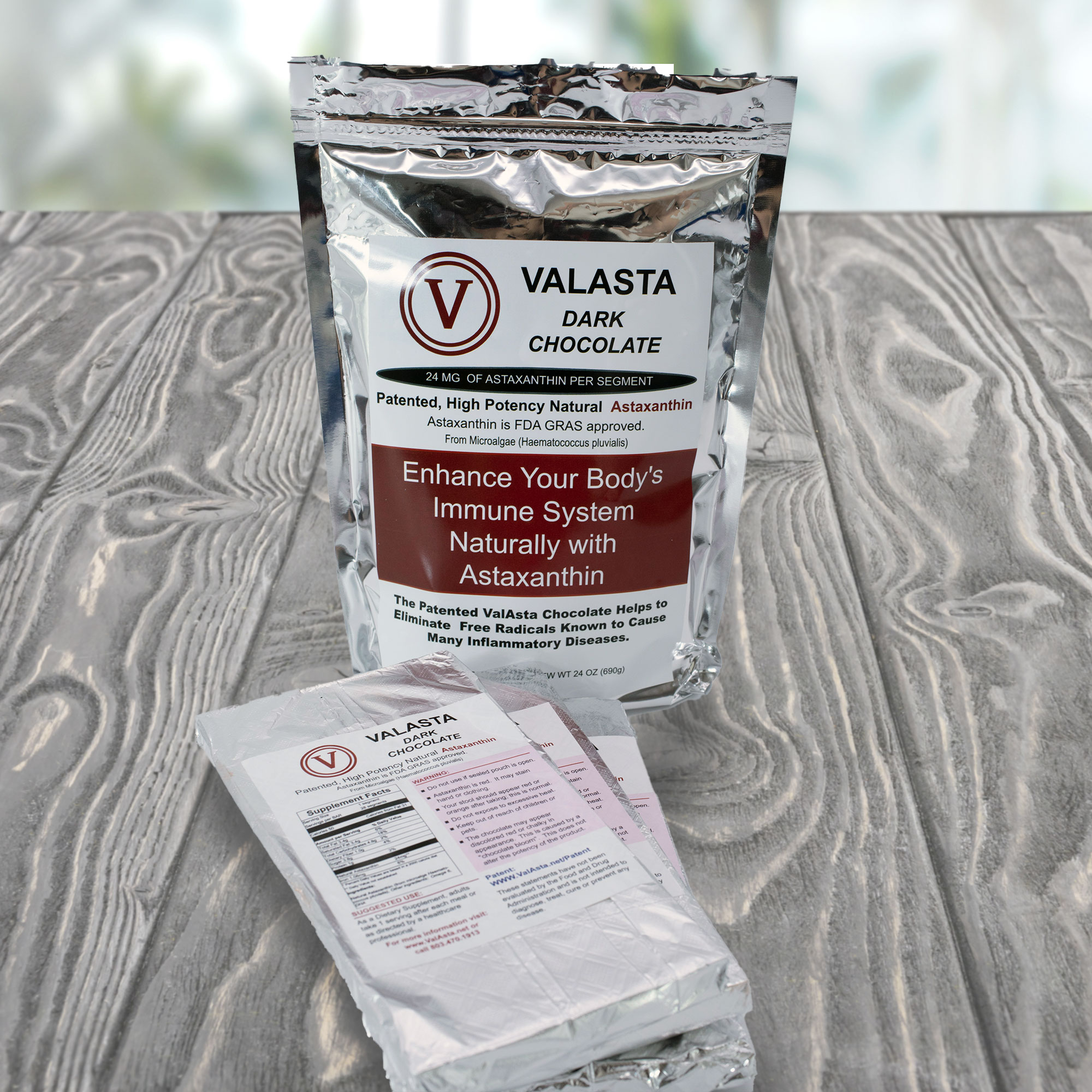
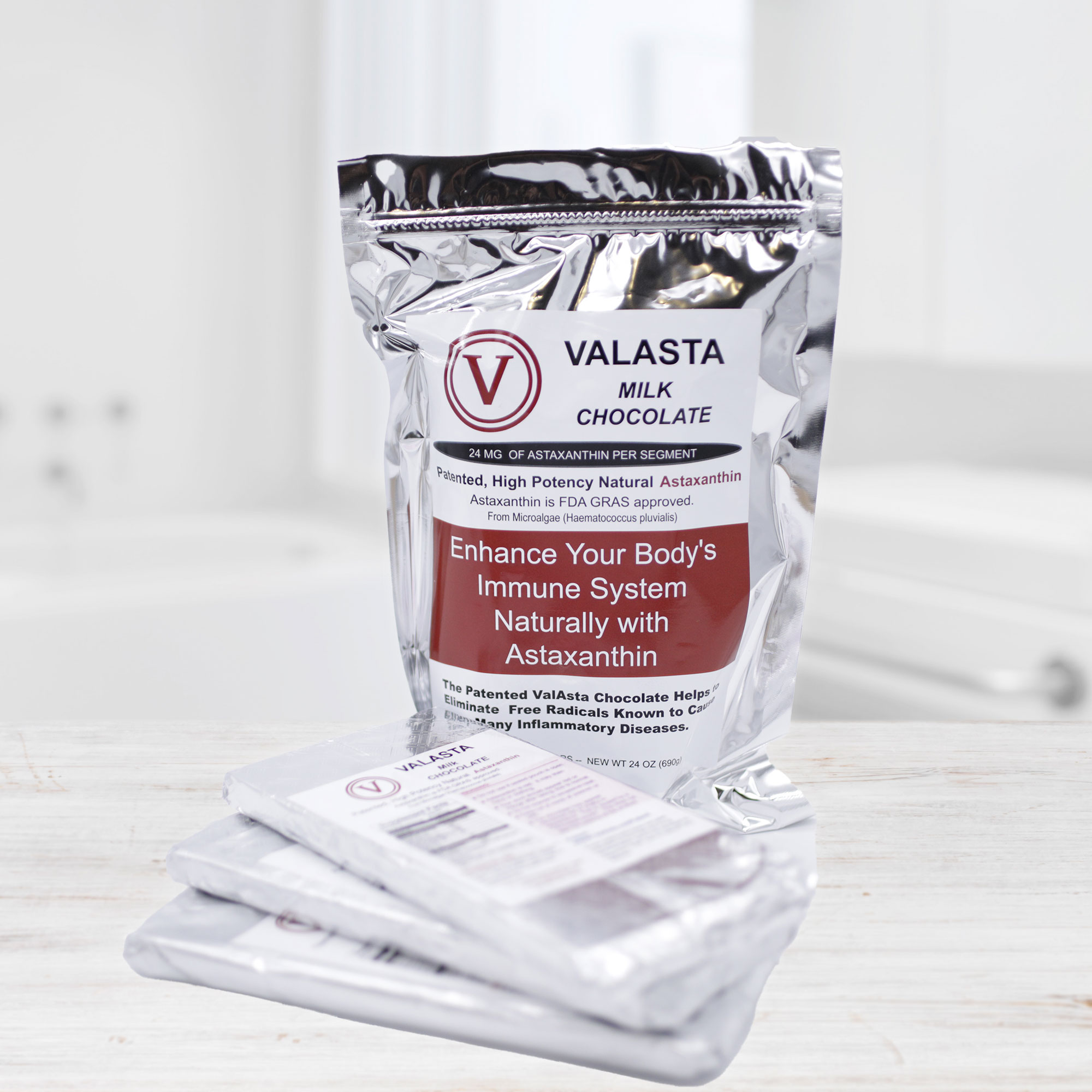
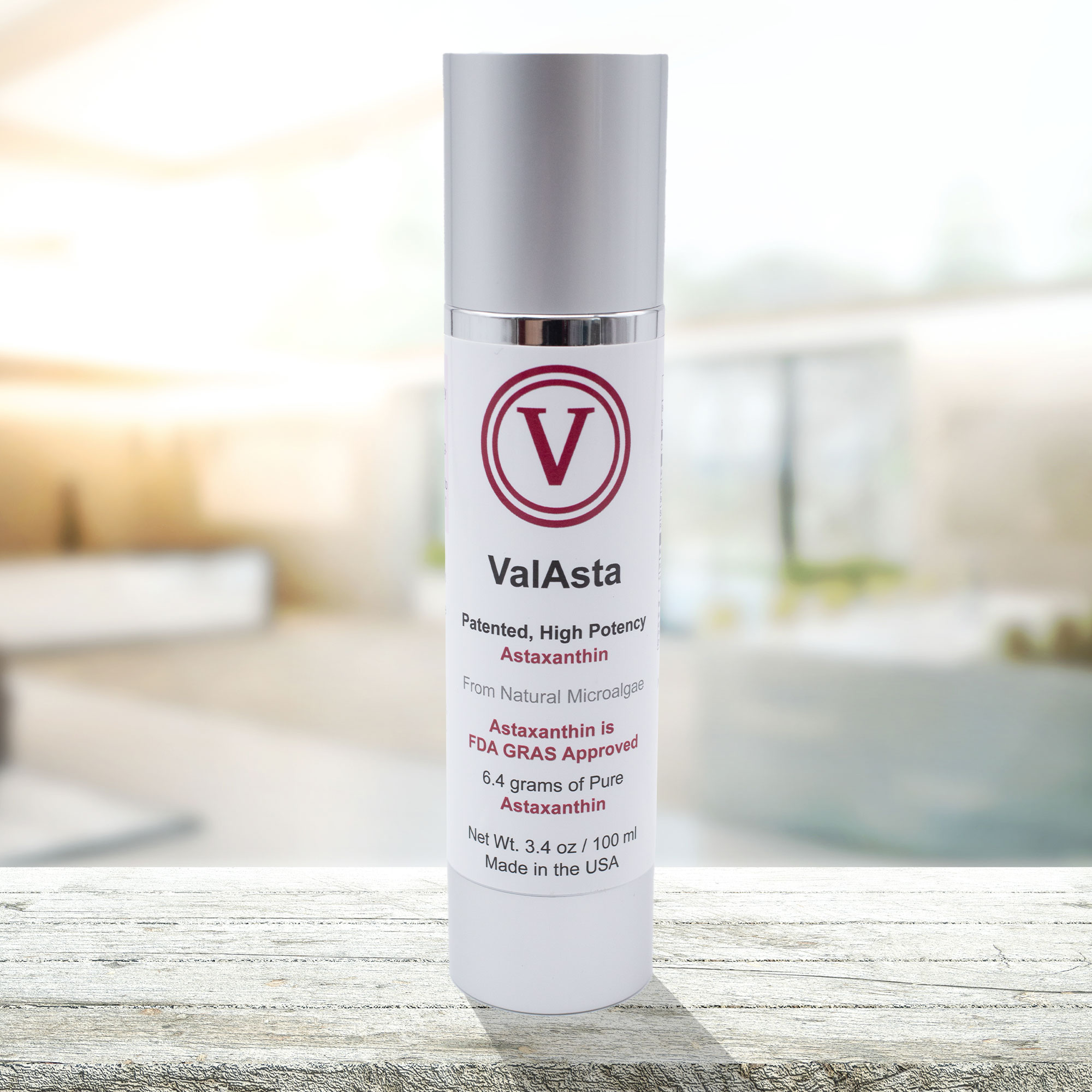
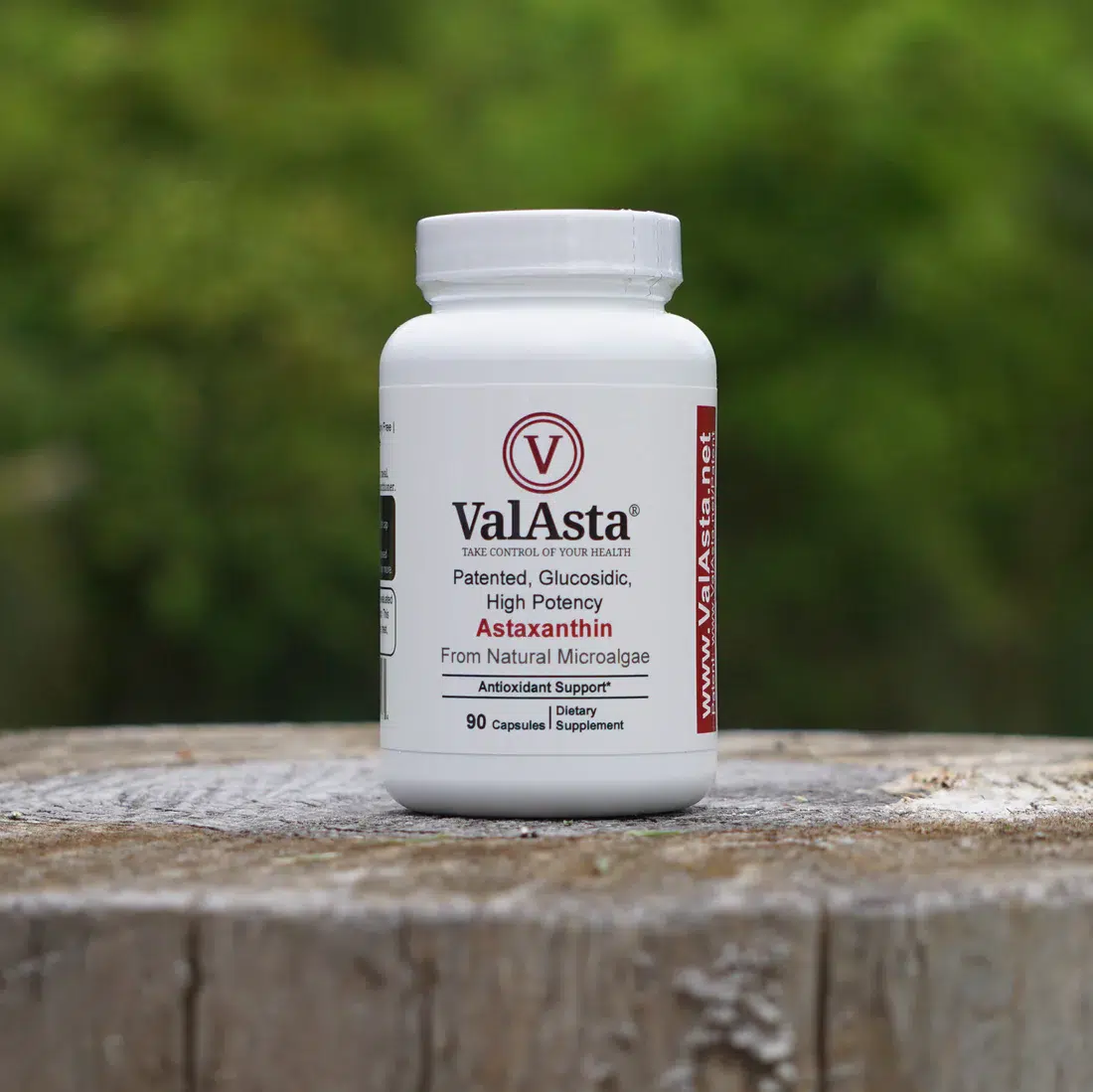
17:05 — Dr. Barrett acknowledges ValAsta astaxanthin as the week’s sponsor. Code: POI5 for 5% off at vallasta.net. Dr. Barrett reports personal use for inflammation, gut health, and recovery.
Other Indications: Erectile Dysfunction, Prostate Health, Sleep, Dementia
21:54 — Erectile dysfunction: the machine’s pulsation pattern creates significant pooling and flow augmentation in the pelvis — up to 250% blood flow increase versus ~120% at the heart. Jack describes it as highly effective, though time-intensive.
22:46 — Dr. Barrett extends this to prostate health — noting emerging data on low-dose Cialis reducing prostatitis — and connects the mechanism (improved pelvic blood flow) to downstream benefits including nocturia reduction and improved sleep quality. ‘Sleep is one of the most powerful medicines we have.’
23:34 — Both agree these effects represent positive feedback loops: better pelvic circulation → better sleep → better systemic health.
31:40 — China context for dementia: EECP is a mainstream, first-line therapy in China for stroke recovery, dementia, and erectile dysfunction — not just cardiac disease. China has approximately 5,000 EECP access points; the U.S. has approximately 130.
32:30 — Key clinical study: 2023 multi-center randomized controlled trial (10 sites, ~100 patients, ~1-year follow-up) on EECP for dementia, led by Dr. Moriarty at KU Medical Center. Finding: all patients improved over the course of a year — remarkable given that dementia patients typically decline measurably within one year. Diabetic patients showed the most pronounced improvements. Jack’s observation: ‘That might be a cure for dementia.’
Sponsor Break: BBack 0524 Footwear
33:00 — BBack 0524 sponsor segment. Dr. Barrett describes the shoe as a medical device in Europe, reports running without an orthotic without developing functional hallux limitus symptoms. Code: POI10 for 10% off at bebackworld.us.
Why Cardiology Abandoned EECP: Economics, Reimbursement, and Momentum
27:40 — Dr. Barrett asks why cardiology hasn’t embraced EECP given its data and track record.
28:03 — Jack’s analysis (opinion stated explicitly): EECP reached a high-water mark around 2002–2006 when it received Medicare reimbursement for Class II/III angina. A 2006 bid for heart failure reimbursement was denied despite thousands of physician testimonials. Simultaneously, drug-eluting stent technology advanced rapidly, cardiac cath labs proliferated, and procedural cardiology became the dominant economic model.
29:49 — Economic comparison: a cardiologist can place a stent in under two hours for substantial reimbursement. EECP requires a dedicated patient room with a staff member for one hour daily over seven weeks — substantially less economically efficient under the current fee-for-service model.
30:50 — Patient culture also bears some responsibility: patients want immediate results; EECP, like exercise, requires patience and consistency.
31:00 — Vasomedical (primary EECP manufacturer) has shifted focus to other products; there is no major industry voice actively marketing EECP. A new U.S. manufacturer received FDA clearance in January (of the current year), though no sales have yet been reported. Chinese manufacturers produce portable EECP units that can be brought bedside or used in the home — a technology leap not yet available in the U.S. market.
Global Access, Biohacking Potential, and Adverse Events
34:22 — Dr. Barrett: the U.S. reimbursement system structurally incentivizes expensive, discrete interventions over time-intensive, lower-cost preventive therapies.
35:05 — China’s model incentivizes keeping patients out of hospitals. India also has extensive EECP infrastructure — partly driven by the elevated cardiovascular disease burden in South Asian populations.
36:01 — Biohacker use case: Dr. Barrett draws a parallel to expensive home saunas and hyperbaric chambers. Jack confirms he encourages this framing — EECP is performance enhancement, not just disease management. He runs a Facebook group and invites direct outreach from interested individuals.
36:43 — Adverse events: no serious adverse events documented in the literature — only skin abrasions or bruising at cuff sites.
37:16 — Contraindications: aortic aneurysm, pregnancy, uncontrolled heart failure (fluid overload), DVT/PE, significant spinal instability, uncontrolled atrial fibrillation (EKG timing is required for counterpulsation synchronization).
ECP Locator, Pop-Up Clinics, and Jack’s Mission
38:41 — Jack introduces ecplocator.com — a searchable database of active EECP providers in the U.S. (distinguished from Google results, which include many providers who no longer use their machines). He built it specifically to solve the access problem he personally faced.
39:20 — Future vision: a pop-up clinic model where demand signals (aggregated through the locator) justify bringing EECP to underserved areas for two-month blocks, allowing patients to complete full courses locally.
40:37 — Dr. Barrett: awareness is the primary barrier — including awareness among cardiologists, most of whom have heard of EECP but lack substantive knowledge of its mechanism, evidence base, or clinical application. Jack confirms: his son, finishing medical school, has not encountered EECP in his curriculum.
42:40 — Dr. Barrett: EECP belongs in memory care centers and cardiac rehabilitation programs. Jack: a handful of U.S. cardiac rehab centers already incorporate it. He sees EECP as the ideal complement to post-bypass rehabilitation.
Global Destinations for EECP Access; Dr. Thomas Cowan Connection
43:53 — Other countries with meaningful EECP access: Mexico (at least one clinic), India (widespread), Russia (active recent research). China remains the dominant EECP ecosystem globally.
45:24 — Attribution moment: Jack credits a Ben Greenfield podcast featuring Dr. Thomas Cowan (author of Sacred Heart, Cosmic Heart) with the five-minute segment that introduced him to EECP in 2015. He distinguishes compression therapy (e.g., NormaTec) from EECP: superficially similar mechanisms, radically different physiological outcomes.
Desert Island Biohack: Sauna
47:00 — Dr. Barrett’s signature closing question: if Jack could have only one other biohacking tool alongside his EECP machine on a desert island, what would it be? Answer: the sauna. Jack has maintained a daily sauna protocol for three years, describing it as ‘a shower on the inside’ — detoxification through a pathway unavailable through diet or exercise alone.
Closing & Sponsor Acknowledgments
47:49 — Dr. Barrett thanks Jack, encourages Spelunkers to look into EECP given the near-universal relevance — nearly everyone has a family member affected by cardiovascular disease or dementia. Directs listeners to show notes at PodofInquiry.com.
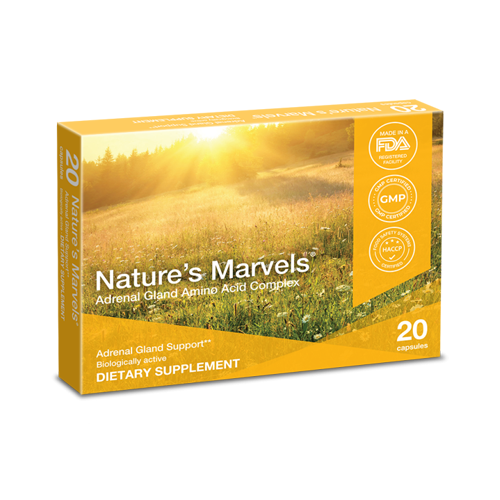
48:22 — Nature’s Marvels bioregulatory peptides closing sponsor mention — Dr. Barrett notes three-plus years of personal, consistent use as part of his human optimization protocol.
Sponsors Of The Episode

BBACK US
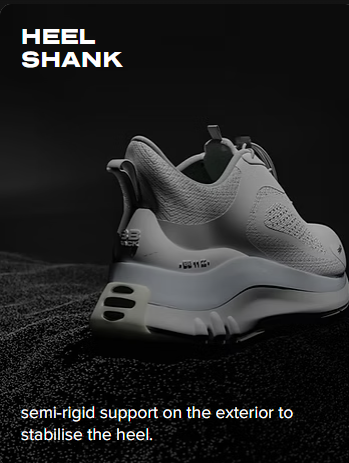
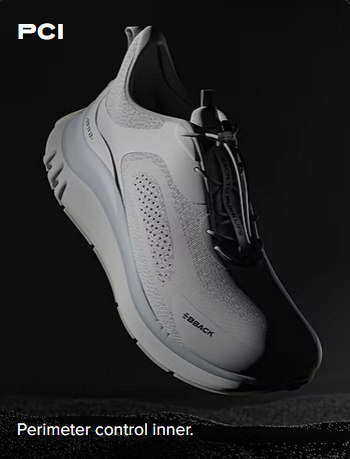
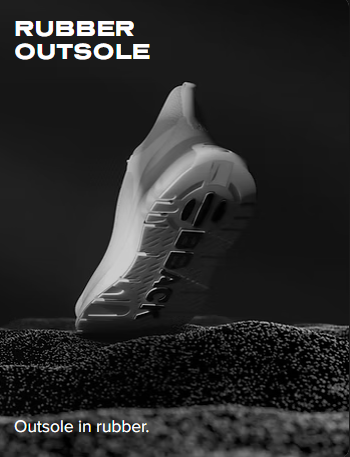
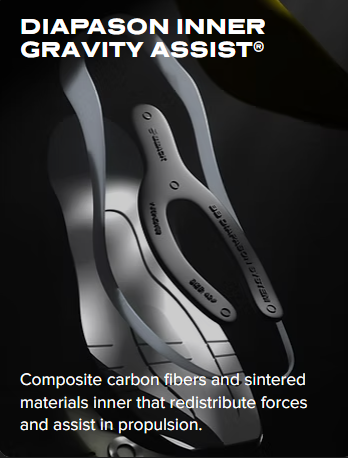
BBACK is a balance shoe that improves movement and makes each step easier.
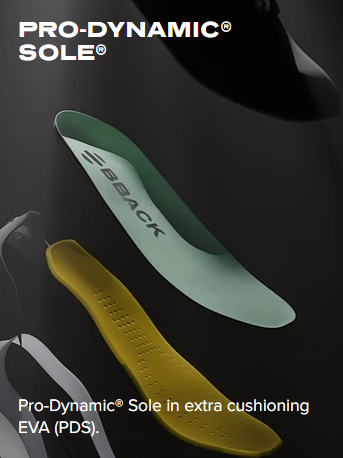
PRO-DYNAMIC® tech supports natural motion, reduces pressure, and aids circulation.
Use code: POI10 for 10% off your order


Approved Medical Solutions
Your source for Oxalate free Nitric Oxide Supplementation
Non-licensed patients can use code “sbarrett” for a 10% discount.
Licensed practitioners can access the discounts by registering and when at checkout put “podofinquiry” (no space and not case sensitive) in the coupon section.

Ketone
Nitric Oxide
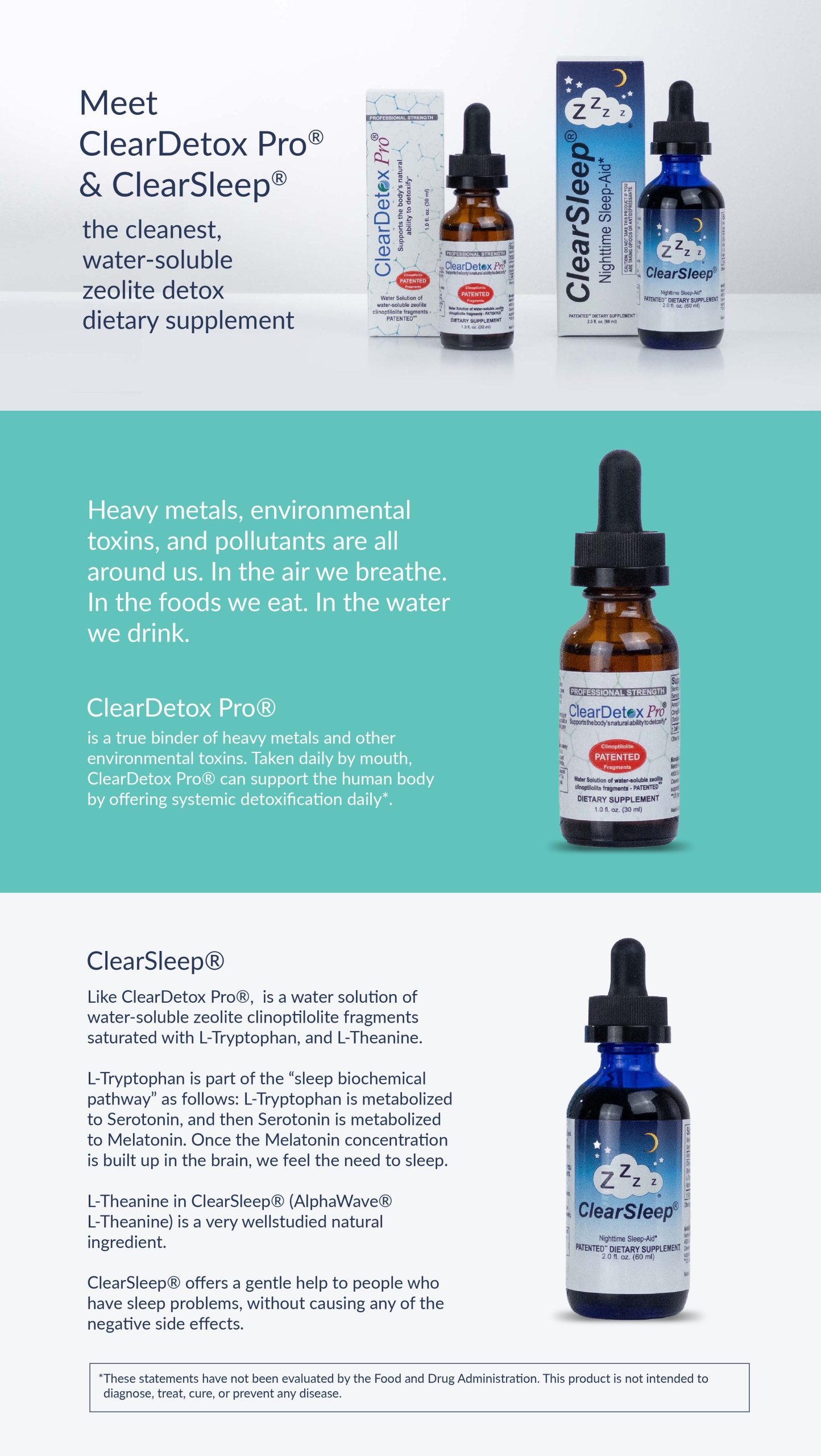
ClearDetox Pro & ClearSleep