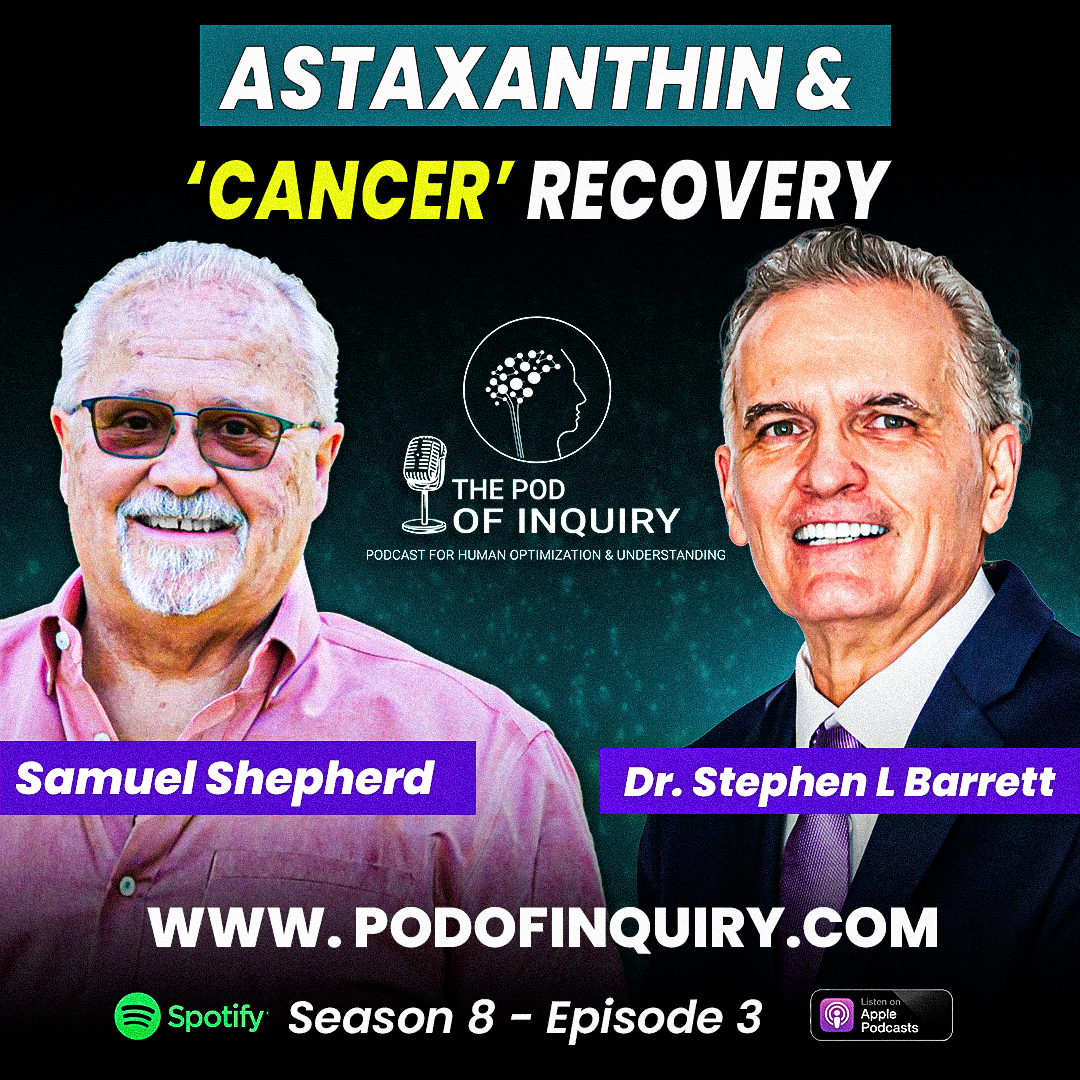
What if a molecule involved in kidney health, phosphorus regulation, vascular protection, and aging could change how we think about chronic kidney disease?
In this episode of THE POD OF INQUIRY, Dr. Robin Rose returns for a deep dive into Klotho—a large protein that works closely with FGF23 to regulate phosphate metabolism and may play an important role in kidney, cardiovascular, and vascular health. ( Klotho & the Future of Kidney Care)
Robin brings a unique perspective to the conversation. After losing a kidney to cancer and facing the possibility of dialysis, she spent years focusing on lifestyle, targeted testing, and emerging approaches to kidney health. She shares what she has learned about Klotho and why this molecule is attracting growing scientific interest.
In this episode, we break down:
- Why kidney tubules may be important in the early stages of kidney dysfunction
- How the FGF23–Klotho pathway regulates phosphorus
- What happens when Klotho signaling becomes impaired
- The potential relationship between Klotho, SGLT2 inhibitors, and ACE inhibitors
- Why not every “Klotho” supplement contains actual Klotho protein
- Whole Klotho vs. peptide fragments—what’s the difference?
- Robin’s approach to sleep, stress, nutrition, and kidney health
- The surprising connection between creatine and creatinine
- What emerging Klotho research could mean for the future of kidney and healthy-aging research
Klotho is still an emerging area of research, and many questions remain about how it can be measured, supplemented, or used clinically. But its connection to kidney function, FGF23, phosphate metabolism, vascular health, and aging makes it a fascinating area to watch.
☕ Grab your coffee and join us for a deep dive into one of the most intriguing molecules in kidney and longevity research.
Watch, subscribe, and join the conversation.
Watch The Podcast
Listen to The Podcast
Also available on


Author Biography
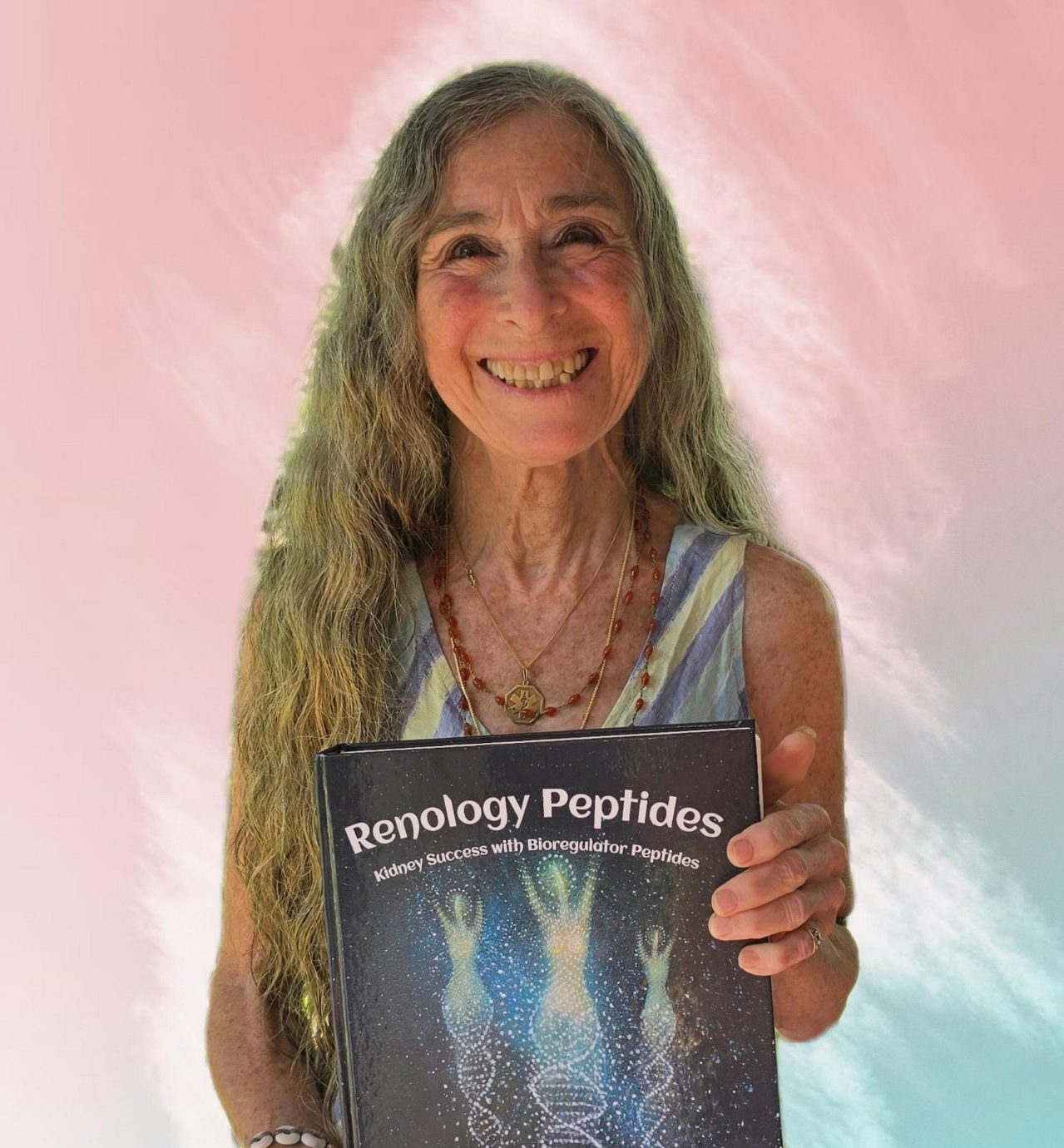
Robin Rose, M.D.
Born in Brooklyn, raised in Jersey, Robin Rose MD began her life journey as a child protégé in the New York ballet world and then evolved to become a published writer and artist by the end of high school. Her medical odyssey began in 1970 when she shadowed an MD while living in a fishing village in India. By the end of the 1970s, she studied plant-based medicine and veggie cooking, serving communities in New Jersey, later working for $2/hour as a nursing assistant in a rural middle Tennessee county hospital. 1981 she graduated with honors from the U of Tennessee Health Sciences Center (BSN/RN with a PNP certification]. She completed a graduate MSN/FNP program in 1984 at the U of Missouri at Columbia.
After a brief stint in a norther Arizona private primary care practice, she realized the urgent need to learn more in order to provide the kind of precision primary care she wanted to offer. With an arduous commitment, she completed pre-med requirements, while attending as FNP at a rural indigenous clinic.
August 1986, she enrolled at the U of Arizona College of Medicine, completing the course of study in 5 years (extended when her spouse relapsed and then died of leukemia). During that time she had the honor of serving as medical student board member of the American Holistic Medical Association, while also attending massage school classes and enjoying the mentorship of Andrew Weil MD. The experience was unique, as she began to evolve agility by including complementary offerings to manifest a holistic medical education – classes with herbalists, extracurricular nutrition and acupuncture study, quality clinical time on the Apache and Papago reservations, and a prolonged rotation in Sri Lanka.
After graduation in 1991, she completed 3 years at the renowned UCS Santa Rosa Family and Community Medicine Residency. The opportunity to deepen knowledge of conventional medicine was outstanding, and yet it was also embellished with an array of clinical knowledge that included botanical medicine, nutritional medicine, homeopathy and osteopathy, with further study and practice of Chinese Medicine and acupuncture.
In 1994, she moved to Ashland Oregon, to serve in a community that embraced the eclectic regenerative and preventative practice she offered from a charming home office (with offerings from standard to creative medical solutions to health challenges, including hospital and house calls, nursing homes, and group classes, including middle eastern dance offered for women over 40.
After many years and some notable life challenges, Dr. Rose shifted to a smaller office, ultimately taking a sabbatical hiatus after family losses. In time, she enjoyed a move to Hawaii and a new marriage. When Dr. Rose entered the realm of the wounded healer, fulfilling personal healing needs became priority. The evolving new primary care kidney medicine – Renology – was inspired by wholistic cellular regenerative and preventative wisdom. In time, she began supporting other physicians, guiding their understanding for achieving kidney success for patients. After discovering the extraordinary world of peptides – and more specifically the bioregulator peptides – this volume was birthed – it is offered in the spirit of achieving kidney success.
Show Notes from this episode
Episode Overview
Dr. Robin Rose — family practice physician, self-described “renologist,” and kidney-disease survivor — returns to the show to unpack Klotho, the massive anti-aging protein partnering with FGF23 to regulate phosphorus and protect the kidneys, heart, and blood vessels. Robin shares how she rebuilt her own kidney function after losing one to cancer, why the kidney tubules deserve far more attention than GFR alone, and what’s on the horizon for exogenous Klotho therapy.
Timestamped Summary
00:00 Intro — Stephen introduces returning guest Dr. Robin Rose (Season 6, Episode 14), the family physician turned “renologist” who lost a kidney to cancer and rebuilt her own kidney function; today’s focus is Klotho.
01:42 Catching up — Robin’s new book, and the origin of her coined term “renology.”
02:38 Robin’s personal story: nephrectomy for cancer, 25% kidney function, being steered toward dialysis, and 13 years of self-directed research since 2013.
04:12 Her GFR climbed from roughly 30 to 68 on one kidney — and why almost nobody in mainstream nephrology asked “how did you do that?”
06:23 Why GFR alone misses the real story: the kidney tubules decline long before the glomerulus, and standard labs don’t monitor them.
06:48 How to actually watch the tubules: urinary beta-2 microglobulin and urinary citrate as early-warning tests.
08:24 Stephen resets the physiology for listeners with zero kidney background before diving into Klotho and FGF23.
09:01 FGF23 explained: a bone-derived marker (not a peptide) whose job is managing phosphorus.
09:38 What goes wrong when phosphorus isn’t excreted: calcium leaches from bone into arteries, driving bone disease and atherosclerosis.
10:27 The FGF23–Klotho partnership: FGF23 can’t do its job at the receptor without enough Klotho present.
11:26 When Klotho is low, FGF23 is forced onto a different receptor pathway — leading to fibrosis in the kidneys, heart, and blood vessels.
13:32 Both molecules are made naturally in the body, but there’s still no direct lab test for Klotho — diagnosis relies on “educated intuition.”
14:53 Exogenous Klotho access is slowly emerging — why Robin calls it a potential game-changer for kidney disease.
15:20 FGF23 as a usable biomarker, and how the definition of a “normal” GFR (60–90) is being revised upward.
16:31 What the tubules actually manage — amino acids, glucose, acid-base balance, electrolytes — and why subtle shifts within “normal” ranges matter.
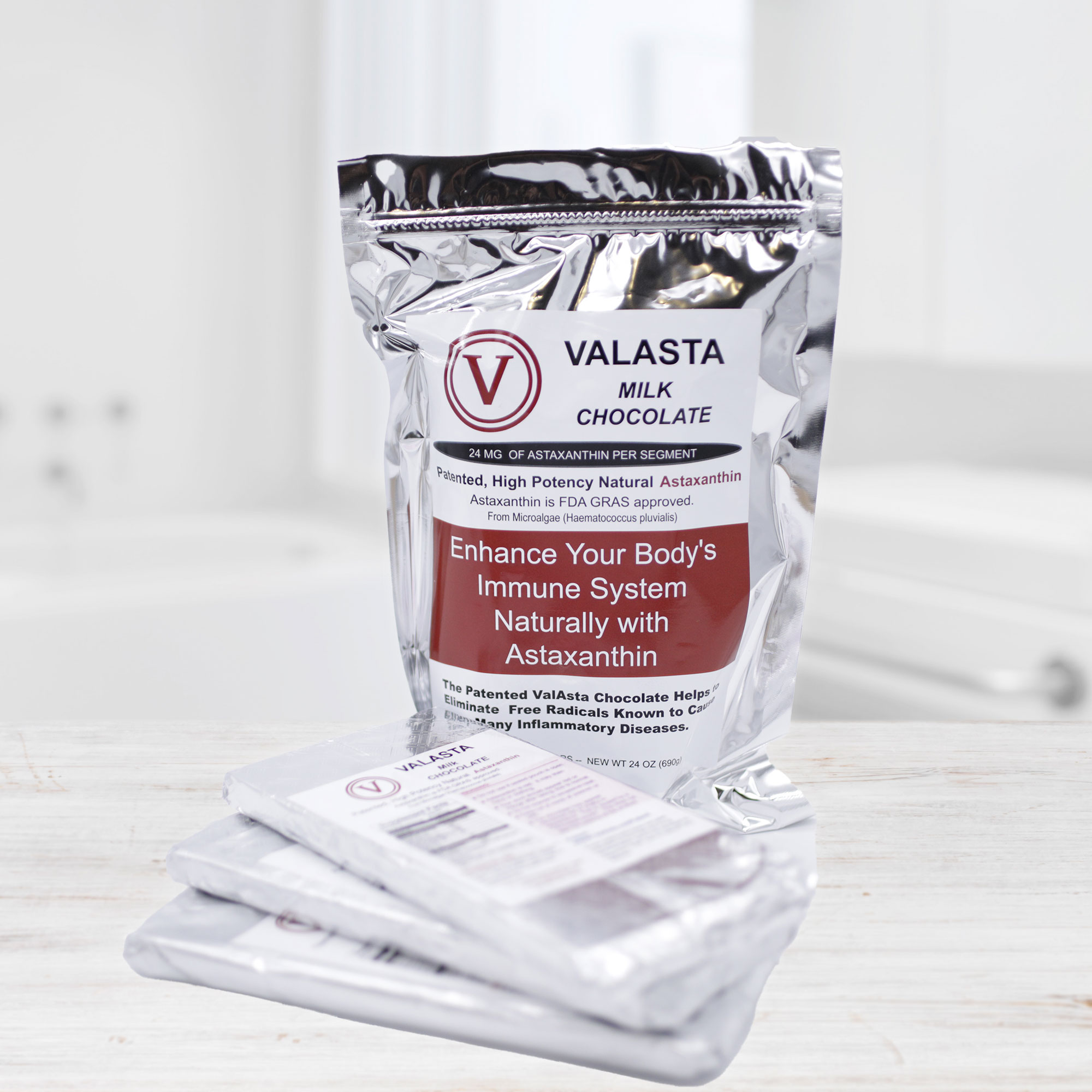
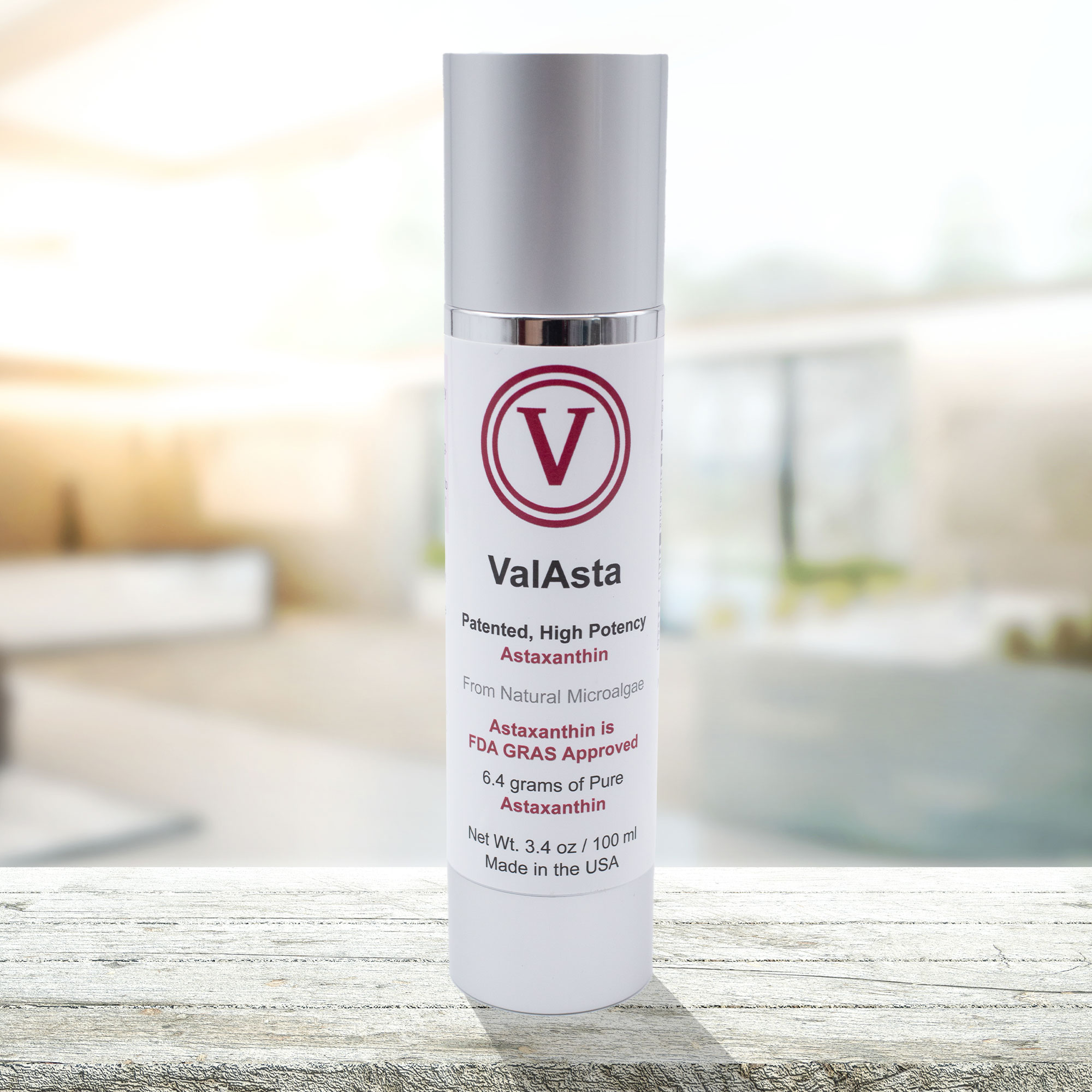
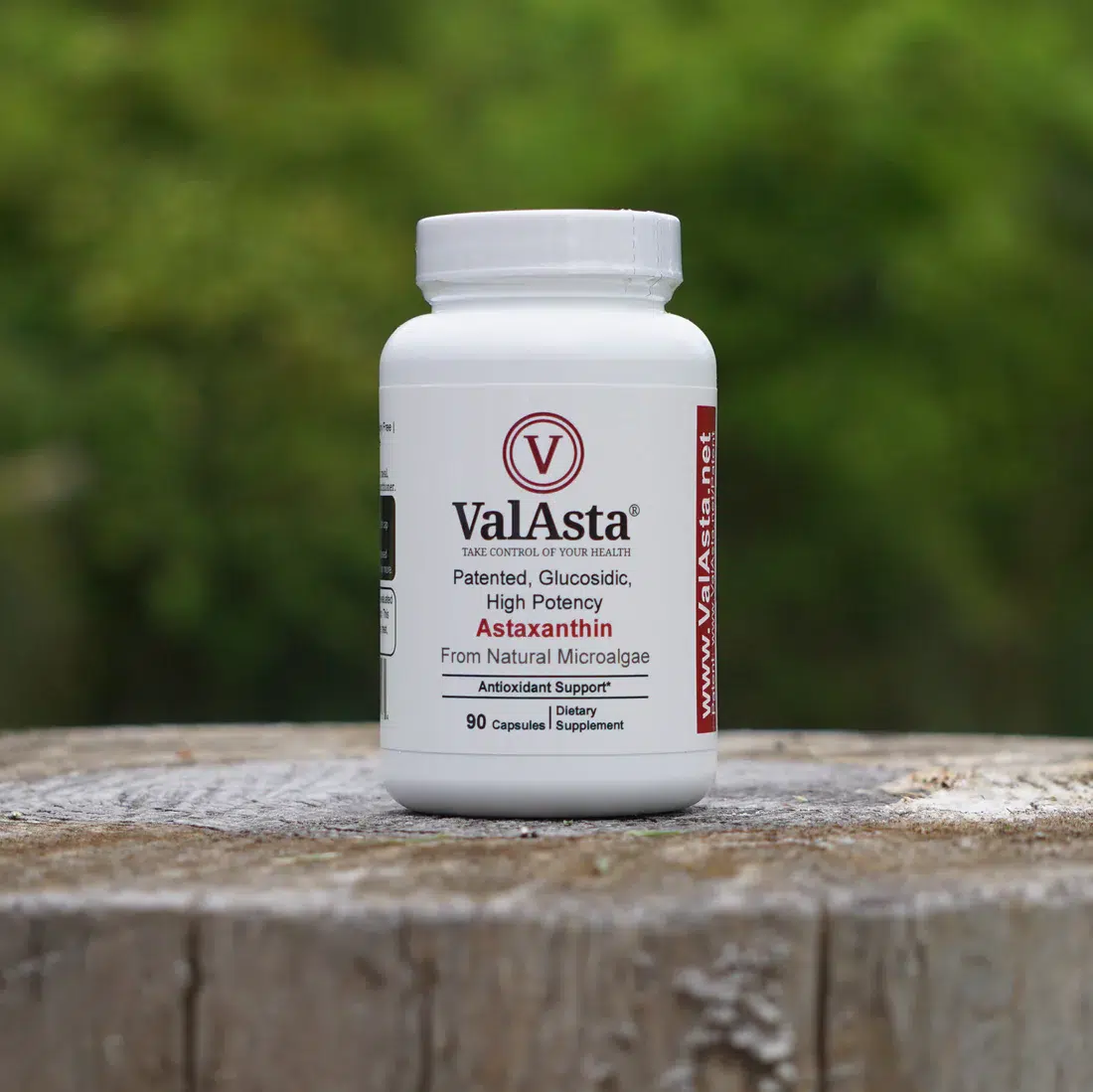
18:33 Sponsor break — ValAsta astaxanthin (code POI5).
19:25 The grassroots patient-education movement and cautious optimism from recent shifts in peptide regulation.
20:35 Tangent: do SGLT2 inhibitors (e.g., Farxiga) and ACE inhibitors raise Klotho? Robin says yes — and explains the mechanism.
21:39 Side-effect profile of SGLT2 inhibitors, including the UTI risk in women.
23:04 Buyer beware: many commercial “Klotho” products on the market aren’t the real molecule.
23:13 Klotho’s structure — a 1,000+ amino acid protein with active-site fragments now available as peptides (KP1 and KP6).
26:15 Whole-molecule vs. fragment debate, with a Marinol/THC analogy for why pharma tends to isolate pieces rather than the whole compound.
27:11 Current clinical picture: subcutaneous whole-molecule Klotho, an active IRB study, and a biweekly injection protocol bound to albumin for a longer half-life.
28:25 What KP1 does and doesn’t do — it engages TGF-beta (anti-fibrotic, kidney-protective) but not the FGF23/phosphorus pathway.
29:38 Why whole-protein Klotho needs lab monitoring: it lowers blood phosphorus, and phosphorus that drops too low is its own hazard.
30:28 An honest caveat: the clinical literature on Klotho is still thin, and both hosts agree the conversation is early but important.
31:06 Klotho’s cardio-renal upside — reduced calcification in cardiac valves and vessels — plus the discovery history (Dr. Kuro-o, 1997) and ongoing peptide research.
32:57 Etymology detour: Klotho is named for the Greek Fate who weaves the thread of life.
34:27 How Robin turned her own kidney health around: staying physically active in Hawaii, prioritizing sleep (tracked with an Oura Ring), and obsessive toxin avoidance.
35:53 Sponsor break — BBack 0524 shoe (code POI10).
36:46 The stress-kidney feedback loop: kidney disease itself impairs how the body clears stress hormones.
37:11 Diet as the biggest lever — plant-based protein, cutting back on high animal-protein intake, and the discipline it takes to eat differently in a food culture built around convenience.
39:32 Individualizing nutrition to lab work, and cutting GMOs and glyphosate exposure.
40:18 Breaking the sugar-as-comfort-food habit, and why “sugar is kind of like speed.”
41:42 Food-label deception (thin “olive oil” blends) and the rising value of kidney-focused dietitians and nutrition coaches.
42:23 A shared frustration with hospital food, and how corporate consolidation has undone hard-won nutrition gains at Robin’s old practice.
44:13 How fast dietary change can pay off — noticeable energy and inflammation improvements in as little as 30 days.
46:21 Listener-inspired tangent: creatine vs. creatinine, and why cystatin C is the better kidney-function test for people supplementing with creatine.
47:58 Robin’s own pushback story — told she’d “hurt herself,” her GFR went from 30 to 51 anyway — and her mission to help patients feel empowered, not victimized.
48:52 Why functional medicine is gaining ground: it’s biochemistry-based, not “woo,” and patients are visibly getting better.
49:23 Zooming out: homocysteine, tubular dysbiosis, endothelial damage, and mitochondrial support as the fuller picture around Klotho.
51:24 A lighter close: the “tubular” surfing pun and Klotho’s nickname as “the resilience molecule.”
52:16 Where to find Dr. Robin Rose — renology and kidneysuccess.com.
Sponsors Of The Episode

BBACK US
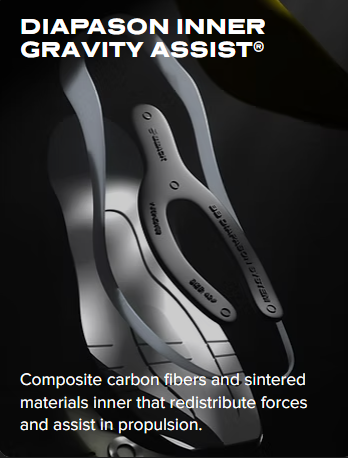
BBACK is a balance shoe that improves movement and makes each step easier.
PRO-DYNAMIC® tech supports natural motion, reduces pressure, and aids circulation.
Use code: POI10 for 10% off your order






Approved Medical Solutions
Your source for Oxalate free Nitric Oxide Supplementation
Non-licensed patients can use code “sbarrett” for a 10% discount.
Licensed practitioners can access the discounts by registering and when at checkout put “podofinquiry” (no space and not case sensitive) in the coupon section.
Ketone
Nitric Oxide
ClearDetox Pro & ClearSleep