
Is bunion surgery really an easy fix? 🦶 Think again. Hallux valgus is a complex, three-dimensional deformity, and correcting it requires more than simply removing a bone bump.
On this episode of The Pod of Inquiry, Dr. Stephen Barrett sits down with Dr. Mojgan Tavakoli and Dr. Horst Knapp, a husband-and-wife surgical team in Plano, Texas, to explore the evolution of bunion surgery and the future of 3D bunion correction with nerve-sparing Lapiplasty.
With approximately 1,500 Lapiplasty procedures performed, they discuss how patient-specific instrumentation uses weight-bearing CT scans and custom 3D-printed surgical guides to plan precise corrections tailored to each patient’s foot.
In this episode, we explore:
- 🦶 Why bunions are three-dimensional deformities
- 🔬 How 3D imaging and patient-specific guides improve surgical planning
- 📐 Why correcting metatarsal rotation matters
- ⚠️ Why waiting until a bunion hurts may be too late
- 🦵 The role of equinus and rearfoot alignment in bunion correction
- 🧠 Nerve-sparing techniques and preventing post-surgical nerve complications
- 🩻 Why successful surgery is about patient outcomes, not just X-rays
- 🔧 The limitations of surgical technology and the importance of clinical judgment
Whether you’re a foot and ankle surgeon, a healthcare professional, or someone exploring bunion treatment options, this conversation offers valuable insight into modern approaches to hallux valgus correction.
👍 Watch the full conversation, subscribe, and join the Spelunkers community as we explore the science behind better health and human optimization.

Watch The Podcast
Listen to The Podcast
Also available on


Author Biography
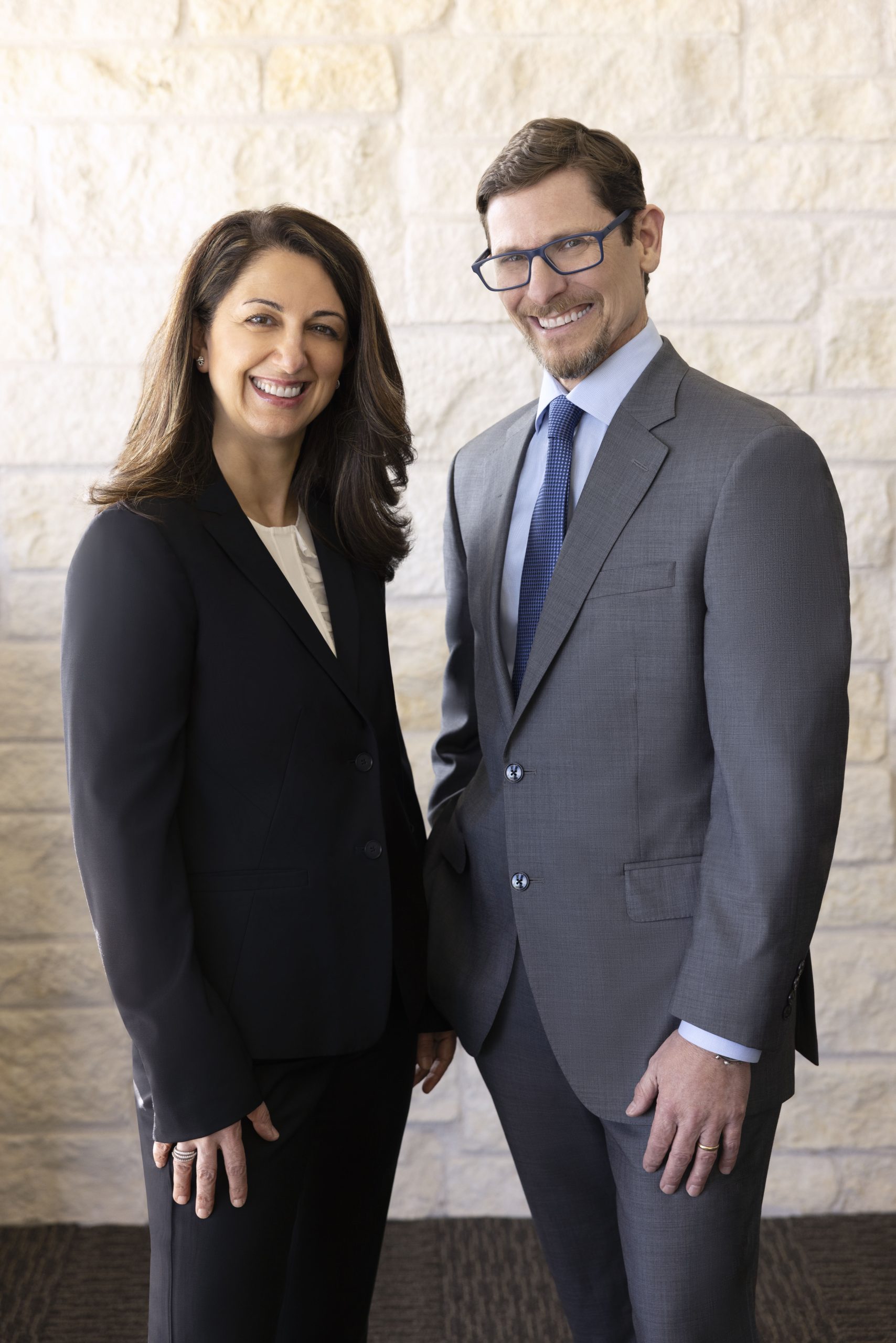
Dr. Mojgan Tavakoli, DPM, FACFAS, ABPM, and Dr. Horst Knapp , DPM, FACFAS
With over 25 years of experience, they are experienced podiatric surgeons with Foot & Ankle Centers of Frisco, Little Elm, & McKinney in Texas, providing comprehensive foot and ankle care. Dr. Tavakoli earned her Bachelor of Science in Medical Technology, graduating summa cum laude from Old Dominion University, and received her medical degree with honors from the New York College of Podiatric Medicine. She completed her residency at Manhattan VA Medical Center and New York University Downtown Hospital, where she served as chief resident.
Dr. Knapp earned his undergraduate degree in biology from Binghamton University and a master’s degree from Rutgers University before graduating from the New York College of Podiatric Medicine, where he ranked seventh in his class. He completed his residency at University Hospital in Newark, New Jersey, a Level I trauma center.
Show Notes from this episode
Show Notes
Anyone who thinks bunion surgery is simple has never done one. In this episode, Dr. Stephen Barrett sits down with Dr. Mojgan Tavakoli and Dr. Horst Knapp, a husband-and-wife foot and ankle surgical team in Plano, Texas, who have performed roughly 1,500 Lapiplasty procedures and are now leaders in patient-specific instrumentation (PSI) for hallux valgus.
They explain how a weight-bearing CT scan is sent to an engineering team that designs and 3D-prints cut guides for each patient, why correcting frontal-plane rotation is the key to keeping bunions from coming back, and why “don’t fix it until it hurts” is outdated advice. The conversation then turns to nerves: what the guests changed after attending the AENS nerve meeting in Kennebunkport, how they protect the dorsal cutaneous and deep fibular nerves during a Lapidus, and why a perfect X-ray means little if the patient is left with a nerve trapped in the scar.
Episode Timestamps
00:00 Opening. Dr. Barrett introduces husband-and-wife surgical team Dr. Mojgan Tavakoli and Dr. Horst Knapp and their patient-specific, nerve-sparing approach to bunion correction.
01:44 Which one is the better half? Setting the stage, and a look back at June’s AENS nerve meeting in Kennebunkport, where this conversation began.
03:11 25 years, 50,000 patients. Moving to Plano right after 9/11 knowing no one, building a practice the old-fashioned way, and how Treace Medical’s Lapiplasty system changed their bunion surgery. About 1,500 cases to date.
06:30 Enter patient-specific instrumentation. Borrowed from total ankle arthroplasty: a weight-bearing CT goes to Treace’s engineering team, and 3D-printed cut guides arrive about a month later.
08:40 Why the traditional Lapidus was so variable. Dr. Barrett on freehand triplanar correction as more art than science, and whether better instrumentation reduces nonunion and delayed union.
10:22 From DiDomenico to Dayton. Dr. Tavakoli traces her path: Dr. Larry DiDomenico’s Lapidus-for-all-bunions approach, Dr. Paul Dayton’s biplanar plating, and the end of six weeks non-weight-bearing.
12:04 “Don’t fix it until it hurts” is a myth. By the time many bunions hurt, half the metatarsal head can already be arthritic.
14:41 Planning every case with engineers. Pre-op meetings to account for flatfoot, high arch, arthritis and shortening, and when to add bone graft.
16:55 Technology doesn’t replace surgical judgment. A case that still needed a Reverdin osteotomy for a PASA problem, and why PSI isn’t for beginners.
18:44 Bunion surgery is not simple. Dr. Barrett’s aviation analogy: better avionics still require knowing how to fly the plane.
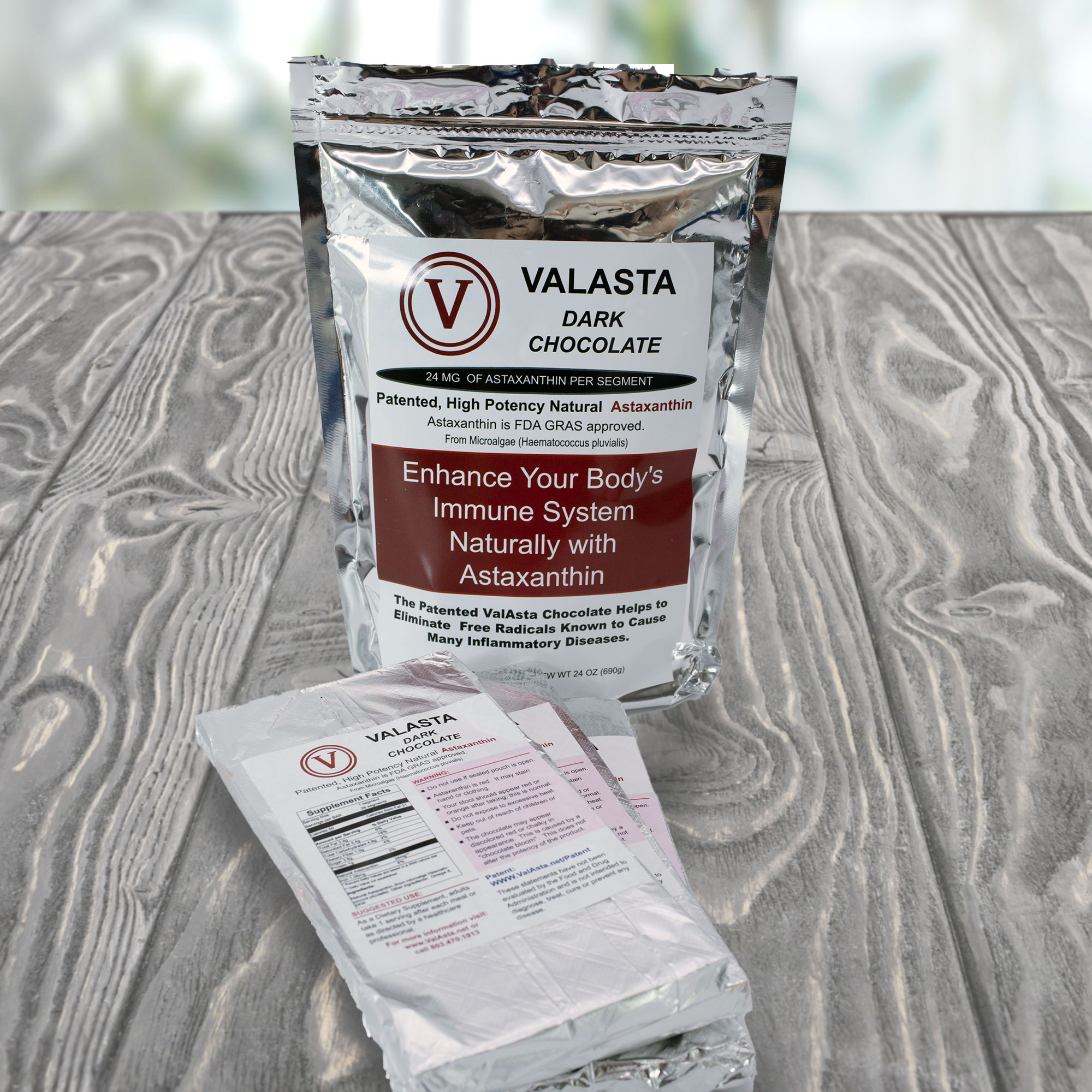
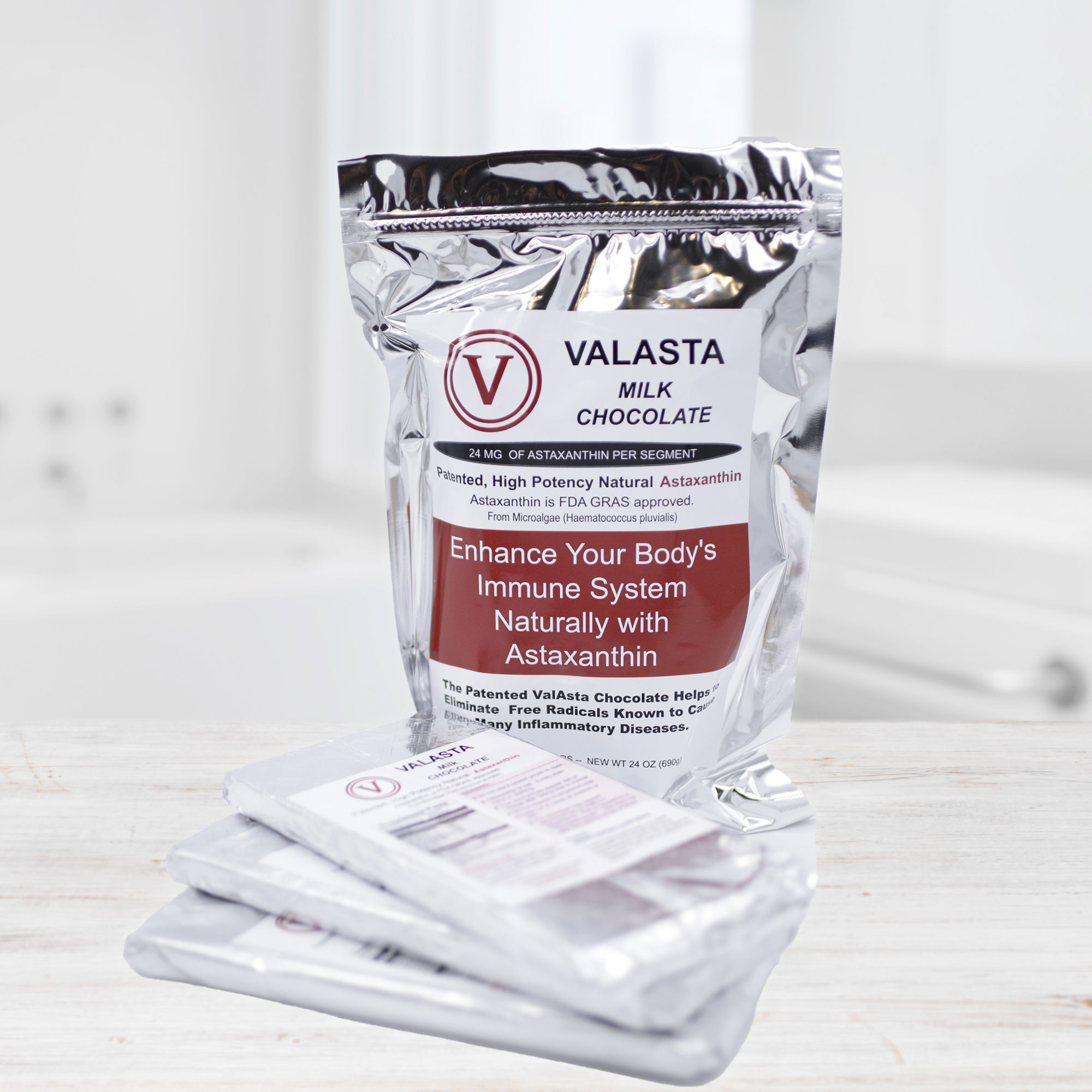
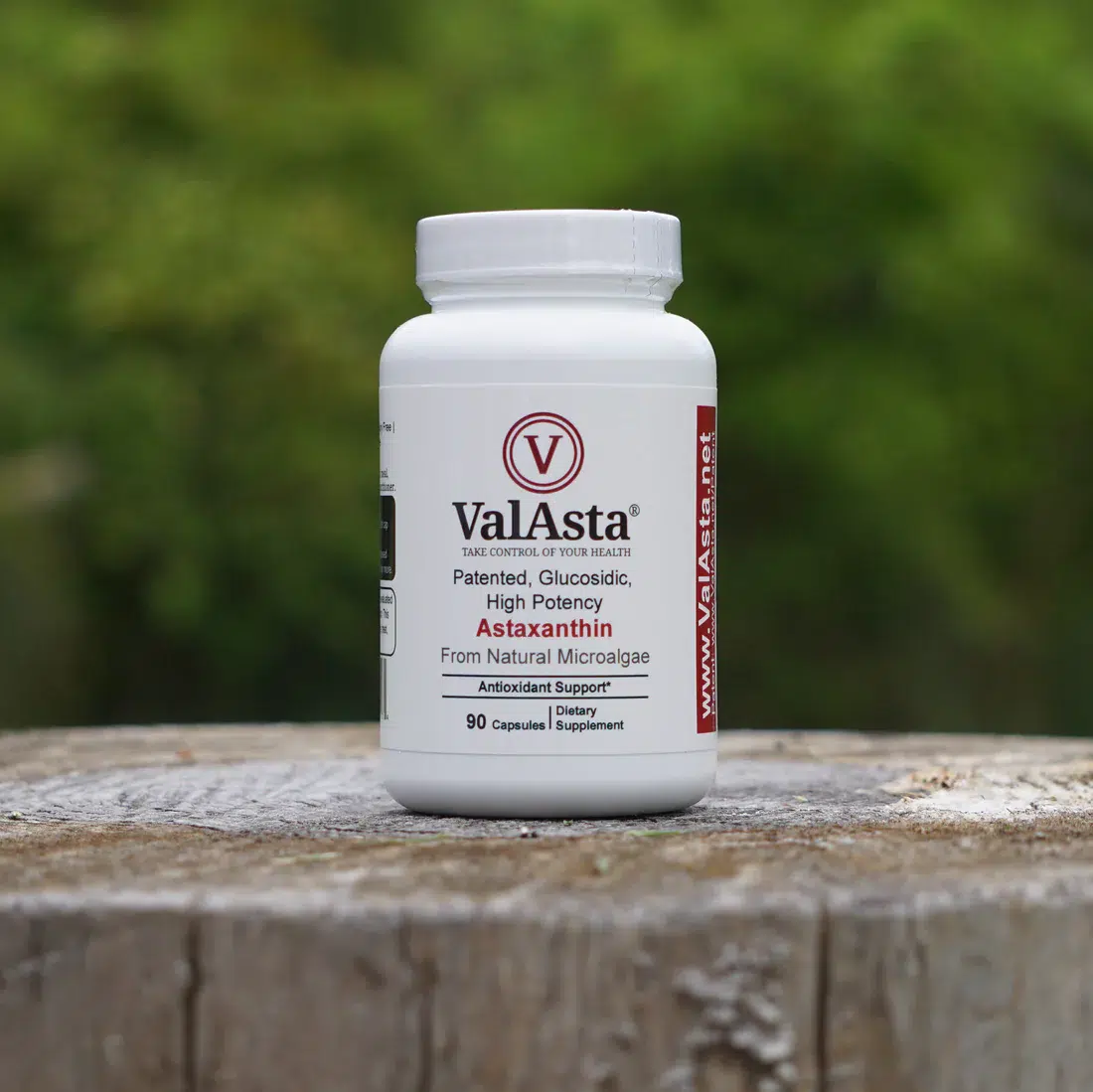
20:12 Sponsor: ValAsta. Astaxanthin for inflammation and recovery. Code POI5 for 5% off at valasta.net.
21:03 Patients walk on their feet. Why lower-extremity surgery demands robust fixation, and what Dr. Barrett learned from hand surgeons.
22:46 Fixation and surgeon education. Advances in plates and staple-plate hybrids, and Treace’s surgeon-to-surgeon support network.
24:45 Reading the engineering schematic. Transverse, sagittal and frontal planes on CT versus X-ray, and a 25-degree metatarsal rotation that plain films would miss.
27:20 Why old bunionectomies failed. Trying to fix a frontal-plane deformity with a transverse-plane procedure. The guests cite roughly 70% recurrence over 10 years for distal osteotomies versus about 3% when frontal-plane rotation is corrected to neutral.
29:28 Showing patients their correction. Pre-op and planned post-op images, young patients who no longer need the bump shaved, and an upcoming bilateral case on a 14-year-old athlete.
30:26 Don’t forget equinus. Gastrocnemius recession for rearfoot deformity, and correcting or staging flatfoot and cavus alongside the bunion.
32:10 Putting out fires with gasoline on the floor. Dr. Barrett on why missing equinus leads to repeat forefoot surgery and nerve injury.
34:06 Removing an os intermetatarseum. How the CT plan flags small bones that would block the cut guide.
34:43 Shortening, bone graft and metatarsalgia. The 5–6 mm shortening threshold, allograft wedges to restore length, and why the guests avoid over-plantarflexing.
37:14 Plantar plate ruptures and steroids. Dr. Barrett’s plea to stop injecting Morton’s entrapments with steroids.
37:53 Nerve-sparing Lapiplasty. Identifying and protecting the dorsal cutaneous nerve in its fat pad, and wrapping it with VersaWrap, an alginate and hyaluronic acid barrier.
39:14 Sponsor: BBack 0524. Dr. Barrett’s run without orthotics in the BBack 0524. Code POI10 for 10% off at bbackworld.us.
40:06 Less post-surgical neuritis. Thin skin, plate bulk and gentle retraction, and how joining AENS changed their practice.
41:02 The deep fibular nerve and extensor hallucis brevis. Solving first-interspace pain by not suturing the EHB into the capsule closure.
42:45 Surgeon outcomes versus patient outcomes. A beautiful X-ray means little if a saphenous nerve is trapped in the scar.
45:10 The surgeon heuristic. Why surgeons agonize over the 5% of complications, and the limits of what anyone can control.
46:27 Precision down to the millimeter. Planned bone removal, predicted post-op length, and rehearsing on a sterile 3D bone model.
48:21 How the rotation is built in. K-wire holes, a Hintermann-style distractor, and an intraoperative sesamoid axial view.
49:39 What the system doesn’t do. Hallux interphalangeus, stress fluoroscopy for intercuneiform instability, and post-op weight-bearing CT.
51:25 Metatarsus adductus. Moving the second and third metatarsals out of the way with patient-specific guides for all three rays.
52:55 Wrap-up. Dr. Barrett on nerve injuries seen in Dr. Dellon’s clinic, and Dr. Susan Mackinnon’s line that the best neuroma is the one you never get.
53:59 How to find them. dfwfoot.com in Plano, Texas, their three-surgeon team approach, and “if it doesn’t hurt, still fix it.”
57:17 Sponsor: Nature’s Marvels. Dr. Barrett on more than three years of using Nature’s Marvels bioregulatory peptides.
Key Takeaways
- Hallux valgus is a triplanar deformity. Correcting only the transverse plane, as many traditional bunionectomies did, leaves frontal-plane rotation behind and invites recurrence.
- Patient-specific instrumentation uses a weight-bearing CT to plan the exact correction, bone removal and final metatarsal length before the first incision.
- Technology raises the floor but doesn’t replace surgical judgment. Plan B still matters in the OR.
- Waiting until a bunion hurts can mean waiting until the joint is arthritic.
- Evaluate equinus and rearfoot alignment, or forefoot problems are likely to return.
- Nerve-sparing technique matters: protect the dorsal cutaneous nerve, consider an anti-adhesion wrap, and avoid tethering the extensor hallucis brevis over the deep fibular nerve.
- Patients, not X-rays, are the ultimate judges of a surgical outcome.
Guest Links
- Website: com
- Location: Plano, Texas
This Episode’s Sponsors
- ValAsta: highly bioavailable astaxanthin. valasta.net, code POI5 for 5% off.
- BBack: the BBack 0524, classified as a medical device in Europe. bbackworld.us, code POI10 for 10% off.
- Nature’s Marvels: bioregulatory peptides for human optimization and longevity.
Disclaimer: This podcast is for informational purposes only and does not constitute medical or surgical advice or create a physician–patient relationship. Guest opinions are not necessarily those of Dr. Barrett or the production team. Guests may have a direct or indirect financial interest in what they discuss. The Pod of Inquiry is owned by Barrett Medical and Surgical Media LLC.
Sponsors Of The Episode



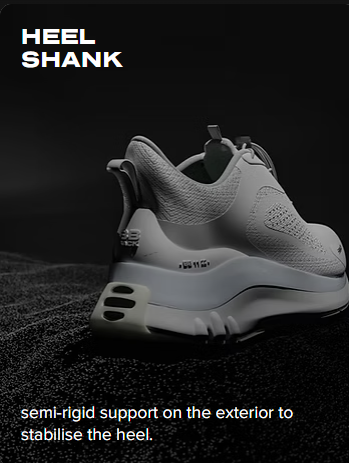
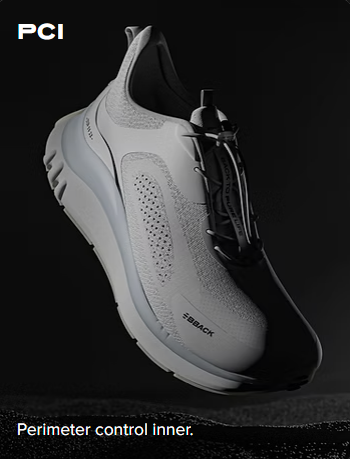
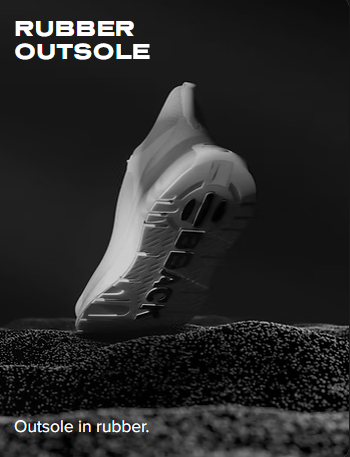
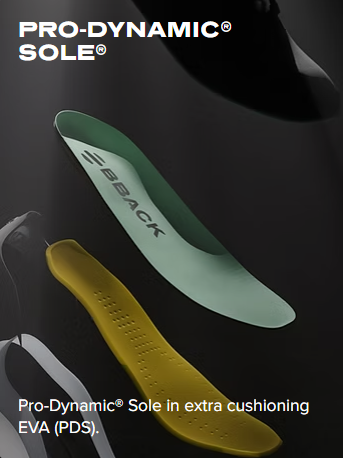
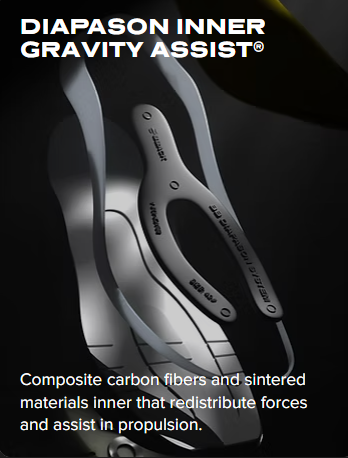
BBACK US
BBACK is a balance shoe that improves movement and makes each step easier.
PRO-DYNAMIC® tech supports natural motion, reduces pressure, and aids circulation.
Use code: POI10 for 10% off your order





Approved Medical Solutions
Your source for Oxalate free Nitric Oxide Supplementation
Non-licensed patients can use code “sbarrett” for a 10% discount.
Licensed practitioners can access the discounts by registering and when at checkout put “podofinquiry” (no space and not case sensitive) in the coupon section.

Ketone
Nitric Oxide
ClearDetox Pro & ClearSleep