What if the brain could be trained to function better through targeted neurological rehabilitation? 🧠
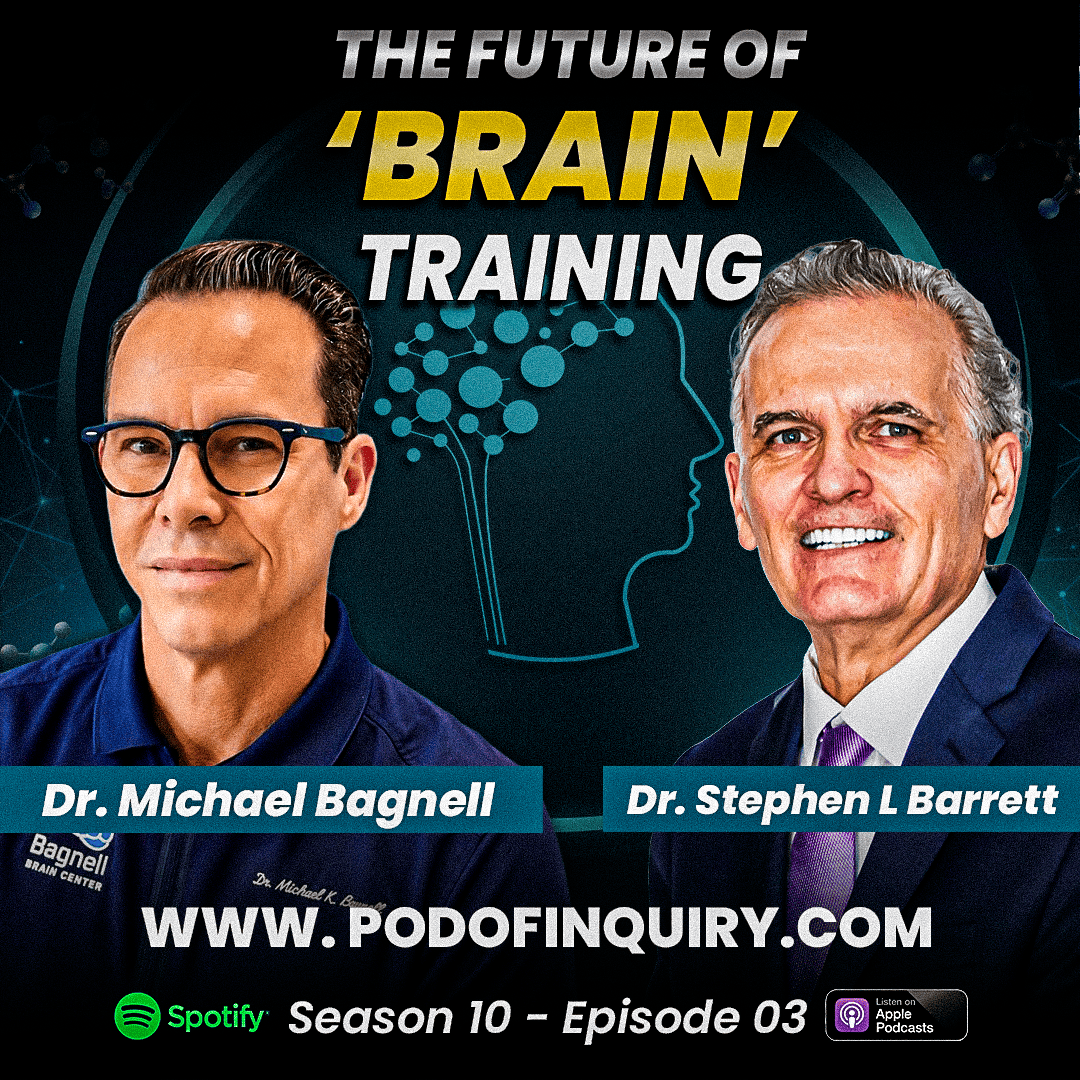
On this episode of The Pod of Inquiry, Dr. Stephen Barrett welcomes Dr. Michael Bagnell, a Miami-based functional neurologist with nearly four decades of experience, to explore brain function, neurological assessment, and innovative approaches to brain rehabilitation.
Dr. Bagnell explains how functional neurology evaluates the brain’s performance, identifies areas of weakness, and uses targeted stimulation and rehabilitation to support neurological function. (The Future of Brain Training)
In this episode, we explore:
- Eye tracking as a window into brain function
- Neurological testing: qEEG, pupils, autonomic function, and balance
- Brain stimulation therapies for cognitive decline
- Chronic pain, the periaqueductal gray, and eye movements
- The Phoenix Sign and a surprising D5W case
- Dolphin-assisted brain rehab and echolocation in the Florida Keys
- Why ADHD and anxiety deserve a follow-up episode
From functional neurology to emerging approaches in brain rehabilitation, this conversation examines how detailed assessment and targeted therapies may contribute to our understanding of neurological function.
The discussion was so extensive that ADHD and anxiety had to wait for a follow-up episode with Dr. Bagnell.
Watch The Podcast
Listen to The Podcast
Also available on


Author Biography
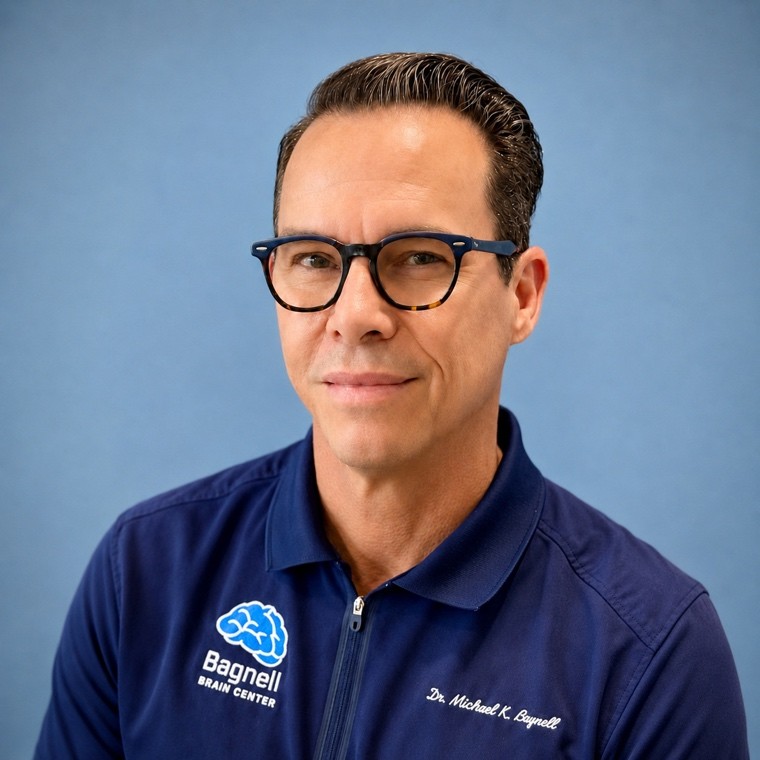
Dr. Michael Bagnell
Dr. Michael Bagnell is a prominent functional neurologist, chiropractic physician, and author with over 35 years of clinical experience specializing in brain-based healthcare. As the founder and lead clinician of the Bagnell Brain Center in Pinecrest, Florida, he uses a non-invasive, multidisciplinary approach to retrain brainwave patterns and improve neural connectivity through neuroplasticity, functional medicine, biochemistry, and applied kinesiology.
Drawing on his own background as a former collegiate football player and Masters Track & Field athlete, he holds an extensive list of specialized credentials, including a Doctor of Chiropractic degree, a board diplomacy from the American Chiropractic Neurology Board, a fellowship in Brain Injury Rehabilitation, and board certification in neurofeedback.
His clinic routinely diagnoses and rehabilitates a wide array of complex conditions, including concussions, mild traumatic brain injuries, neurodegenerative diseases, ADHD, autism, dysautonomia, and severe emotional health disorders like PTSD and chronic anxiety. Beyond his daily practice, he is the author of Health Detectives: Solving the Mystery of Health, and he regularly travels nationwide as a medical lecturer to teach fellow physicians advanced techniques in neurological rehabilitation and clinical safety.
Show Notes from this episode
Episode Overview
What if the brain could be trained like a muscle, and what if your eye movements could tell a clinician exactly which parts of it need the work? In this episode, Dr. Stephen Barrett sits down in the “virtual coffee shop” with Dr. Michael Bagnell, a chiropractic physician and functional neurologist with more than 36 years in practice and a three-year fellowship in brain injury rehabilitation. Dr. Bagnell runs the Bagnell Brain Center in Miami, where patients undergo a two-hour neurological evaluation that maps eye movements, quantitative EEG, autonomic function, pupillary responses, and vestibular performance before any therapy begins.
The conversation covers how those diagnostics become the treatment itself: stacked therapies such as eye-movement training, photobiomodulation, pulsed electromagnetic fields, a multi-axis vestibular chair, vagal and tongue stimulation, and 40 Hz median nerve stimulation for cognitive decline. Dr. Bagnell explains why he looks at vertical eye movements in chronic pain patients (and the periaqueductal gray connection behind it), and Stephen shares the backstory of the Phoenix Sign, including the D5W case that forced him to expand his vasodilation hypothesis into a broader bioenergetic model. The episode closes with one of the most unusual projects you will ever hear about: dolphin-assisted brain rehab camps in the Florida Keys, complete with echolocation recordings and a dolphin who refused to leave a seizure patient’s side.
00:00 Cold open: Stephen introduces Dr. Michael Bagnell and frames functional neurology as “the ultimate gym for brain strength.”
00:40 Pod of Inquiry intro: time to get down in the cave and start spelunking.
01:11 Welcome and introductions.
01:34 From would-be med student to chiropractic physician 36+ years ago; a year of cadaver dissection, brain dissection at the University of Central Florida, and a three-year fellowship in brain injury rehabilitation. Rounds at the Carrick Brain Center with stroke, hypoxic injury, dysautonomia, movement disorders, and severe autism cases, and why watching those patients improve in a single week instilled a lasting sense of hope.
05:23 The old mind-body divide, Dr. Kevin Tracey’s bioelectronic medicine work, and the FDA-approved vagus nerve stimulator for rheumatoid arthritis.
06:31 The myth that you are born with a fixed number of brain cells, and the long silence on neuroplasticity.
06:47 Vagal stimulation in daily practice: restoring cardiovagal tone, post-2020 dysautonomia, neuro-Lyme, RA, and peripheral nerve damage.
Getting Good “Intel” on the Brain
07:45 Why the chief complaint is not enough: the case for a deep brain evaluation.
08:09 Borrowing the military concept of “intel,” and why eye movement tracking is Dr. Bagnell’s number-one window into brain function.
09:00 The full diagnostic workup: video goggles tracking saccades, pursuits, and convergence; quantitative EEG compared against a normative database (including network coherence); autonomic, blood flow, pupillary, and swallowing tests; and advanced vestibular analysis. Why the vestibular system influences cognition, mood, and gut function, not just balance. Plus, the 70- to 80-year-olds who come in to optimize their brains before decline sets in.
11:03 SPECT imaging in Stephen’s chronic pain patients, the “holes” in brain activity, and how it pairs with qEEG.
11:49 Radiation limits versus repeatable non-invasive brain mapping, Dr. Amen’s 90,000-scan library, turning results into rehab, long-term potentiation, and Dr. Bredesen’s concept of a yearly “cognoscopy.”
13:40 Dr. Dale Bredesen, reversing Alzheimer’s, and the personal side: Stephen’s mother and Dr. Bagnell’s father both faced dementia.
14:48 The brain as a muscle: brain gyms, a seven-minute speed-reading program, and the question of rehab modalities.
16:21 Why Dr. Bagnell’s initial examination runs two full hours.
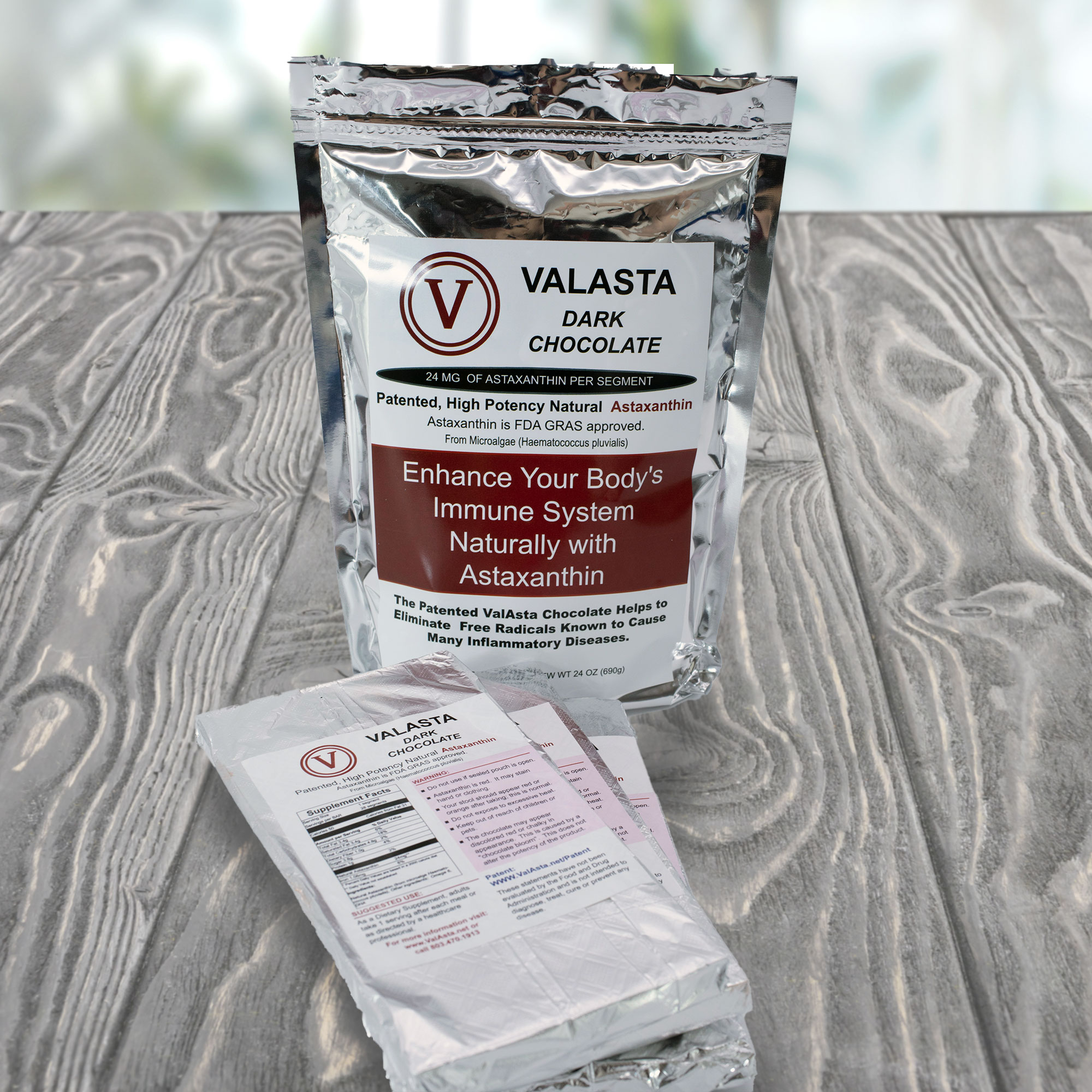
16:35 Sponsor: ValAsta astaxanthin (code POI5 for 5% off).
17:26 The five-minute neurology visit with his father that convinced him to practice differently.
The Brain Rehab Toolkit
17:58 Turning exam findings into therapy: leftward eye-tracking work for the right frontal lobe, photobiomodulation dosed in joules, PEMF to the cervical region, and stacking therapies for temporal summation while monitoring oxygen and heart rate. The multi-axis vestibular chair that tilts back (and how a few minutes in it sharpened his wife’s energy and focus), vagal and tongue stimulation, and 40 Hz median nerve stimulation used in roughly nine out of ten cognitive decline patients, with the side chosen by pupillary response. Two-week immersive programs blend twice-daily sessions with hyperbaric oxygen and neurofeedback.
21:45 The brain as bioenergetic tissue, and Stephen’s end-of-day TMS sessions over the dorsolateral prefrontal cortex.
A Detour Into the Phoenix Sign
23:06 Stephen tells the 2017 discovery story: 0.3 cc of 1% lidocaine next to the common fibular nerve restores dorsiflexion in a woman with a five-year drop foot. Lidocaine with epinephrine blunts the effect, papaverine reproduces it, and then a plain D5W hydrodissection produces the same response, proving the vasodilation hypothesis was correct but incomplete. Now the subject of his PhD thesis at the University of Barcelona.
26:15 If it happens in peripheral nerves, why not in the central nervous system?
26:34 Supporting local vasculature with nitric oxide and nattokinase.
26:59 Dr. Bagnell on autonomic regulation of blood flow, centrally versus peripherally.
27:31 A positive Phoenix Sign predicts a greater than 95% chance of improvement after nerve decompression.
Chronic Pain, Eye Movements & the Periaqueductal Gray
28:17 The periaqueductal gray (PAG), its link to vertical eye movements, and a nine-year-old chronic pain patient who could not perform vertical saccades or pursuits. After vertical eye-movement training, his mother reported the best days of his life.
30:32 Pain as the ultimate subjective experience.
31:11 How videonystagmography (VNG) goggles compare results to age- and gender-matched norms, and how gamified, variably timed targets kept a child engaged.
32:19 PAG dysfunction in chronic pain: correlation, not necessarily causation.
32:48 Sponsor: BBack 0524 running shoe (code POI10 for 10% off at bbackworld.us).
33:48 Chicken or egg: did the pain or the eye-movement deficit come first?
34:20 When the diagnostic modality becomes the therapy.
34:34 Why you do not just hammer a weak eye movement thousands of times: using what works to fix what does not.
How Long Does Brain Rehab Take?
35:24 Temporal summation and progressive loading, just like the weight room.
36:21 How comorbidities change the timeline, and testing a stimulus mid-exam to see if the system responds (including a heart-rate drop as a sign of autonomic efficiency).
38:09 Program structure: two-week immersives with recovery hours of hyperbaric oxygen, PEMF, TMS, and neurofeedback, versus roughly three months for local patients.
38:46 Why identical pathology behaves differently in different people, and why there is still no single-pathway Alzheimer’s drug.
39:45 The brain is not Cartesian: thinking in networks, not A-B-C-D.
Dolphins, Echolocation & Brain Rehab
40:19 The dolphin project begins.
40:34 A question over coffee becomes six months of designing in-water exercises with marine mammal specialists in the Florida Keys, then week-long camps with land and water sessions and before-and-after brain biomarkers.
43:40 The “dolphin meditation,” echolocation recordings, and a dolphin who would not leave the head of a client with a seizure disorder.
44:03 Programs halted in 2020 and restarted this January, built mostly around vestibular-based movement.
44:36 The confounding variable: who wouldn’t be revved up swimming with dolphins?
45:04 Measuring humans, not dolphins; the rescued dolphins (including a former Navy dolphin and Gulf oil-spill rescues supported by the Drew Brees Foundation); and using AI models to tease out correlations.
46:28 Why you cannot get IRB approval for dolphins: they can’t sign the informed consent.
Wrap-Up
46:41 A part two is in the works on ADHD, anxiety, and other specific conditions.
47:20 Stephen’s upcoming nerve meeting in the Keys sits close to the dolphin facility.
47:31 Where to find Dr. Bagnell: free brain-map and metabolic questionnaires and complimentary discovery calls at bagnellbraincenter.com.
48:33 Sponsor: Nature’s Marvels bioregulatory peptides. Outro and how to keep spelunking.
49:48 Disclaimer.
Key Topics
Functional neurology; brain-based healthcare; neuroplasticity; brain injury rehabilitation; eye movement tracking and videonystagmography (VNG); quantitative EEG (qEEG) and brain mapping; autonomic testing; vestibular rehabilitation; vagus nerve stimulation; 40 Hz median nerve stimulation; photobiomodulation; pulsed electromagnetic field (PEMF) therapy; hyperbaric oxygen; neurofeedback; transcranial magnetic stimulation (TMS); cognitive decline prevention; Alzheimer’s and dementia; chronic pain and the periaqueductal gray; bioenergetics; the Phoenix Sign; dolphin-assisted therapy and echolocation.
Resources & Links
- Bagnell Brain Center: https://www.bagnellbraincenter.com
- Bagnell Brain Center on Instagram: https://www.instagram.com/bagnell_brain_center
- The Neuro Collective Podcast, hosted by Dr. Michael Bagnell and May Bagnell
- Pod of Inquiry show notes: https://podofinquiry.com
This Episode’s Sponsors
- ValAsta Astaxanthin: net, code POI5 for 5% off
- BBack 0524: us, code POI10 for 10% off
- Nature’s Marvels: bioregulatory peptides
Sponsors Of The Episode




BBACK US
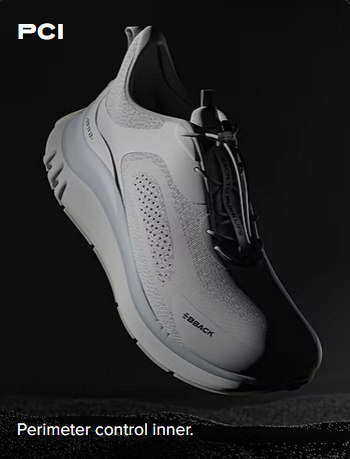
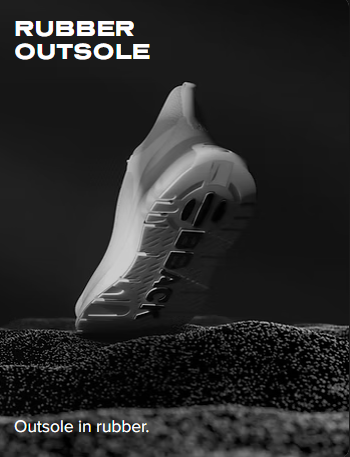
BBACK is a balance shoe that improves movement and makes each step easier.
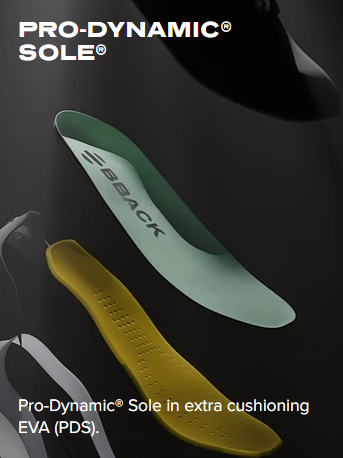
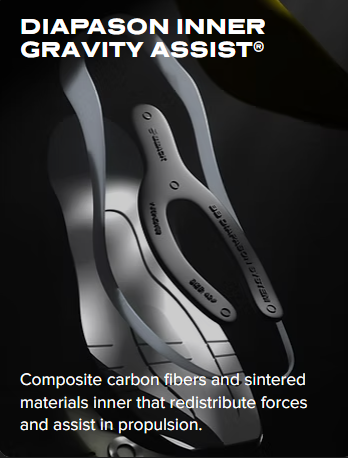
PRO-DYNAMIC® tech supports natural motion, reduces pressure, and aids circulation.
Use code: POI10 for 10% off your order






Approved Medical Solutions
Your source for Oxalate free Nitric Oxide Supplementation
Non-licensed patients can use code “sbarrett” for a 10% discount.
Licensed practitioners can access the discounts by registering and when at checkout put “podofinquiry” (no space and not case sensitive) in the coupon section.

Ketone
Nitric Oxide
ClearDetox Pro & ClearSleep