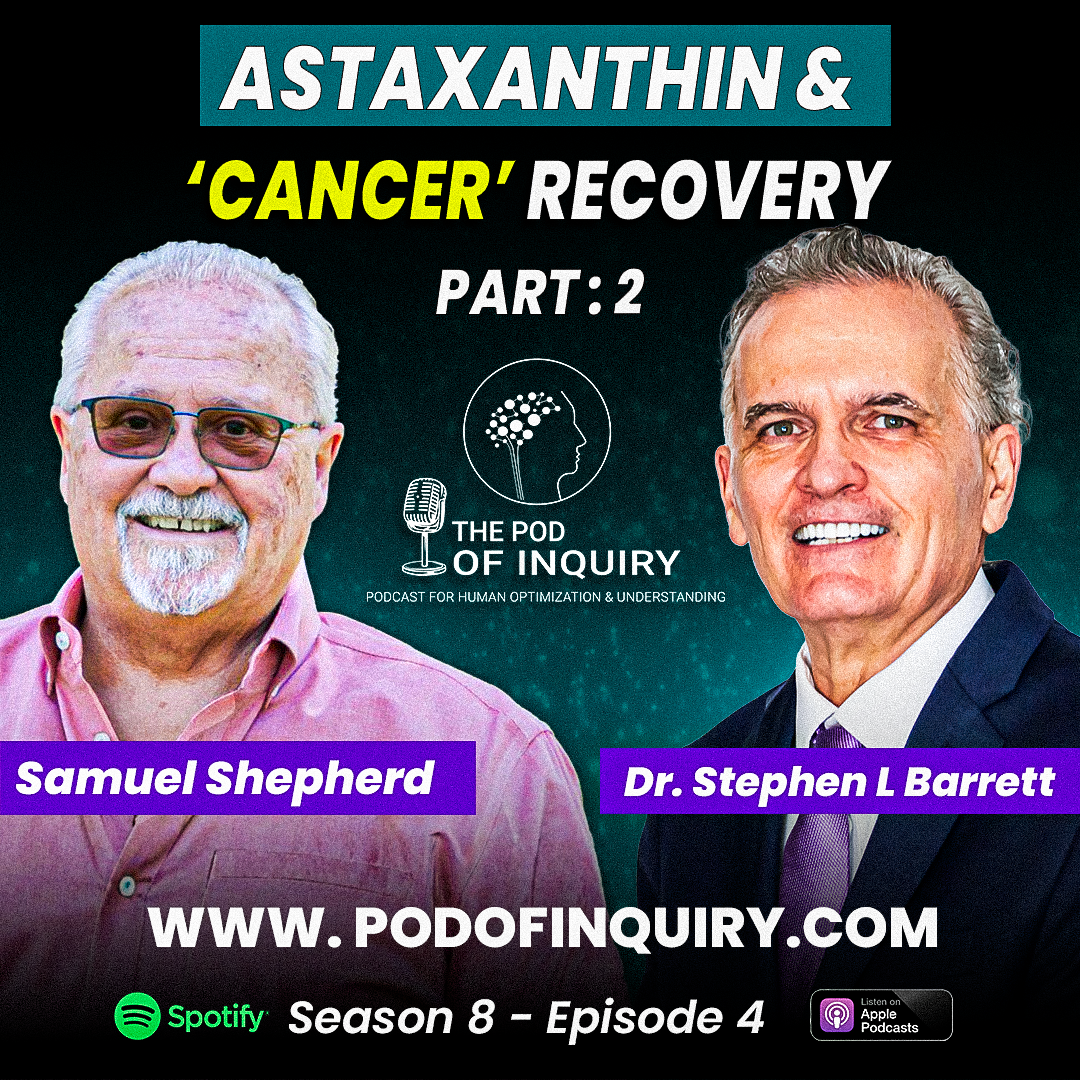
Season 9 starts with one of the most controversial and data-heavy conversations we’ve released yet.
This week on Pod of Inquiry, we sit down with epidemiologist Nicolas Hulscher, MPH of the McCullough Foundation to discuss a newly published prospective observational study involving 200 cancer patients prescribed off-label ivermectin and mebendazole through a telemedicine platform. (The Controversial 84% Cancer Study)
The headline finding:
84.4% of patients reported clinical benefit at six months — including 32% with no evidence of disease.
In This Episode, We Explore:
- The surprising biological overlap between parasites and cancer cells
- What the real-world data actually showed across 20+ cancer types
- Why ivermectin once had one of the strongest safety reputations in medicine
- The financial realities surrounding off-patent therapies
- Rising concerns around aggressive cancers and excess mortality trends
- How peer review, publishing, and medical gatekeeping shape what reaches the public
- Upcoming McCullough Foundation research on mortality data, VAERS trends, and more
Whether you’re a clinician, patient, caregiver, or simply trying to make sense of the rapidly changing cancer landscape, this conversation dives into the claims, the controversies, and the data driving the debate.
Watch The Podcast
Listen to The Podcast
Also available on


Author Biography
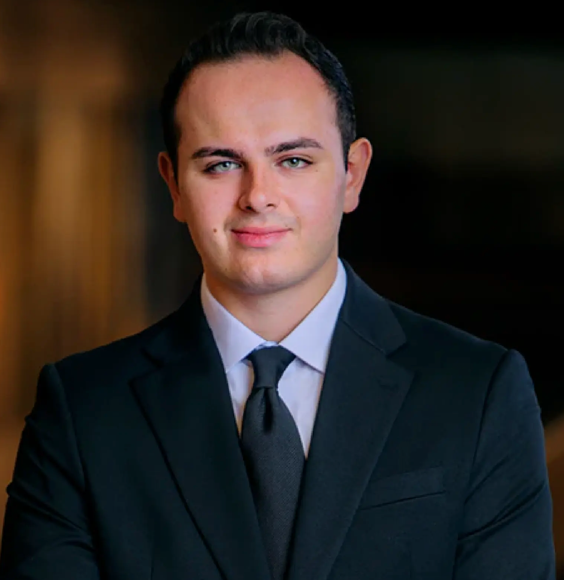
Nicolas Hulscher, MPH
Epidemiologist, McCullough Foundation
Nicolas Hulscher, MPH is an epidemiologist and Administrator at the McCullough Foundation in Dallas, Texas. Born and raised in Michigan, he earned his Bachelor of Science in Pre-Health Professional Studies with Institutional and Departmental Honors from the Oakland University Honors College in 2020, followed by a Master of Public Health in Epidemiology from the University of Michigan School of Public Health in 2024.
Since 2023, Hulscher has authored or co-authored nearly 30 peer-reviewed scientific studies — including systematic reviews, original investigations, and case reports — advancing the understanding of COVID-19 vaccine injury syndromes, SARS-CoV-2 biology, H5N1 avian influenza origins, autism spectrum disorder, and the repurposing of antiparasitic drugs in oncology. He oversees daily operations at the Foundation, manages its public communications, and writes regularly with Dr. Peter McCullough and John Leake at the Focal Points Substack.
Show Notes from this episode
Season 9 launches with epidemiologist Nicolas Hulscher of the McCullough Foundation for a substantive discussion on a newly published prospective observational study evaluating off-label ivermectin and mebendazole in 200 cancer patients. The conversation spans the study’s real-world design, mechanistic overlap between cancer cells and parasites, why these compounds are being actively suppressed online, the economic incentives distorting oncology, the rise of “turbo cancers” in young demographics, and a preview of upcoming research from the McCullough Foundation.
01:24 — Nicolas Hulscher’s Background & Body of Work
Hulscher describes joining the McCullough Foundation in 2023 after completing his MPH in epidemiology at the University of Michigan. Since then he has contributed to nearly 30 published studies covering COVID-19 vaccine injury syndromes, childhood vaccine injury syndromes, possible laboratory origins of H5N1 avian influenza, SARS-CoV-2 papers, and now cancer research.
02:50 — Clearing Up the Parasite-Cancer Misconception
Hulscher draws an important distinction: parasites are not the cause of all cancers, but tumors and parasites share metabolic mechanisms — particularly glucose dependence. Antiparasitic drugs disrupt those shared pathways, which is why they appear to act against cancer cells without being marketed as oncology agents.
04:23 — Why Repurposed Drugs Matter — Ivermectin’s 40+ Year Safety Record
Discussion of ivermectin’s discovery in Japan from a soil bacterium isolated from a golf course, its Nobel Prize in 2015, and its decades-long humanitarian record treating parasitic disease in the developing world. The drug had “an unbelievable safety profile” — until COVID, when it was suddenly demonized.
06:22 — Inside the Study — Prospective Observational Design
Hulscher walks through the methodology: a clinical program evaluation of a telemedicine platform prescribing compounded ivermectin/mebendazole tablets to cancer patients off-label. Baseline survey at prescription, six-month follow-up survey. Self-reported outcomes — a known limitation, but a strength of “real-world” study designs.
07:30 — Real-World Cohort Composition
200 cancer patients, roughly 30% on concurrent chemotherapy, ~20% radiation, ~20% surgery. About 36% had active metastatic disease at baseline. More than 20 different cancer types represented — prostate, breast, lung, thyroid, ovarian, leukemias, and lymphomas — making this the largest human cohort ever studied for these compounds in oncology.
09:00 — The Headline Result — 84.4% Clinical Benefit Ratio
At six months, 84.4% of patients reported benefit: ~36% stable disease, ~15% tumor regression, and a remarkable ~32% reporting no evidence of disease. Only 15% reported progression. Hulscher emphasizes this is a strong signal for a cheap, non-patentable, widely accessible compound.
10:50 — Stratification, Dosing & Side Effect Profile
Outcomes did not differ significantly between 1, 2, 3, or 4 capsules per day — one capsule (25mg ivermectin / 250mg mebendazole) appeared as effective as four. Higher doses produced more side effects (mostly GI, occasional dizziness/headache) but no serious adverse events. No liver toxicity — a stark contrast to conventional chemotherapy.
14:20 — ‘Hardly Anyone Dies of Cancer Anymore — They Die from Chemotherapy’
Frank discussion of the toll of conventional cytotoxic therapy. Hulscher cites a recent murine study suggesting chemotherapy can reactivate dormant cancer cells in the lungs — a finding consistent with anecdotal recurrence patterns clinicians observe.
15:00 — SPONSOR BREAK — ValAsta Astaxanthin
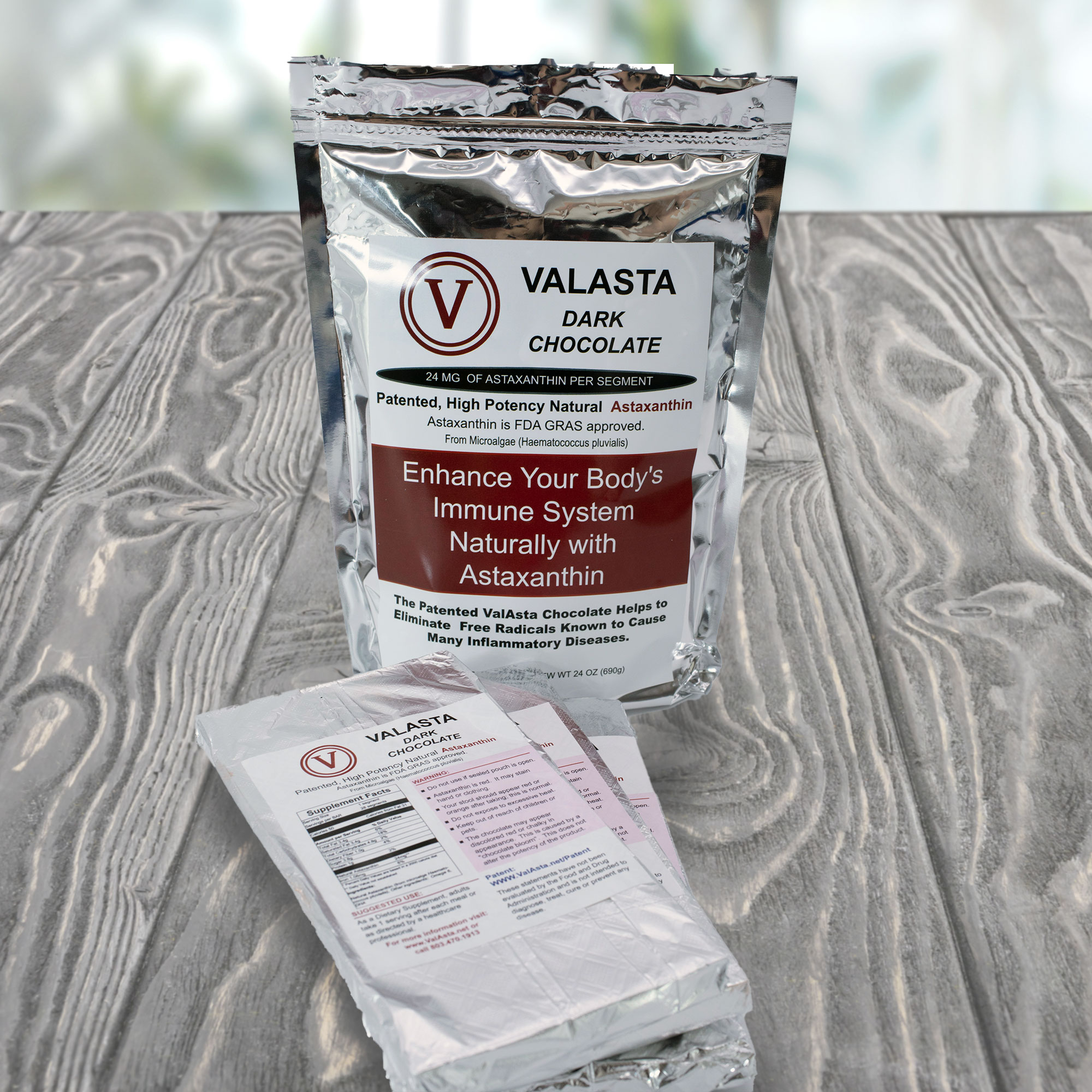
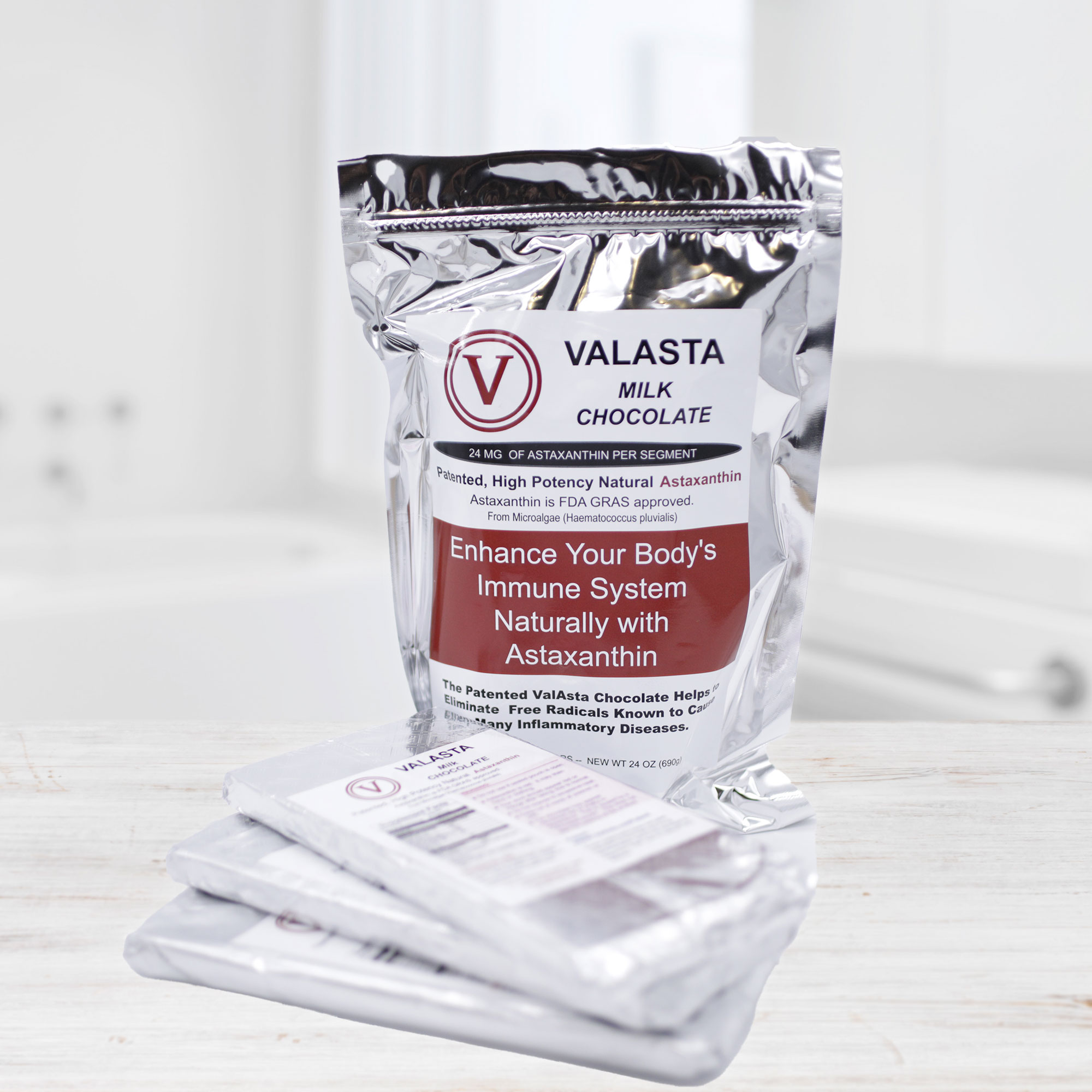
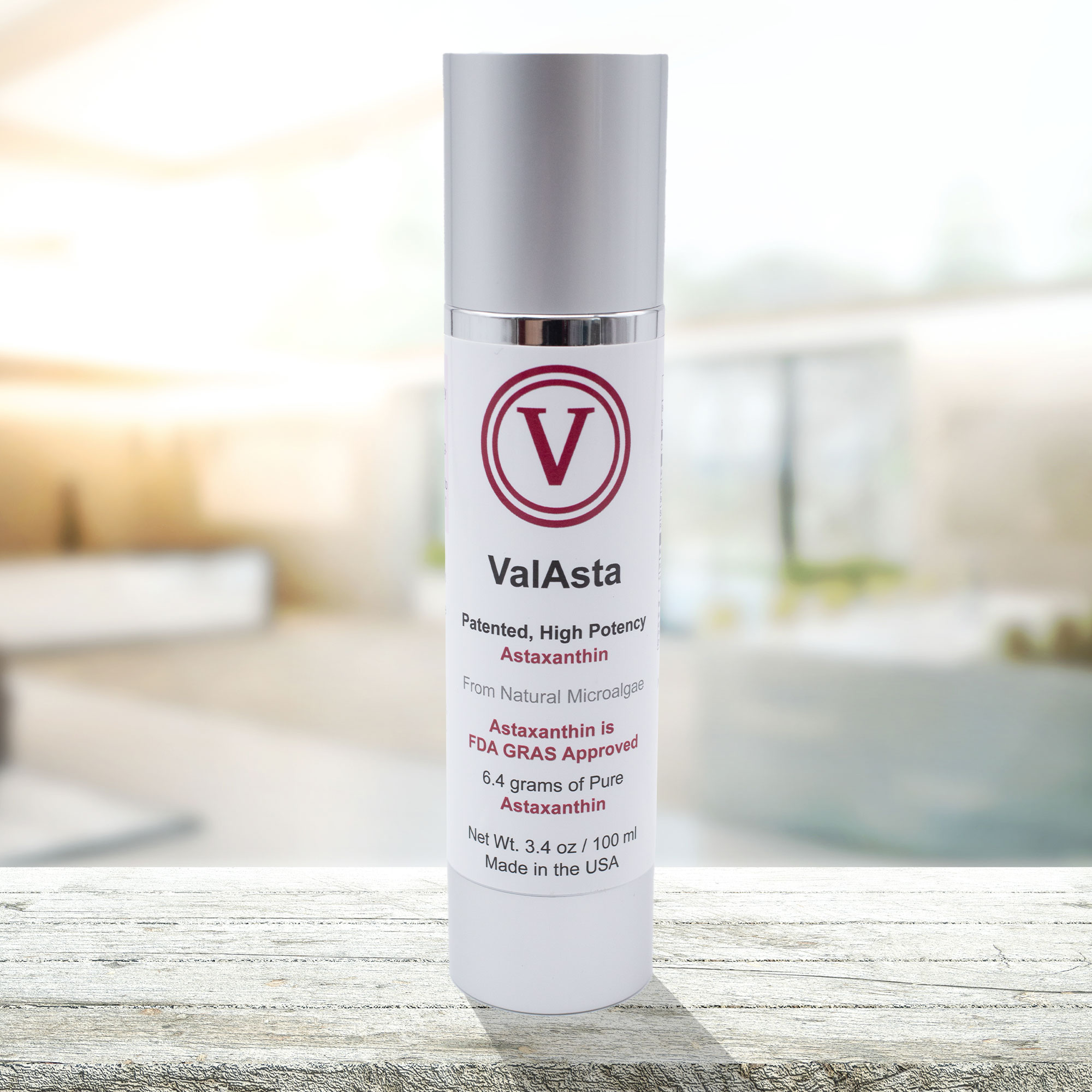
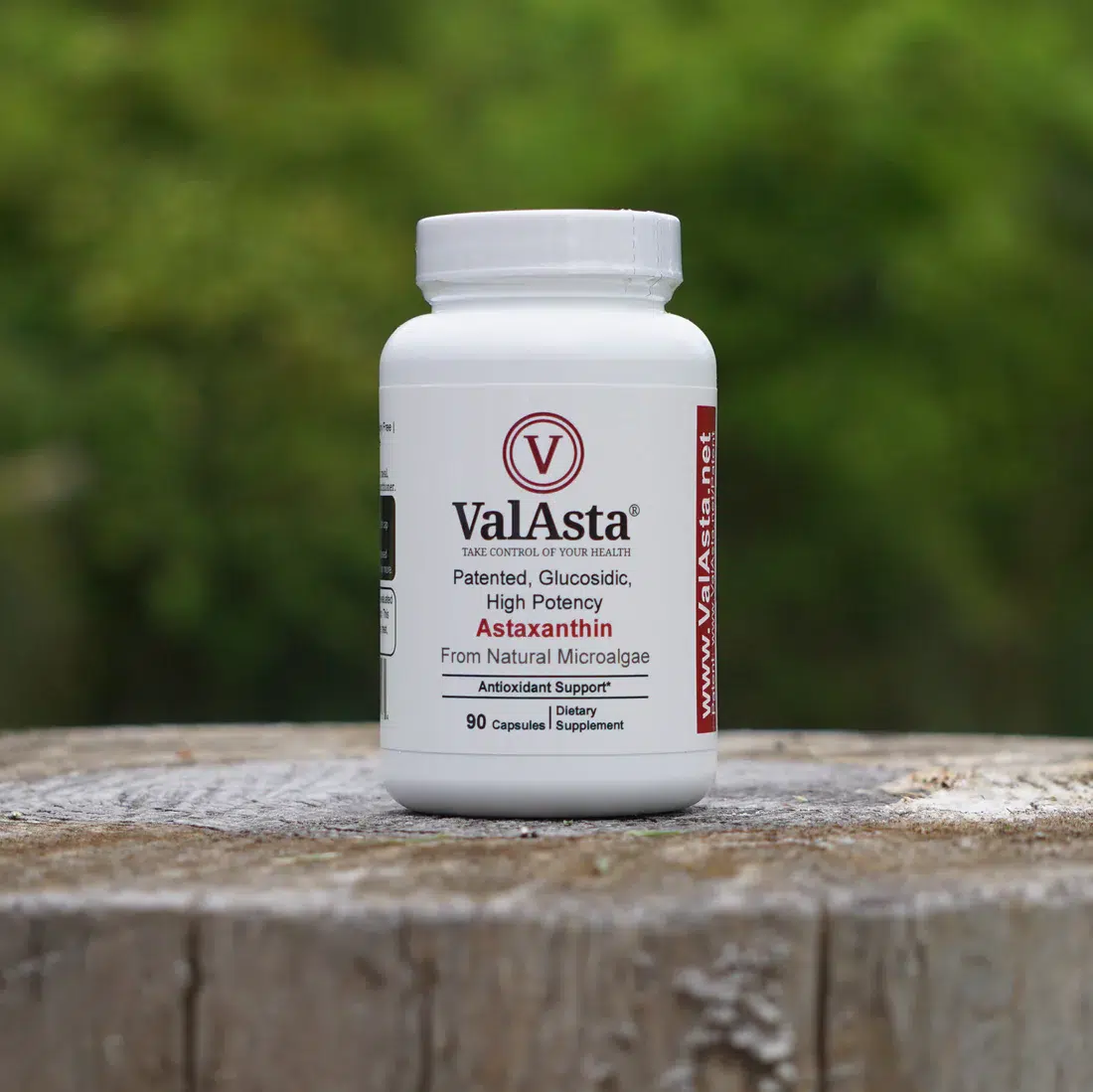
Dr. Barrett shares his personal experience with ValAsta’s bioavailable astaxanthin: reduced inflammation, improved gut health, faster recovery. Code POI5 at valasta.net for 5% off.
17:00 — Chemo, Radiation & Biopsy — Rethinking Cancer Dogma
The hosts explore mounting evidence that radiation can promote metastasis and that biopsies may seed tumor spread — both directly contradicting decades of medical school teaching. Dr. Barrett notes that institutional medicine has long either failed to recognize or chosen to ignore these signals.
19:48 — Censorship & Pushback on the Study
Hulscher reports the study is actively censored by Google’s news algorithm despite over 10 million social media views and coverage by multiple outlets. Critics call the work “dangerous” — yet the McCullough Foundation has documented multiple complete remissions using ivermectin, mebendazole, fenbendazole, and adjunctive IV vitamin C, with no chemo, radiation, or surgery.
22:00 — The Economics of Oncology — Why Off-Patent Drugs Don’t Get Studied
Off-patent drugs like ivermectin and mebendazole cannot be monetized like proprietary chemotherapeutics. Hulscher cites data that chemotherapy already exceeded $100K/year per patient a decade ago. Infusion centers earn substantial revenue per infusion — a structural disincentive against any office-visit-based oral regimen, no matter how effective.
24:30 — The Ethics of Restrictive Trial Design
Discussion turns to study design ethics. Trials that withhold supportive interventions like high-dose IV vitamin C — which a 2024 randomized trial showed doubled survival in stage IV pancreatic cancer alongside chemo — may be more about academic purity than patient benefit.
26:30 — The ‘Journal Cartel’ — Compromised Peer Review
Hulscher describes journals as functioning as a “cartel” that has retracted the foundation’s adverse-event work. Dr. Barrett reflects on his own peer review experience and reminds listeners of the famous Marcia Angell / Richard Horton admissions that top medical journals function as pharmaceutical pamphlets. Roughly half of journal editors and reviewers receive significant pharma compensation.
30:00 — SPONSOR BREAK — BBACK 0524 Therapeutic Footwear
Dr. Barrett describes running in the BBACK 0524 — classified as a medical device in Europe — with no functional hallux limitus pain even without his orthotic. Code POI10 at bbackworld.us for 10% off.
31:30 — How Real Science Should Work
A shared philosophical thread: publish the data, declare the limitations in the discussion section, and let other investigators replicate or refute. Critics in armchairs aren’t designing follow-up studies — they’re trying to suppress the conversation entirely. The proper scientific response to imperfect data is better data, not censorship.
34:26 — The Origin of ‘Turbo Cancer’ Research
Hulscher explains how the McCullough Foundation’s cancer work grew out of their COVID-era investigations. Per CDC WONDER data, the U.S. has logged over 100,000 excess cancer deaths since 2021. Two large population studies (over 8 million subjects combined) have linked the products to elevated risk of seven major cancers.
36:00 — Cancers in the Wrong Demographics
“Turbo cancers” are characterized by rapid stage I-to-IV progression, often in young patients — colon cancer in 12-year-olds, dramatic increases in young-adult colorectal disease. The SEER database, the U.S. primary cancer registry, has not been updated since 2022 — raising questions about why current age-adjusted incidence data is not being released.
38:42 — The Term ‘Turbo Cancer’ Did Not Exist Before 2021
Hulscher notes the phrase only appeared in 2021. He references documented mechanisms by which the products may promote oncogenesis — 17 distinct cancer-promoting pathways have been catalogued in the literature — and shares a forthcoming case report on a 30-year-old male with cardiac sarcoma metastatic to the brainstem in which DNA plasmid from the product was identified in tumor tissue.
41:03 — What’s Next at the McCullough Foundation
Upcoming work includes: an infant mortality study with data from the Philippines (already accepted for publication), additional antiparasitic case reports, VAERS trend analyses, and a systematic review of more than 30 studies documenting excess mortality since 2021.
43:04 — Where to Find Hulscher & the Foundation
McCullough Foundation: mcculloughfnd.org. Substack: ‘Focal Points’ (focalpoints.com), where Hulscher, Dr. Peter McCullough, and John Leake post daily commentary. Personal site: nicholashulscher.com. Social: Nicolas Hulscher on X, Instagram, Facebook.
44:53 — SPONSOR BREAK — STEMRegen
Dr. Barrett discusses STEMRegen, a five-plant-extract formula that mobilizes endogenous stem cells from bone marrow into circulation to support repair and regeneration. stemregen.co/dr-stephen — use code SBPOD for 15% off your first order.
47:03 — Closing Remarks & Disclaimer
Show notes at podofinquiry.com. Spread the word, leave a positive review, and — if it isn’t positive — “keep your pie hole shut and stay down in that cave.” Standard legal disclaimer follows.
Sponsors Of The Episode

BBACK US
BBACK is a balance shoe that improves movement and makes each step easier.
PRO-DYNAMIC® tech supports natural motion, reduces pressure, and aids circulation.
Use code: POI10 for 10% off your order







Approved Medical Solutions
Your source for Oxalate free Nitric Oxide Supplementation
Non-licensed patients can use code “sbarrett” for a 10% discount.
Licensed practitioners can access the discounts by registering and when at checkout put “podofinquiry” (no space and not case sensitive) in the coupon section.
Ketone
Nitric Oxide
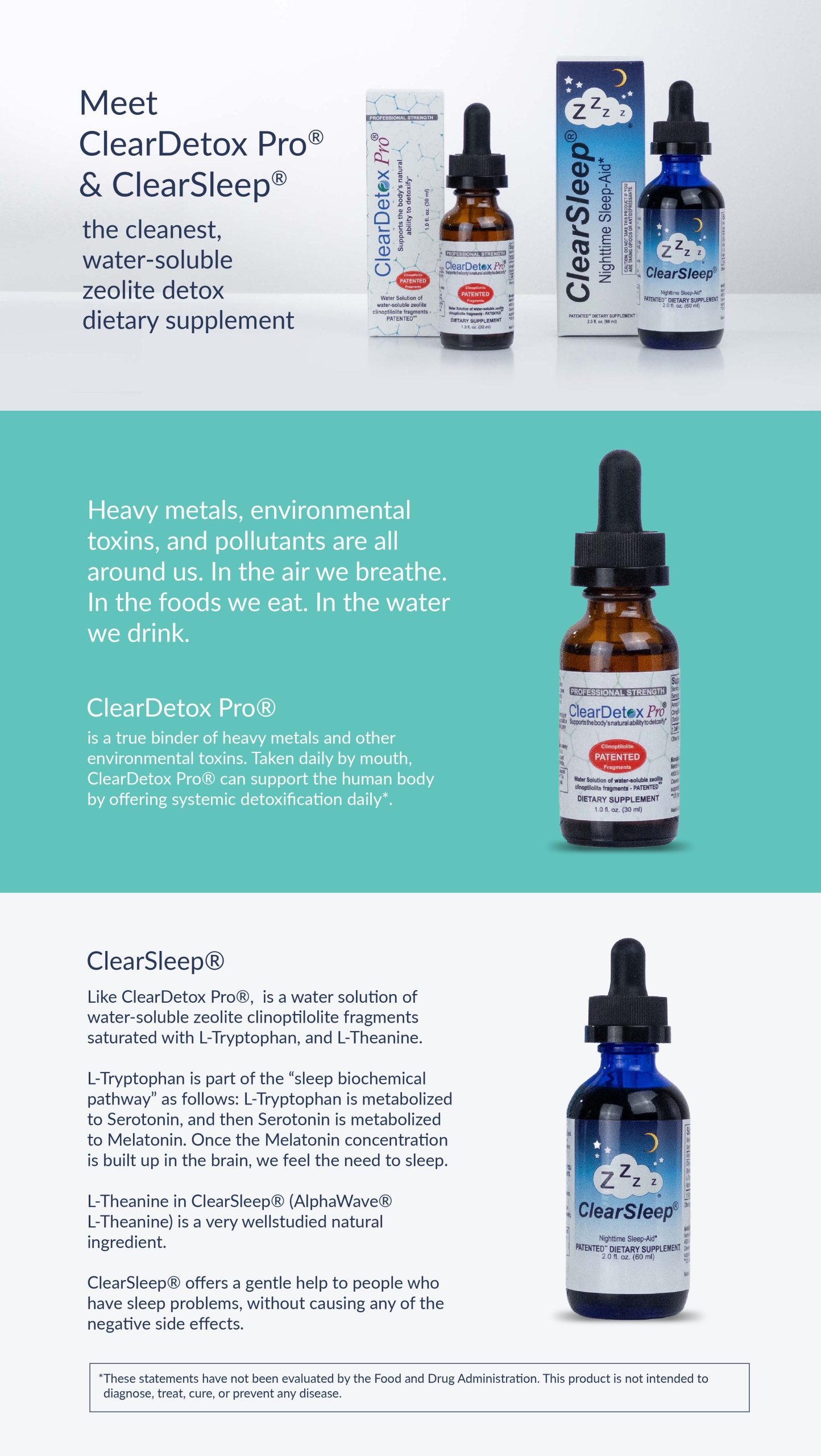
ClearDetox Pro & ClearSleep