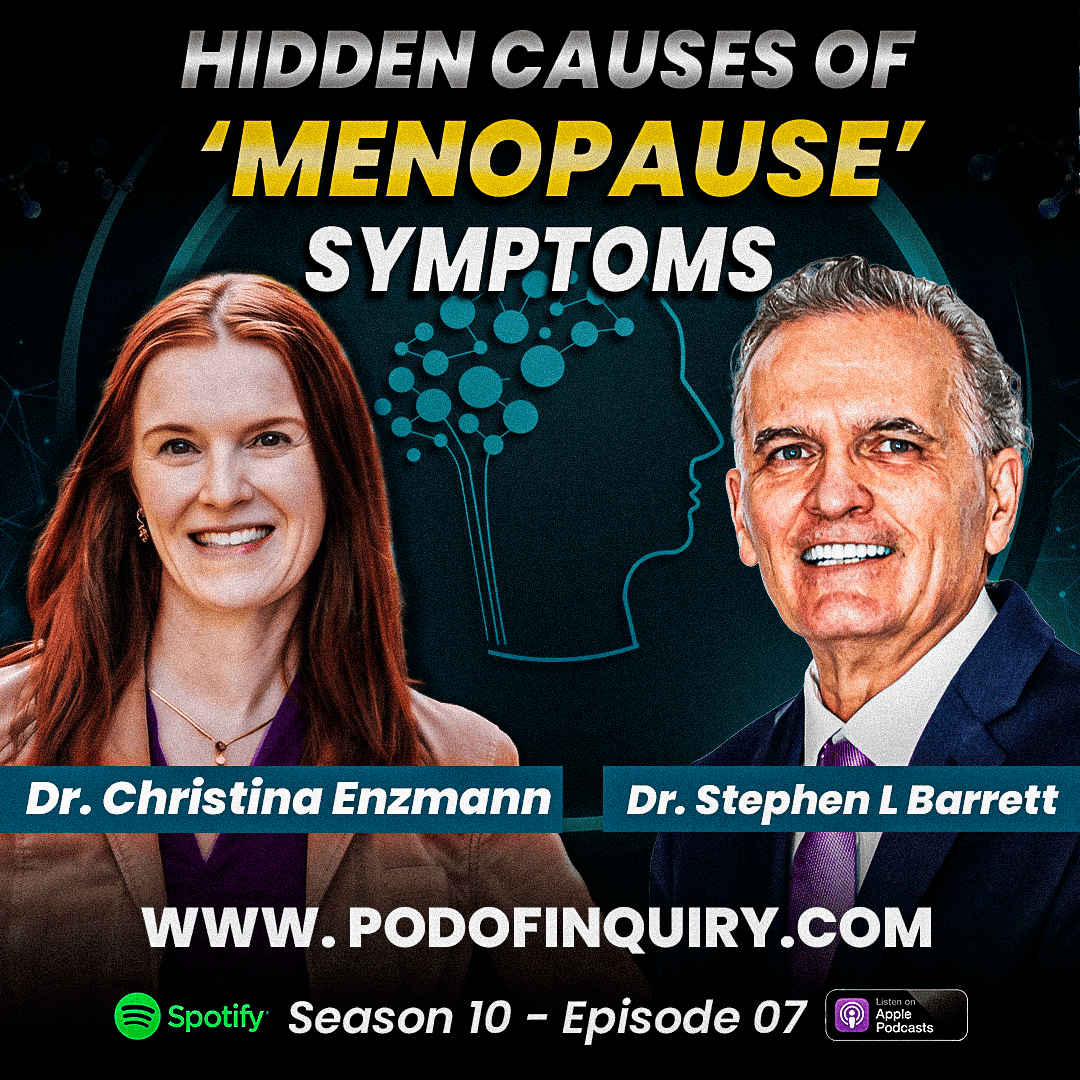
What are the Hidden Causes of Menopause Symptoms, and what if they’re not just about hormones?
In this episode of The Pod of Inquiry, Dr. Stephen Barrett sits down with Dr. Christina Enzmann, a German-trained, board-certified gynecologist with over 20 years of experience in menopause medicine. Combining conventional gynecology with functional medicine, Dr. Enzmann explains why hormones are only one piece of the midlife health puzzle.
From persistent fatigue and brain fog to hot flashes, gut issues and unexplained weight gain, this conversation explores the hidden causes of menopause symptoms and the overlooked metabolic and lifestyle factors that can influence women’s health during perimenopause and menopause.
In this episode:
- 🩸 Why a normal A1C doesn’t always mean healthy blood sugar regulation
- 💊 The Women’s Health Initiative and how it changed hormone replacement therapy
- 🔥 How insulin resistance and blood sugar fluctuations may contribute to persistent hot flashes
- 🧠 Why hormone therapy isn’t a cure-all for fatigue and brain fog
- 🦠 The connection between gut microbiome health, hormones and menopause
- ⚡ How chronic stress, overtraining and under-fueling affect cortisol and metabolic health
- 🍎 Energy availability and why eating too little can undermine recovery
- 🏋️ Why rest days, protein, fiber and balanced nutrition matter in midlife
- ☕ Dr. Enzmann’s perspective on coffee, caffeine and drinking coffee on an empty stomach
Dr. Barrett also shares the story of J.D. Tremblay and the physical consequences of completing the Epic Deca — 10 Ironman triathlons in 10 consecutive days.
Menopause isn’t a disease, and postmenopause isn’t the end of vitality. Discover how metabolic health, nutrition, recovery and a more comprehensive approach to medicine can help women navigate this important stage of life.
Watch The Podcast
Listen to The Podcast
Also available on


Author Biography

Christina Enzmann, M.D., PhD
Dr. Enzmann earned both her MD and her PhD from the University of Hamburg, Germany, and completed her residency in Obstetrics and Gynecology at Sinai Hospital of Baltimore. She is a board-certified gynecologist and a certified menopause practitioner through The Menopause Society. To this conventional foundation she has added extensive training in functional medicine and nutritional endocrinology, allowing her to bridge two worlds that too rarely meet.
Show Notes from this episode
Episode Overview
Dr. Christina Enzmann is a German-trained, board-certified gynecologist with more than 20 years of menopause medicine in the United States, who now runs both an insurance-based gynecology practice and a functional medicine practice in Baltimore. In this conversation, Dr. Barrett and Dr. Enzmann dig into why so many midlife women with “normal” labs still feel terrible — and why hormones alone rarely fix it.
They revisit the Women’s Health Initiative and the long shadow it cast over hormone therapy, then move to where Dr. Enzmann says the real work starts: hemoglobin A1C, fasting insulin, blood sugar swings, gut dysfunction, and a dysregulated HPA axis. She explains why chronic under-eating and overtraining can backfire in midlife, introduces the concept of energy availability borrowed from sports medicine, and makes a case against the morning coffee on an empty stomach. Her closing message: postmenopause is not a decline — it’s a stage that needs some maintenance.
00:00 Dr. Barrett introduces Dr. Christina Enzmann, MD/PhD, board-certified gynecologist, and the episode’s theme: managing menopause from both a conventional and a functional medicine standpoint
00:28 Pod of Inquiry intro
00:59 Dr. Barrett notes a growing trend of OB/GYNs working across mainstream and functional medicine
From Conventional Gynecology to the Functional Medicine “Toolbox”
01:30 Dr. Enzmann’s path: trained in Germany, 20+ years in the U.S., early menopause training through the North American Menopause Society; why bioidentical hormone therapy is not new
The unexplained symptoms in her midlife patients: gut issues labeled IBS, palpitations and panic attacks with negative cardiac workups, and weight gain
Her own perimenopause at 45 under a high-stress job — and the turning point that led her to functional medicine, which she describes as a toolbox rather than a specialty
Why women with normal conventional labs but severe symptoms feel left alone — and why many leave the workforce
The Women’s Health Initiative and Hormone Therapy Today
09:56 Dr. Barrett raises the WHI (early 2000s) and how its misinterpretation made practitioners reluctant to prescribe hormone replacement
10:38 Social media’s “hormone liberation” narrative; menopause practitioners never stopped prescribing; why hormones are still not for everyone
Clear indications for menopausal hormone therapy: hot flashes, osteoporosis prevention in higher-risk patients, and genitourinary symptoms of menopause
12:21 Was the menopause community philosophically separate from mainstream OB/GYN after the WHI?
12:43 Why midlife patients don’t fit a 10-minute visit — and the “you’re just getting older” dismissal
14:09 Dr. Barrett on testosterone in men: far more than a sex hormone
15:15 Hormones are one piece — e.g., testosterone in an insulin-resistant patient may convert to more estrogen
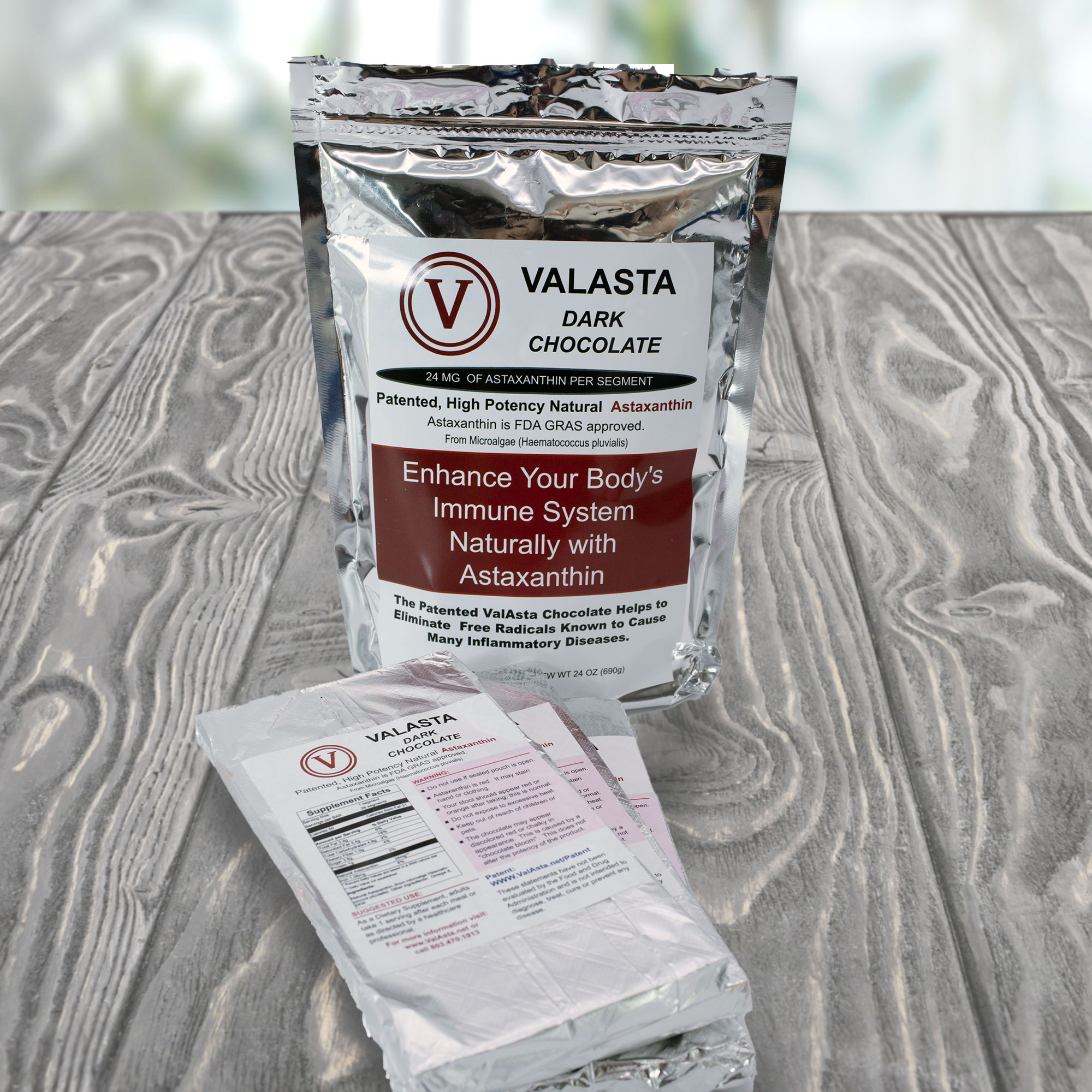
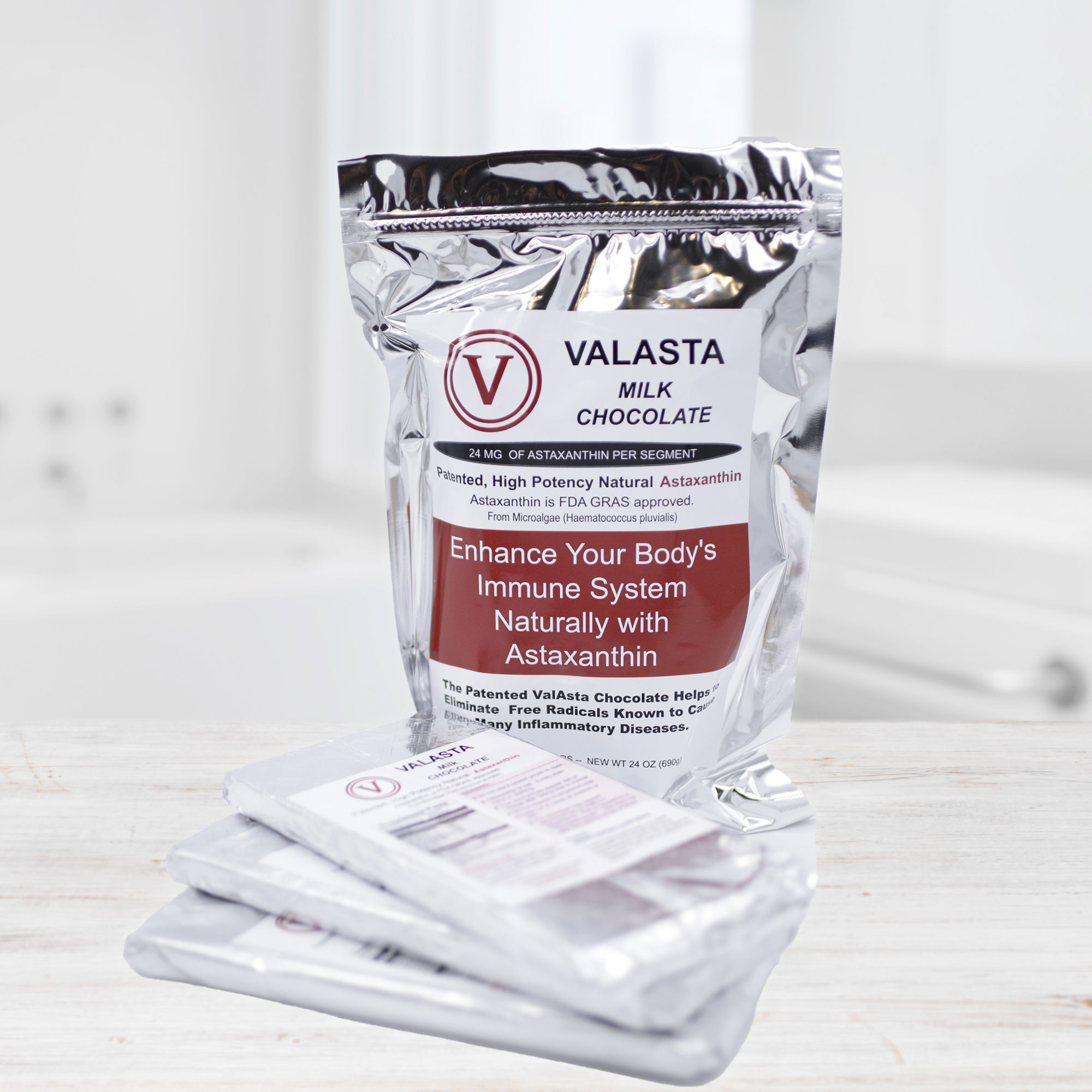
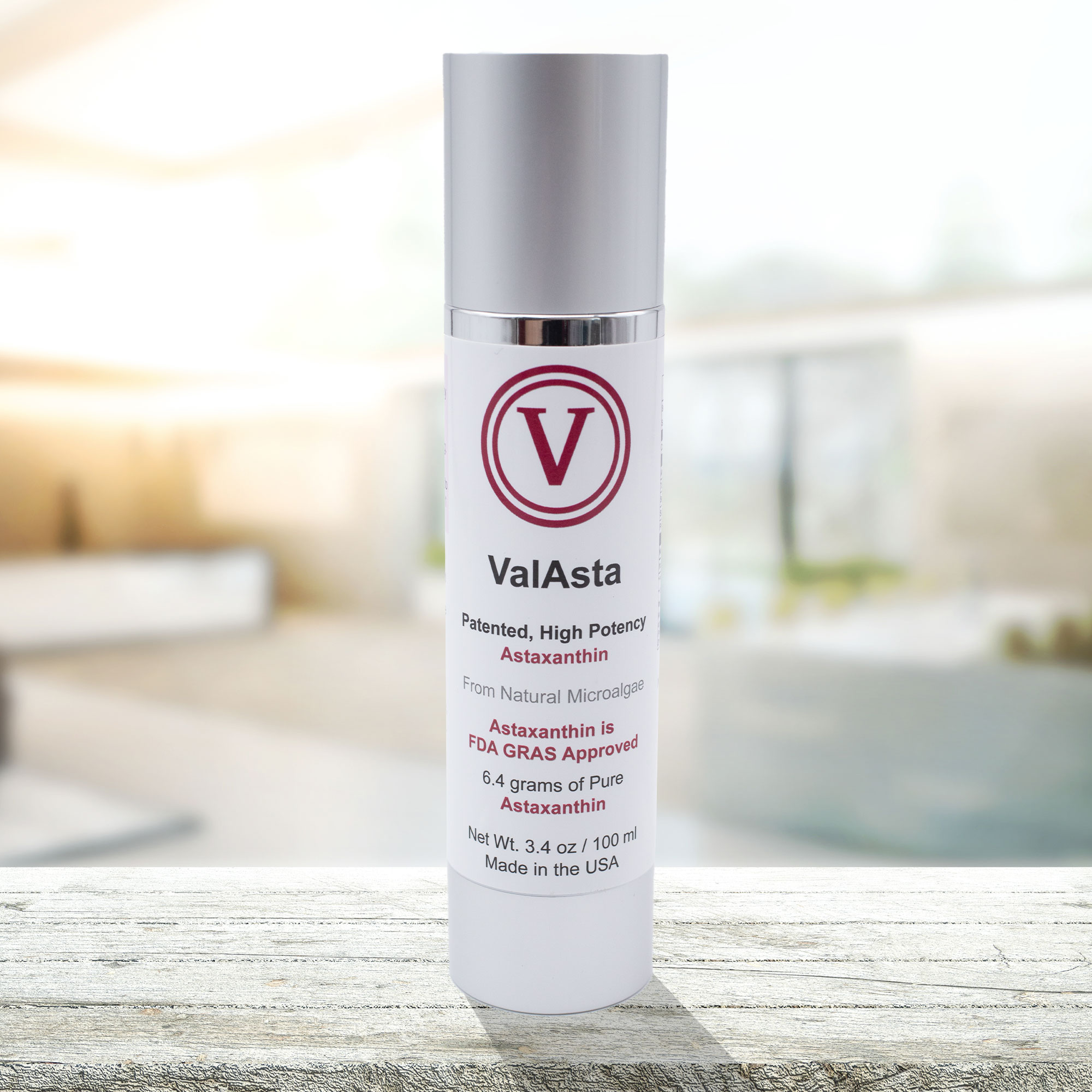
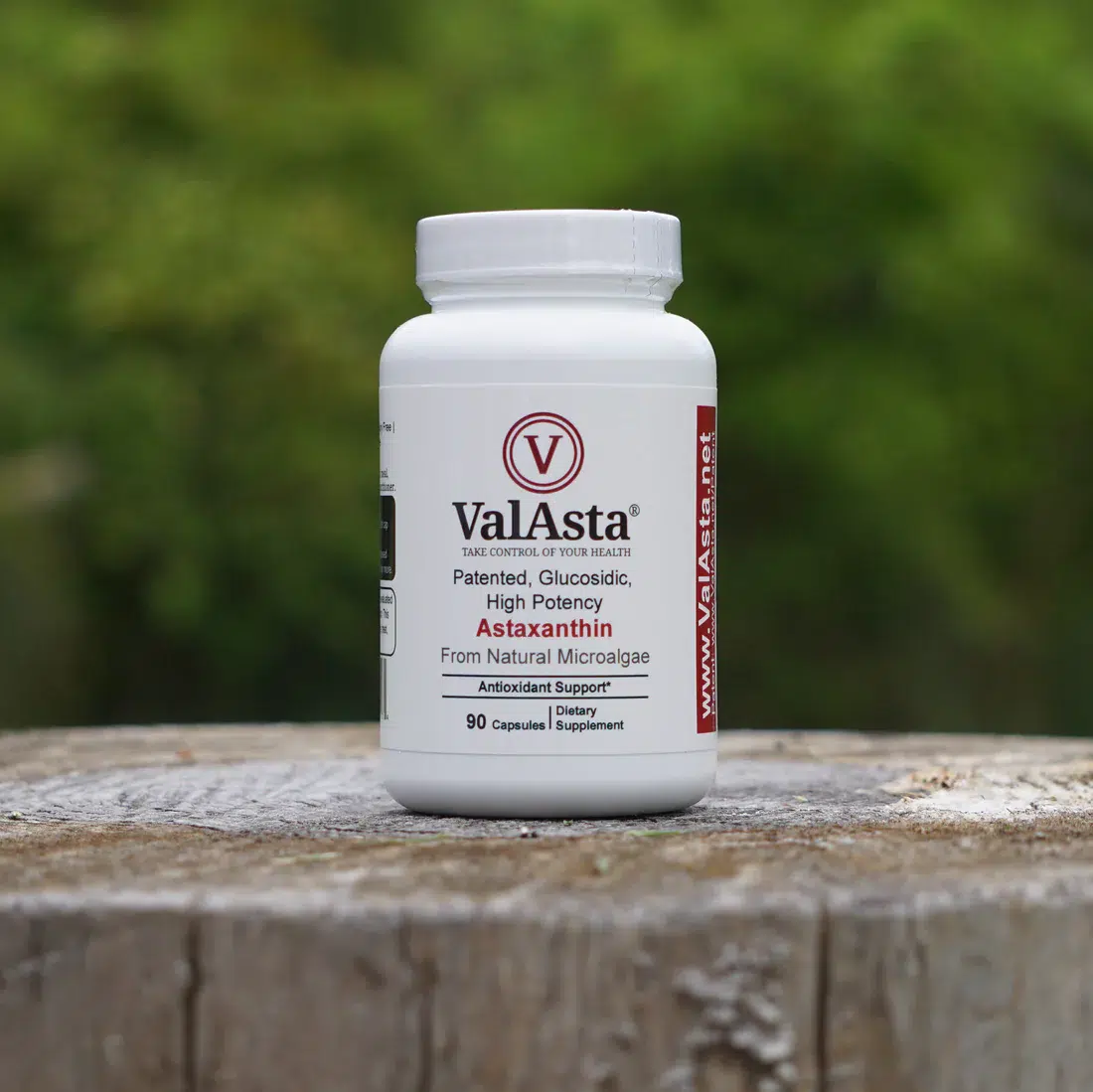
16:06 Sponsor: ValAsta astaxanthin (code POI5)
Metabolic Health Comes First
16:57 Why hormone therapy is not a reliable fix for brain fog or fatigue; every new patient gets a hemoglobin A1C
Blood sugar roller coasters and insulin’s effect on the brain’s thermoregulatory center — why hot flashes can return despite higher doses
18:23 Dr. Barrett: fasting insulin as an inexpensive, overlooked test — hyperinsulinemia with a normal A1C as a driver of neuropathy
18:59 Why A1C can be deceptively low in women who skip meals or eat once a day — and why fasting insulin can mislead too
20:20 Are her patients motivated? The role of explaining the “why”
21:21 “What do you eat for breakfast, lunch and dinner?” — simple fixes like cutting the morning bagel and juices
Dementia fears: why A1C may matter more for long-term brain health than starting hormones at 65; fiber, greens and the gut microbiome for hormones and bones
Running Two Practices
23:30 Explaining mechanisms as patient empowerment; how she decides where a patient belongs
24:36 Her insurance-based office for straightforward perimenopause and hormone discussions vs. her functional medicine practice for complex cases — failed hormone therapy, fatigue, gut and autoimmune issues
Detailed functional labs: oxidative stress, mitochondrial dysfunction, fatigue, genetics — and letting patients come to the next step on their own
26:24 When she tells a patient, “I really need to see you on the other side”
The Gut Microbiome in Midlife
26:58 The microbiome as a “newly discovered organ” — gut, oral, nasal and vaginal microbiomes
27:51 How many hormonal patients have gut issues? 20–40% on the surface, possibly over 50% when asked directly; endometriosis and IBS; questions to ask about bloating, constipation and reflux
28:48 Dr. Barrett on the microbiome as a moving target — and how antibiotics affect people differently
Stress, Cortisol and Overexercise
30:06 The HPA axis: why hormones can’t compensate for a dysregulated stress axis
Stress redefined: poor nutrition, inflammation, gut dysbiosis, environmental toxins — and overexercise
31:23 Rest days are as important as workout days
31:39 Sponsor: BBack 0524 (code POI10)
32:44 Runners and triathletes losing muscle and energy despite training harder; how overtraining and under-fueling raise insulin and cortisol and add to midlife belly fat
The 4:30 a.m. six-day-a-week lifting trap
34:56 Dr. Barrett on J.D. Tremblay and the Epic Deca in Hawaii — 10 Ironman triathlons in 10 days — and the peripheral neuropathy that followed
36:28 A Peloton patient who felt dramatically better after cutting one session a week — recovery as the next frontier
37:18 Exercise as a drug that needs the right dose: ROS, cytokines and immune suppression
Energy Availability and Under-Fueling
38:06 Energy availability explained: what’s left for the body after organ function and exercise
Chronic calorie cutting lowers metabolic rate — why online calorie calculators stop applying
From athlete data to menopause: fatigue, less spontaneous movement, poor sleep and gut function
Her refeeding approach: tracking intake, gradually increasing calories, and avoiding adaptive thermogenesis
Food, Fiber and the Morning Coffee
42:25 Moving patients toward real food and protein
42:42 “Plant forward, not plant based”: animal protein and choline in midlife; fiber and polyphenols for microbiome diversity; the 80/20 plate
44:03 Room for cake with a friend — and why coffee on an empty stomach strains the HPA axis and the stomach mucosa
45:13 Caffeine as the world’s most used drug; coffee consumption around the world
45:49 Dr. Barrett defends his morning cup; Dr. Enzmann’s compromise: eat breakfast first; buckwheat and mushroom-based alternatives
Wrap-Up
46:38 Where to find Dr. Enzmann and her free midlife body reset guide
47:15 Her closing message: postmenopause is not a decline — it’s a vibrant stage that needs some maintenance
48:07 Sponsor: Approved Medical Solutions oxalate-free nitric oxide (code SBARRETT)
Closing remarks
Key Topics
- Menopausal hormone therapy: indications, limits and the WHI legacy
- Hemoglobin A1C vs. fasting insulin in midlife women
- Blood sugar instability and hot flashes
- Gut dysfunction, IBS and the microbiome in menopause
- HPA axis dysregulation and the broader definition of stress
- Overexercise, recovery and muscle loss in midlife
- Energy availability, under-fueling and adaptive thermogenesis
- Plant-forward nutrition, protein and choline
- Caffeine timing and the stress axis
- Bridging insurance-based and functional medicine practice models
Resources & Links
- Christina Enzmann: drchristinaenzmann.com
- Midlife Body Reset Guide: https://keap.page/czy746/midlife-health-reset-guide.html
- The Menopause Society (formerly the North American Menopause Society): menopause.org
- Pod of Inquiry show notes: com
This Episode’s Sponsors
- ValAsta Astaxanthin — net, code POI5 for 5% off
- BBack 0524 — us, code POI10 for 10% off
- Approved Medical Solutions — com; non-providers use code SBARRETT for 10% off; licensed practitioners register and use “Pod of Inquiry” at checkout
Sponsors Of The Episode


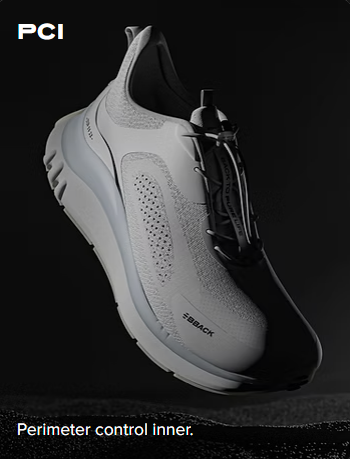
BBACK US
BBACK is a balance shoe that improves movement and makes each step easier.
PRO-DYNAMIC® tech supports natural motion, reduces pressure, and aids circulation.
Use code: POI10 for 10% off your order





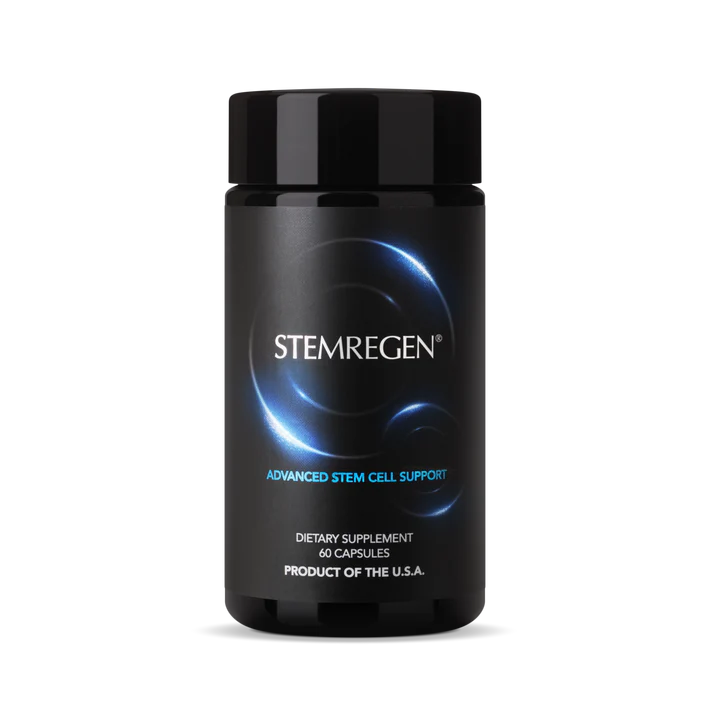



Approved Medical Solutions
Your source for Oxalate free Nitric Oxide Supplementation
Non-licensed patients can use code “sbarrett” for a 10% discount.
Licensed practitioners can access the discounts by registering and when at checkout put “podofinquiry” (no space and not case sensitive) in the coupon section.

Ketone
Nitric Oxide
ClearDetox Pro & ClearSleep