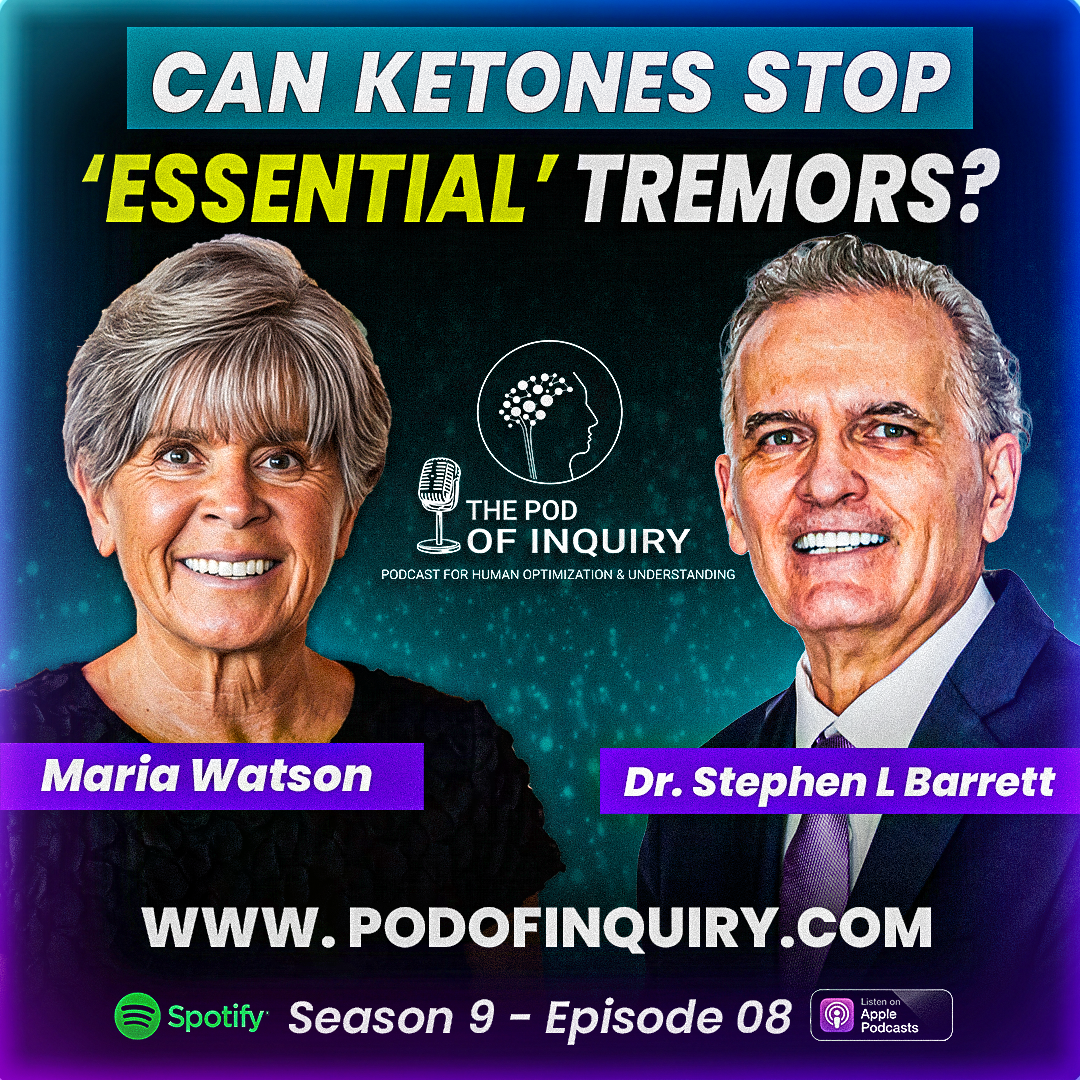
What if sugar isn’t just food… but a substance that hijacks your biology?
In this eye-opening episode of Pod of Inquiry, Dr. Barrett sits down with Mike Collins, founder of SugarDetox.com and former Chairman of the Board of the Food Addiction Institute, to challenge everything we’ve been taught about weight loss, cravings, and metabolic health.
Mike argues that for millions of people, sugar functions more like an addictive substance than a food. He explains why traditional advice like “eat less and exercise more” has failed so many people, and why some individuals may be biologically wired to struggle with sugar in ways others never experience.
Drawing from over 15 years of work helping people break free from sugar dependence, Mike shares his perspective on food addiction, obesity, type 2 diabetes, fatty liver disease, autoimmune conditions, and the modern food environment. (Sugar Addiction and Failed Diets)
In This Episode you’ll discover:
- Why sugar may belong in the addiction category rather than the food category
- The surprising reason fructose often escapes detection on continuous glucose monitors (CGMs)
- How sugar cravings may be driven by biology, not just willpower
- The connection between fructose, gut health, and metabolic dysfunction
- Why conventional weight-loss strategies often fail long-term
- The evolutionary biology behind sugar-seeking behavior
- Why women appear disproportionately affected by sugar addiction
- What happens during Mike’s 90-day sugar, flour, and caffeine elimination experiment
Dr. Barrett also shares insights from his own experience using continuous glucose monitoring and explores why some of Mike’s ideas may help explain patterns clinicians observe every day.
Whether you’re a healthcare professional, someone struggling with cravings, interested in metabolic health, or simply curious about the science behind sugar consumption, this conversation offers a thought-provoking perspective on one of the most controversial topics in nutrition.
Watch The Podcast
Listen to The Podcast
Also available on


Author Biography
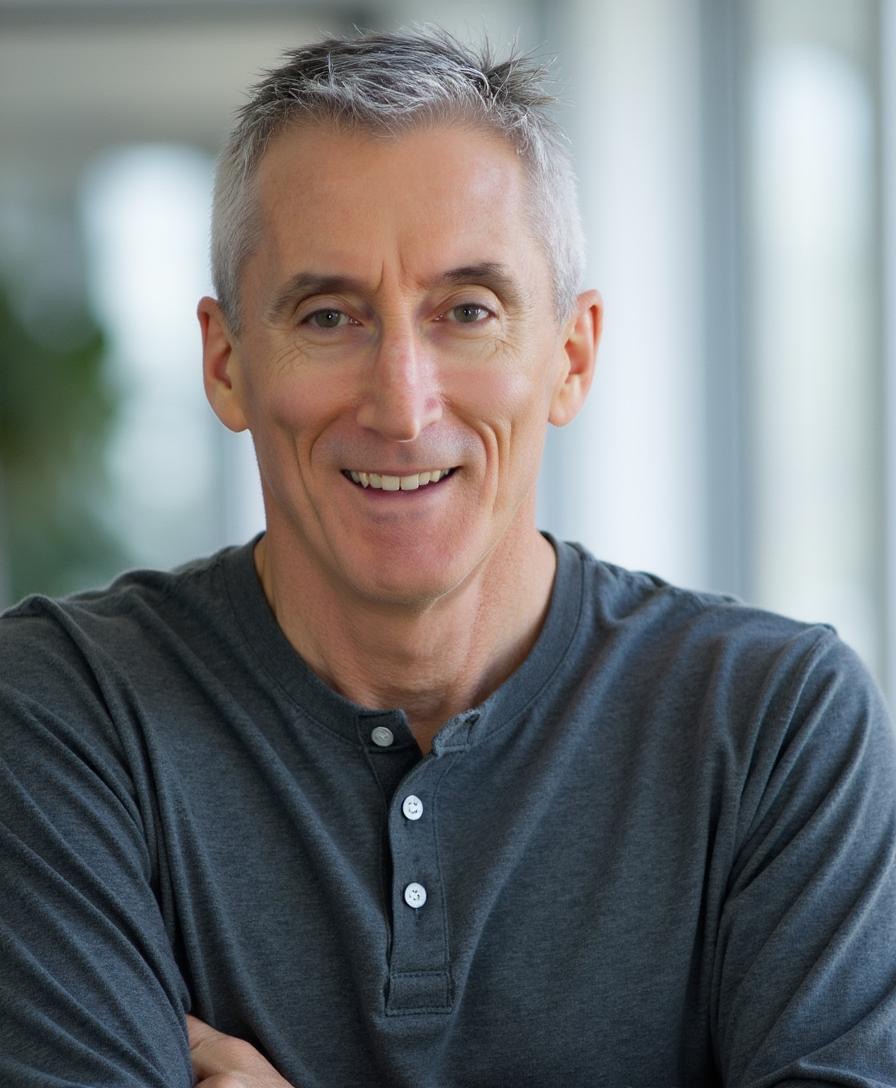
Mike Collins
Mike Collins believes sugar addiction is very real and not to be taken lightly. As a person in long-term recovery from substance use disorder for over forty years, he took a keen interest in what sugar was doing to him and his friends in early recovery. After much research and experimentation, he quit sugar with the help of amazing mentors. He then raised two children sugar-free from the womb to six years old, and as they grew, he rewrote the rules for sugar and kids in childhood. He takes his stewardship of SugarAddiction.com, SugarDetox.com, and QuitSugarSummit.com very seriously and aims to provide information and community for anyone wanting to curb or quit sugar.
Hundreds of thousands have read his book The Last Resort Sugar Detox, and tens of thousands have completed his online 30-Day Sugar Freedom Challenge.
Show Notes from this episode
00:00 — Introduction Dr. Barrett opens by introducing Mike Collins as ‘the rehab man for that very dangerous glucose molecule,’ previewing a conversation that reframes sugar away from a simple dietary concern and toward a serious metabolic and behavioral health issue. The standard Pod of Inquiry intro invites Spelunkers down into the cave for some ‘thought-provoking cerebral whipping.’
01:38 — Mike Collins’ Origin Story — A Generation of Sugar
Mike traces his work back to his mother, who lost her own mother at age eight and was given free rein at the family corner store to take any candy she wanted. He frames her later Alzheimer’s diagnosis as, in his view, the endpoint of a lifetime of sugar addiction. He describes a childhood of sugar sandwiches and triple-strength Kool-Aid, his own path through alcohol beginning at 14, and getting sober at 28 — over 40 years ago.
04:30 — From Sobriety to Sugar-Free Parenting
After getting sober, Mike noticed peers in recovery rooms gaining 50 pounds as they substituted sugar for alcohol. He and his wife raised their two children completely sugar-free from the womb through age six — an unusual experiment at the time, but one now mirrored by growing nonprofit attention to the first 1,000 days from conception forward.
05:30 — Building SugarDetox.com Backwards
Mike explains he ‘built the company backwards’ — leading with peer support meetings rather than a one-and-done product. Tuesday-night online meetings that began before the pandemic exploded from one or two per week to three to five per day during COVID, when grandparents had suddenly mastered Zoom. SugarDetox.com is now certified by the National Board of Health and Wellness Coaches to train coaches, with a stated goal of running 24 meetings a day, seven days a week (168 coaches).
07:03 — Ancel Keys, John Yudkin & the Hijacking of Nutritional Science
Dr. Barrett raises Ancel Keys’ fraudulent saturated-fat narrative and asks what U.S. chronic disease rates would look like if the saturated fat industry — not the sugar industry — had captured the science. Mike notes Keys’ British nemesis John Yudkin died penniless and disgraced for warning about sugar. He recounts interviewing 100-year-old Elaine LaLanne, who told him Jack LaLanne ‘blamed sugar for everything,’ and details his own clinical experience: hundreds of type 2 diabetes remissions, hundreds of 100-pound weight losses, and reversal of fatty liver, chronic fatigue, lupus, and rheumatoid arthritis simply by removing sugar.
12:02 — Is Sugar a Food or a Drug? The Behavioral Change Argument
Mike argues each person has to make a personal assessment: is sugar food, or is it a psychoactive drug that ‘tamps down emotional feelings’ and ‘anesthetizes hurt and pain’? He critiques the emotional-eating and bricks-and-mortar eating-disorder world for insisting recovery requires moderate sugar and flour intake — a stance he calls ‘patently and ridiculously false’ for the roughly one-third of human beings who are biochemically wired toward addiction. He references his time as Chairman of the Board of the Food Addiction Institute and points to the converging metabolic-psychiatry and substance-use-disorder fields.
16:18 — Why Brilliant, Successful People Cannot Stop
Mike confronts the central paradox: highly intelligent, successful people — trial lawyers, surgeons (he cites a gifted surgeon currently in his program) — cannot stop using sugar despite decades of trying. He calls out the $78 billion weight-loss industry’s ‘eat less, exercise more’ messaging and notes the 95% failure rate for sustained weight loss.
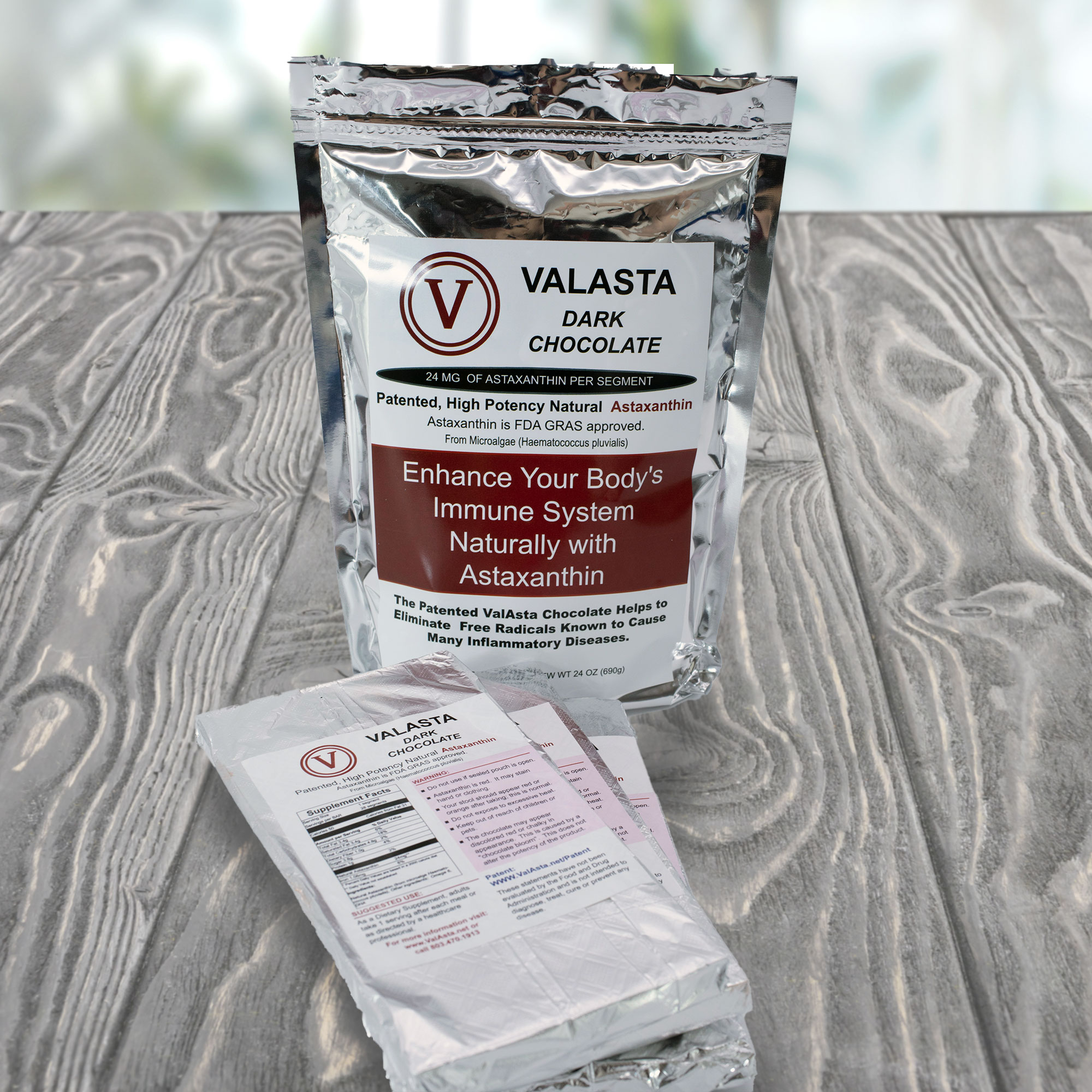
16:30 — Sponsor Break — ValAsta Astaxanthin (POI5)
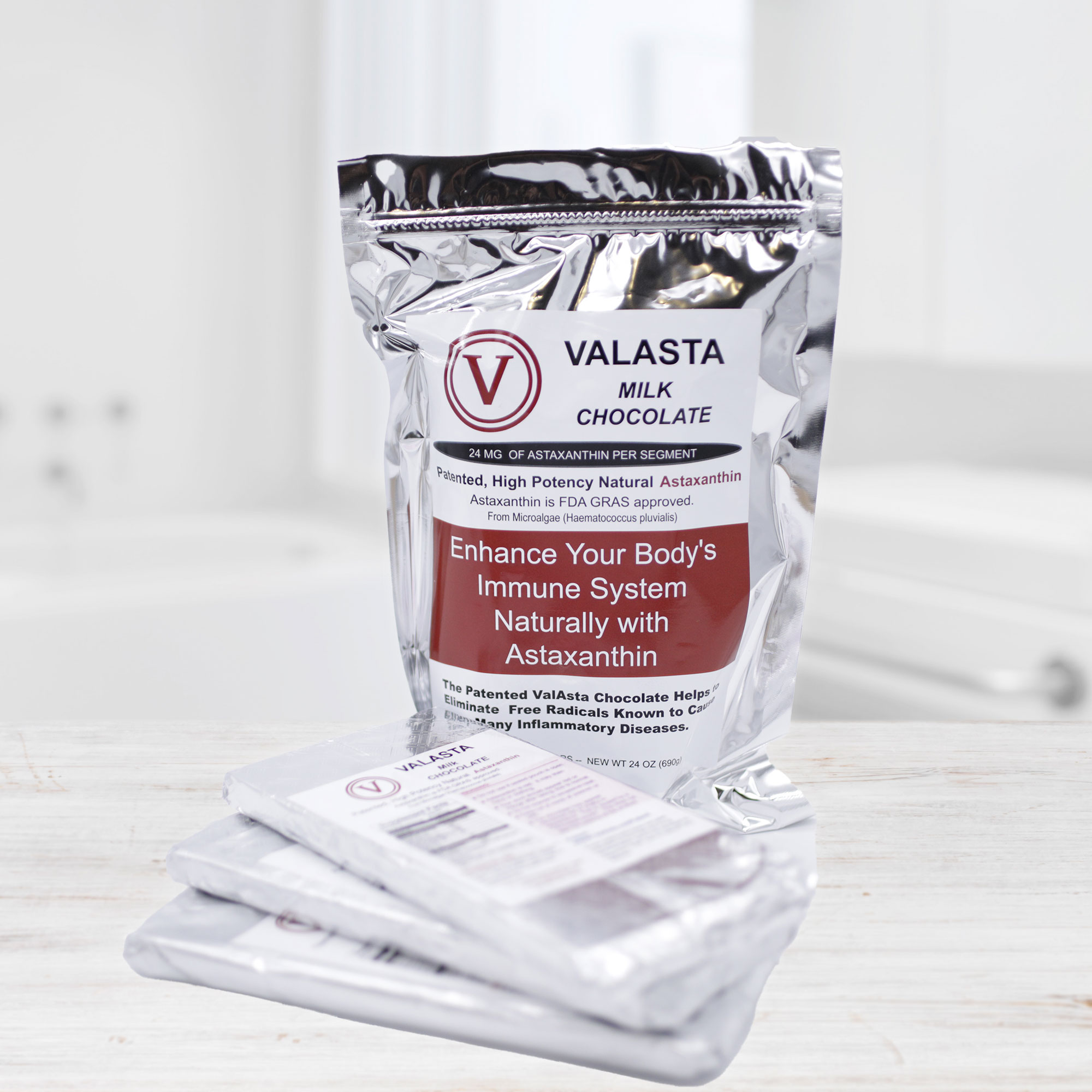
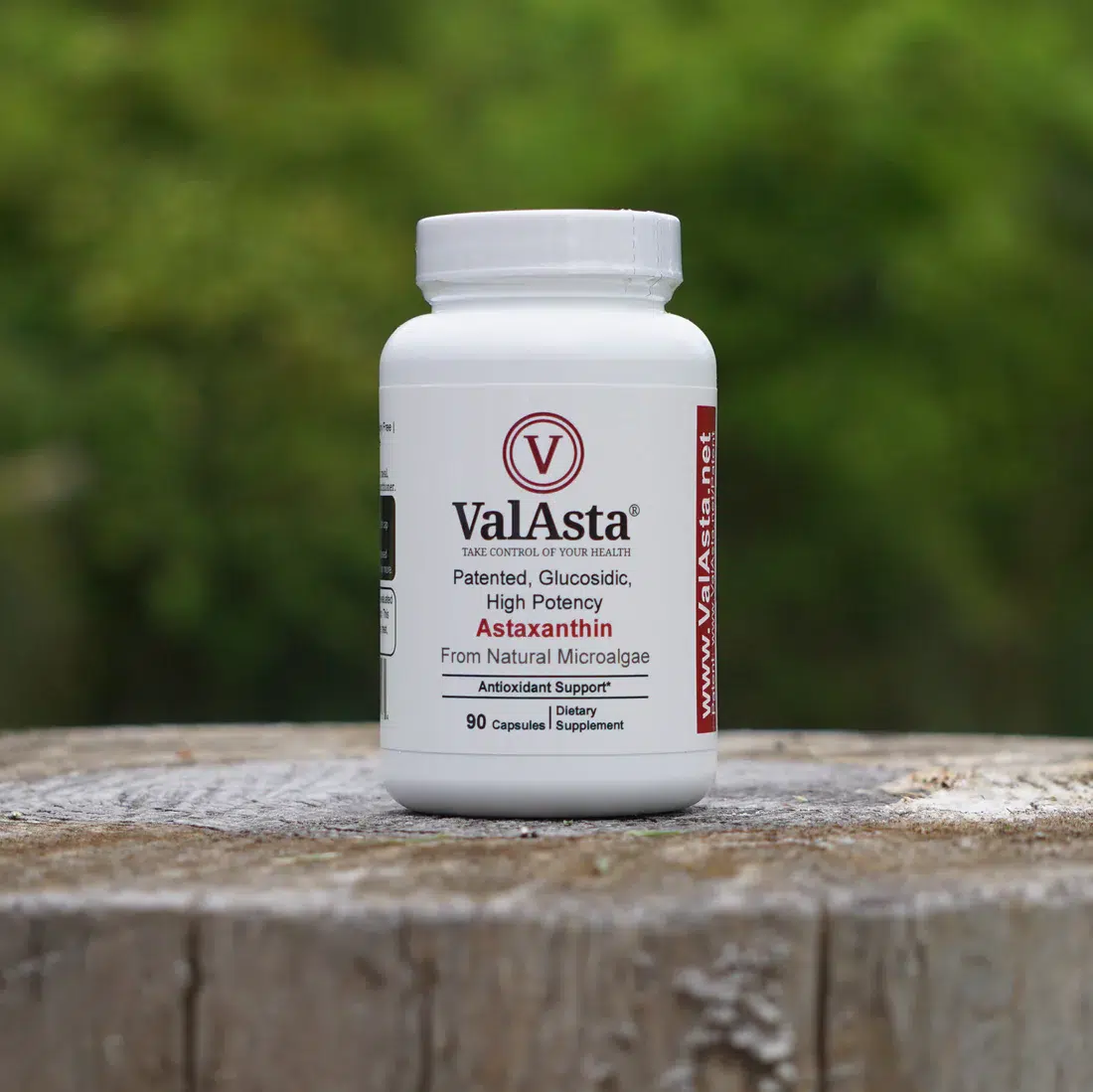
Dr. Barrett delivers the ValAsta sponsor read: as a surgeon studying inflammation for decades, he began taking ValAsta astaxanthin a few months ago and noticed less inflammation, improved gut health, and faster recovery. Listeners can visit valasta.net and use code POI5 for 5% off.
18:10 — Sugar vs. Caffeine — Functional MRI Lights Up Like Cocaine
Dr. Barrett distinguishes between substances that produce physiological addiction versus dependence, and notes that functional MRI studies show sugar lighting up the brain like cocaine. Mike adds that caffeine withdrawal mimics methamphetamine withdrawal and shares the case of an Olympic bronze medalist whose sugar cravings only resolved once she stopped the black coffee she had been drinking since age ten.
21:00 — Study Fructose: The Identical Molecule Hiding in Your Fruit Bowl
Mike delivers his signature teaching: ‘If you want to get off sugar, study fructose.’ The fructose molecule in table sugar is identical to the fructose in fruit. Humans have hybridized fruit for centuries — seedless grapes, seedless oranges, seedless watermelons — selecting aggressively for sweetness in ways that ‘could never reproduce in nature.’ He references a researcher mentor with a government grant studying whether blocking the fructose pathway could cure alcoholism.
24:23 — Risky Behavior, Foraging & the Chimp Empire Lesson
Mike points to rat studies showing fructose drives foraging and risk-taking behavior, and offers a striking analogy from the Netflix documentary Chimp Empire: a smaller chimp band sent a member into hostile territory — where he was killed — to reach a fruit tree blooming once every two or three years. Chimps share 98% of human DNA. The point: fructose biology pushes mammals toward risk, hunger, and foraging.
25:00 — Leaky Gut & Lengthened Intestinal Villi
Mike explains two physical effects of fructose on the intestines: it lengthens the villi (increasing hunger and absorption surface area), and it loosens the tight junctions of the gut lining — the mechanism colloquially called ‘leaky gut’ — allowing substances into the bloodstream that were never meant to cross.
26:00 — The Evolutionary Mismatch — A 24/7 Fructose Drip
Mike proposes that humans evolved to encounter fructose perhaps once a year, at peak ripeness, with the calorie reward designed to make us remember the location of the berry bush for next season. The modern environment of constant fructose availability — ‘a 24/7 drip’ — has no evolutionary precedent.
27:48 — Fructose Misunderstood by Patients and Physicians Alike
Dr. Barrett observes that fructose is among the most misunderstood sugars even in the physician population, with products marketed as ‘all natural, no sugar — just fructose.’ He links chronic fructose intake to non-alcoholic fatty liver disease, now appearing in five-year-olds. Mike adds that fructose can only be processed in the liver and, lacking the metabolic pathway to enter the Krebs cycle efficiently, gets converted to fat.
29:18 — Why Fructose Slips Past Your CGM
A critical clinical point: pure fructose does not spike a continuous glucose monitor the way glucose does, which gives the false impression of safety. Dr. Barrett shares his own CGM experiments — a few blueberries register nothing, but watermelon spikes high. The reframe: ‘you’re still putting a toxin in the body, you’re just not putting a toxin in the body that’s making the alarm go off.’
31:00 — How Treatment Actually Works — Peer Support First
Mike walks through his treatment philosophy. He notes that older weight-loss programs (Weight Watchers, Jenny Craig) succeeded because they were peer-support meetings of like-minded people; they failed once food companies bought them and pushed products. Peer-reviewed pandemic-era research confirmed Zoom meetings work nearly as well as in-person.
32:46 — Sponsor Break — BBack 0524 Footwear (POI10)
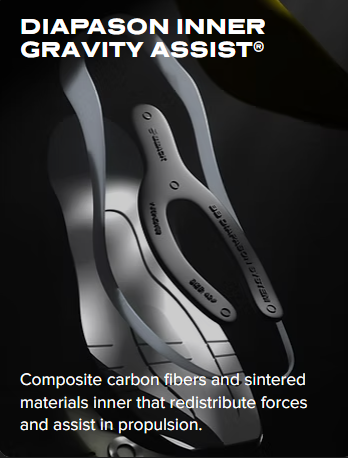
Dr. Barrett ran in the BBack 0524 without an orthotic and developed no functional hallux limitus pain — a result he typically gets within a mile in other shoes without his orthotic. The BBack 0524 is classified as a medical device in Europe and is just now entering the U.S. market. Code POI10 at bbackworld.us gets 10% off.
33:39 — Why 95% of Sugar Detox Clients Are Women
Mike shares a striking statistic: 95% of his clients are women, and 85% lack spousal support at home. He frames sugar as ‘the good girl’s drug’ — culturally acceptable in ways alcohol is not — and notes the special damage of fructose during pregnancy and the first 1,000 days of life, when most women will quit cigarettes and alcohol but continue using sugar.
35:12 — Infant Formula, Corn Syrup & Cultural Blindness
Dr. Barrett asks about the sugar content of standard baby formulas — corn syrup, cornstarch, high fructose corn syrup — and both agree the labels ‘blow your mind.’ Mike likens this moment to the early days of cigarette science: the data exists, but cultural acceptance lags decades behind.
36:09 — Genetics, Family History & the Thirds Framework
Dr. Barrett asks whether genomic markers exist for sugar susceptibility. Mike says he gave up that line of inquiry early — what matters is the familial behavioral inheritance: people who start using sugar (or alcohol, or drugs) at age 4 or 5 stop developing emotionally at that age. He lays out his thirds framework: one-third can take it or leave it, one-third are ‘harmful users’ caught by the food system, and one-third are biochemically wired toward true addiction.
38:38 — Visualizing the Carbohydrate Load
Dr. Barrett uses the image of a baked potato as ‘a bowl of sugar’ to help patients see what is actually happening behind the curtain. Mike references a UK NHS physician with 150 documented type 2 diabetes remissions who uses similar visual teaching charts — potato, rice, and other staples translated into teaspoons of sugar equivalent.
39:41 — Empty Calories Are Toxic Calories — Brain Imaging
Mike pushes back on the ’empty calories’ framing: the body does not run on a bomb calorimeter, it runs on chemical signals. Sugar spikes glucose to the brain, shrinks brain tissue, and — referencing Daniel Amen’s SPECT imaging work — creates visible holes in brain scans. When the standard American diet is stopped, the brain begins to heal.
42:23 — Natural Flavors, Hidden Sweeteners & the 2% Loophole
Mike explains the ‘natural flavoring’ loophole: ingredients under 2% can hide hundreds of engineered chemicals. He cites an obesity researcher who told him less than a teaspoon of one natural flavoring can make ‘an entire bathtub sweeter than a cola.’ Non-caloric sweeteners keep cravings alive — taste buds reset within 10-11 days off sugar, after which carrots taste sweet and macadamia nuts taste like candy. He references Lewis Cantley’s work at Cornell (the Cantley Lab) on the body’s calorie-seeking response to sweet taste.
45:28 — For Listeners Who Aren’t Trying to Lose Weight
Dr. Barrett asks the question many Spelunkers will be wondering: what about the person in good shape who simply wants to be healthier? Mike’s answer is unequivocal — weight loss is a byproduct, a marker, not the goal. He shares the case of an ultra-marathoner running 100 miles per week who could not lose her last 15 pounds until she dropped the sugar-based ‘goo’ fueling her runs. Once off it, her times improved and the weight came off.
47:30 — The 90-Day Visceral Experiment
Mike’s prescription: 90 days of 100% abstinence from sugar, flour, and caffeine. The goal is not white-knuckle willpower but a visceral felt experience — skin improves, weight drops, lab numbers improve. Even when clients slip, the contrast is instructive: the depression, hunger, and irritability that follow a slip become the clearest possible teaching moment.
48:25 — Where to Find Mike
Mike directs listeners to SugarDetox.com (the active site) — the older SugarAddiction.com domain has been consolidated under the detox-first approach.
48:51 — Sponsor Break — StemRegen (SBpod)
A stem-cell mobilizer crafted from five potent plant extracts that stimulates release of the body’s own stem cells from red bone marrow. Listeners can visit stemregen.co/DrStephen and use code SBpod for 15% off their first order.
Sponsors Of The Episode


BBACK US
BBACK is a balance shoe that improves movement and makes each step easier.
PRO-DYNAMIC® tech supports natural motion, reduces pressure, and aids circulation.
Use code: POI10 for 10% off your order









Approved Medical Solutions
Your source for Oxalate free Nitric Oxide Supplementation
Non-licensed patients can use code “sbarrett” for a 10% discount.
Licensed practitioners can access the discounts by registering and when at checkout put “podofinquiry” (no space and not case sensitive) in the coupon section.

Ketone
Nitric Oxide
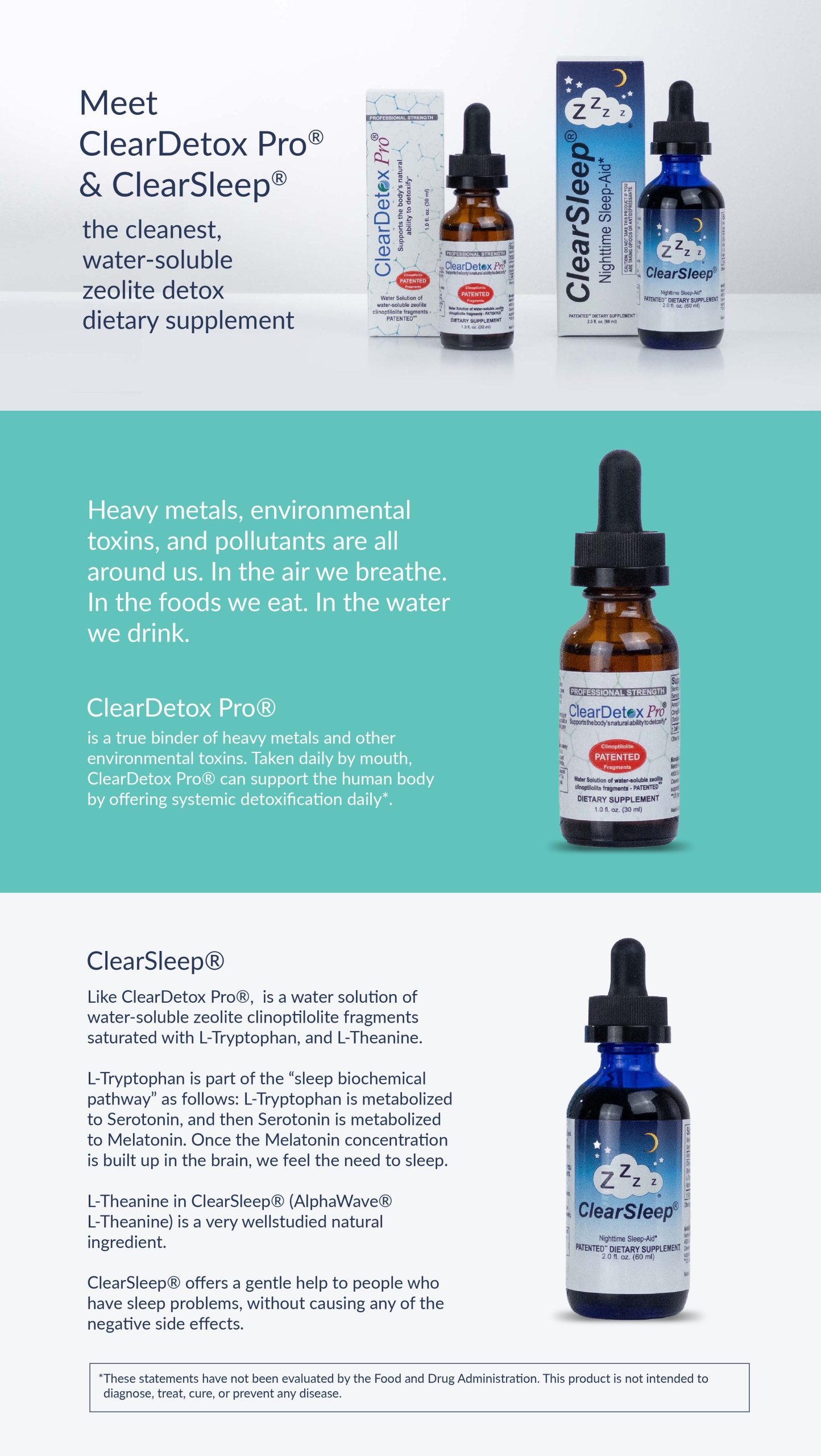
ClearDetox Pro & ClearSleep